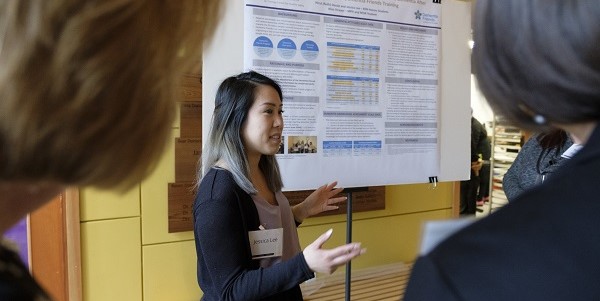
UW School of Nursing PhD student Charles Kwanin reflects on his experience attending the International Nursing Research Congress in Toronto, funded by a de Tornyay Center for Healthy Aging travel scholarship.
This summer, I had the opportunity to attend the International Nursing Research Congress in Toronto from July 16–18. The theme, “Discovery in Action: The Future of Nursing Research Starts Here,” captured the conference’s energy and the many conversations about where nursing science is headed.
One message that stayed with me came from the keynote address on nursing research in a rapidly changing world. The speaker emphasized the importance of remaining steady in our inquiry and building resilience in research so that nursing can continue to support a strong health workforce now and in the future.
The closing keynote offered an equally powerful challenge: “Nursing is at a crossroads, and now is the time to act.” The discussion centered on advocacy for nursing science and practice, AI, emerging and existing technologies, innovative care models, leadership, inclusion, diversity and collaboration. One statement especially resonated with me: we can publish and present our work, but its real impact is ultimately measured by the changes it creates for patients and communities. It was a reminder that research matters most when evidence moves beyond academic spaces and improves people’s lives.
I was also grateful for the opportunity to present my work, “Beyond the Digital Divide: Identifying Opportunities for Older Adults’ Digital Health Engagement.” My research challenges the idea that digital exclusion is simply a consequence of aging. Instead, the findings suggest that the divide can be linked to how particular technologies are designed and used. Age-equitable digital health is achievable. When older adults successfully engage with tools such as test-result portals, we can study what works—simple navigation, clear clinical value and technology that serves a meaningful purpose—and apply those lessons to other digital health tools.
One of my favorite parts of the congress was conversations and presentations about how technology can improve nursing work and patient care while remaining grounded in ethics and health equity.
Toronto was therefore much more than a trip to present my research. It was an opportunity to listen, learn, have meaningful conversations and connect with accomplished nurse scientists, researchers, clinicians and colleagues from around the world. Being in the same room with people whose work continues to shape nursing science was both inspiring and motivating.
I am especially grateful to the de Tornyay Center for Healthy Aging for the generous support that made my participation in the congress possible. I returned from Toronto with new ideas, new connections and an even stronger appreciation for the role that nursing research can play in shaping better, more equitable healthcare.
Teaching has been a part of Kristen Childress’ life throughout her career as a nurse. In community college, she taught GED courses and tutored students in the sciences. In nursing school, she took classes she knew would benefit her as a future nursing instructor and talked to her instructors about wanting to teach.
“It’s just always been a core part of who I am and what I love to do,” Childress said about teaching.
Recently, Childress was recognized for her teaching skills with the UW School of Nursing’s 2026 Sandra Eyres Excellence in Graduate Teaching Award. The award “honors faculty who inspire critical thinking, foster professional growth, model ethical leadership, and create inclusive, dynamic learning environments where graduate students thrive.”
“I love helping people find their niche,” said Childress. “If I can help [students] match their passions with their future career and align their learning with that, I’m a happy person.”
Childress, who also serves as a member of the de Tornyay Center for Healthy Aging executive team and co-director of the Palliative Care Training Center, has a lifelong interest in nursing and working with older adults. She grew up around people with dementia, often visiting her grandfather in a memory care facility. By the age of 10, she knew she wanted to be a nurse.
“Some of my earlier memories actually were being in the memory care unit with him and going and playing piano for the residents there,” said Childress. “I’ve said for a long time that I speak the language of dementia.”
Body language can often be more clear than talking when communicating with people with dementia, said Childress. How you talk to people with dementia is more important than what you’re saying. Even if they don’t remember who you are, they can tell if you care about them.
“I always interact with people who are living with dementia as somebody who’s my old friend,” said Childress. “When I greet them, it’s like I’ve known them forever, even if I’m just meeting them.”
Now, Childress works in primary care as a nurse practitioner, with a focus on people with cognitive impairment, in addition to teaching UW classes on the physiology of aging and palliative care. She thinks the balance of those two roles – clinical practice and teaching – helps to make her a stronger teacher. She can help students tie what they’re learning and studying to the realities of bedside nursing and to the daily lives of patients and their families.
Many of the classes she teaches are for the UW Palliative Care Certificate. The interdisciplinary program not only equips students with the skills to provide palliative care, but also helps them manage the emotional weight of their work. They teach students how to navigate conflict with teammates and work with patients, all while honoring and supporting their own emotions. The program also teaches students about navigating grief and gives them a community with other students in the program.
Childress says she’s seen students come into the program who are currently working in healthcare and burnt out, and it’s been rewarding to watch many of those students find a new way forward.
“People are exiting the program going, I have energy and hope now to look forward to the future in my practice. I can go to my work every day and feel like it’s meaningful,” said Childress.
That type of student support feeds back into one of Childress’ values as a teacher. She wants to see students thrive and help them to navigate challenges while in school, whether that comes from school itself or from outside circumstances.
“For me, it’s not just about you being successful in school,” said Childress. “I want your life to be successful.”
Mihkai Wickline always knew she wanted to be a nurse.
“From the time I was 2, if you asked me what I was going to be when I grew up, it was a nurse,” said Wickline. “That Fisher-Price medical kit was my favorite toy.”
She never wavered from that goal. At 14, she volunteered in a hospital, delivering flowers and meals to patients. Two years later, she started working as a certified nursing assistant and later went on to become a registered nurse.
“I just felt at home,” she said about those early experiences. “I still feel at home anytime I go to a hospital… It’s just a place that makes sense to me and I feel like I belong.”
She now channels her lifelong love of nursing into her work as an Assistant Teaching Professor at the UW School of Nursing. Her hope is that she can inspire a similar love for the profession in her students.
“Nursing is like a best friend to me,” said Wickline. “I hope that being taught by somebody who feels that way about their profession will be really life-giving and sustaining.”
Recently, Wickline was awarded the UW School of Nursing Rheba de Tornyay Excellence in Undergraduate Teaching Award, in recognition of her outstanding teaching at the school.
According to the UW School of Nursing, “the Rheba de Tornyay Excellence in Undergraduate Teaching Award recognizes a faculty member who inspires creative and critical thinking, fosters dynamic learning environments, integrates evidence-based practices, and honors students as active partners in their education.”
“What I care most about is that [students] can demonstrate the competency of being caring,” said Wickline. “Caring is not just something that you feel, it’s something that you do.”
She also believes caring is something that can be taught. She leads students in practice scenarios to build their communication skills. And she’s always looking for ways to bring a human element into the classroom.
“I try to use a lot of first-hand patient accounts, poetry, novels, my own stories from years of practice, [and] memoirs in my teaching,” said Wickline. “Because if you can feel something, you will learn better than if you just hear something.”
That kind of creativity in teaching is one of the things that makes Wickline a stellar instructor, and it’s one of her favorite things about the job. She’s had students draw a patient’s journey learning to manage their ostomy bag like a treasure map, act out the chain of infection and watch videos from pop culture as examples of how nurses communicate.
Prior to teaching in academia, she worked as a Clinical Nurse Specialist and frequently taught practicing nurses. She sought to be creative then, too, and published a board game through the Oncology Nursing Society that helped teach nurses how to give chemotherapy.
“I’m always trying to tap into different ways to learn,” said Wickline.
Those types of educational activities have also helped her rise to one of the challenges of her current classes, which meet in three-hour blocks.
“Nobody can listen to me talk for three hours,” said Wickline. “That would not be a fun way to learn, and that’s not how things stick.”
Sometimes the students are hesitant initially, when the classroom learning takes a different form of learning than they are used to. Being an active learner requires more work than passively receiving a lecture.
“I know some students are like, wait, what are we doing today?” said Wickline. “There’s pens and poster board and string on all the desks, I don’t know about this.”
But afterwards, those activities end up being the ones students say were most memorable.
Ultimately, even beyond helping her students become knowledgeable, caring nurses, Wickline’s greatest hope for her students is that they feel a deep sense of belonging at the UW School of Nursing and know that there is a place for them in the wonderful career that is nursing.
“Some of our students might not always feel like they belong; imposter syndrome is real,” said Wickline. “But if they landed in a seat at UW School of Nursing, they belong here. And I want them to feel like they belong, like they’re a special guest at the party!”
In a now annual tradition, a cohort of six undergraduate nursing students from the National Taipei University of Nursing and Health Sciences (NTUNHS) visited the UW School of Nursing this summer. The group was led by Tsae-Jyy “Tiffany” Wang, who is Vice President of NTUNHS and an alumna of the UW School of Nursing.
The trip was an opportunity for students to see how foreign healthcare and nursing education work and to get immersed in American culture. During the trip, the students participated in Fourth of July and quintessential Pacific Northwest activities, shadowed healthcare workers, visited with community partners and learned about nursing education and practice in the United States.
Experiencing Local Culture
The group kicked off their trip with a visit to Lopez Island.
“Visiting Lopez Island allowed me to experience a different side of America,” said visiting student Feng-Chun Chiu. “Seattle is a busy and modern city, but Lopez Island felt like a peaceful paradise, and I really enjoyed the slower pace of life.”
Visiting students show off their signs celebrating Lopez Island’s community pool
On Lopez Island, the students joined the local Fourth of July parade and participated in a float celebrating the recently opened community pool. The pool is the first community pool on Lopez Island and will help to keep the community healthy by providing a place for people to exercise and for children to learn to swim. The float was awarded the parade’s Grand Marshall Award.
In addition to participating in the parade, the students hiked, visited the farmers’ market, explored the local library and went kayaking. Huang Li Ching said about the kayaking, “The scenery was absolutely breathtaking. Being surrounded by such peaceful nature gave me a chance to slow down, appreciate the moment, and enjoy the beauty around us.”
They also visited “Take It or Leave It,” which is located at the dump on Lopez Island. People can leave things they no longer need, and others can take them for free. Tsai-Ting Kang mentioned, “I liked this idea because it helps reduce waste. I found a postcard that I liked and kept it as a souvenir. It reminded me that one person’s unwanted item can become someone else’s treasure.”
The visit left a lasting impression on the students.
“The most memorable thing for me was the ‘Lopez Wave,'” said Yung-Ching Tsao. “Everyone on the island seemed to have an unspoken understanding to wave at each other, which made the community feel very united and welcoming.”
Clinical Shadowing
Visiting students met with UW School of Nursing faculty and students
Back in Seattle, the students met with UW School of Nursing faculty and students.
“I enjoyed meeting professors and students from different backgrounds and specialties,” said Chih-Tung Li. “It was interesting to learn about their projects and hear about their experiences. I was also inspired by the many different career paths and opportunities in nursing. My visit made me feel excited to begin this new journey.”
While at UW, they shadowed nurses in the UW Medical Center, observing similarities and differences between Taiwanese and American healthcare.
In the clinics, many of the students noted the level of autonomy many nurses in the U.S. have compared to nurses in Taiwan.
“Rather than functioning solely as individuals who carry out instructions, nurses were active participants in clinical decision-making,” Yung-Ching Tsao said.
Students also appreciated the teamwork and collaboration they saw while on the floor.
“When a call bell rang, any available nurse would respond, even when the patient was not assigned to them,” said Tsai-Ting Kang. “When a new patient arrived, other nurses would also step in to assist with admission procedures and assessments.”
They also observed how much say patients had in their treatment and care.
“I was particularly impressed by the emphasis placed on patient autonomy,” said Feng-Chun Chiu. “Nurses consistently explained procedures and care activities to patients and encouraged their participation in decision-making. These interactions helped build trust and reduce patient anxiety.”
Another student, Chih-Tung Li, was impacted by seeing a patient with cancer choosing the option to prioritize comfort over longevity. “After transitioning to comfort care, unnecessary tubes and interventions were discontinued, and she was able to eat what she wanted and spend her remaining time with greater comfort and dignity,” said Chih-Tung Li. “This experience prompted me to reflect on end-of-life care in Taiwan and reminded me that nursing is not only about prolonging life, but also about respecting patient autonomy, dignity, and quality of life.”
The fact that the nurses were eager to teach the visitors, despite their many clinical responsibilities, also made an impression.
“Despite their demanding workload, they willingly answered our questions, explained the rationales behind clinical interventions, and discussed differences between healthcare practices in the United States and Taiwan,” said Jia-Ru Chou.
Learning about U.S. Nursing Education
While at the UW School of Nursing, the students also learned about the UW School of Nursing’s education pathways and explored the school’s state-of-the-art simulation lab.
“Seeing UW’s highly realistic and versatile nursing equipment inspired me to value my learning resources and realize how essential pre-clinical preparation is,” said Jia-Ru Chou. “It truly motivated me to enhance my nursing skills and work harder toward getting my U.S. RN license.”
Tsai-Ting Kang shared, “I learned that simulation is a great way to build confidence and improve nursing skills.”
As part of their trip, the group attended a nursing ethics class, where they presented to UW Bothell students about nursing and healthcare in Taiwan. The class was taught by Dr. Ko Niitsu from the UW Bothell School of Nursing & Health Studies, who wrote an article about the students’ classroom visit.
“This weekend was much more than just a trip,” said Huang Li Ching. “It was a wonderful opportunity to learn, connect with amazing people, experience American culture, and create unforgettable memories.”
This photo was from an evening gathering with visiting students that included a discussion about advanced practice and being a nurse entrepreneur with Dr. Musetta Fu, PhD, ARNP, a SoN PhD graduate. Musetta is originally from Taiwan. Also attending were Dr. Ko Niitsu (and his wife Yoko), who is faculty at UW Bothell; Drs. Kori Dewing and Jenny Tsai; Dr. Tiffany Wang, who was the students’ faculty sponsor; and her son James. In this photo, the group is modeling their new Husky sunglasses.
Hongyu Yu is a UW School of Nursing PhD in Nursing Science student and one of the center’s 2025–2026 Healthy Aging Research Scholars. Her project is on “Understanding Facilitators, Barriers, Scalability and Sustainability of the Women’s Health Initiative Strong and Healthy Pragmatic Physical Activity Intervention for Cardiovascular Disease Prevention: A CFIR-Guided Inquiry.” Her faculty mentors are Kerryn Reding and Sarah Gimbel.
Why did you choose to go into nursing?
I think nursing and health-related subjects are fascinating. When I was little, I read detective stories, and I thought it was intriguing to find evidence and to try to solve problems. I feel like in this field it’s similar, to try to figure out what the symptoms and the lab experiments mean for the patient, what kind of disease they may have and what kind of solution we can come up with for them to improve their health outcomes.
What made you interested in nursing research?
When I was in clinical practice it was good to build close connections to patients, but I felt like what I could do was limited because it takes years to bring evidence into clinical practice. I want to make changes happen. Learning about nursing research will equip me with skills and thoughts on how to critique, design and conduct studies and contribute to implementing findings into practice.
What interests you about healthy aging and working with older adults?
Healthy aging is a very complicated and comprehensive topic. I’m focusing on cardiometabolic health and cognitive health. I am interested in physical activity, diet and sleep. These are the fundamental pillars of cardiometabolic health and cognitive health. Aging does not happen suddenly, or start one day, it is an accumulated process. I hope to figure out what may help best motivate individuals to make lifestyle improvements in the earlier stages, before their risk factors develop into diseases.
You mentioned cardiometabolic and cognitive health. Are you looking at those two aspects of health separately, or are you looking at how they’re connected?
The intersection between them, because the association of cardiometabolic health and cognitive health has already been established. There is strong evidence to say cardiometabolic conditions can impact cognitive function.
Could you briefly describe your project with the de Tornyay Center for Healthy Aging?
There is a huge cohort study called WHI, the Women’s Health Initiative, in the U.S. It’s a very famous and well-established cohort specifically for postmenopausal women.
There are a number of WHI investigators who designed the pragmatic randomized controlled trial for older women across the U.S. called WHISH. The full name is the Women’s Health Initiative Strong and Healthy study. Through this study, they have tried to improve physical activity and reduce sedentary behaviors to prevent cardiovascular disease and cardiovascular disease-related deaths.
I was interviewing primary investigators, co-investigators and postdoctoral fellows from the research team to understand what makes this huge program successful, and is there anything we learn from it? Is there anything we can do better?
I want to know what the facilitators and barriers might be to build evidence with a large-scale population.
What types of questions are you asking in your interview?
I used a brief survey to ask their role or training background related to this program, and developed an interview guide. I asked how this program was designed, delivered, adapted and sustained. In each stage, was there a pivotal point, or any external factors, internal factors or individual-level factors that affected its successful implementation? Are there their takeaways or recommendations for other researchers who want to do this kind of pragmatic intervention for older people, especially older women?
Did you have past experience working with older adults before you started your PhD program?
I live with older adults in my home, and I also met older adults in my clinical practice. Older adults and family are important for me as a Chinese person. That is an essential part of our tradition and values—something deeply rooted in our culture and spirit. We respect, honor and care for older adults.
Zih-Ling Wang is a PhD in Nursing Science candidate and one of the center’s 2025–2026 Healthy Aging Scholars. Her scholarship project is on “Beyond the Plate: A Multi-Methods Investigation of Mealtime Experiences and Modeling Independence in Eating in Dementia Care.” Her faculty mentor is Basia Belza.
What made you interested in nursing research?
In my fourth year of college, we had a class about research. I realized there was another way you could go in the nursing field, besides working in a clinical setting. After graduating, I did a clinical job for some years, then I went to be a dementia case manager to learn more about long-term care. There, I realized that there was a gap between policy and families’ needs.
That’s why I decided to pursue my master’s degree, to better understand health policy and law. During my master’s program, I realized that research gave me a way to address the questions I kept seeing in practice.
Do you have an example of where you saw a need that was different than the policy?
For example, for people with young onset dementia, some of them refuse to go into the daycare senior center because they feel like they are different than the older people. Also, they often still have the capability to work, but the employment environment in Taiwan doesn’t allow them to continue working.
Could you briefly talk about the project you’re doing with the de Tornyay Center scholarship?
My dissertation is about understanding people with dementia’s eating experiences and their level of independence in eating during mealtimes in long-term care communities. I’m trying to understand how environmental factors, personal factors or other related factors will influence their eating experiences and performance.
What made you want to study this particular topic?
I think people sometimes focus on what people with dementia can no longer do, but many still have abilities that can be supported and maintained. Eating is not only about nutrition, it is also connected to dignity, autonomy and social interaction. I wanted to better understand how we can help people maintain their independence for as long as possible. So that’s why I brought this topic to UW to continue working on. I want to understand more about what the eating experience is, what the eating environment is and what those things mean to this population.
What do you hope the impact of your research might be?
I hope that this research will be a foundation. I also hope this research helps caregivers, staff and long-term care communities better understand the factors that influence eating independence for people with dementia. In the long term, I hope the findings can help guide interventions, environmental changes or care strategies that support people in maintaining their abilities and enjoying a better mealtime experience.
Are there any other common eating challenges that you see with the people that you’re working with?
Most of the challenge is when people with dementia are getting worse, they need more cues to help them eat. That depends on the person’s ability stage.
For some staff, the challenge is recognizing a sign that people with dementia need help to eat. In the long-term care community, there are so many residents, you don’t have time to oversee everyone.
You mentioned people with dementia need more cues to eat. What kind of cues?
Some people with dementia doze off during mealtime and you need to wake them up. Or you need to put the spoon into their hand. If they have a family caregiver along with them during mealtime, the family caregiver will use cues like open your mouth, you need to chew, you need to swallow and now you need to sip water. You need to break down step by step everything we think is easy for us, like chewing and swallowing.
And if they don’t want to eat, they just rest their hand on the spoon to stop it. If you keep trying, they won’t eat. That is another challenge when you’re using the cues, you need to observe the person with dementia and their facial expression to know if they are full or not.
Has there been anything that surprised you while working on the project?
Right now, I am also doing an observation study in different communities. I realized that the communities have two different groups: one is a more Asian group, one is a more western group, and I feel like what they need during the mealtime is also affected by the cultural context.
With a resident in the Asian community, we talked about what eating means to her, and she said that eating is just eating. It doesn’t mean anything, I come downstairs to eat every day and it’s just my routine.
Another resident I met from the western community talked about what eating means to her, and she said that she liked to eat as a family group. Every day she saw that she had her mealtime with the same people at the same time. She felt it was like family there.
That experience reminded me that mealtimes are not only about food. They can have very different meanings depending on a person’s culture, life experiences and social relationships.
Hyunhae Lee is a UW School of Nursing PhD in Nursing Science student and one of the center’s 2025–2026 Healthy Aging Research Scholars. Her project is on “Lifestyle Features and Longevity beyond Blue Zones: A Mixed-Methods Study.” Her faculty mentor is Kerryn Reding.
Why did you choose to go into nursing?
I have asthma. My first memory was in the hospital, and I was pretty familiar with doctors, nurses and emergency units. I loved nurses because they always helped me to feel better, and I was eager to be like them. That’s why I chose nursing.
Going from nursing practice, what made you want to do research and go into nursing research?
When I first started clinical work, honestly, I’d never thought about going to a master’s or PhD program. Clinical nursing was a good fit for me, and I really enjoyed life as a nurse. However, as the years went by, I gradually became interested in finding ways to improve the lives of a larger population, not only caring for patients directly in clinical settings. I thought research could be another way of helping patients, and that inspired me to pursue it.
Could you briefly describe your project with the de Tornyay Center?
My clinical background and dissertation research are primarily focused on cancer survivors and their cardiovascular diseases. However, the reason I started research for that population was the hope of helping them not only survive cancer but also live longer and better lives after treatment in their long lives. As I was thinking deeply about survivorship during the spring of my first year in the PhD program, my chair, Dr. Reding, introduced the concepts of Power 9 and Blue Zones.
I had never heard of these concepts before she mentioned them, but they are quite popular worldwide. The idea started when Dr. Pes drew a blue circle on a map around a region in Sardinia, Italy—an area known for its exceptionally high concentration of centenarians and remarkable longevity. This blue marking later inspired the term “Blue Zone.” After that, the journalist Dan Buettner and his team designated five regions worldwide known for longevity and a higher quality of life as Blue Zones and identified nine shared lifestyle features from those five regions, known as the Power 9.
However, the Blue Zones and Power 9 concepts have not been empirically tested with statistical analysis or big data.
So, we thought it would be meaningful to test if these nine lifestyle features are related to longevity in the Women’s Health Initiative data because the Women’s Health Initiative has collected more than 30 years of cohort data in the U.S.
We did an initial analysis, and actually, I thought that was the end of this project. However, after that, I had the opportunity to visit Sardinia with support from the School of Nursing Center for Global Health Nursing. It was an exceptional experience. There were so many centenarians. They are still living their routine, working and even doing daily resistance exercise. Also, through conversations with them, I learned that several of the original Power 9 factors were no longer common in their daily lives. Interestingly, the factors they no longer had in their lives were the same ones that were not significantly associated with longevity in our analysis (especially, restricted diet).
Since it was just a simple conversation and could not serve as official data for analysis, I considered how to turn it into a research project. So I planned a mixed-methods study, interviewing older adults in Sardinia to collect what they are doing day to day, and then, using new variables from these interviews, testing them again with WHI data.
Why is this work important to do?
As times have changed, I felt that there was a need to re-examine the factors associated with longevity and identify new ones that may be relevant today.
The other reason is that, personally, I have noticed that many younger people seem less enthusiastic about longevity. In some ways, I was one of those people. However, the older adults I met in Sardinia were quite different. They were genuinely enjoying their daily lives, spoke about loving the life they were living and expressed a desire to continue living that way for as long as possible. It made me wonder what contributed to such a fulfilling life, and I wanted to share those lessons with others.
Has there been anything that’s surprised you that you’ve learned or seen?
As I mentioned, I was impressed with how they live their daily lives in Sardinia. Even though they have some issues, they love their daily lives. They enjoy communicating. I want to try to find out how we can all become like them.
Two of our 2025–2026 Healthy Aging Scholars recorded videos discussing their scholarship projects! Check them out below:
Li Downs’ (Healthy Aging Doctoral Research Scholar) scholarship presentation on “Enhancing Education on Post-Intensive Care Syndrome: A Nurse-Led Quality Improvement Initiative in the Neuroscience Intensive Care Unit at Harborview Medical Center.”
Amber Beeson’s (Healthy Aging Undergraduate Research Scholar) scholarship presentation on “Analyzing musician perspectives in co-designing music-based memory loss programming.”
Chad Cheldelin is a BSN student and one of the center’s 2025–2026 Healthy Aging Undergraduate Research Scholars. His faculty mentor is Kendra Kamp, and his scholarship project is titled, “Influence of Delirium on Health Outcomes in the Postoperative Period Following Ostomy Surgery.”
Why did you choose nursing?
I’ve worked in healthcare for about five years prior to starting nursing school. I worked during the pandemic in a rural, underserved area. My goal is to finish my BSN, then go on to get a nurse practitioner degree and eventually go back home to serve an underserved population.
I felt like nursing was a good route for me to be able to give back, especially because there’s a large need for healthcare providers.
You mentioned you worked in healthcare before this. What was your past healthcare experience like?
I have about three years of healthcare experience in medical assisting. Two of the years were in an urgent care setting, where a lot of people using these services don’t have the best access to healthcare services.
One of the years, I did primary care medical assisting, and I helped with the transition to a larger healthcare corporation from a small family-owned business. It was a lot of work to update patients’ charts and ensure that they’re still getting seen and getting high-quality care. I had a passion for helping the people who were subject to the healthcare changes going on.
What interests you about healthy aging in general?
When I was working in the primary care setting, we saw a lot of routine colonoscopies. I saw that the recommendation was becoming earlier for colonoscopies because the prevalence of colon cancer is going up among younger people. I’m interested in screening techniques to help reduce the incidence of colon cancer, which is primarily in the older population, but it’s becoming more common in the younger population.
What made you interested in doing a research project during your BSN?
I’m most interested in the research process and seeing the type of research that goes into establishing healthcare information, and I think it would help me in a nurse practitioner program to be able to sift through and learn from the literature.
Could you briefly describe what you’re doing for your de Tornyay Center research project?
Our research is looking at delirium in the postoperative period for patients undergoing ostomy construction surgery. Ostomy construction surgery is a gastrointestinal surgery where a section of the GI tract is diverted through the abdominal wall to an opening created to outside of the body called a stoma. Intestinal contents are collected in an ostomy pouch attached around the stoma.
We’re looking at how the prevalence of delirium in the postoperative period relates to anxiety, sleep disturbance, depression, pain and fatigue. We’re seeing how those are correlated to delirium in the postoperative period.
There’s a lot of postoperative delirium studies for other types of surgeries, but not as many for ostomy specifically.
What interested you about this project?
This research project will help me know how to treat patients after getting ostomy surgeries and know what kind of side effects to look out for that could affect patient outcomes.
Why is the research that you’re working on important to do?
I think this has the potential to help patients by showing me, or other people who see this research, what to look out for when someone gets ostomy surgery and to know what predisposes them to poor patient outcomes.
Since we found significant findings, it seems that delirium is connected to some side effects that could affect their care. After surgery is a crucial moment to make sure that we’re treating them so that they’re less likely to have delirium.
You mentioned that delirium may come with side effects to their care. Do you have any sort of examples of what that might look like?
We found that the patients who had delirium were more likely to have anxiety and depression, more sleep disturbances and fatigue. We can’t say it’s causation, we just found that they tended to occur together.
Is there anything else that you want to share?
It was a really good experience to work with my mentor’s colleagues at the Mayo Clinic for this project. It helped us know more about the processes that are involved in conducting research and it was really cool to see the clinical component of research as well.
Former center predoctoral scholar and PhD in Nursing Science graduate Sarah McKiddy was selected to represent the UW School of Nursing at commencement as the school’s banner carrier.
The de Tornyay Center was proud to see all six center scholars present their outstanding work at the UW School of Nursing Undergraduate Research Symposium.
Teaching Professor and de Tornyay Center Advisory Board Member Kristen Childress received the 2026 UW School of Nursing Sandra Eyres Excellence in Graduate Teaching Award.
The 2026 UW School of Nursing Rheba de Tornyay Excellence in Undergraduate Teaching Award was awarded to Assistant Teaching Professor Mihkai Wickline.
Former UW School of Nursing predoctoral scholar Sarah McKiddy received the 2026 UW School of Nursing Dissertation Award in Nursing Science.
The de Tornyay Center for Healthy Aging and the Center for Global Health Nursing brought international scholars to the UW School of Nursing:
Mentored by Dr. Oleg Zaslavsky, Inthira Roopsawang, PhD, a former de Tornyay Scholar and a 2019 UW School of Nursing alum from Mahidol University in Bangkok, is completing postdoctoral training at the UW School of Nursing.
Paulina Pergol-Metko, a PhD in Nursing Science candidate from the Medical University of Warsaw, is a visiting scholar, attending classes and learning about healthcare in the U.S. She is presenting a talk on nursing perspectives in partnership with the UW Polish Studies Endowment Committee.
Yanisa Duangduen, a visiting scholar from Thailand, presented her work at the UW School of Nursing Scholarship Day!
Delina Mesfin Berhe is a UW School of Nursing BSN student and one of the center’s 2025–2026 Healthy Aging Scholars. Her project is on “Exploring Factors Associated with the Use of Physical and Chemical Restraints in Hospitalized Older Adults with Alzheimer’s Disease and Related Dementias.” Her faculty mentor is Maya Elias.
Why did you choose nursing?
Back home in Eritrea, I grew up with my grandma. She would take care of us, and I would also help take care of her as she got older. When I turned 14, my siblings and I moved to Ethiopia and lived in a refugee camp for about a year. We didn’t have doctors there, so nurses were the ones taking care of most of the cases. I got the opportunity to shadow one of the nurses. I just asked if I could carry her things and walk around with her, and she said yes.
When we later moved to the U.S., nurses were also the ones helping us, especially with our language barriers. They helped us with our medical needs, like vaccines and checkups, before starting school. Seeing that made me realize that nursing is the same everywhere; it’s about caring for people, no matter where they are.
In high school, during my senior year, I joined a CNA program and fell in love with it. I started working in memory care, and every day kept me grounded. I felt really happy being able to take care of people and see them smile.
What did you like about working in memory care as a CNA?
I liked a lot about it. A lot of the patients that I had couldn’t remember anything, so every day is like a reset. I like seeing their pictures from when they were younger. I love hearing stories about their lives. It was really interesting, and I learned a lot. It was also fulfilling to see that they had lived full lives.
What interests you about healthy aging?
I can see myself working with the aging population. It’s rooted in my grandma. Every time I see an older person, it reminds me of her.
Also, I worked with children, specifically those with cancer and blood disorders, but I just couldn’t do it. With kids, it was hard for me because they’re just starting their lives and haven’t experienced everything the world has to offer. Working with older adults, I feel so happy hearing their stories; they’re laughing, and they’ve lived their lives, and many of them have kids and grandkids they’re proud of. It just feels really meaningful to me.
Could you briefly describe your scholarship project?
We’re going to explore the factors associated with the use of physical and chemical restraints in hospitalized older adults with Alzheimer’s disease and related dementias. When these patients are admitted to the hospital, they can sometimes seem really agitated, especially because of the new environment and unfamiliar people. Because of this, staff may give medications to help calm them down or use physical restraints.
Sometimes, if a family member is present, they can help calm the patient or help them listen. But many patients coming from memory care, or those with dementia, don’t have anyone in the hospital to advocate for them. People may not always listen to them, especially if they have Alzheimer’s disease, speak a different language or are experiencing delirium, and may assume they don’t know what they’re saying. This can lead to increased use of chemical and physical restraints.
In our project, we’re trying to understand what factors are associated with the use of restraints and how patients differ in terms of how much they receive, such as medication doses or the number of hours spent in physical restraints.
Why is this work and this project important to do?
It’s really important to me, and it’s close to my heart. I’ve seen how people who speak other languages can be mistreated, and how their behavior can be seen as agitation when they’re actually just trying to communicate. My mentor even told me that when reviewing charts, it can be really emotional, and it’s okay to feel that. Seeing patients without someone to advocate for them is hard. I don’t want this to keep happening in the future, so I’m hoping this project can help, even in a small way.
Is there anything else you would like to share?
I am so grateful to God and St. Mary for allowing me to have this opportunity and for being with me every single step of the way. They have helped me become who I am today. I’m also grateful for my family for encouraging me to pursue higher education, and because of that, I feel like I’ve developed a heart to truly see and care for people.
I’ve become more grateful since I started nursing school. I’m glad that knowing English now has paid off, and I can see myself advocating more in the future. This project has given me a lot of joy, being able to help families in the future.
Being able to work with Dr. Maya is one of my biggest achievements. When I got matched, I didn’t know who I would get matched with. When I met her, she’s a sweetheart. She’s always listening. She will ask, “What did you notice in their chart?” I’m grateful to have someone like that.
Christina Tran is a BSN student and one of the de Tornyay Center’s 2025–2026 Healthy Aging Undergraduate Research Scholars. Her project is on “Social Determinants of Health, Inflammation, and Sleep Disturbances in Older Subarachnoid Hemorrhage Survivors.” Her faculty mentor is Dr. Eeeseung Byun.
Why did you choose to go into nursing?
Growing up, I had a strong relationship with my granddad. I visited him every weekend, where we would make homemade Vietnamese dishes, play games and watch TV together.
Later on, he was diagnosed with lung cancer, and that changed the trajectory of how we did things every weekend. Most of his time was spent in bed, and he progressively became weaker to the extent where he couldn’t lift a spoon to eat or bathe himself. We built a little button system that he pressed if he needed help from me or my grandma.
Although we couldn’t do many things that we did before, the activities that we accomplished together made our relationship stronger. No matter how “small” a task appeared to be, whether it was helping him eat, brush his teeth or walk, sharing these moments together made a significant difference in his confidence and happiness. His smile during each activity was always a joy to witness. I chose nursing because that’s the type of relationship I aim to have with my future patients – someone who remains present, empowers others and brings light during some of the most challenging moments.
So it was that experience with your grandfather that made you want to go into nursing?
Yes! I will always remember how difficult it was for my granddad to first accept the diagnosis and change. I realized how scary it can be for both patients and family. I was drawn to nursing because I hope to support patients and families, placing them at ease as they navigate through challenging situations. I want to remind them that they are not alone in this process.
What interests you about healthy aging?
Aging is a natural process. We’re all aging as we speak. The habits we practice now or build later on can influence how we age and the long-term outcomes.
We also grow differently as people, so learning what works best for each person while also being culturally appropriate is what excites me the most. There are a variety of ways to approach healthy aging and maximize our quality of life, and to me, that’s unique.
When you say culturally appropriate, what kinds of things are you thinking about?
To be culturally appropriate is to be an active listener and learn about the other person’s preferences, because not all of us share similar cultural diets or activities. It’s key to not pressure someone else to live a certain way simply because it’s what we’re accustomed to. Instead, we should find ways to integrate individual needs, values and beliefs in a culturally competent manner.
Coming from a Vietnamese background, others may describe the diet as high-carb due to the rice content in traditional dishes. But when we’re attempting to promote healthy aging, the act of eliminating rice, a Vietnamese staple, wouldn’t be helpful. Instead, we should focus on teaching moderation and giving options, that way, people have a choice in deciding what they’re most comfortable with. The last thing we want to do is strip others from their cultural identity because this only fosters resistance to making a change.
What is the project you’re working on with the de Tornyay Center scholarship?
I am partnering with Dr. Eeeseung Byun and a peer from the BSN Honors program to analyze Dr. Eeeseung’s 6-month longitudinal study of 43 subarachnoid hemorrhage survivors. My part of the project focuses on the 18 older adult survivors, whose data I am analyzing to determine if sleep disturbances, such as sleep quality, daytime sleepiness and insomnia, are affected at different time points based on social determinants of health factors. This includes age, race, education level and income status. I am also evaluating if inflammatory biomarkers play a role in influencing the relationship between the two.
What interested you about getting involved in this research project?
I work at a pain clinic, where patients are treated for acute or chronic pain when other interventions, like physical therapy, aren’t working. Whether their pain was from a sports injury or motor vehicle accident, patients have shared how their symptoms affected their quality of life. I joined the Honors program because I wanted to explore how we could use research to improve symptom management and long-term health outcomes. This particular interest connected me with Dr. Eeeseung and her research on symptom management for stroke survivors, so I’m looking forward to finding ways to improve the recovery process for older adults and help them return to what they love doing the most.
What other past experiences do you have working with older adults?
Besides caring for my grandfather, I also work in the Medical Oncology ICU as a Nurse Technician. We see a wide range of patients with complex medical illnesses and a handful are older adults who often have a harder time recovering from their condition due to fatigue, decreased strength and chronic conditions. I work with them to see how I can maximize their comfort, even if it’s just creating a little goodie basket and topping it off with a warm blanket.
Do you feel like those experiences affected your perspective on healthy aging?
Absolutely. When talking to older patients, they’ve changed my perspective on how they like to receive care and the goals that they have. Many describe that the weaker they become, they feel like they lose some independence. When promoting healthy aging, to me, it’s about giving them a sense of control back and promoting autonomy. This means giving them options and asking what they want to do first. That way, they can make their own choices on healthy aging in a manner that motivates them to take the lead.
Older Americans Month: Champion Your Health
May is Older Americans Month. This year’s theme is “Champion Your Health”, showcasing ways we can take action to care for our health as we age. This year, the de Tornyay Center for Healthy Aging collected a few resources on the topic below. Read a few articles from the center archive, featuring work by UW School of Nursing students and faculty that’s helping older adults champion their health. Check out local organizations helping older adults to live healthy. Join us in October for our 2026 Ignite Aging symposium to learn how you can boost your health with the power of social connection.
Join us in October to learn ways to champion your health!
Ignite Aging: Social Connection
Our 2026 Ignite Aging will take place on Thursday, October 1, 2026, 9 a.m.– noon, at the UW Center for Urban Horticulture. The 2026 program will highlight importance of social connection for healthy aging. RSVPs will open in August.
Seattle Parks and Recreation offers lifelong recreation programming for older adults 50 years old and older to get active, live healthy, and build community.
Sound Generations offers a variety of programming for older adults, including EnhanceFitness, a program that helps older adults improve their health through physical activity.
Amber Beeson is a BSN student and one of the center’s 2025–2026 Healthy Aging Scholars. Her project is on “Analyzing musician perspectives in co-designing music-based memory loss programming,” and her faculty mentors are Basia Belza and Sarah McKiddy.
Why did you choose to go into nursing?
One of the main things that brought me to nursing was watching my family members as they navigated the healthcare system. Growing up, I would go with my mom and my grandma to a lot of their appointments. They speak primarily Vietnamese, but they are able to speak a conversational level of English. They wanted to bring me with them because they were scared they wouldn’t get all of the information. When I did go with them, I noticed that providers would oftentimes default to speaking to me and having me relay information, or asking me information about my mom or my grandma without directly consulting them.
These experiences helped me realize how easy it is for patients to lose their own voice in their care, especially when there are those language barriers. It inspired me to become a nurse who advocates for people, giving them an environment to feel heard, respected and safe in healthcare.
What interests you about the area of healthy aging?
Going back to what drew me into nursing, the idea of helping people, keeping their voice and dignity in all of their healthcare choices is what also draws me to healthy aging. Growing up, I lived with my grandma my entire life. I watched her over time lose independence, and saw how detached she would get from the rest of us because of her lack of opportunities for engagement.
I realized that aging is more than managing people medically, but it’s also finding ways for them to keep maintaining their identity, their purpose, allowing for them to connect with the people around them.
I’m interested in finding ways to create environments where older adults are able to be supported, not only physically and medically, but also socially and emotionally.
Have you had past experience working with older adults before starting the nursing program?
I used to work as a CNA in a skilled nursing facility, and I worked in transition care. Working there, I realized how important it is to help these older adults maintain their independence, especially in that transitional care setting, where they’re relearning a lot of things.
Right now, I work as a patient care technician in the hospital. I work float pool, and I realized no matter where you work, every unit I go to, there’s always older adults.
How did your time working as a CNA and a patient care technician inform what you’re doing now in your nursing program?
Connecting it to my research project, my research focuses a lot on community-based engagement for older adults. Working with older adults, I’ve developed more of an interest in finding ways to support older adults, both socially and emotionally, and I think one of the best ways to do that is community-based projects.
Could you briefly describe your research project?
Sarah’s work focuses on the establishment of this partnership between the Memory Hub, which is a dementia-focused community center here, and the Seattle Chamber Music Society String Quartet-in-Residence, in order to help bring music-based programming to the Memory Hub. My project builds off of this, analyzing a focus group that Sarah conducted with the string quartet.
The goal is to understand the perspectives of the musicians in these partnerships and be able to provide recommendations for future collaborations. How can we support these musicians as they’re working with a new population for them? How can we provide recommendations for how these musicians can structure their programming, as well as their rehearsals, to be prepared to work with people living with dementia? How can they adapt their performances to accommodate these communities?
Why is the work that you’re doing on this project important to do?
Although there’s a lot of research coming out explaining the benefits of music-based programming for older populations, I haven’t been able to find a lot of research talking about the musicians and their experiences with this population. I think this project will help fill in that gap in research.
This will help us provide more evidence-based recommendations for how these programs can be structured in the future, not only focusing on what people living with dementia think, but also translating those concepts for musicians to implement them.
Chiayu Chen is one of the de Tornyay Center for Healthy Aging’s 2026–2027 Healthy Aging Scholars. Her project is on “Support Transitions Between Levels of Care at a local retirement community,” and her faculty mentor is Jamie Young.
Why did you choose to go into nursing?
It started with my grandfather, who had liver cancer. During that time, he was very depressed, overwhelmed and anxious about his diagnosis.
However, the nurses on the medical team were very supportive. They cared not only for my grandfather’s condition but also supported my family when we felt overwhelmed. That was when I realized that a nurse’s job is very meaningful. They are the people who care for patients during vulnerable and difficult times.
What interests you about healthy aging and working with older adults?
I started to get interested in healthy aging because I noticed different health patterns in my family members. For example, my grandfather had an unhealthy lifestyle and didn’t take care of himself. But my grandmother paid attention to her health and stayed active, both mentally and physically, and also volunteered, even when she was already 80 years old. I saw completely different outcomes in my grandparents, so that was when I started to think about what factors lead to healthy aging.
Also, during my clinical rotation, I worked with many elderly patients. They were experiencing life changes and adjusting to new stages of life, trying to build a new identity and dealing with social isolation.
So both my personal experience and my clinical experience sparked my interest in healthy aging.
You mentioned you’ve worked with older adults in your clinical rotations. Did you have previous experience working with older adults before that?
I have experience caring for older adults, especially patients with dementia, from my time working in an acute psychiatry unit. These patients were often quite challenging because many of them were unable to care for themselves, which placed a significant burden on both healthcare providers and their families.
In addition, I volunteered at an Active Aging Center, where we organized activities such as karaoke, gentle exercise, handicrafts and even a fashion runway. Through these experiences, I learned that older adults can still be active members of the community, and I also realized the importance of dementia prevention in maintaining their quality of life.
How do you feel like the work that you did with patients with dementia ties into the work that you’re doing now?
Because of these experiences, I became more interested in early identification and prevention. In my current project, which focuses on supporting transitions between levels of care, I’m trying to help staff recognize early signs of decline and respond earlier.
So instead of waiting until patients reach a crisis point, the goal is to support them earlier and help maintain their independence and quality of life as much as possible.
What is the project that you’re doing with the de Tornyay Center Scholarship?
My project focuses on supporting transitions between different levels of care at a retirement community. Currently, they have two sectors: independent living and assisted living.
Right now, they don’t have very clear guidelines for the transition, such as when residents should transition and what the requirements are for assisted living. We also found that many residents have stigma toward assisted living and are hesitant to move forward. Sometimes, they are not aware of their mental and functional decline.
My focus is on educating non-clinical staff to better recognize and assess residents’ functional decline. They are the people who interact with residents most often and can notice changes in their function. I developed a checklist for them and provided examples to help them better understand what functional decline looks like, so they can assess residents and start conversations about transitions earlier.
Why is this work important to do?
Currently, there is a gap in evidence. There isn’t enough research on transitions from independent living to assisted living, so it is difficult for facilities to find clear guidance to follow.
At the same time, the retirement community I’m working with does not have structured training or a shared documentation tool for staff to communicate changes in residents’ conditions.
So in my project, I’m reviewing existing evidence and working closely with staff at the site to develop a checklist that is tailored to their needs. This helps create a more structured way to recognize decline and improve team communication.
I think this work also benefits residents, their families and the community. If residents can stay safe and supported in their current setting, we can reduce emergency visits and medical costs, and also relieve some of the burden on families.
While you’ve been working on this project, has there been anything that surprised you?
What surprised me the most is that there are many issues to address. I see there are opportunities for future students to explore residents’ hesitation about transitions and the barriers to moving between levels of care. So I think there is still a lot we can do, and what I’m doing right now is just the first step.
Michelle Thomas is a DNP student and one of the de Tornyay Center for Healthy Aging’s Healthy Aging Scholars. Her project is on “Improving Timely Colonoscopy Follow-up after Abnormal Fecal Immunochemical Test Results in the Veteran Population.” Her mentors are Katherine Murrow and Brenda Zierler.
Why did you choose to go into nursing?
I have been a nurse for 15 years and I elected nursing when I was in undergrad.
I’d actually been admitted to the business school, and I intended to become an accountant. Then, once I started my undergrad education, I was surrounded by people who were really passionate about the things that they were pursuing, and I found that was not how I felt about accounting.
I was searching for something where I could spend my life giving back to my community, and I felt like nursing was the way that I was going to be able to do that.
What about nursing made you feel that was the way you wanted to give back?
I liked the challenge of it. I appreciated that there was lifelong learning associated with it, and that I got to engage with people from diverse backgrounds, across ages and lived experience. It aligned with my interest in humanities and the sciences, and interacting with people and supporting people on their own journey.
What interests you about healthy aging?
I’ve been a nurse for quite a while and have seen that, over time, we are caring for people in an older age range that have a higher burden of chronic diseases, who are needing to manage complex medical regimens. I felt like primary care was what was needed to promote vitality, to support their specific goals of aging and to avoid people getting lost in the world of specialists and ensure that patients’ goals and quality of life and desires are upheld.
What past experience do you have working with older adults?
I have always worked with adults throughout my nursing career. I worked in acute care as an oncology and nephrology nurse. After this, I worked for a long time in endoscopy, which is gastroenterology concerns and liver disease, things like that, which tend to be skewed to an older adult population.
All of those experiences endeared me to people who have lived a lot of life and have unique perspectives and have oftentimes a lot of interesting things to share. That really made me want to serve that community.
Can you briefly describe the project you’re working on with the de Tornyay Center scholarship?
My project is working within the VA Puget Sound Health System. The goal of the project is to improve colorectal cancer screening completion rates within the Veteran population in this area. One way we’re looking at doing that is to improve the number of people who get a diagnostic colonoscopy after they have a fecal immunochemical test (FIT)-positive result. A FIT test is a stool-based colorectal cancer screening method.
If you get a positive FIT test, you have to have a colonoscopy. The research suggests that a colonoscopy should be done within six months because the FIT test may indicate that there’s an advanced adenoma that is likely near conversion to cancer. The longer we wait, the higher likelihood that will convert into a cancer versus a precancerous lesion or a high-grade precancerous lesion. Right now, about 61% of the Veterans in the Puget Sound system with a positive FIT get the screening done within a year.
The VA has gone to a mostly FIT-based screening program, which is unique for a health care system. The VA also considers colorectal cancer a presumptive condition, meaning they presume it to be likely linked to a Veteran’s service.
My project is looking to improve the way that we collect data, to get a good reporting tool in place, so that we can determine who needs follow-up on their FIT-positive results. Then, I’m going to do a few education pieces with the primary care providers across the Puget Sound system, and we’re also doing a little side piece of trying to integrate some AI tools that some of the providers are working on to improve our chart review.
Could you talk a little more about the education part of your project?
I’m doing a multi-level intervention, meaning we’re trying to address multiple pieces all at the same time. One thing I’m doing is education with the providers to let them know where we’re at as far as colonoscopy completion rates; the goal, which is more than 80%; and the major barriers we are seeing from the data review that are interfering with our ability to meet that goal.
Has there been anything that’s surprised you so far while working on the project?
You would think many of the barriers to care would be easy to figure out. Then, once you get into the data, you really uncover how many people need to be involved in those changes. There has to be system-wide changes, there have to be provider-level changes and then there also has to be patient-level changes, meaning ways that we can provide education and cultural understanding of what screening even means. There’s a lot more complexity to it.
Li Downs is a DNP student and one of the de Tornyay Center’s 2025–2026 Healthy Aging Scholars. Her project is on “Enhancing Education on Post-Intensive Care Syndrome: A Nurse-Led Quality Improvement Initiative in the Neuroscience Intensive Care Unit at Harborview Medical Center” and her mentors are Maya Elias and Kristine McGlennen.
Why did you choose nursing?
It’s one of the most trusted professions in the United States, and I wanted to make an impact in people’s lives. I always had a science-based mind, and I was really interested in human anatomy. My aunt was a nurse, and my grandfather was a doctor who were both inspiring and great role models for me. As I grew up, I was more drawn to the role that nurses have in healthcare and the impact that they have on patients’ experiences while in the hospital.
What interests you about healthy aging and working with older adults in general?
I am very interested in working with the older population, and not just because we have an aging population. Older adults have so much wisdom, so when you’re caring for them, you’re learning from them and their life experience.
I initially wanted to be in pediatrics because my aunt was in pediatrics. Then, when I started doing my rotations, I enjoyed talking to the people that reminded me of my grandparents. I felt like I could identify with them better.
As I got into my nursing career, you start to see trends, especially in the older population, of things that you could work to prevent or have better outcomes. Falls is the big one that I think of that you can do a lot of education and community engagement to prevent. There’s a lot of areas in medicine and community engagement where you can help older adults, make a big impact and prevent worse outcomes.
What drew you to getting your DNP?
During COVID I was very inspired by the nurse practitioners I worked with and how they stepped up to help fill the gaps that we were having in patient care. Watching them command a room, make decisions and drive the management plans inspired me to want to be in that role and be able to step up.
Also, the DNP program gives you the resources to make systemic change in a healthcare system. It helped me feel like I was better prepared to be a leader in the healthcare system. I was actually doing a quality improvement project the year before I applied to the DNP program. The impact of that project really inspired me to apply because I felt like I could do more of it with this degree and have a bigger impact on how we change our care policies.
Could you briefly describe what your project is on for your de Tornyay Center scholarship?
The point of this project, and specifically the section that I’m focusing on with the de Tornyay Center, is providing post-intensive care education to nursing staff and advanced practice providers about inpatient interventions to prevent post-intensive care syndrome.
Post-intensive care syndrome is this syndrome that develops in ICU survivors, and it has a physical, cognitive and psychological component. The physical is the muscle wasting, the ICU-acquired myopathies. The cognitive is poor word finding, impaired executive function, difficulty concentrating and memory issues. And the psychological is depression, anxiety, post-traumatic stress disorder, sleep problems and nightmares.
This can develop in 50% to 80% of patients. It can be debilitating and can last months to years. It has a huge impact on quality of life, people’s ability to return to work, their relationships with their families and being able to walk and eat on their own.
This project is focusing on increasing education because there’s no formal education at Harborview in any of their ICUs right now. We’re focusing on the neuro-ICU because it’s a very underrepresented population in research. We’re working on increasing education through presentations, a flyer and general unit engagement.
Our hope is by educating the staff that it will help them think more critically about interventions, what they can do to prevent it and also help them talk to patients about it.
You mentioned inpatient interventions. What types of interventions are those?
A lot of it has to do with delirium prevention. The ABCDEF bundle is a researched, well-known delirium prevention checklist of things you should be thinking about and checking every day.
The bundle is early mobility; avoiding deliriogenic medications; limiting days on the ventilator; making sure you’re doing your spontaneous awakening trial and your spontaneous breathing trial; treating pain, but not over-treating people with opioids; making the ICU feel as much like home as possible, and this can be through making sure family’s at bedside, having photos on the wall, playing music; and then promoting sleep-wake cycle, like lights on during the day, lights off during the night, limiting sleep interruptions, those kinds of things.
Then, some other interventions that have evidence supporting them are ICU diaries, support groups and resiliency training for patients and family members — resilience in the sense of, how do you cope with depression, anxiety and these intense feelings of being critically ill.
Has there been anything that surprised you while doing this project or learning more about the topic?
We just closed our pre-survey to measure the baseline knowledge, engagement and confidence in the topic. I was really lucky with the amount of staff that were willing to take my pre-survey. There was a lot of engagement. We got almost 50% of participation which, when you think about asking people to do surveys, is pretty good. I was very happy with it. But people were very candid about how little they knew about the topic. I was surprised by how needed this education initiative was.
Fiza Noman is a BSN student and one of the de Tornyay Center for Healthy Aging’s 2026–2027 Healthy Aging Scholars. Her project is on “Unwrapping Bias: Addressing Ageism Towards Older Adults Alongside Racism in Nursing Textbooks to Advance Inclusive Education and Promote Healthy Aging.” Her faculty mentor is Bethany Rolfe Witham.
What made you choose nursing?
I came from Pakistan, where healthcare is not very accessible to everyone. I’ve seen people back home who have not received good healthcare, and due to that, they have suffered great loss. So, I’ve always known that I wanted to work in healthcare where I can make a difference.
Ever since moving here, I’ve been looking into professions where I’m part of healthcare and can provide direct patient care. I wanted to be hands-on, where my patients can share their experiences with me while also providing great care to them.
I started looking into nursing, and then right upon my junior year of high school, I came across UW’s Nurse Camp. That was the main exposure to nursing, and I got to learn more about the UW School of Nursing program and what the profession is like.
What interests you about healthy aging?
I spent almost four years volunteering on and off in an assisted living community. Also, my grandparents lived with me for the majority of my time growing up. I knew that I wanted to work with this population because I feel like I can connect with them well, and I want to be there for them.
I also completed an externship this past quarter. It was a long-term care externship. I got to spend some time in other assisted living communities across the Seattle area. Then I completed a quarter of modules where we talked about how care is different for the elder population in comparison to other populations. That was very interesting to me, and it further solidified my interest that this is the population that I want to work with.
How was your experience in assisted living?
I really enjoyed it because I could see how much of a difference I was making in their lives. A lot of those people didn’t have family, or they hadn’t seen their family in a while. I could see just spending a couple of minutes with them, chatting with them, how much it made their day. I saw the care that the nurses provided for them, how much it meant for them and for their lifespan as well.
I grew up taking care of my grandparents. When I provide this kind of care, I do it out of genuine empathy for these patients, and I know that I’m making a difference in their life.
What is your research project with the de Tornyay Center scholarship?
On REDCap, BSN students can submit submissions of instances of bias and ageism in their textbooks. We look at the submissions, we do data analysis, and then we can, in the end, send those results to the publishers, so they can also make those changes in the textbooks. In the past, publishers have made those changes.
I think it’s important because nursing textbooks are a main resource that you’re using towards your education, and if you’re seeing biases and ageism in it, those stay with you long-term.
Do you have any examples of ageism and bias you’ve seen?
In nursing textbooks, the language can portray older adults as very dependent. They can show aging as a bad thing, as in, if you’re aging, you’re not benefiting from it, and you’re going to depend on someone, and there’s not enough care for it.
I also saw a lot of bias towards the marginalized communities and people of color. I saw in a lot of assisted living how they’re treated differently. And in textbooks, I also saw that there’s a lot of lighter-skinned representation, especially for the older population. I think it’s important to have the textbooks also show people of color, and students have submitted instances of that as well for publishers to show more representation.
Has there been anything that surprised you while working on this project?
I thought that I would not find a lot of instances of ageism in nursing textbooks. I thought that it’s a normal process, it’s a lifespan process, and there shouldn’t be any biases around it. But once I started looking at the data, I saw there’s so many instances of ageism that students have collected over the past years. That really surprised me. Why are nursing textbooks in today’s time still showing those? I want to be part of this project so I can start working towards that change.
What interested you about getting involved with this project?
Since I’m a person of color, I look at it like people from my community might be involved in assisted living communities. I will, sometime in my future, also be involved in assisted living communities. I think it’s important to have representation of people like us.
When you go home as a student, you read through your textbooks, you learn from your textbooks. It’s valuable to see how we can make changes, so students are getting the right education, the right content, so they’re well equipped to work with all populations.
Winter 2026 news from the de Tornyay Center for Healthy Aging and our collaborators:
Congratulations to Oleg Zaslavsky and colleagues for receiving an NIH grant for their VOCALE Frailty digital program, which aims to support older adults with frailty.
The Dementia Action Collaborative released a flyer illustrating ways to lower your dementia risk.
Congratulations to PhD candidate and center illustrator Lalipat Phianhasin for receiving a Sigma Small Grant for the “Role of Social Support as a Social Determinant of Health in Functional Status and Cognitive Function among Aneurysmal Subarachnoid Hemorrhage Survivors”!
The American Academy of Nursing recently put out a position statement on the use of AI, supporting “the responsible and ethical use of artificial intelligence (AI) as a transformative force in health care to support, rather than supplant human wisdom and nursing clinical judgment.”
Suah Park is a PhD in Nursing Science candidate and one of the de Tornyay Center’s 2025–2026 Healthy Aging Scholars. Her faculty mentor is Eeeseung Byun, and her project is titled, “Socio-contextual, Physical, and Psychological Factors Associated with Sleep Disturbances Among Korean Immigrant Older Adults: A Mixed Methods Study.”
What made you want to pursue a PhD in Nursing Science?
Working as a nurse practitioner, I realized that older adults are often prescribed multiple medications. I think there definitely is a need to develop or tailor non-pharmaceutical interventions. Seeing the growing emphasis on non-pharmaceutical approaches for older adults motivated me to pursue research in this area.
So through your research you’re hoping to help create and improve non-pharmaceutical interventions?
Yes, particularly regarding sleep, as sleep medications pose greater risks for older adults due to their significant side effects. These include increased risks of falls, dementia and confusion. In clinical practice, there are frequent alerts indicating that many sleep medications are not recommended for older adults.
How did you become interested in the area of sleep?
Originally, I’m from South Korea, where I finished my bachelor’s degree and worked in hospitals. After that, I moved to the United States and received my training to become a nurse practitioner at Virginia Commonwealth University. I got my first job as a nurse practitioner in a primary care clinic in South Tacoma seeing mainly Korean American older adults.
I noticed that some of my patients had depression and anxiety. But they didn’t express themselves by saying, “I have anxiety” or “I have depression.” Rather they would say, “I can’t sleep.” Many Asian Americans are reluctant to express their feelings because of stigma.
I tried to prescribe depression or anxiety medications, and they declined to take them due to stigma around mental health medications. But I noticed that once their sleep quality improved, their mood often improved as well. This observation is why I wanted to focus on sleep quality among older adults.
My dissertation is about sleep quality and sleep disturbance in Korean American immigrant older adults. There are already existing non-pharmacological interventions for sleep, but I would like to improve their implementation by accounting for cultural beliefs and practices regarding sleep.
So you were finding people are sometimes more open to treating the sleep problem, which can help with mental health?
Yes, and then, once I start a conversation about a sleep issue, patients become more open to addressing depression and anxiety. It’s a conversation like, “How do you sleep?” or “Do you sleep well?” And then they say, “I cannot fall asleep, my mind feels busy, I have many concerns.”
And then I suggest, “It seems that your sleep concern is coming from your mood. Can you talk to me about your mood?”
Then they’re more open to addressing their anxiety or depression. Also, they’re more likely to reveal their personal experiences. This approach is helpful when you need to start a conversation related to a mental health issue.
Could you briefly describe the project you’re doing with the de Tornyay Center Scholarship?
It’s a cross-sectional mixed-method study, designed to examine the association between socio-contextual, physical and psychological factors and sleep disturbance in Korean immigrant older adults.
Through the interviews, I’m going to explore the role of sleep-related beliefs and sleep hygiene practices as potential correlates of sleep disturbance. I will also explore culturally informed beliefs or perceptions and behaviors related to sleep through qualitative content analysis.
What are some of the cultural considerations related to sleep for Korean Americans?
The most common thing is that Koreans often connect sleep and diligence. In Korean culture, short sleepers are often perceived as more diligent, whereas sleeping longer can be viewed as a sign of laziness. They feel guilty about napping because of this. Also, there is a strong cultural preference for traditional and natural remedies for sleep, such as warm teas, foot baths, moxibustion, herbal medicine and meditation. Many Koreans tend to avoid sleep medications because they worry about potential dependence. Through interviews, I hope to better understand sleep beliefs and identify barriers to healthy sleep practices in this community.
On June 11, 2026, BSN Honors student Julia Lee received the President’s Medal from University of Washington President Robert J. Jones during UW’s 2026 Awards of Excellence ceremony. The university’s highest undergraduate academic honor recognizes graduating seniors with the most distinguished academic records, and Lee is only the third nursing student in UW history to receive the award.
Julia Lee is a BSN student and the center’s 2025–2026 Germaine Krysan Endowed Scholar. Her mentors are Basia Belza and Sarah McKiddy, and her scholarship project is “Incorporating Dementia-Inclusive Practices to Music-Based Memory Loss Programming in a Cross-Sector Partnership.”
Why did you choose to go into nursing?
Back in high school, I was in a volunteer program at a local hospital. Volunteering in the inpatient units, I realized that nurses were the people in the care team who got to form close relationships with their patients—walking alongside them through every step of their recovery journeys. That connection and trust was what I sought and wanted to provide in my healthcare career.
Did you have a background in healthcare work before starting your BSN program?
I’ve been working as a certified nursing assistant (CNA) for the past 3 years, starting in my freshman year of college. I’ve loved all the experiences that I’ve been able to gain as a CNA. I work mainly on an inpatient acute rehab unit while also floating to neuro and cardiovascular floors throughout the hospital campus. I work with a lot of older patients there, so that’s where my interest in healthy aging research really started to develop.
What interests you about healthy aging and working with older adults?
In my childhood, I was surrounded by a lot of older adults. There’s not many people in the younger generations in my immediate family, and so I spent a lot of time with my grandparents and other older adults in my family.
My grandparents have always been role models for me in terms of healthy aging. I wish that everybody in my generation had a couple of people who could be role models of healthy aging to them, to show them that aging can be beautiful, aging can be healthy, and aging can be something that is motivating and inspirational.
Right before starting college, my grandmother had a stroke. We were told that her prognosis wasn’t the best, that recovery would be difficult considering her old age. But my grandmother has always been healthy—sometimes I’d even joke that her and my grandfather were healthier than me. She fought and persevered through rehab, and now she’s back to walking a mile every day, going out with her friends, and writing me birthday cards filled with paragraphs of her sweet words and wisdom. She is one of the kindest, smartest, healthiest people I know, and she continues to inspire me and my work every day.
Then of course, I started working in the acute rehab unit, and I was working with a lot of older people who had experienced a stroke or other neural injuries. I fell in love with the geriatric population even more. I love the older generation—their perseverance and resilience, their wisdom and rich life stories, and their kindness that shines through despite difficulty.
What’s the research project that you’re doing with the de Tornyay Center?
I’m working with PhD candidate Sarah McKiddy and Dr. Basia Belza, helping with Sarah’s dissertation creating music-based interventions for people living with dementia in the community. We are trying to establish a partnership between the Memory Hub, which is a dementia community center in Seattle, and the Seattle Chamber Music Society’s quartet-in-residence program, where a renowned quartet lives and engages with the Seattle community for 9 months. This year, the Balourdet Quartet has been living just a block away from the Memory Hub, making it a great opportunity for us to create that partnership to develop and offer music-based interventions for the people who come to the Memory Hub.
While you’ve been doing that work, has there been anything that surprised you?
The most surprising thing has been the process of doing qualitative research. I didn’t have prior knowledge about how qualitative data like interviews could be translated into the results that we get in research studies. But going through the process of transcribing focus groups, coding themes, and collaborating with different researchers to get new perspectives while eliminating bias has been really interesting to be a part of.
In terms of what I’ve been seeing in the research itself, doing this work has only confirmed the pre-existing notion that music can be really powerful—not just emotionally, but that it can be a way to possibly improve the health and quality of life of people.
What interested you about working on the project?
Aside from my interest in gerontology and healthy aging, music has always been a really big part of my life. I played violin for 8 years, my dad is a singer, and I have also sung ever since I can remember. As I’ve grown older, I’ve realized how important music is to me. It forms part of my identity, but also it has such a big impact on how happy I am.
Sarah’s dissertation really intrigued me because I wanted to see if that could be translated to medical health. I know that music is important and can be impactful, but can it be something that makes a marked and measurable health impact?
Why is this research important to do?
There’s a need for more effective interventions for people living with dementia in the community. A lot of the negative manifestations of dementia, like agitation, distress, and depression, are currently treated through medications. These medications are often ineffective and can cause a lot of unwanted side effects. Music-based interventions have shown to help relieve or improve a lot of those negative symptoms without any side effects. Music has also shown potential to slow the progression of dementia.
This research is really promising and exciting, but most of the music-based interventions that have been studied have only been in institutionalized settings like in hospitals or care facilities. Most people living with dementia live in the community still, and so we need a way to bring those music-based interventions to them. Our project is aiming to do just that.
Thank you to everyone who attended and contributed to the success of the UW Healthy Aging Forum on Feb. 27, 2026. We appreciate your participation. There was an incredible amount of positive energy and rich connections at the forum.
“I would like to extend my sincere gratitude to Dr. Oleg, Dr. Basia and Dr. Hilaire, Dean of the UW School of Nursing, for their invaluable support and contributions, which significantly enhanced the quality and relevance of this study for practical application in nursing society,” said Roopsawang. The competitive award was selected from over 20 studies submitted for consideration.
PhD in Nursing Science candidate Sarah McKiddy received an Osher Center grant on “A PRISM-Guided Planning Study for Co-Designing a Novel Partnership for Music-Based Memory Loss Programming in a Community Setting.” The grant will support McKiddy in exploring the creation of a partnership between a local organization, the Memory Hub, and the Seattle Chamber Music Society’s string quartet-in-residence.
Center director Basia Belza and Sarah McKiddy received a 2025 Meredith Willson Pilot Research Grant from The Music Man Foundation “to lead a study that builds a partnership between a performing arts organization and a dementia-focused community center to provide music programs for elders living with memory loss.” Read more on The Music Man Foundation website.
The de Tornyay Center for Healthy Aging is thrilled to welcome a new cohort of healthy aging scholars!
PhD Scholarships
Suah Park, Healthy Aging Doctoral Research Scholar
Topic: Socio-contextual, Physical, and Psychological Factors Associated with Sleep Disturbances Among Korean Immigrant Older Adults: A Mixed Methods Study Faculty mentor: Eeeseung Byun, PhD, RN
Zih-Ling Wang, Healthy Aging Doctoral Research Scholar
Topic: Beyond the Plate: A Multi-Methods Investigation of Mealtime Experiences and Modeling Independence in Eating in Dementia Care Faculty mentor: Basia Belza
Hyunhae Lee, Healthy Aging Doctoral Research Scholar
Topic: Lifestyle Features and Longevity beyond Blue Zones: A Mixed-Method Study with Pragmatic Grounded Theory Analysis Faculty mentor: Kerryn Reding
Yanjing Liang, Myrene McAninch Endowed Scholar
Topic: Culturally Adapted, Translation, and Revision of Readiness for Aging Scale Faculty mentor: Basia Belza
Wenting Peng, Healthy Aging Doctoral Research Scholar
Topic: Patterns of Digital Technology Use and Their Associations with Social Isolation and Loneliness among Community-Dwelling Older Adults: A longitudinal study Faculty mentor: Basia Belza
Hongyu Yu, Healthy Aging Doctoral Research Scholar
Topic: Understanding Facilitators, Barriers, Scalability and Sustainability of the Women’s Health Initiative Strong and Healthy Pragmatic Physical Activity Intervention for Cardiovascular Disease Prevention: A CFIR-Guided Inquiry Faculty mentors: Kerryn Reding and Sarah Gimbel
DNP Scholarships
Michelle Thomas, Healthy Aging Doctoral Research Scholar
Topic: Improving Timely Colonoscopy Follow-up after Abnormal Fecal Immunochemical Test Results in the Veteran Population Agency mentor: Katherine Murrow Faculty mentor: Brenda Zierler
Lydia Rose Downs, Healthy Aging Doctoral Research Scholar
Topic: Enhancing Education on Post-Intensive Care Syndrome: A Nurse-Led Quality Improvement Initiative in the Neuroscience Intensive Care Unit at Harborview Medical Center Faculty mentors: Kristine McGlennen and Maya Elias
Chiayu Chen, Healthy Aging Doctoral Research Scholar
Topic: Support Transitions Between Levels of Care at Northaven Faculty mentor: Jamie Young
Undergraduate Scholarships
Chad Cheldelin, Healthy Aging Undergraduate Research Scholar
Topic: Health outcomes in the perioperative period of patients undergoing ostomy surgery in terms of cognition, delirium, and anxiety. Faculty mentor: Kendra Kamp
Fiza Noman, Healthy Aging Undergraduate Research Scholar
Topic: Unwrapping Bias: Addressing Ageism Towards Older Adults Alongside Racism in Nursing Textbooks to Advance Inclusive Education and Promote Healthy Aging. Faculty mentor: Bethany Rolfe Witham
Delina Mesfin Berhe, Healthy Aging Undergraduate Research Scholar
Topic: Exploring Factors Associated with the Use of Physical and Chemical Restraints in Hospitalized Older Adults with Alzheimer’s Disease and Related Dementias Faculty mentor: Maya Elias
Julia Lee, Germaine Krysan Endowed Scholar
Topic: Incorporating Dementia-Inclusive Practices to Music-Based Memory Loss Programming in a Cross-Sector Partnership Faculty mentors: Basia Belza and Sarah McKiddy
Christina Tran, Healthy Aging Undergraduate Research Scholar
Topic: Social Determinants of Health, Inflammation, and Sleep Disturbances in Older Subarachnoid Hemorrhage Survivors Faculty mentor: Eeeseung Byun
Amber Beeson, Healthy Aging Undergraduate Research Scholar
Topic: Analyzing musician perspectives in co-designing music-based memory loss programming Faculty mentors: Basia Belza and Sarah McKiddy
Yuni Chung is a UW School of Nursing PhD in Nursing Science student and one of the de Tornyay Center for Healthy Aging’s predoctoral scholars.
What drew you to nursing?
When I was a middle school student, my grandmother developed Parkinson’s disease. She needed assistance, so I was responsible for helping her with activities of daily living. I thought it was very valuable to take care of somebody, so I wanted to become a nurse after that.
What interests you about healthy aging?
I worked on a respiratory medicine ward, where many of the patients were older adults living with chronic respiratory conditions and other comorbidities. A lot of them struggled to change their lifestyle and unhealthy behaviors. After discharge, they often returned to the hospital because it was difficult to manage their symptoms and health at home.
These experiences led me to become interested in chronic disease management and in improving care, especially among older adults. I believe digital interventions can be one way to support healthy aging and better self-management, so I am interested in digital health care and digital technologies.
What do you find most interesting about digital intervention research?
I was always curious about ways to get people to adhere to a digital intervention over the long term. At first, people find it very interesting to use apps or digital devices to manage their health, but eventually they lose interest and they drop out. So, I’m curious to find out how to make them stick to that intervention for a prolonged time.
I did a prior literature search. Small monetary incentives were very effective, but we have limited funding and limited time, so I hope I can find another method.
What made you want to transition from clinical practice to research?
Even in clinical settings, there is a strong emphasis on evidence-based practice, and there were opportunities to participate in research. But as a clinical nurse, I was too busy to fully engage in research projects. I realized I needed dedicated time to focus on research, which is why I decided to pursue a master’s degree in nursing. During my master’s program, I decided to transition my career from clinical practice to research.
At first, I assumed that older adults would have lower levels of digital literacy than younger patients, so I conducted a study comparing digital health literacy between younger and older patients. Surprisingly, their levels were similar. This finding made me think that digital interventions could also be feasible for older adults.
What did you like about your research experience in your master’s program?
It was interesting to apply what I learned in class to an actual research setting, recruit participants and use statistical software to analyze my data. And when my first article was published, it was very rewarding.
What part of publishing an article did you find most rewarding?
No single research study is perfect. Many research papers stack together to build a single piece of knowledge. I was happy that I could contribute to that stack of papers.
Is there anything else you’d like to share?
I was born and raised in Korea, and although I learned English, this is my first time using it so intensively. I am trying to adapt quickly to academic life and daily life in the United States.
I am also excited to meet people from very diverse backgrounds. In Korea, many people share relatively similar experiences and social contexts. Here, I can meet people from many different places and perspectives, and I feel that this helps me broaden my own perspective as a person and as a nurse scientist.
Jun Heo was one of the de Tornyay Center for Healthy Aging’s 2024–2025 Healthy Aging Undergraduate Research Scholars and a BSN student. Heo’s faculty mentor was Anita Souza, and his project was “Exploring Healthcare and Housing Differences Between Older Veterans and Non-Veterans in Permanent Supportive Housing: Barriers to Healthy Aging.”
What made you choose nursing?
I was a combat medic in the Army. I got discharged in 2022, and I was given the perfect chance to choose what kind of field to work in. I chose nursing because I really love to take care of people.
How did that experience in the Army influence your choice to go into nursing?
Being an Army combat medic was definitely a great experience. I got to experience both field care and hospital care. It was a good start, but I realized that in the Army, healthcare is more about the speed due to the urgency and the mission. I wanted to look at more of a sustained perspective of care.
What interests you about healthy aging?
My family member, my grandmother, she’s the start. She had a stroke, and she had a femur fracture. She spent almost 20 years in bed, and as a kid, I was part of taking care of grandma. So cleaning, feeding, I already had that kind of experience.
Working in the VA Medical Center, I got the chance to connect with the geriatric population. It’s always interesting to listen to their stories. Some people like pediatrics because they’re adorable. I realize it’s great to be there for their beginning. But at the same time, it’s also very meaningful to be there toward the end.
What interested you about doing a research project?
In spring quarter we learned about research as part of the curriculum, and it was really interesting. The beauty of research is that I’m exploring somewhere that other people may or may not have explored before. I wanted to experience that.
Could you briefly describe what you’re doing in your research project with the de Tornyay Center scholarship?
The population of people who experience homelessness is on the rise, and it’s been a huge challenge for many people. For the geriatric population, they’re especially vulnerable to overall health and quality of life challenges when they’re experiencing homelessness.
The veteran population, they have their own unique struggles, like military PTSD and their veteran status, that sometimes cause further blockages to receiving care. I believe there’s no one-size-fits-all solution for each case.
My mentor suggested this topic to me, and I agreed that it was a really nice way to shed light on this struggle in the veteran population.
How did you start your work on this project?
My mentor introduced me to a couple of veterans who are nowadays doing really great. They previously experienced homelessness, but they’re advocating for their community. They go to school, they’re driving, and I’ve been listening to their stories and asking them questions, and they enlighten me with their experience. That was really valuable.
Where are you at now with the project?
We connected with the key members (housing staff, program managers and case managers) and, as I previously mentioned, those two veterans. Then through that, we were able to develop semi-structured interview questions.
We’re conducting interviews. We’re recruiting six to 10 veterans who are residing in permanent supportive housing. We’ll also record six to 10 interviews from the non-veteran population. We’ll be listening to their stories, what their challenges are and see what their daily lives look like, what kind of care they’re receiving and how it’s going to affect their healthy aging.
What’s the importance of doing this project? What impact do you hope it might have?
There’s not much work directly contrasting the non-veteran versus veteran population of people experiencing homelessness. So this qualitative research can be the stepping stone to develop tailored care and support for this population.
Lydia Chen was one of the de Tornyay Center for Healthy Aging’s 2024–2025 Healthy Aging Doctoral Research Scholars and a DNP student. Her project was “Using Artificial Intelligence in Improving Nursing Documentation in Skilled Nursing Facilities,” and her faculty mentor was Jamie Young.
What made you choose nursing?
My career started as an occupational therapist. I was working as an occupational therapist for over 12 years, mostly with the geriatric population, in skilled nursing facilities. Over the years, I noticed there are a lot of biases in social determinants of health and health equity toward older adults.
When I was in Northern California, we didn’t even have a primary care provider in the facility, and we had to hire health care providers from L.A. to visit the residents to provide care, sign orders and complete paperwork.
I felt there was something else I could do to serve those older adults better. I was looking to see what career change paths I could take. I decided nurse practitioner sounded like the care model that matches what I want to do for the patients, so I decided to pursue a nurse practitioner degree.
What interests you about healthy aging and working with older adults?
A lot of it is personal preference. Healthy aging is important to me because my grandma had a stroke and my dad has Parkinson’s. I feel that society should pay more attention to older people and spend time with older people. It’s like traveling. You get to learn so much from them. You travel through their lifespan, and you learn from their life experiences, their knowledge and their wisdom.
It’s our responsibility, right? We take care of babies. Culturally, I was always taught to take care of our older generation and to respect our elders. So that’s why I chose nursing, and that’s why I want to work with the geriatric population.
What made you want to do this project?
When I was picking my DNP project, I made a point that I wanted to do something regarding aging or geriatrics and long-term care. I realized that a lot of research excludes older people and you cannot really find much research on skilled nursing facilities. So when I saw the topic using artificial intelligence in skilled nursing facilities, I’m like, oh, yeah, we have so much technology, why can’t we use that to help our older population? When I was talking to my agency mentor, they had been working with a software development team on AI to use in their EHR [electronic health record] systems.
We decided to do a needs assessment to see the nurses’ perspective on the current EHR system and what they think AI could help them with to save them time, so that they can go back to the bedside and spend time with the patients.
What does doing a needs assessment look like?
I am developing a survey to figure out nurses’ perspective on the current EHR system. When I was doing my literature search, I found there is a lot of EHR research on nursing documentation, accuracy and consistency, but not focused on skilled nursing facilities. Most of the published research is in acute care, and [most] research in skilled nursing facilities is not done in the United States. So we don’t know how the nurses who work at skilled nursing facilities in America feel about their EHR systems: if it’s accurate, if it’s consistent and how easy it is to navigate the EHR systems.
When I was working in long-term care as a nurse, I had trouble finding information that I needed to care for the patient, and I spent a lot of time just navigating their EHR system. Even when I found information, I didn’t really trust it because sometimes it was outdated.
The purpose of the survey is to find their perspective, the barriers with the EHR systems and what they want AI to be able to do for them.
Why is this project important?
Research shows that nurses spend probably at least a quarter to 50% of their time documenting instead of spending time with patients. I think, for older adults, one of the most important parts of care is companionship. Nurses already have sometimes 15, 20, 30 patients per shift at skilled nursing facilities, and the more time they spend on documenting, the less time they have for the physical presence with the patient. I think it’s really important for healthy aging just to be there for them. Companionship greatly enhances cognitive function and emotional well-being. Even just an extra two minutes talking to them, holding their hands, I think it makes a great difference to older adults’ quality of life.
Is there anything interesting you found while doing your literature review?
It sounds like common sense, but nursing documentation really affects patient outcomes, and the accuracy and consistency of the documentation can really change older adults’ quality of life and continuity of care.
Healthcare providers are often forced to prioritize immediate patient care over detailed charting, resulting in rushed, incomplete or erroneous records. One research study recorded the patient-provider interactions and compared the clinical encounter notes with recorded patient-provider interactions, and they found nearly half of the notes included information that could not be verified from the recorded interactions. The findings suggest EHR systems might propagate errors or omit crucial information in addition to inaccurate data or information due to lack of staff and time.
Sometimes we put a lot of personal assumptions into the documentation. I hope this project will help the consistency and accuracy of the documentation and help other people who care for the same patients provide better care.
Is there anything else you want to share?
I just want to bring more awareness to our older adult population. They have contributed to society, and now it is time for the next generation to care for them.
Madison McKee was the de Tornyay Center for Healthy Aging’s 2024–2025 Myrene C. McAninch Undergraduate Scholar. Her research project was “Examining the Impacts of Facilitated Garden Activities for Individuals Living with Dementia and their Caregivers,” and her faculty mentor was Basia Belza.
What made you choose nursing?
I’m in the Accelerated Bachelor of Science in Nursing program, so I feel like my journey into nursing is a bit more zigzaggy than others.
My background is actually in landscape architecture. I really love my work in landscape, especially the design process and the opportunity to shape meaningful spaces. While I was working that job, I was also finding other outlets to do community service work with my community, and I loved that face-to-face interaction. Then, combined with an injury of mine a few years ago and my own hospital and rehab experience, there were a lot of outlets pointing me in the direction of nursing and healthcare.
I came into nursing knowing that I want to do it pretty creatively. Maybe I want to work in the hospital, but I’m also really interested in seeing what other forms of nursing there are and how healthcare can tie back to landscape architecture and art.
How do you feel like that background in landscape architecture comes together with nursing?
This project that I’m working on at the center is the synthesis of landscape architecture and nursing. I always knew that there was a tie, even before coming into healthcare. My firm designed landscape and therapeutic spaces for the local hospital. There’s a direct tie between nature and healing. I wanted to explore that both in my old job and now in nursing school.
What interests you about healthy aging?
It’s super important to work within healthy aging because not only is it helpful for other people, but it’s also applicable to myself. We’re all going to go through this process of aging. Figuring out how to make people feel comfortable and happy is only going to benefit all of us as we age.
Could you talk a little bit more about what your project is?
There’s an existing garden, called Maude’s Garden, at the Memory Hub. The Memory Hub is a place for collaboration and innovation and serves individuals living with memory loss. Genevieve [Wanucha, Maude’s Garden project lead at the Memory Hub] helped to create a garden in the backyard space. She and others designed the garden back in 2020 based on focus groups within the memory loss community, so it could specifically meet the needs of the Memory Hub. There’s a lot of research that indicates that being in natural spaces and gardening spaces can improve anyone’s mental well-being, especially someone who’s living with memory loss.
My project is to create a garden experience for people living with memory loss and their caregivers to explore the five senses. The idea is to make this program so it’s repeatable and easy to do. Our vision is that we can create this easily replicated program so that other gardens and hospitals or medical spaces could also do this program.
How do you plan to get feedback from participants?
It’s going to be more of a collaborative discussion. We don’t want it to feel sterile or daunting. We’ll ask people about their mood when they walk in and then compare their mood after the group discussion. So it’ll be a check-in, then the garden activity and then a group discussion about what elements they liked most, what they didn’t like and what experiences stood out to them.
Has there been anything that surprised you while you’ve been working on the project?
Finding the project. It gives me hope that people are thinking about this, that there is research being conducted about this. There is this reputation that working with older adults is not very fun or it can be a very sterile environment. But there are a lot of people who know that it’s very fun and very variable, and it can be organic and creative. I knew that, but I’m pleasantly surprised that so many other people are also thinking about that.
Is there anything else you would like to share?
I’m really inspired by both of my mentors: Genevieve and Basia. I think they are both very special people, and their passion for working with older adults and healthy aging is just infectious. It’s palpable talking to them, and I feel really inspired. I feel lucky to be a part of it.
Ashley Gougouehi is a UW School of Nursing DNP student and one of the de Tornyay Center for Healthy Aging’s 2024–2025 Healthy Aging Doctoral Research Scholars. Her project is “Age-Friendly Health Systems Needs Assessment,” and her faculty mentor is Jamie Young. Gougouehi presented work from her project at a March 14, 2025 meeting of the Washington State Alzheimer’s and Dementia Research Network.
Why did you first choose nursing?
My dad had a back injury when I was younger, and I helped to take care of him. From this experience, I realized that I really like taking care of people, so I volunteered at a hospital that was across the street from my high school. From this volunteer experience, I realized how nurses were the go-to people in hospitals to give care, and I love that. So that’s how I found myself in nursing. I just love caring for people.
What interests you about healthy aging in particular?
I think because I’m an only child, I’ve been terrified at the idea of my parents aging and me being the only one to take care of them. It took a while for me to realize that you can age healthy. You don’t have to get older and expect to develop health issues. I think that’s why I got really interested in caring for older adults: it’s an opportunity to support older adults as they age in a healthy way, while also emphasizing preventative care so that people can live long, happy and healthy lives and not dread aging.
Could you briefly describe the project that you’re doing for the scholarship?
I’m working with the Washington State Health Care Authority and the Dementia Action Collaborative to do a needs assessment on age-friendly health systems in Washington. Essentially, we’re trying to get a sense of what health systems in Washington are recognized as being age-friendly, then get a sense of what kind of initiatives they have and what barriers they’re facing, so we can see how we can further support age-friendly health systems and hopefully expand these systems in the future.
What’s your role in the project?
My role is to identify age-friendly health systems, contact clinical leadership and then do interviews with clinical leadership to see what initiatives they have in place and what is needed to support the initiatives that they have.
I also added another component, which is to contact a health system that’s not recognized as being age-friendly to get a sense of what they know about age-friendly health systems and what barriers they can identify to age-friendly care. I added this component to get more data on what barriers there are to age-friendly health initiatives.
Why is this project important to do?
I think it’s important to identify what age-friendly health systems are out there and recognize the systems that have made an effort to be age-friendly. It is also important to get a sense of what initiatives are out there that support our older adults and see how we can support these health systems because we need more of them. Not every person is going to Google which health system is recognized as age-friendly. They’re just going to go to whatever system is closest to them. So, it’s really important for us to see what is needed to expand the age-friendly health systems and initiatives.
Is there anything surprising or interesting that you found while working on this project?
I think one thing that was surprising is that it’s hard to get in contact with clinical leadership, which has been a little surprising but has made me even more appreciative of the time clinical leaders take to help me with this project. I’ve had one interview so far, and learning how some health systems have been able to incorporate age-friendly initiatives into their electronic medical system has been really, really cool and inspiring.
How did they incorporate age-friendly aspects into an electronic health system?
So for this health system that I talked to, in Epic they created a smart phrase/template, which helps guide clinicians to do comprehensive geriatric assessments by asking geriatric-centered questions about medications, fall risk, nutrition and things related to the 4Ms of age-friendly care (what matters most, mentation, mobility, medication). So it’s essentially a smart phrase that prompts clinicians on how to assess an older adult and identify crucial needs for older adults. That was pretty cool to learn about.
What previous experience do you have working with older adults?
I have been a nurse for almost six years. I worked in acute care, and in acute care you work with a lot of older adults who are coming in for exacerbated chronic diseases. That’s where I interacted with more older adults and realized there’s a huge need to support older adults, manage chronic diseases, encourage preventative care and promote healthy aging.
Have you done primary care before, or is this program your switch into primary care?
This is the switch. My only experience with primary care has just been with my clinical rotation. I had one clinical rotation last quarter in primary care, and I absolutely loved it!
What are you looking forward to with primary care?
I think the continuity of care is what I’m really looking forward to, and then also promoting preventative care. I’m hoping to specialize in the care of older adults, specifically chronic disease management and preventative care.
Thank you for your interest in the de Tornyay Center for Healthy Aging.
We are located in the Health Sciences Building, UW School of Nursing, at the University of Washington in Seattle, Washington. Phone: 206.685.5210 Email: agingctr@uw.edu
de Tornyay Center Staff
Basia Belza, PhD, RN, FAAN
Director
Email: basiab@uw.edu
Paige Bartlett
Public Information Specialist
Email: pbartlet@uw.edu
Eriska Fajriyati is a UW School of Nursing BSN student and one of the de Tornyay Center for Healthy Aging’s 2024–2025 Healthy Aging Undergraduate Research Scholars. Her project is “Exploring Perceptions of Aging and Menopause in Somali and Indonesian Older Adults: A Qualitative Study,” and her faculty mentor is Eeeseung Byun. Sarah McKiddy, a PhD in Nursing Science candidate and former de Tornyay Center scholar, is also serving as Fajriyati’s mentor.
Why did you choose nursing?
I’ve always been drawn to healthcare because I truly want to make a difference in people’s lives. When I was younger, I was part of a club called “Little Healthcare Helper,” and that’s when I first started thinking about healthcare as my path. At the time, I wasn’t sure exactly where I’d end up, but I knew I wanted to help people. Eventually, I became a CNA and worked with residents, many of whom had Alzheimer’s and other types of dementia, and that’s when I really discovered my love for nursing. I enjoy hands-on work, being able to interact with people, earn their trust and offer them comfort. Nursing also gives me so many opportunities to grow and take on new challenges, which is exciting. It’s just such a rewarding field to be in, and it feels like the perfect fit for me. Nursing also offers incredible opportunities for growth, whether it’s exploring other specializations or advancing to a nurse practitioner. The diversity of options is really exciting!
What made you want to do a research project?
A big part of why I decided to do this research project is because of my mom and her friends. They’re at the age of either starting or experiencing menopause, and they started asking me a lot of questions about it. I realized that I didn’t know enough to give them the answers they were looking for, and that really sparked my curiosity. As a nursing student, I felt like it was the perfect opportunity to dive deeper into understanding menopause—not just for my mom and her friends but also to raise awareness in my community. My goal is to help people understand menopause better, particularly within the Indonesian community, and ensure they have access to the right resources. Through this research, I hope to improve how menopause is discussed and managed, both in my community and in healthcare overall.
Could you share a little more about your research project?
My project is focused on exploring the perception of aging and menopause in both Somali and Indonesian communities. I’m working closely with my mentors, Professor Eeeseung Byun and Sarah McKiddy, as well as my co-partner, Sumaya. Together, Sumaya and I are interviewing people from our respective communities to understand their experiences with menopause. We want to learn about the symptoms, beliefs and cultural factors that influence how they manage this stage of life. For our interviews, we’ve created questions in English, then translated them into Bahasa Indonesia and Somali to make sure we’re truly capturing authentic perspectives. I’m excited because this project is not just about learning for myself but also about providing valuable insights that can lead to more culturally sensitive healthcare in the future.
Has there been anything that surprised you so far while working on the project?
I’ve discovered something quite interesting about the people I’m interviewing within my Indonesian community. I initially thought menopause would be a more taboo or stigmatized topic in my community, but it turns out it’s not as hidden as I expected. People are open to discussing it, but they tend to do so only within their close circles or when the topic arises naturally in conversation. What’s also surprising is that many individuals rely on traditional remedies—such as drinking a traditional Indonesian drink called Jamu or practicing meditation/praying—to manage their symptoms. Another common piece of advice I frequently hear is to maintain a positive outlook and not to dwell too much on the discomforts associated with menopause. This perspective differs from what I anticipated based on the literature I reviewed, and it has been fascinating to see how cultural beliefs influence the experience and management of menopause.
What interests you about healthy aging in general? What is your experience like working with older adults?
Healthy aging is something I’m really passionate about because it’s such a crucial part of everyone’s life. We’re all going to grow older, and it’s not just about taking care of our bodies—it’s also about looking after our emotional and mental well-being. For me, understanding how culture influences aging is really important, as is how we can best support people in that process. I’ve seen firsthand how cultural beliefs shape health practices, like how in my community, people drink Jamu to manage menopausal symptoms. These experiences really made me see how vital cultural competence is in healthcare.
I’ve been working with older adults for over four years now, mostly in senior living and Alzheimer’s dementia units. Working with them has been such a rewarding experience. It’s shown me that aging is about so much more than just physical health—it’s about emotional, mental and social well-being too. One of the most fulfilling parts of my job is helping create spaces where older adults feel supported and connected. It’s inspired me to focus on improving their quality of life and making sure they can age with dignity, joy and comfort.
Is there anything else you would like to share?
I’m really grateful for the opportunity to be doing this research, especially with the support of the scholarship. It allows me to focus more on my studies and my interests. It’s exciting to learn not only for my own understanding but also for the benefit of my community. Through this research, I hope to raise awareness about menopause in both the Somali and Indonesian communities and improve how healthcare providers approach it.
Antonia Cai is a UW School of Nursing BSN student and one of the de Tornyay Center for Healthy Aging’s 2024–2025 Healthy Aging Undergraduate Research Scholars. Her research project is “The influence of physical activity and diet quality on the symptom experience of older adults with HIV,” and her faculty mentor is Vitor Oliveira.
What made you choose nursing?
I chose nursing because I always wanted to pursue a career in healthcare. I appreciate how nursing offers a wide range of opportunities, flexibility and room for professional growth within a single career. Beyond bedside nursing, I can become a nurse practitioner and provide advanced care, engage in research to expand the field, work in clinical settings serving diverse populations or even pursue a career in nursing education.
Moving to the U.S. as a teenager, I witnessed firsthand how healthcare operates and saw my parents struggle at times to navigate the system. That experience inspired me to become someone who understands the system and can provide support in meaningful ways.
What interests you about healthy aging?
My grandmother, who played a significant role in my upbringing, has been living alone since I moved to the U.S. with my parents. I spent a lot of time with her during my childhood, and not being able to be physically present as she experiences aging has weighed on my mind. This personal connection fuels my interest in healthy aging—I want to help not only her but also others who are aging alone. She is just one of many facing similar challenges, and I want to contribute to improving their quality of life.
Have you had past experience working with older adults?
Yes, my first job as a certified nursing assistant (CNA) was at Evergreen Hospital on the orthopedic floor, where I cared for many elderly patients. I saw how quickly their health status could change in the hospital setting, and I realized how aging and chronic illnesses significantly impact their recovery. While younger patients might heal quickly from a fracture, the same injury could be far more debilitating for an older adult.
I also noticed that many elderly patients had limited resources for recovery and, at times, did not seek help due to mental health struggles or a lack of support. One of the most important things I learned from working with older adults is how deeply mental and physical health are interconnected.
Could you briefly talk about the project you’re doing for the de Tornyay Center scholarship?
My project examines how physical activity and diet quality impact symptom management in older adults living with HIV. This research is connected to the ongoing projects at the Webel Research Lab, where I work under my mentor, Dr. Oliveira. While the lab has been studying this topic for years, I am conducting a more focused analysis on how diet and exercise influence the experiences of individuals with this chronic condition.
How did you first get involved with this research?
Before pursuing nursing, I earned my first degree in nutrition, where I gained extensive training in how the food system—from production to consumption—affects public health.
When I had the opportunity to apply for the BSN honors program and receive support for research, I expressed my interest in the connection between nutrition and aging. This led me to Dr. Oliveira and the Webel Research Lab, where their research aligned closely with my interests in nutrition and exercise. That’s how I became involved in this project.
How do you feel your background in nutrition influences your work as a nurse?
I firmly believe that we are what we eat—nutrition and lifestyle choices play a crucial role in overall health. My background in public health and nutrition helped me develop a systematic way of thinking about how different factors—biological, social and environmental—interact to shape health outcomes.
In nursing, I see how many illnesses stem from a complex web of influences, including socioeconomic factors and social determinants of health. Many chronic conditions are passed down through generations due to these systemic influences. That’s why I believe in taking a holistic approach to patient care, considering multiple perspectives beyond just medical treatment. My nutrition background has strengthened my ability to assess patients’ health through a broader lens.
Has anything you’ve learned or seen while working on this project surprised you?
The level of rigor required at every step! From the initial proposal stage to data collection, everything must follow strict protocols. Even minor deviations from the approved methodology require resubmission and reevaluation before moving forward.
This experience has reinforced the importance of precision and attention to detail—not just in research but also in clinical practice. I’ve learned to approach every step with intention, knowing that careful execution is critical in both research and patient care.
2024-2025 Scholars
Congratulations to our 2024-2025 Healthy Aging Scholars!
DNP RESEARCH SCHOLARSHIPS: Sera Madsen, Germaine Krysan Doctoral Scholar
Topic: Expanding Dementia Awareness through Faith-Based Organizations in Rural or Underserved Washington Communities
Faculty Mentor: Kori Dewing
Lydia Chen, Healthy Aging Doctoral Research Scholar
Topic: Using Artificial Intelligence in Improving Nursing Documentation in Skilled Nursing Facilities
Faculty Mentor: Jamie Young
Ashley Gougouehi, Healthy Aging Doctoral Research Scholar
Topic: Age-Friendly Health Systems Needs Assessment
Faculty Mentor: Jamie Young
UNDERGRADUATE RESEARCH SCHOLARSHIP: Jun Heo, Healthy Aging Undergraduate Research Scholar
Topic: Exploring Healthcare and Housing Differences Between Older Veterans and Non-Veterans in Permanent Supportive Housing: Barriers to Healthy Aging
Faculty Mentor: Anita Souza
Madison McKee, Myrene C. McAninch Undergraduate Scholar
Topic: Examining the Impacts of Facilitated Garden Activities for Individuals Living with Dementia and their Caregivers
Faculty Mentor: Basia Belza
Eriska Fajriyati, Healthy Aging Undergraduate Research Scholar
Topic: Exploring Perceptions of Aging and Menopause in Somali and Indonesian Older Adults: A Qualitative Study
Faculty Mentor: Eeeseung Byun
Jessica Japra, Healthy Aging Undergraduate Research Scholar
Topic: The Roles of Chronotype and Cognitive Function on Feasibility of Cognitive Training for Older Intensive Care Unit Survivors
Faculty Mentor: Maya Elias
Antonia Cai, Healthy Aging Undergraduate Research Scholar
Topic: The influence of physical activity and diet quality on the symptom experience of older adults with HIV
Faculty Mentor: Vitor Oliveira
Wenchi Lai, Healthy Aging Undergraduate Research Scholar
Topic: The effects of exercise training on symptoms experienced by older adults with HIV
Faculty Mentor: Vitor Oliveira
Graduate Aging Group
About
Group Co-leaders:
Nicolai Wohns(nwohns@uw.edu) is a doctoral student in the UW Department of Philosophy and an internal medicine-trained hospitalist. His dissertation work is in the Philosophy of Aging, with particular interest in the ontology of aging and the ethical implications of geroscience. He is also a predoctoral research associate with the UW Neuroethics Research Group.
Sarah McKiddy (sm256@uw.edu) is a doctoral student in the UW School of Nursing. Her dissertation work is in music-based interventions for cognitive health and intergenerational community-based participatory research. Sarah is a predoctoral scholar with the UW de Tornyay Center for Healthy Aging.
The UW Graduate Aging Group is generously funded by the University of Washington Retirement Association (UWRA) and sponsored by the de Tornyay Center for Healthy Aging.
Upcoming Events
Date/time
Activity
Location
Friday February 6, 2026
9:00 – 10:00 AM
Mike Brown from the Milken Institute: Future of Aging report
Zoom
Tuesday February 17, 2026
11:00 – 12:00 PM
Habiba Ibrahim on Black Age
CMU 202
Friday February 27, 2026
8:00 AM – 12:00 PM
Aging Research Forum
Health Sciences Education Building (HSEB) 101
Past Events
Date
Event
Room Location
Tuesday January 13, 2026
12:00 – 1:00 PM
Lunch discussion: Articles on aging and gerotherapeutics from the AMA Journal of Ethics
CMU 202
Oct. 14, 2026, 2pm – 4pm
Allen Institute Tour and Talk
The Allen Institute
April 7, 2025 (Virtual)
11:00 – 12:00
Special Event: James Appleby, CEO of the Gerontological Society of America (GSA)
Zoom
April 16, 2025
3:00 – 4:00
Clara Berridge: Associate Professor, School of Social Work
Hans Rosling, 101
May 7, 2025
3:00 – 4:00
Ben Wilfond: Professor, Divisions of Bioethics and Palliative Care and Pulmonary and Sleep Medicine, Department of Pediatrics.
Savery Hall 141
May 13, 2025
10:00 – 11:00 AM
Shelly Gray: Professor, School of Pharmacy and Endowed Director of the Plein Center for Aging
Savery Hall 359
May 28, 2025
3:00 – 4:00
Lesley Steinman: Research Scientist, Department of Health Systems and Population Health
Introductions & paper discussion: Jessica Stanier, “Nostalgia, Ageing, and Older Age,” in The Routledge Handbook of Nostalgia, ed. by Tobias Becker and Dylan Trigg, 2025.
Discussion of chapters 3 and 4 from Aging Thoughtfully, by Nussbaum and Levmore
Hans Rosling, 101
November 13, 2024
3:30 – 5:00
Simpson Center for the Humanities Lecture: Stephen Katz, Professor Emeritus of Sociology and Distinguished Research Award recipient at Trent University
(Feel free to stay afterward for some informal discussion and socializing!)
The de Tornyay Center for Healthy Aging serves as a catalyst for healthy aging through our support of research, education and clinical practice. A gift to the center enables us to support groundbreaking research, build community partnerships, and educate nurses. We hope you will consider giving today. Any amount will have an impact. Thank you!
The great de Tornyay Center
Plays an instrumental role
A champion for aging –
Now what a worthy goal!
They research healthy aging
From the body to the brain
They mentor gero nurses
And they leave them so well-trained!
Chorus:
I’m getting older, and so are you!
It seems that once we’re born that is the one
thing we all do!
We’re getting older, yes it’s true!
But with the de Tornyay Center, aging now is
something new!
They educate providers
How to help folks age with grace
They advocate to make the world
A more age-friendly place
They reach out to their partners
All across community
Wherever they can put to practice
Gerontology!
Chorus:
I’m getting older, and so are you!
It seems that once we’re born that is the one
thing we all do!
We’re getting older, yes it’s true!
With the de Tornyay Center we can all enjoy
the view!
They help us understand
That growing old’s not all downhill
In fact it’s quite the opposite
Aging can be a thrill!
They’ve changed our views on aging
With the work they’ve done to date
In terms of getting older,
Now I can hardly wait!
Chorus:
I’m getting older, and so are you!
It seems that once we’re born that is the one thing we all do!
We’re getting older, yes it’s true!
With the de Tornyay Center we can
celebrate, yahoo!
Ignite Aging
Join the UW School of Nursing de Tornyay Center for Healthy Aging for our 9th annual Ignite Aging symposium! This year’s event will highlight the connection between creativity and healthy aging. In addition to our usual lightning-quick talks, each talk will be followed by an interactive activity. Join us to learn how mindfulness, music, garden activities, and more can enhance our lives and health as we age.
What: Ignite Aging 2025: Creative Arts and Healthy Aging When: September 25, 9 a.m.– noon Where: The UW Center for Urban Horticulture
“EWA is an active, conscious process taken on by an older adult or on behalf of the older adult (Primomo & Belza, 2019). This process involves coping with daily living and the aging process, placing an emphasis on active engagement to discover and test adaptations that help individuals maintain independence. The notion of EWA was first put forth in a blog written for older adults and later advanced as a framework that can be used to study the processes of EWA. The EWA framework describes the nuances of how to engage with the impact of age-related changes, approaches to adapting and managing age-related changes, and challenges encountered. Authors of the articles in this EWA special issue represent varied specialties and roles in gerontology. Each article presents a different perspective on the application of EWA.”
“Faculty emerita Doris Carnevali has written in the area of nursing diagnosis and management applied to health related daily living. As she aged (now 95), she applied these perspectives to her own aging and daily living… She’s sharing her own thoughts on the aging experience – both as nurse and elder in an Engaging With Aging blog. Doris says, “I’m writing to ‘elders’ and ‘yet-to-be elders.’ This is absolutely not a ‘how to’. There are no panaceas just a sharing of experiences, explorations, ideas, and an invitation to try out engaging with aging instead of just living it.”
A group of UW faculty, students and collaborators wrote a series of articles for the December special issue of Journal of Gerontological Nursing, based on the ‘Engaging with Aging’ framework developed by faculty emerita Doris Carnevali.
A group of UW School of Nursing students analyzed Carnevali’s blog for themes, which they published as a part of the Journal of Gerontological Nursing article series. PhD in Nursing Science student, Yan Su, presented about the analysis at the de Tornyay Center for Healthy Aging’s 2019 Ignite Aging.
Inaugural Doris Carnevali Engaging With Aging Term Post-Doctoral Fellow
The inaugural fellow, Shaoqing Ge, began Fall 2019. Her work helped develop and advance the Engaging with Aging framework and concepts.
The Washington state’s Dementia Action Collaborative create an action brief, highlighting ways that organizations can help address institutional racism in dementia care.
The purpose of this research brief is to share results about a pre-COVID-19 study about social isolation and loneliness in Washington state. We sought information on social isolation and loneliness from older adults. The participants were recruited from seven clinical and community sites in Washington state.
“The Global Roadmap for Healthy Longevity (the Global Roadmap) describes a path forward so the world can reap the benefits of older people while avoiding predicted challenges of population aging. Through evidence-based recommendations, the report describes how challenges can be translated into opportunities to promote healthy longevity across the life course and around the globe. To ensure that all people of all ages can achieve healthy longevity equity is at the center of the report.”
“The National Center to Reframe Aging is dedicated to ending ageism by advancing an equitable and complete story about aging in America. The center is the trusted source for proven communication strategies and tools to effectively frame aging issues. It is the nation’s leading organization, cultivating an active community of individuals and organizations to spread awareness of implicit bias toward older people and influence policies and programs that benefit all of us as we age. Led by the Gerontological Society of America (GSA), the National Center acts on behalf of and amplifies efforts of the ten Leaders of Aging Organizations.”
“For older people, ageism is an everyday challenge. Overlooked for employment, restricted from social services and stereotyped in the media, ageism marginalizes and excludes older people in their communities. Ageism is everywhere, yet it is the most socially “normalized” of any prejudice, and is not widely countered – like racism or sexism. These attitudes lead to the marginalization of older people within our communities and have negative impacts on their health and well-being.”
“We’re a federally funded regional center that conducts inter-professional education and training programs to improve the primary care of older adults in the Northwest United States. Our mission is to lead the Pacific Northwest is optimizing primary care of older adults through collaborative education, traineeships, client engagement, and enhanced community-clinical linkages.”
“An offering of programs for adults to engage in creative lifelong learning. Programs explore the rich potential of aging and offer opportunities to impact the community’s health and wellbeing.”
“Dementia-Friendly Recreation provides meaningful recreation and social engagement opportunities for people living with memory loss throughout Seattle. Dementia-Friendly Recreation is part of our Lifelong Recreation program.”
“Bringing together people, programs and partners, the Memory Hub operates as a vibrant dementia-specific community center, collaborative workspace and training center. Spearheaded by the UW Memory and Brain Wellness Center (MBWC), and located on the campus of founding partner the Frye Art Museum, the Memory Hub welcomes visitors year-round to explore what it means to live well with dementia.”
“NIA, one of the 27 Institutes and Centers of NIH, leads a broad scientific effort to understand the nature of aging and to extend the healthy, active years of life. NIA is the primary Federal agency supporting and conducting Alzheimer’s disease research.”
“We’re a respected national leader and trusted partner to help people aged 60+ meet the challenges of aging. We partner with nonprofit organizations, government, and business to provide innovative community programs and services, online help, and advocacy.
“The National Hartford Center of Gerontological Nursing Excellence (NHCGNE) is a specialty organization dedicated to optimal health and quality of life for older adults.” The de Tornyay Center is a member of the NHCGNE.
AI for Early Pneumonia Detection in Dementia Patients via Cough Analysis – Oleg Zaslavsky
Pneumonia is a major health risk for people living with dementia, and is one of the top reasons people with dementia are hospitalized. An easy way to screen people living with dementia for pneumonia could preserve the health of those individuals and save numerous lives. This innovative pilot study hopes to take early steps to building an AI model that can detect pneumonia just by the sound of someone’s cough.
de Tornyay Center for Healthy Aging Student Awards
Healthy Aging Awards
The de Tornyay Center for Healthy Aging recognizes one outstanding DNP project and PhD dissertation by graduating students each year, in the winter and spring, respectively. Each application is evaluated for the significance of the topic and its relevance to aging, as well as the quality and clarity of the submission and personal career goals. The annual DNP and PhD award are presented along with a $100 prize.
When: Tuesday, April 6, 2027 – Friday, April 9, 2027
Where: Hyatt Regency Bellevue on Seattle’s Eastside
The Western Institute of Nursing’s 2027 conference will be hosted in Bellevue, Washington. Abstracts are due October 15. The center encourages UW School of Nursing faculty and students to consider presenting at the conference.
Human response to cancer; specifically, but not exclusively, in genitourinary (GU) malignancies. Multi-method investigator. Led a large interdisciplinary team to develop and test the Personal Patient Profile-Prostate (P3P).
Symptom Management, specifically sleep disturbance, fatigue and impaired cognition, and underlying mechanisms of these symptoms in persons with chronic illness.
Early identification and intervention for mental health conditions, Mental health promotion for school youth, Technology based intervention for supporting family caregivers
Research interests are in liver related diseases, chronic illness symptom management and vulnerable populations. I am clinically active working in an outpatient Gastroenterology/
Hepatology clinic that primarily cares for underserved and vulnerable patients.
Healthy aging research, including serving as the PI on the project, “Sleep Quality and Cognitive Function in Hospitalized Older Adult Survivors of Critical Illness.”
Gastrointestinal physiology, enteral nutrition, geriatrics. Leads an interdisciplinary team focused on the study of the pathophysiology and non-pharmacological management of individuals with irritable bowel syndrome (IBS).
Evaluating and translating evidence-based, non-pharmacological interventions designed to improve the care and quality of life for older adults with dementia and their family caregivers.
Sleep disturbances in Alzheimer’s disease; behavioral treatments for dementia patients and caregivers; cross-cultural differences in dementia onset and progression; successful aging
Dr. Mogaka’s research focuses on advancing prevention and treatment of HIV and other sexually transmitted infections, particularly among pregnant and postpartum cisgender women, and the intersection between infections and cardiometabolic health among women.
Dr. Niitsu’s research focuses on and is passionate about holistically investigating resilience and better understanding what contributes to individual differences in psychological resilience. He has also conducted research studies to test the feasibility and effectiveness of resilience interventions, including Mindfulness-Based Stress Reduction (MBSR), to reduce psychological distress among college students.
His research focuses on improving physical function, body composition, and metabolic outcomes in adults aging with chronic conditions, particularly HIV and type 2 diabetes.
One of the three founding faculty members of UW Tacoma Nursing. Scholarly work focuses on community/public health, environmental health, and chronic illness care.
Biobehavioral and health disparities research, focus on health promotion and breast cancer survival. In the context of health promotion, impact of lifestyle interventions (primarily focused on improving nutrition and physical activity habits) on obesity-related biomarkers relevant to cardiovascular disease and cancer prevention, with a particular focus on underserved communities.
Primary interests are in addressing the root causes of health inequity and disparities, building community capacity to improve health, and population health systems. His research uses community-based participatory approaches that focus on equitable relationships with diverse communities to improve health outcomes.
Care and support of older adults across the cognitive continuum, including those in the early stages of memory loss, focusing on the psychosocial and health care needs of those with cognitive decline who live alone and reside in the community. Community Based Participatory Research (CBPR) methods. Study of cognitively impaired individuals who have experienced homelessness, aiming to better understand the needs and challenges of providing care to homeless older adults with cognitive impairment by examining social network factors (mobility, housing, family and friend networks) that contribute to health care access in older homeless adults, and the associations with chronic disease and cognitive health.
Understanding the biological and behavioral mechanisms underlying inter- and intra-individual variability in symptoms and patient centered outcomes in adults with cardiovascular disease, with a primary focus on atrial fibrillation.
Brainwave entrainment for the management of hyper-arousal related health conditions such as insomnia and hypertension. Non-pharmacological approaches that empower self-regulation for health promotion.
Research utilizing precision health approaches, incorporating assessments of biological, clinical, lifestyle, and sociocultural factors, to predict and mitigate adverse effects of cancer treatments
Prevention and improving clinical outcomes in older persons with frailty, specifically to identify factors that are associated with individuals’ transitions between levels of health along a positive-normative-frail continuum of aging.
Health systems and patient outcomes; interprofessional education, practice and research; prevention and management of deep vein thrombosis. Improving collaborative practice in an accountable care organization so that health care teams can co-produce health services with patients and families to meet their goals/needs.
The de Tornyay Center for Healthy Aging honors Dr. Rheba de Tornyay, who served as dean of the UW School of Nursing from 1975 to 1986. A dedicated educator, scholar and nurse, Dr. de Tornyay made outstanding contributions to the fields of nursing and gerontology including lifelong work in nursing research, training and services for healthy aging. During her time as dean, she emphasized nursing research scholarship, including establishing one of the first nursing PhD programs. The UW School of Nursing became ranked the number one public school in the nation.
Dr. de Tornyay was a tireless advocate for the nursing profession. As a student, she pushed back against conditions for student nurses and helped to organize the Bay Area Student Nurses Association, despite suffering consequences for her activism. She was the first woman and nurse elected to the Robert Wood Johnson Foundation board of trustees and directed the Robert Wood Johnson Nurse Scholars Program. She helped found the American Academy of Nursing (AAN) and served as its first board president. When she retired, Dr. de Tornyay was named an AAN Living Legend.
An innovative and thoughtful teacher, her book Strategies for Teaching Nursing set a standard in nursing education for decades after it was first published. Throughout her career, she was constantly learning and sharing her knowledge. In an East Hampton Star essay, a friend of hers recounted a story from towards the end of her life, when she changed her stance on medical marijuana and even organized a talk about it in her retirement community.
The de Tornyay Center for Healthy Aging is made possible in part by a generous 1998 endowment from Dr. Rheba de Tornyay and her husband Dr. Rudy de Tornyay, which helped establish the center that year, and is dedicated to carrying on Dr. de Tornyay’s legacy of excellence in nursing and gerontology.
“[Rheba’s] real dream, I think, was imagining what future students would be able to create, what you would be able to inspire, not just in your own work, but in your work with students, your work with older adults, and to begin thinking about what is left on this agenda…”
Dr. Nancy WoodsDean Emeritus of the UW School of Nursing
Referenced Materials:
Online Materials:
UW News – Rheba de Tornyay, dean emeritus of School of Nursing, dies at 87
The de Tornyay Center for Healthy Aging is dedicated to supporting nursing students interested in healthy aging research. We are proud to offer scholarships to support undergraduate and graduate students completing healthy aging research and travel scholarships for graduate students to present their work at conferences. We also recognize completed aging projects and research by graduate students with our Pathways to Healthy Aging awards. You can find our awards here.
Find our conference and travel scholarships at the bottom of this webpage.
The Healthy Aging Scholarship
The de Tornyay Center for Healthy Aging offers undergraduate and graduate scholarships for students to pursue research or investigative projects related to healthy aging or gerontology. Scholarship proposals can include primary or secondary data analysis. Funds are unrestricted and are intended to support students while doing their research. Faculty mentors offer individual guidance and serve as valuable resources for beginning researchers.
Applications are closed for the 2026 – 2027 academic year. They will open for the 2027 – 2028 academic year in September 2027.
Scholarships
Undergraduate (BSN or ABSN) awards: $5,000
Master’s awards: $5,000
Graduate (DNP or PhD) awards: $10,000
Eligibility
To be eligible for a Healthy Aging Scholarship, students must:
Be enrolled at UW School of Nursing (Seattle campus) or one of the Nursing Programs at UW Bothell or UW Tacoma
Have a faculty mentor to guide the research or project
Focus of application is not required to be student’s thesis or capstone
Selection
Selection is based on the following criteria:
Project is relevant to gerontology, aging
Significance of the proposed project
Feasibility for project completion by end of the current academic year
Professional commitment to gerontology
Quality of the application, including answering application questions and proofreading
In addition, preference is given for:
Those who have not received a previous Healthy Aging Scholarship
Plan to graduate in the next 12 months
Only applications submitted by the deadline will be considered.
If you have any questions or would like help in identifying or selecting a faculty mentor, please contact the de Tornyay Center at agingctr@uw.edu.
Conference Scholarships
The de Tornyay Center for Healthy Aging supports undergraduate and graduate students and post-doctoral fellows who are presenting a project or research with a focus on aging at regional, national, and international conferences with travel scholarships up to $1,200. Starting in September 2026, students will only be eligible to receive a maximum of two de Tornyay Center travel scholarships each academic year. Applications must be submitted at least two months prior to the first day of the conference.
To apply find the application here. Please be sure to read all instructions in the application carefully.
de Tornyay Center for Healthy Aging Former Scholars
Since 1999 the de Tornyay Center has supported nursing students interested in healthy aging. Click on each dropdown to see each year’s Healthy Aging Scholars, along with their project and faculty mentors.
Accessible Accordion
Chad Cheldelin, Healthy Aging Undergraduate Research Scholar
Project: Health outcomes in the perioperative period of patients undergoing ostomy surgery in terms of cognition, delirium, and anxiety (Faculty Mentor: Kendra Kamp)
Fiza Noman, Healthy Aging Undergraduate Research Scholar
Project: Unwrapping Bias: Addressing Ageism Towards Older Adults Alongside Racism in Nursing Textbooks to Advance Inclusive Education and Promote Healthy Aging (Faculty Mentor: Bethany Rolfe Witham)
Delina Mesfin Berhe, Healthy Aging Undergraduate Research Scholar
Project: Exploring Factors Associated with the Use of Physical and Chemical Restraints in Hospitalized Older Adults with Alzheimer’s Disease and Related Dementias (Faculty Mentor: Maya Elias)
Julia Lee, Germain Krysan Endowed Scholar
Project: Incorporating Dementia-Inclusive Practices to Music-Based Memory Loss Programming in a Cross-Sector Partnership (Faculty Mentor: Basia Belza and Sarah McKiddy)
Christina Tran, Healthy Aging Undergraduate Research Scholar
Project: Social Determinants of Health, Inflammation, and Sleep Disturbances in Older Subarachnoid Hemorrhage Survivors (Faculty Mentor: Dr. Eeeseung Byun)
Amber Beeson, Healthy Aging Undergraduate Research Scholar
Project: Analyzing musician perspectives in co-designing music-based memory loss programming (Faculty Mentor: Basia Belza & Sarah McKiddy)
Michelle Thomas, Healthy Aging Doctoral Research Scholar
Project: Improving Timely Colonoscopy Follow-up after Abnormal Fecal Immunochemical Test Results in the Veteran Population (Agency mentor: Katherine Murrow; Faculty mentor: Brenda Zierler)
Lydia Rose Downs, Healthy Aging Doctoral Research Scholar
Project: Enhancing Education on Post-Intensive Care Syndrome: A Nurse-Led Quality Improvement Initiative in the Neuroscience Intensive Care Unit at Harborview Medical Center (Faculty mentors: Kristine McGlennen, Maya Elias)
Chiayu Chen, Healthy Aging Doctoral Research Scholar
Project: Support Transitions Between Levels of Care at Northaven (Faculty mentors: Jamie Young)
Suah Park, Healthy Aging Doctoral Research Scholar
Project: Socio-contextual, Physical, and Psychological Factors Associated with Sleep Disturbances Among Korean Immigrant Older Adults: A Mixed Methods Study (Faculty mentor: Eeeseung Byun)
Zih-Ling Wang, Healthy Aging Doctoral Research Scholar
Project: Beyond the Plate: A Multi-Methods Investigation of Mealtime Experiences and Modeling Independence in Eating in Dementia Care (Faculty mentor: Basia Belza)
Hyunhae Lee, Healthy Aging Doctoral Research Scholar
Project: Lifestyle Features and Longevity beyond Blue Zones: A Mixed-Method Study with Pragmatic Grounded Theory Analysis (Faculty mentor: Kerry Reding)
Yanjing Liang, Myrene McAninch Endowed Scholar
Project: Culturally Adapted, Translation, and Revision of Readiness for Aging Scale (Faculty mentor: Basia Belza)
Wenting Peng, Healthy Aging Doctoral Research Scholar
Project: Patterns of Digital Technology Use and Their Associations with Social Isolation and Loneliness among Community-Dwelling Older Adults: A longitudinal study (Faculty mentor: Basia Belza)
Hongyu Yu, Healthy Aging Doctoral Research Scholar
Project: Understanding Facilitators, Barriers, Scalability and Sustainability of the Women’s Health Initiative Strong and Healthy Pragmatic Physical Activity Intervention for Cardiovascular Disease Prevention: A CFIR-Guided Inquiry (Faculty mentors: Kerry Reding and Sarah Gimbel)
Jun Heo, Healthy Aging Undergraduate Research Scholar
Project: Exploring Healthcare and Housing Differences Between Older Veterans and Non-Veterans in Permanent Supportive Housing: Barriers to Healthy Aging (Faculty Advisor: Anita Souza)
Madison McKee, Myrene C. McAninch Undergraduate Scholar
Project: Examining the Impacts of Facilitated Garden Activities for Individuals Living with Dementia and their Caregivers (Faculty Advisor: Basia Belza)
Eriska Fajriyati, Healthy Aging Undergraduate Research Scholar
Project: Exploring Perceptions of Aging and Menopause in Somali and Indonesian Older Adults: A Qualitative Study (Faculty Advisor: Eeeseung Byun)
Jessica Japra, Healthy Aging Undergraduate Research Scholar
Project: The Roles of Chronotype and Cognitive Function on Feasibility of Cognitive Training for Older Intensive Care Unit Survivors (Faculty Advisor: Maya Elias)
Antonia Cai, Healthy Aging Undergraduate Research Scholar
Project: The influence of physical activity and diet quality on the symptom experience of older adults with HIV (Faculty Advisor: Vitor Oliveira)
Wenchi Lai, Healthy Aging Undergraduate Research Scholar
Project: The effects of exercise training on symptoms experienced by older adults with HIV (Faculty Advisor: Vitor Oliveira)
Hsin-Ni Lee, Myrene C. McAninch Undergraduate Scholar
Project: The Relationship of Ageism, Aging, and Music on Cognitive Health: Perspectives of Mandarin-Speaking Older Adults (Faculty Advisor: Basia Belza)
Emily Ahrens, Myrene C. McAninch Doctoral Scholar
Project: Best Practice in Qualitative Research Methods with Linguistically Diverse Participants: A Narrative Review (Faculty Advisor: Hilaire Thompson)
Karl Cristie Figuracion, Healthy Aging Doctoral Scholar
Project: Is Environmental Enrichment Neuroprotective? (Faculty Advisor: Hilaire Thompson)
Kuan-Ching Wu, Healthy Aging Doctoral Scholar
Project: A Theoretical Framework for Urinary Tract Infection Prevention and Management in Community-Dwelling Older Adults with Dementia (Faculty Advisor: Oleg Zaslavsky)
Tedra Hamel, Myrene C. McAninch Undergraduate Scholar
Project: Understanding Age-related Psychological Changes: A Secondary Qualitative Data Analysis (Faculty Advisor: Basia Belza)
Project: Assessing Symptoms of Post-Intensive Care Syndrome (PICS) in Older Intensive Care Survivors with End-Stage Renal Disease (Faculty Advisor: Maya N. Elias)
Dariga Tugan, Healthy Aging Undergraduate Scholar
Project: A Descriptive Analysis of Variability in Exercise to Address Differences in Physical Fitness (VO2 Max) in Older Adults Living with HIV (Faculty Advisor: Allison Webel)
Emily Ahrens, Myrene C. McAninch Doctoral Scholar
Project: Best Practice in Qualitative Research Methods with Linguistically Diverse Participants: A Narrative Review (Faculty Advisor: Hilaire Thompson)
Karl Cristie Figuracion, Healthy Aging Doctoral Scholar
Project: Is Environmental Enrichment Neuroprotective? (Faculty Advisor: Hilaire Thompson)
Kuan-Ching Wu, Healthy Aging Doctoral Scholar
Project: A Theoretical Framework for Urinary Tract Infection Prevention and Management in Community-Dwelling Older Adults with Dementia (Faculty Advisor: Oleg Zaslavsky)
Lia Kaluna, Germaine Krysan Undergraduate Scholar
Project: ‘Identifying Key Landmarks of Central District’s Historically Black Neighborhoods (Faculty Advisor: Basia Belza)
Claire Kane, Myrene C. McAninch Undergraduate Scholar
Project: Exploring Women Veteran’s Experiences of Substance Use Disorder Treatment in the Puget Sound Veterans Affairs Healthcare System: A Mixed Methods Approach (Faculty Advisor: Ira Kantrowitz-Gordon)
Project: Learning about the Engaging with Aging (EWA) Experience among Older Adults (Faculty Advisor: Basia Belza)
Susie Cho, Myrene C. McAninch Doctoral Scholar
Project: A Qualitative Thematic Analysis of the Facilitators and Barriers to Self-care Practices in Care Partners of People Living with Dementia (Faculty Advisor: Tatiana Sadak)
Wonkyung Jung, Healthy Aging Doctoral Scholar
Project: Social Integration after Traumatic Brain Injury in Older Adults (Faculty Advisor: Hilaire Thompson)
Wendy Wilson, Healthy Aging Doctoral Scholar
Project: Significance of Dignity in End-of-Life (Faculty Advisor: Donna Berry)
Claire Han, Germaine Krysan Doctoral Scholar
Project: Tailoring Chronic Disease Management Care Pathways to Older Adults and their Caregivers in Adults Family Homes (Faculty Advisor: Hilaire Thompson)
Lisa Neisinger, Healthy Aging Doctoral Scholar
Project: Home ZIP Code Outcomes in Older Burn and Trauma Patients (Faculty Advisor: Hilaire Thompson)
Olga Yudich, Healthy Aging Doctoral Scholarship
Project: Improving Coordination of Care of Highly Complex Geriatric Patients (Faculty Advisor: Hilaire Thompson)
Project: Evaluating the Impact and Effectiveness of Dementia Friends in Washington State (Faculty Advisor: Basia Belza)
Judy Leong, Myrene C. McAninch Doctoral Scholar (DNP)
Project: Process Evaluation of the Healthy Eating Healthy Aging Program (Faculty Advisor: Wendy Barrington)
Han Su, Healthy Aging Doctoral Scholar (PhD)
Project: Aging, Workload, and Employment Outcome Following Acute Respiratory Distress Syndrome (Faculty Advisor: Hilaire Thompson)
Inthira Roopsawang, Myrene C. McAninch Doctoral Scholar
Project: Translation, cross-cultural adaptation, psychometric testing and clinical validation of The Reported Edmonton Frailty Screening (REFS)-Thai version to assess frailty status in an older Thai orthopedic population (Faculty Advisor: Hilaire Thompson)
Project: Wellbeing: a Photovoice Exploration of Health Among Older Adults Experiencing Homelessness (Faculty Advisor: Anita Souza)
Shih-Yin Lin, Myrene C. McAninch Doctoral Scholar
Project: Associations between Functional Mobility, Activities of Daily Living, and Objective Caregiver Burden in Older Adults with Cognitive Impairment (Faculty Advisor: Basia Belza)
Melissa Fessel, de Tornyay Healthy Aging Doctoral Scholar
Project: Reducing Polypharmacy in Older Adults (Faculty Advisor: Hilaire Thompson)
Creseta Simmons, Germaine Krysan Masters Scholar
Project: Pike Market Food Bank, The Homeless Initiative (Faculty Advisor: Noel Chrisman)
Jordan Hardman, Myrene C. McAninch Undergraduate Scholar
Project: Examining Themes with Nursing Delegation Among Gerontological Populations (Faculty Advisor: Barbara Cochrane)
Evan Whitson, Healthy Aging Scholar (BSN)
Project: Initiation and Maintenance of Participation in a Local Mall Walking Program in a Local Mall Walking Program (Faculty Advisor: Basia Belza)
Christine Dostal, Healthy Aging Scholar (MN)
Project: Impact Evaluation of the Physical Activity Programs offered by the Pike Market Senior Center (Faculty Advisor: Noel Chrisman)
Minhui Liu, Healthy Aging Scholar (PhD)
Project: Influences of Osteoarthritis Pain, Insomnia and Depression on Health Care Utilization in Older Adults with Osteoarthritis (Faculty Advisor: Basia Belza)
Pauline Lao, Healthy Aging Scholar (DNP)
Project: A Nurse-Driven Protocol for Pain Service Consults at the University of Washington Medical Center (Faculty Advisor: Hilaire Thompson)
Anita Souza, Healthy Aging Scholar (PhD)
Project: Utilizing the Precede-Proceed Model as a framework for understanding cognitive impairment among homeless older adults in King County (Faculty Advisor: Sue McCurry)
Brooke Powers, Healthy Aging Scholar (DNP)
Project: Family Survey: Determining Health Care Satisfaction and Needs for People with Dementia (Faculty Advisor: Patrica Betrus)
Janet Pohl, Healthy Aging Scholar (PhD)
Project: Falls and the Social Isolation of Older Adults: A Secondary Analysis of Data from the National Health and Aging Trends Study (NHATS) (Faculty Advisor: Barbara Cochrane)
Nicole Milliron, Healthy Aging Scholar (DNP)
Project: Nurse-driven Protocol for Palliative Care Referrals (Faculty Advisor: Hilaire Thompson)
Ann Pedack, Healthy Aging Scholar (DNP)
Project: Post-Acute Care competency development for Nurse Practitioners at Group Health (Faculty Advisor: Marie Annette Brown)
Shih-Yin Lin, Healthy Aging Scholar (PhD)
Project: Uncovering the Meaning of Dementia (Faculty Advisor: Basia Belza)
Jenny Burns, Healthy Aging Scholar (BSN)
Project: A Wellness Program for Older Adults: Opportunities for Community Engagement (Faculty Advisor: Basia Belza)
Nikela Harris, Healthy Aging Scholar (MN)
Project: Pike Market Senior Center: Community Building with Housing Agencies (Faculty Advisor: Noel Chrisman)
Musetta Fu, Healthy Aging Scholar (PhD)
Project: Impact of a group-singing program on older adult health in senior living communities: a pilot (Faculty Advisor: Basia Belza)
Michelle Yip, Healthy Aging Scholar (PhD)
Project: Understanding Quality of In-home Care for Older Adult Service Recipients from Case Managers’ Perspectives (Faculty Advisor: Barbara Cochrane)
Winnie Deechakawan, Healthy Aging Scholar (DNP)
Project: Type 2 Diabetes Survey in Adult Family Homes in Snohomish County (Faculty Advisor: Lyn Bond)
Elisabeth Lindley, Healthy Aging Scholar (MN)
Project: Feasibility of disseminating evidence based sleep research to family caregivers of persons with dementia (Faculty Advisor: Carol Landis)
Jong-Ni Lin, Healthy Aging Scholar (PhD)
Project: Sleep patterns of Chinese elderly immigrants (Faculty Advisor: Carol Landis)
Katryna McCoy, Healthy Aging Scholar (PhD)
Project: Factors associated with medication adherence in older African American women with HIV (Faculty Advisor: David Allen)
Project: Characteristics Related to Exercise Adherence in Patients with an Implantable Cardioverter Defibrillator (ICD) (Faculty Advisor: Cindy Dougherty)
Oleg Zaslavsky, Healthy Aging Scholar (PhD)
Project: Cognitive function and physical performance in the oldest old (Faculty Advisor: Barbara Cochrane)
Jennifer Farrell, Healthy Aging Scholar (BSN)
Project: Are older adults comfortable discussing sexual health with nurses? (Faculty Advisor: Basia Belza)
Janet Pohl, Healthy Aging Scholar (MN)
Project: Clinical placements and long term care facilities: A survey assessment of student nurse orientation (Faculty Advisor: Carol Leppa)
Ann Lin, Healthy Aging Scholar (BSN)
Project: The Experience of Homeless Older Adults with Age-Related Sensory Changes (Faculty Advisor: Barbara Cochrane)
Betty Vanderzee, Healthy Aging Scholar (MN)
Project: A Summary of Focus Group Study Results For and About Caregivers of Chinese Elderly in the U.S.
(Faculty Advisor: Jenny Hsin-Chun Tsai)
Chao-Yin Li, Healthy Aging Scholar (PhD)
Project: Exercising for Health in Older Adults with Alzheimer’s Disease: An Analysis of Semi-Structured Interviews
(Faculty Advisor: Barbara Cochrane)
Ann Lin, Healthy Aging Scholar (BSN)
Project: Designing a survey to assess frequency, challenges, and effects of proper vision correction in older adults (Faculty Advisor: Barbara Cochrane)
Daniel Moore, Healthy Aging Scholar (BSN)
Project: African American hospice use: Teaching health professionals to teach their patients about hospice (Faculty Advisor: Raleigh Bowden, Ardith Doorenbos)
Michelle Meako, Healthy Aging Scholar (MN)
Project: Orthopedic nurses knowledge about delirium and related risk factors in older hospitalized patients at risk for developing delirium (Faculty Advisor: Hilarie Thompson)
Betty Vanderzee, Healthy Aging Scholar (MN)
Project: A qualitative study of the impact of the caregiver role on lives of informal caregivers of elderly Chinese immigrants (Faculty Advisor: Jenny Hsin-Chun Tsai)
Lu Li-Ching, Healthy Aging Scholar (PhD)
Project: Taiwanese older adults and healthcare providers view of depression and depression prevention (Faculty Advisor: Doris Boutain)
Ellen McGough, Healthy Aging Scholar (PhD)
Project: Executive function, physical performance and IADL function in sedentary older adults with (Faculty Advisor: Linda Teri)
Susan Lee, Healthy Aging Scholar (BSN)
Project: Supporting clients and families in transition to assisted living (Faculty Advisor: Basia Belza)
Sandra Lester, Healthy Aging Scholar (BSN)
Project: An analysis of the health promotion perceptions and activities of early stage dementia family caregivers (Faculty Advisor: Rebecca Logsdon)
Rianne Reicher, Healthy Aging Scholar (BSN)
Project: Comparing families and nurses experiences: A content analysis of comments on ICU end of life care (Faculty Advisor: Sarah Shannon)
Charlotte Green, Healthy Aging Scholar (MN)
Project: An analysis of clinic nurses knowledge attitudes and experience with advance directives and end of life planning (Faculty Advisor: Suzanne Sikma)
Elisa Roth, Healthy Aging Scholar (MN)
Project: Implementing a community based exercise program in congregate meal sites: Perspectives from site managers (Faculty Advisor: Basia Belza)
Deanna Toloudis, Healthy Aging Scholar (MN)
Project: Older adult perceptions of the physical activity maintenance process (Faculty Advisor: Basia Belza)
Tatiana Sadak, Healthy Aging Scholar (MN)
Project: Evidence based Nursing Dementia Education and Acute Care Resources (ENDEAR) (Faculty Advisor: Patty Betrus)
Akiko Kondo, Healthy Aging Scholar (PhD)
Project: The relationship between length of hospital stay and outcomes after discharge from hip fracture surgery in Japan and US (Faculty Advisor: Brenda Zierler)
Adam Braddock, Healthy Aging Scholar (BSN)
Project: Identifying strategies for promoting brain health with older adults: A focus group analysis (Faculty Advisor: Rebecca Logsdon)
Anne Egleston, Healthy Aging Scholar (BSN)
Project: Medication assistance in assisted living facilities (Faculty Advisor: Basia Belza)
Nicole Johnson, Healthy Aging Scholar (BSN)
Project: Does a cross word a day keep the doctor away? (Faculty Advisor: Susan McCurry)
Julie Hendricks, Healthy Aging Scholar (BSN)
Project: The experience of Latino older adults and their ‘senior advocates” at senior hot lunch dining programs (Faculty Advisor: Noel Chrisman)
Rianne Reicher, Healthy Aging Scholar (BSN)
Project: Through the eyes of family nurses: A closer look at end of life care in ICU’S (with Nicole Landerth) (Faculty Advisor: Sarah Shannon)
Nicole Landerth, Healthy Aging Scholar (BSN)
Project: Through the eyes of family nurses: A closer look at end of life care in ICU’ S (With Rianne Reicher) (Faculty Advisor: Sarah Shannon)
Janis Miller, Healthy Aging Scholar (MN)
Project: Identification of clinician roles related to medication management and safety in assisted living facilities in two states (Faculty Advisor: Suzanne Sikma)
Tamara Cyan, Healthy Aging Scholar (MN)
Project: An exploration of Ukrainian immigrant seniors perceptions beliefs and practices related to physical activity as it pertains to chronic disease management (Faculty Advisor: Noel Chrisman)
Tatiana Sadak, Healthy Aging Scholar (MN)
Project: Developing concise and effective geriatric dementia training curriculum for registered nurses in a hospital acute care setting (Faculty Advisor: Patricia Betrus)
Rob Rayner, Healthy Aging Scholar (PhD)
Project: Predictors of late onset alcohol use in older adults (Faculty Advisor: Karen Schepp)
Ellen Chong, Healthy Aging Scholar (BSN)
Project: Advance directives: when you can’t decide, who will? (Faculty Advisor: Karen Feldt)
Ashley Hapak, Healthy Aging Scholar (BSN)
Project: Effective discharge communication among elderly patients and their providers (Faculty Advisor: Dona Berry)
Julie Hendricks, Healthy Aging Scholar (BSN)
Project: Risk Factors for chronic illness in older American Indian Adults (Faculty Advisor: Doris Boutain)
Christine Roddy, Healthy Aging Scholar (BSN)
Project: An analysis of exercise programs at congregate meal sites: benefits and outcomes (Faculty Advisor: Basia Belza)
Karol Stevens, Healthy Aging Scholar (BSN)
Project: Using diet to manage disease elements of successful change (Faculty Advisor: Basia Belza)
Julie Zoellner, Healthy Aging Scholar (BSN)
Project: Training intergenerationally competent clinicians: how to improve undergraduate nursing students skills and confidence in assessing and working with older adults (Faculty Advisor: Vicky Hertig)
Kuan Chiang, Healthy Aging Scholar (MN)
Project: Older adult experience with the lifetime fitness program at three different ethnic group settings and at a Chinese Baptist Church (with Leslie Seman) (Faculty Advisor: Basia Belza)
Leslie Seman, Healthy Aging Scholar (MN)
Project: Older adult experience with the lifetime fitness program at three different ethnic group settings and at a Chinese Baptist Church (with Kuan Chiang) (Faculty Advisor: Basia Belza)
Kimberly Garrison, Healthy Aging Scholar (MN)
Project: Where professional healthcare services are provided: is there an impact on nursing home residents with dementia (Faculty Advisor: Maggie Baker)
Tawnya Horsley, Healthy Aging Scholar (MN)
Project: Do nurse practitioners make recommendations for exercise? Current practice patterns, barriers and facilitators (Faculty Advisor: Basia Belza)
Viet Nguyen, Healthy Aging Scholar (MN)
Project: Characteristics of nursing home residents with suspected pneumonia who are treated in a nursing home or transferred to a hospital (Faculty Advisor: Basia Belza)
Chia Chiao, Healthy Aging Scholar (PhD)
Project: Using causal modeling to predict the Impact of caregiving on depression among elderly Taiwanese (Faculty Advisor: Karen Schepp)
Glenise McKenzie, Healthy Aging Scholar (PhD)
Project: Organization of work in assisted living: implications for the health and safety of direct care workers (Faculty Advisor: Mary Salazar)
Elena Siegal, Healthy Aging Scholar (PhD)
Project: An ethnographic approach to understanding supervision of unlicensed assistive personnel in nursing homes (Faculty Advisor: Pamela Mitchell)
Deborah Eraker, Healthy Aging Scholar (BSN)
Project: Assessing undergraduate nursing students knowledge of elder mistreatment (Faculty Advisor: Maggie Baker)
Alia Fink, Healthy Aging Scholar (BSN)
Project: HIV risk factors for older adults (Faculty Advisor: Barbara Burns Mc Grath)
Jennifer Forbes, Healthy Aging Scholar (BSN)
Project: Tai Chi and older adults: evaluation of the evidence and rigor of the research (Faculty Advisor: Basia Belza)
Teresa Gegax, Healthy Aging Scholar (BSN)
Project: Understanding sleep quality in older adults (Faculty Advisor: Carol Landis)
Ashley Hapak, Healthy Aging Scholar (BSN)
Project: Chemotheraphy within the geriatric population: the importance of treating an individual (Faculty Advisor: Vicky Hertig)
Julie Hendricks, Healthy Aging Scholar (BSN)
Project: American Indian elder health: a literature review and community involvement (Faculty Advisor: Doris Boutain)
Karla Meucci, Healthy Aging Scholar (BSN)
Project: Issues of medication adherence in persons with Alzheimer’s disease (Faculty Advisor: Maggie Baker)
Erin Stoy, Healthy Aging Scholar (BSN)
Project: The Benefits of Pranayama lung function in the aging adult (Faculty Advisor: Cathryn Booth La Force)
Annelisa Tornberg, Healthy Aging Scholar (BSN)
Project: Intergenerational programs and their impact on the health and well being of communities, children and older adults (Faculty Advisor: Rebecca Kang)
Cindy Wong, Healthy Aging Scholar (BSN)
Project: The impact of family support on the well being of older adults living in nursing homes (Faculty Advisor: Mary Ersek)
Michelle Beninato, Healthy Aging Scholar (MN)
Project: Intergenerational programs: family and friends perspective (Faculty Advisor: Debbie Ward)
Lica Iwasaki, Healthy Aging Scholar (MN)
Project: As simple as being thirsty: A complex problem of hydration among the elderly in an assisted living facility (Faculty Advisor: Debbie Ward)
Mary Wilcox, Healthy Aging Scholar (MN)
Project: The Health Enhancement Program (HEP): element Utilization (Faculty Advisor: Basia Belza)
Anna Zisberg, Healthy Aging Scholar (PhD)
Project: Influence of routine on functional status in elderly: development and validation of an instrument to measure routine (Faculty Advisor: Heather Young)
Viet Nguyen, Healthy Aging Scholar (MN/GNP)
Project: The effectiveness of prevention and treatments for pneumonia in the nursing home population (Faculty Advisor: Basia Belza)
Maia Syfers, Healthy Aging Scholar (MN/GNP)
Project: Motivators and barriers to diabetes self management with home use of an automated blood pressure cuff (Faculty Advisor: Susanna Cunningham)
Victoria Brunnette, Healthy Aging Scholar (BSN)
Project: Assisting the family caregiver:providing care for the older adult desiring hospice in the home. (Faculty Advisor: Basia Belza)
Daniel Dingle, Healthy Aging Scholar (BSN)
Project: A review of acupuncture research in the treatment of heart disease in the elderly (Faculty Advisor: Jane Cornman)
Elizabeth Dunn, Healthy Aging Scholar (BSN)
Project: The health benefits of yoga for aging adults (Faculty Advisor: Cathryn Booth LaForce)
Stephanie Grompe, Healthy Aging Scholar (BSN)
Project: Depression and pleasant events in assisted living residents with dementia (Faculty Advisor: Rebecca Logsdon)
Ingrid Landerth, Healthy Aging Scholar (BSN)
Project: Depression and Older Adults (Faculty Advisor: Marilynn Albert)
Karen Lasota, Healthy Aging Scholar (BSN)
Project: Declining social connections and friendships in older adults (Faculty Advisor: Marie-Annete Brown)
Kara Mullane, Healthy Aging Scholar (BSN)
Project: Dietary Fiber intake and its relation to predominant stool pattern in women with irritable bowel syndrome (Faculty Advisor: Monica Jarrett)
Susan Rudolph, Healthy Aging Scholar (BSN)
Project: Stroke Knowledge in seniors (Faculty Advisor: Eleanor Bond)
Project: Healthy Aging among U.S. Latinos (Faculty Advisor: Annie Bruck)
Pat Olsen, Healthy Aging Scholar (MN)
Project: Participant evaluation of the community based health enhancement program (Faculty Advisor: Suzanne Sikma)
Diana Schaefer, Healthy Aging Scholar (MN)
Project: The lived experience of caregiving in the cultural context of the Vietnamese immigrant community among older Vietnamese caregivers (Faculty Advisor: Marjorie Muecke)
Elena Siegel, Healthy Aging Scholar (MN)
Project: A descriptive study of licensed nurse-nursing assistant communication:managing care of older adults in long term care settings (Faculty Advisor: Heather Young)
Tsae Wang, Healthy Aging Scholar (PhD)
Project: Aquatic exercise to improve function in older adults with osteoarthritis (Faculty Advisor: Basia Belza)
Katherine Dexter, Healthy Aging Scholar (MN/GNP)
Project: Resolution of elder mistreatment complaints (Faculty Advisor: Heather Young)
Karen Gilbert, Healthy Aging Scholar (MN/GNP)
Project: Community Based long term care in a rural community (Faculty Advisor: Heather Young)
Karla Heath, Healthy Aging Scholar (MN/GNP)
Project: Relationship of nursing assistant satisfaction and quality of care in nursing homes (Faculty Advisor: Heather Young)
Cheryl Bauermeister, Healthy Aging Scholar (MN)
Project: The transition experience of older adults relocating into assisted living (Faculty Advisor: Margaret Dimond)
Lisa Rehberger, Healthy Aging Scholar (MN)
Project: Choosing Artificial Nutrition and Hydration: An Examination of the Decision Making Process of Surrogate Decision Makers for Patients with Advanced Dementia (Faculty Advisor: Margaret Dimond)
Kori Dewing, Healthy Aging Scholar (MN)
Project: Motivation for participation in physical activity in older adults residing in retirement communities (Faculty Advisor: Basia Belza)
Katie Adamson, Healthy Aging Scholar (BSN)
Project: Accessing spiritual care for the dying elderly patient (Faculty Advisor: Marie Brown)
Katrina Malkin, Healthy Aging Scholar (BSN)
Project: Internet Resources for Homebound Seniors in Seattle (Faculty Advisor: Brenda Zierler)
Irawati Lam, Healthy Aging Scholar (BSN)
Project: Culturally Competent Care Practices in a Long-Term Care Facility serving primarily Chinese Clients (Faculty Advisor: Heather Young)
Elizabeth Ushka, Healthy Aging Scholar (BSN)
Project: Self-training for age-associated memory decline (Faculty Advisor: Debbie Ward)
Tawnya Horsley, Healthy Aging Scholar (BSN)
Project: Recommendations for transitioning into a nursing home or assisted living facility (Faculty Advisor: Heather Young)
Laura Cutchins, Healthy Aging Scholar (BSN)
Project: Aging and Intimacy (Faculty Advisor: Vicky Hertig)
Melanie Winters, Healthy Aging Scholar (BSN)
Project: The Continuum of Professional Support Desired by Consumers on Self-directed Care (Faculty Advisor: Suzanne Sikma)
Thuy Nguyen, Healthy Aging Scholar (BSN)
Project: Roles of consumers, case managers, and individual providers in implementing self-directed care in Washington State (Faculty Advisor: Suzanne Sikma)
Katie Adamson, Healthy Aging Scholar (BSN)
Project: Spirituality and Aging (Faculty Advisor: Marie Brown)
Heather Askren, Healthy Aging Scholar (BSN)
Project: Depressive Symptomatology in Latinos and the influence of acculturation (with Rocio Alayo) (Faculty Advisor: Frances Munet-Vilaro)
Rocio Alayo, Healthy Aging Scholar (BSN)
Project: Depressive Symptomatology in Latinos and the influence of acculturation (with Heather Askren) (Faculty Advisor: Frances Munet-Vilaro)
Betsy Greacen, Healthy Aging Scholar (BSN)
Project: Identifying and meeting the needs of OA in island communities (Faculty Advisor: Basia Belza)
Katrina Malkin, Healthy Aging Scholar (BSN)
Project: A resource list for individuals and families looking for nursing homes and assisted care facilities that accept pets (Faculty Advisor: Brenda Zierler)
Katherine Robins, Healthy Aging Scholar (BSN)
Project: Depression and American Indian Elders: A review of the literature (Faculty Advisor: June Strickland)
Hanako Tani, Healthy Aging Scholar (BSN)
Project: Factors contributing to feelings of stress and burden in Assisted Living facility caregivers and how they affect resident quality of life (Faculty Advisor: Rebecca Logsdon)
Alexa Vellema, Healthy Aging Scholar (BSN)
Project: Level of independence in the Quality of Life Study: A look at the use of a computerized assessment tool in an oncology setting by the elderly. (Faculty Advisor: Donna Berry)
Allison Wong, Healthy Aging Scholar (BSN)
Project: Descriptive study on medications of patients with dementia (Faculty Advisor: Margaret Dimond)
Eileen Poupore, Healthy Aging Scholar (MN)
Project: What reasons do older adults give for not receiving healthcare services? (Faculty Advisor: Margaret Dimond)
Alycia Rivera, Healthy Aging Scholar (BSN)
Project: Irritable Bowel Syndrome in Older Adult Women (Faculty Advisor: Margaret Heitkemper)
Melody James, Healthy Aging Scholar (BSN)
Project: Exercise compliance and depressive symptomatology in Alzheimer’s Disease (AD) patients and their caregivers (Faculty Advisor: Rebecca Logsdon)
Elizabeth Merritt, Healthy Aging Scholar (BSN)
Project: Elderly Patient’s Use of Computerized Nursing Assessment Tool in Radiation Oncology (Faculty Advisor: Donna Berry)
Coralie Meslin, Healthy Aging Scholar (BSN)
Project: An analysis of the portrayal of aging adults in the media (Faculty Advisor: Rebecca Kang)
Mary Taylor, Healthy Aging Scholar (BSN)
Project: Barriers to appropriate self care for elderly diabetics (Faculty Advisor: Carol Blainey)
Sara Manley, Healthy Aging Scholar (BSN)
Project: Sleep fragmentation and sleep efficiency in older adults with heart failure (Faculty Advisor: Sandra Motzer)
Martin Rayment, Healthy Aging Scholar (BSN)
Project: Does increased knowledge about a client’s life prior to the diagnosis/label of dementia alter the way in which a caregiver perceives a client with dementia? (Faculty Advisor: Patti Gordon)
Nora Gant, Healthy Aging Scholar (BSN)
Project: ElderHealth Northwest and Healthcare Utilization (Faculty Advisor: Basia Belza)
International Students Visit the UW School of Nursing
A recent UW Bothell School of Nursing & Health Studies story highlighted international scholars Paulina Pergol-Metko's and Yanisa Duangduen's visits to the UW.
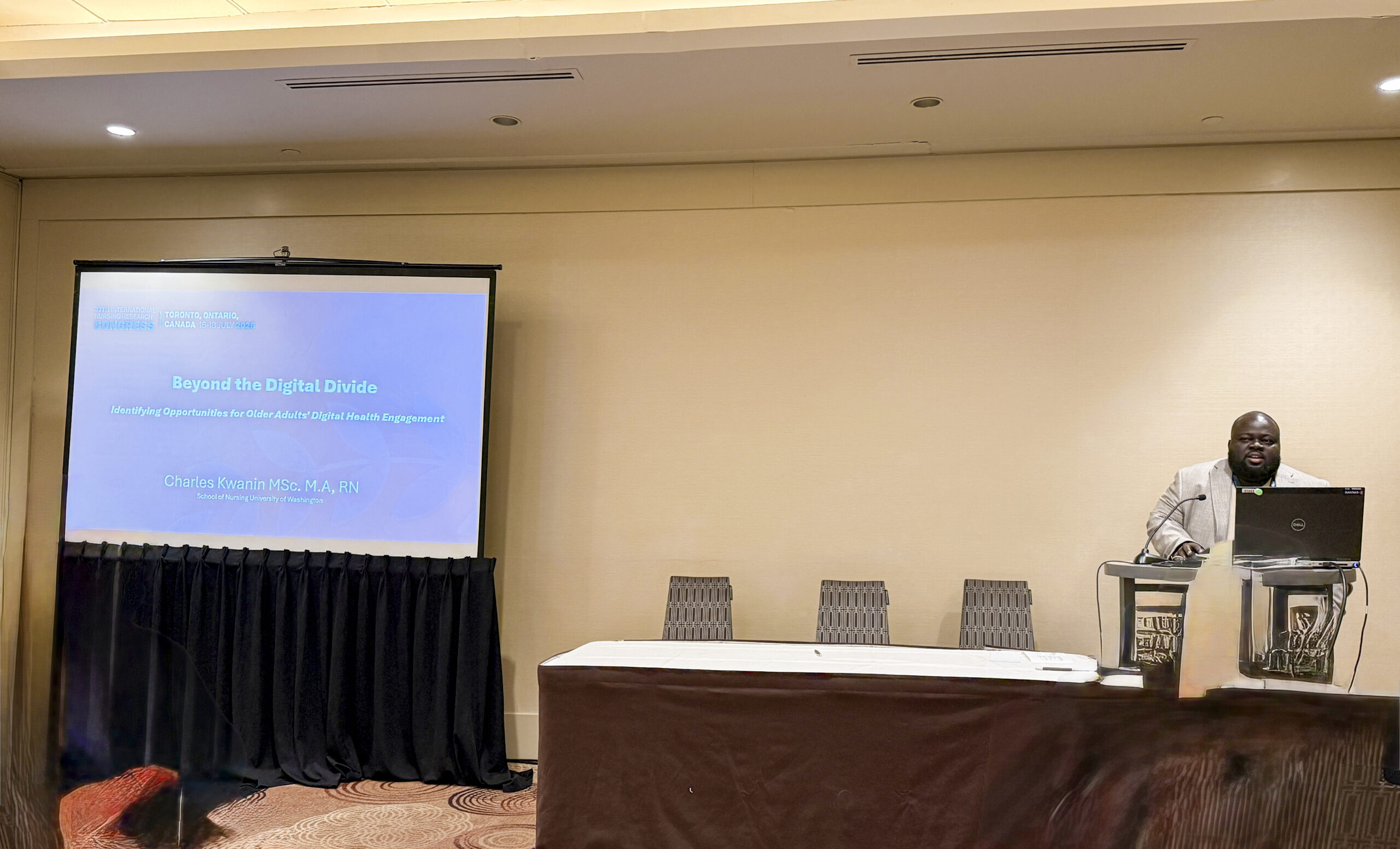
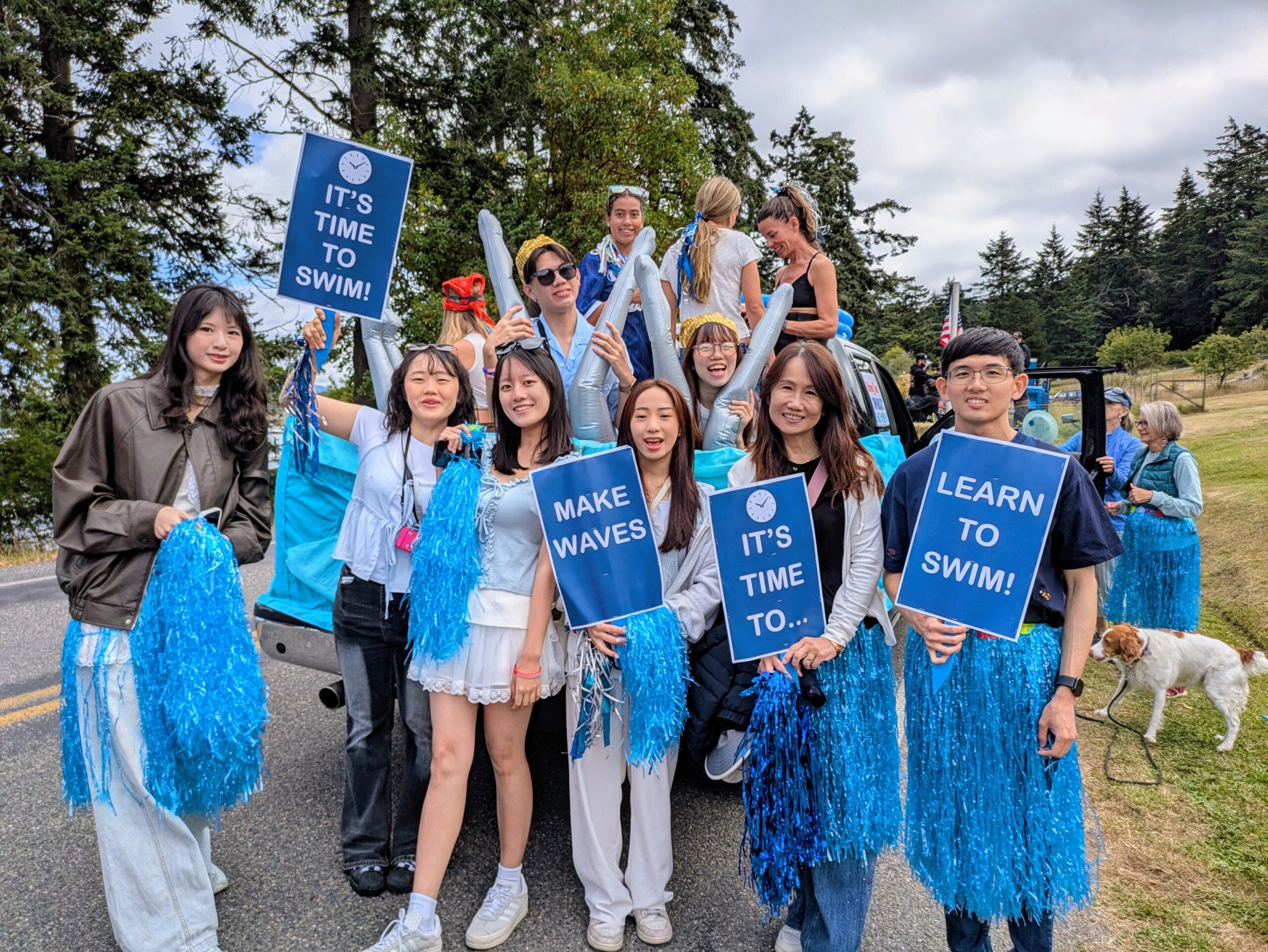
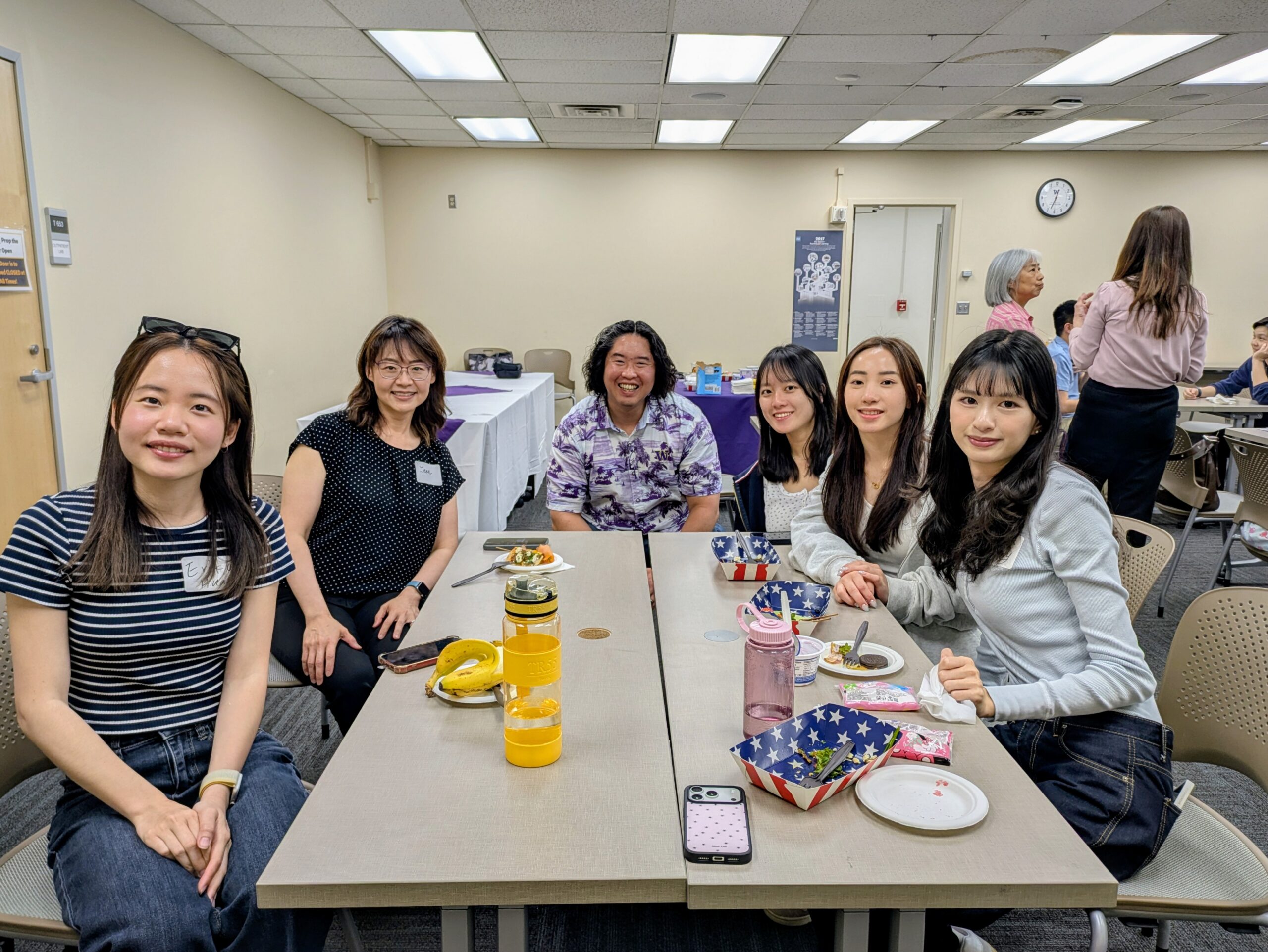
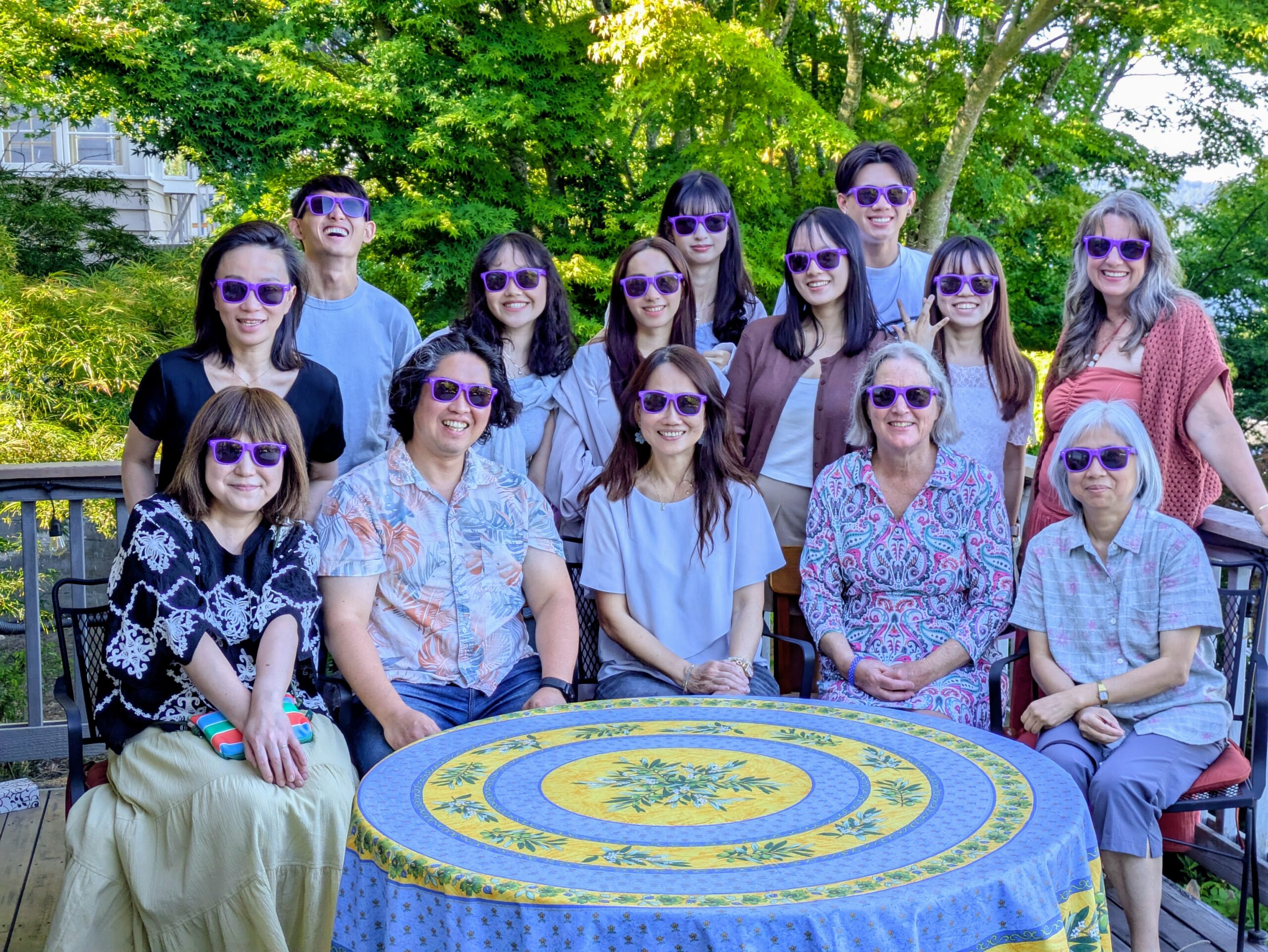
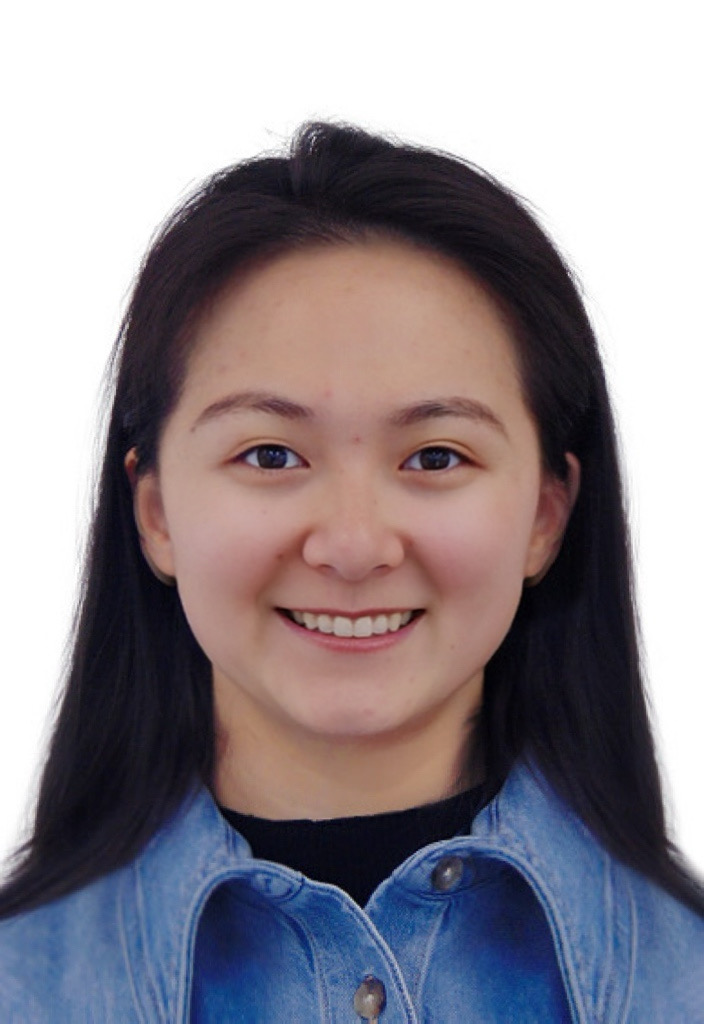
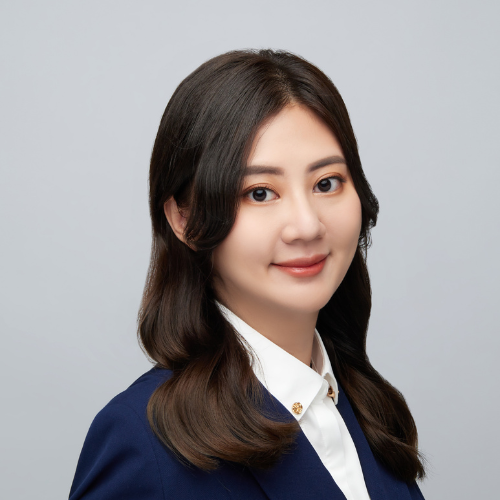
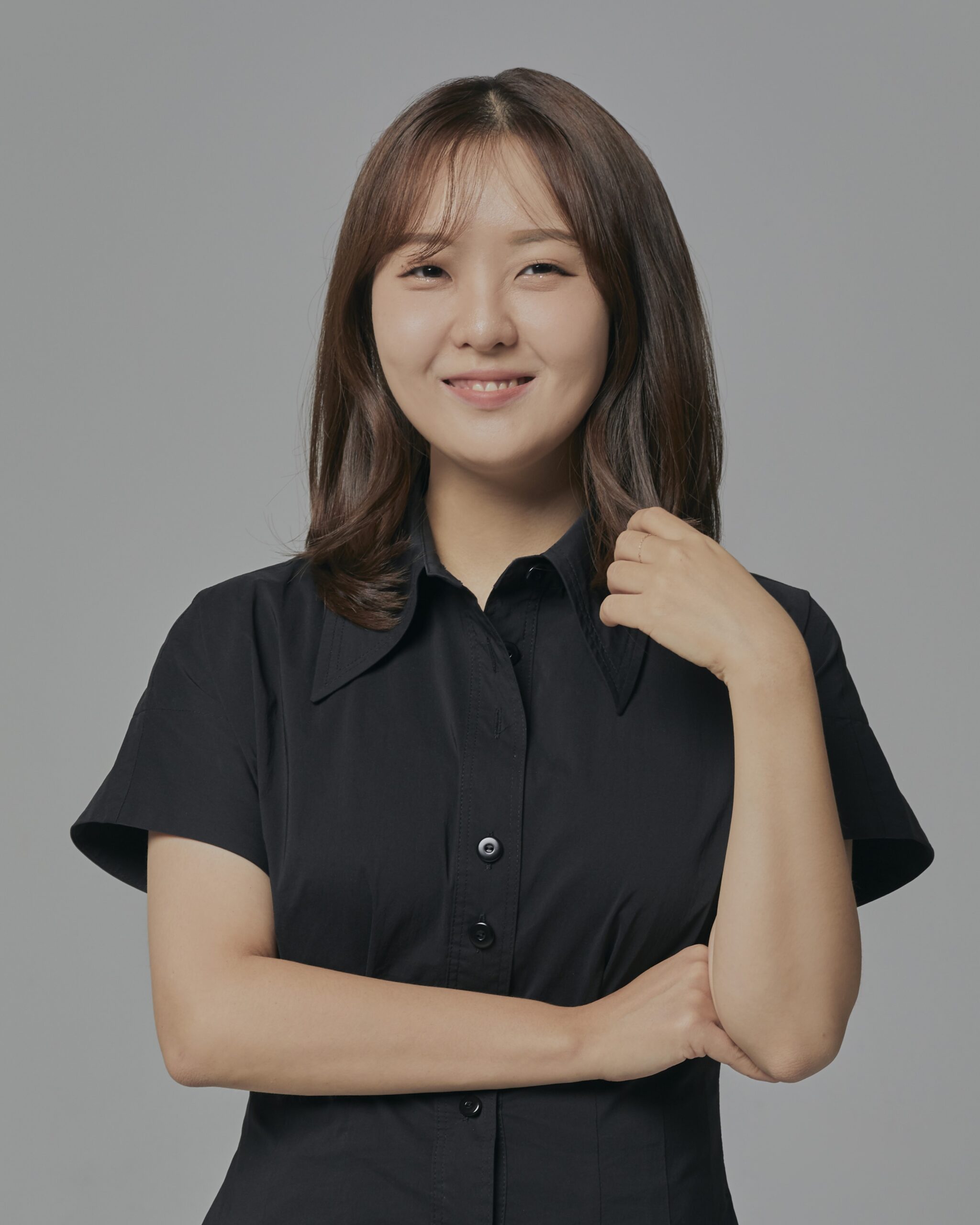
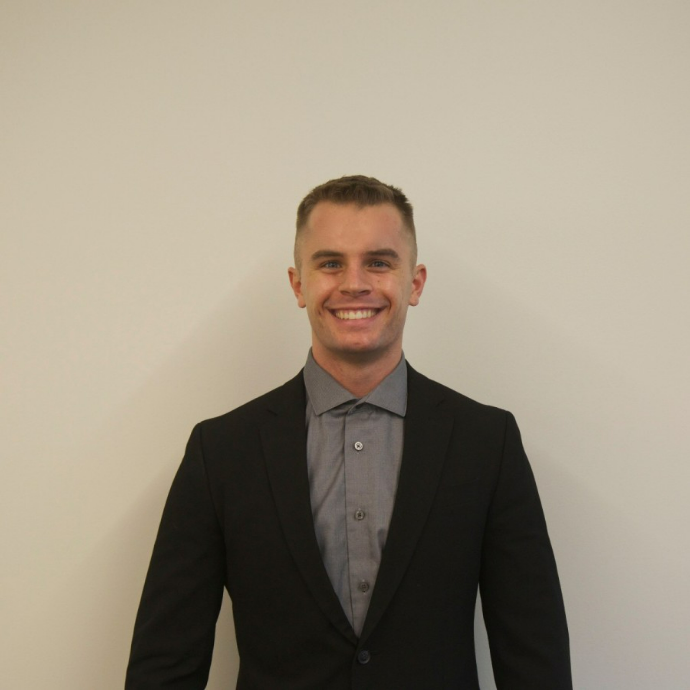
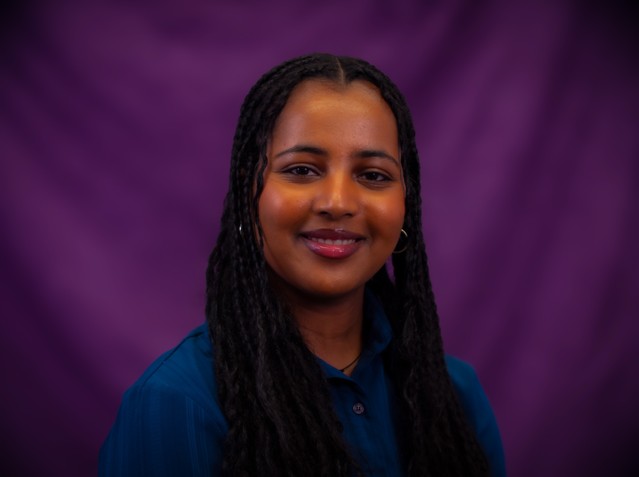

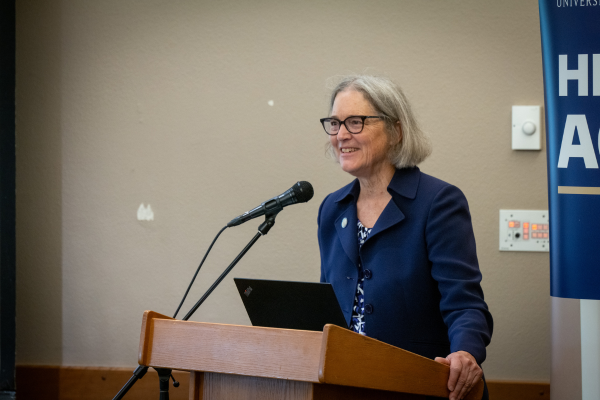


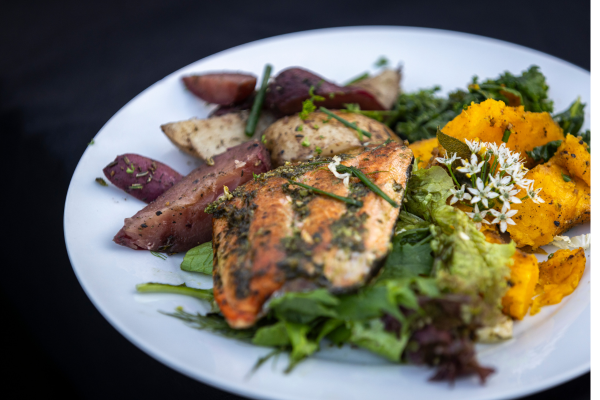

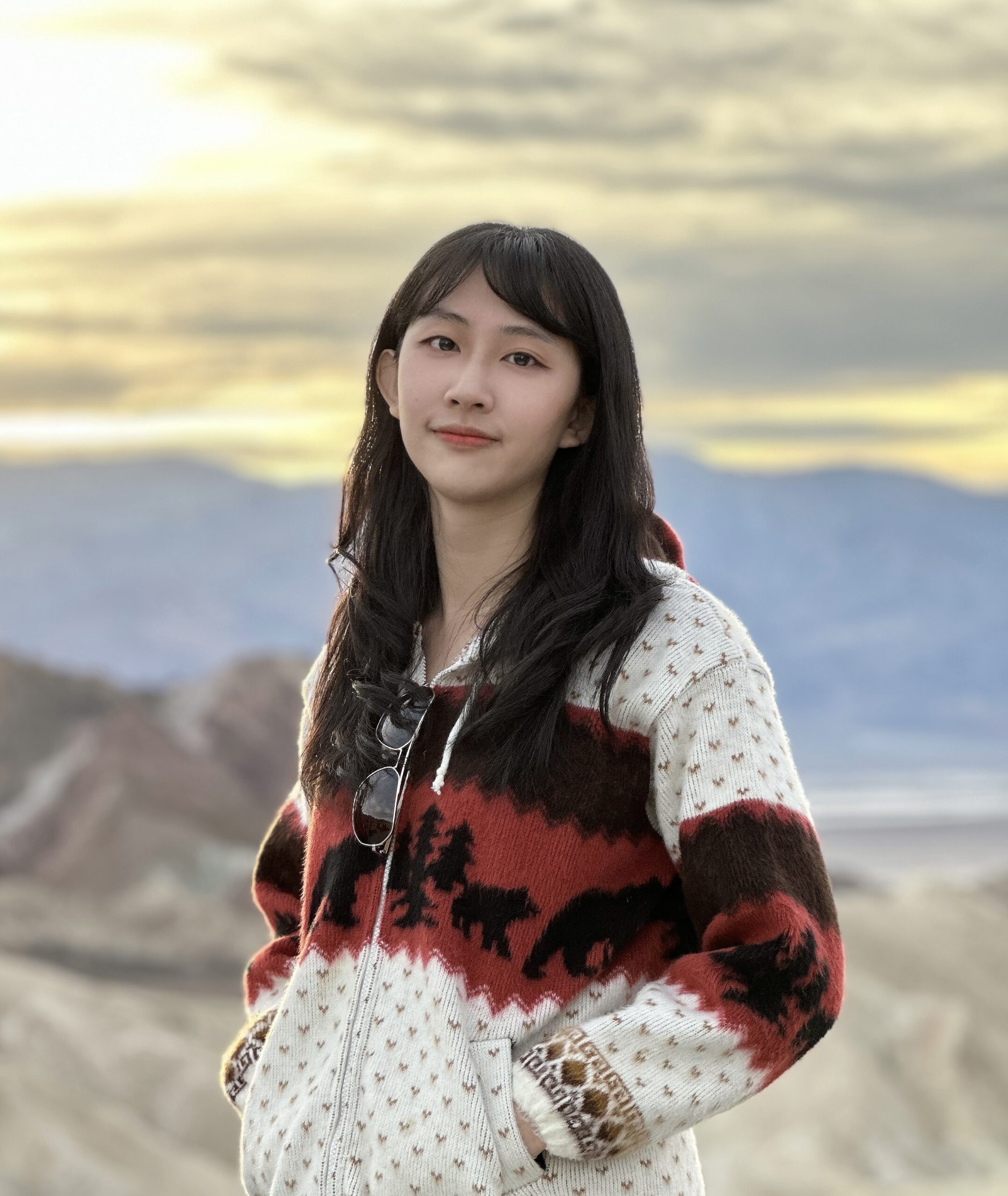
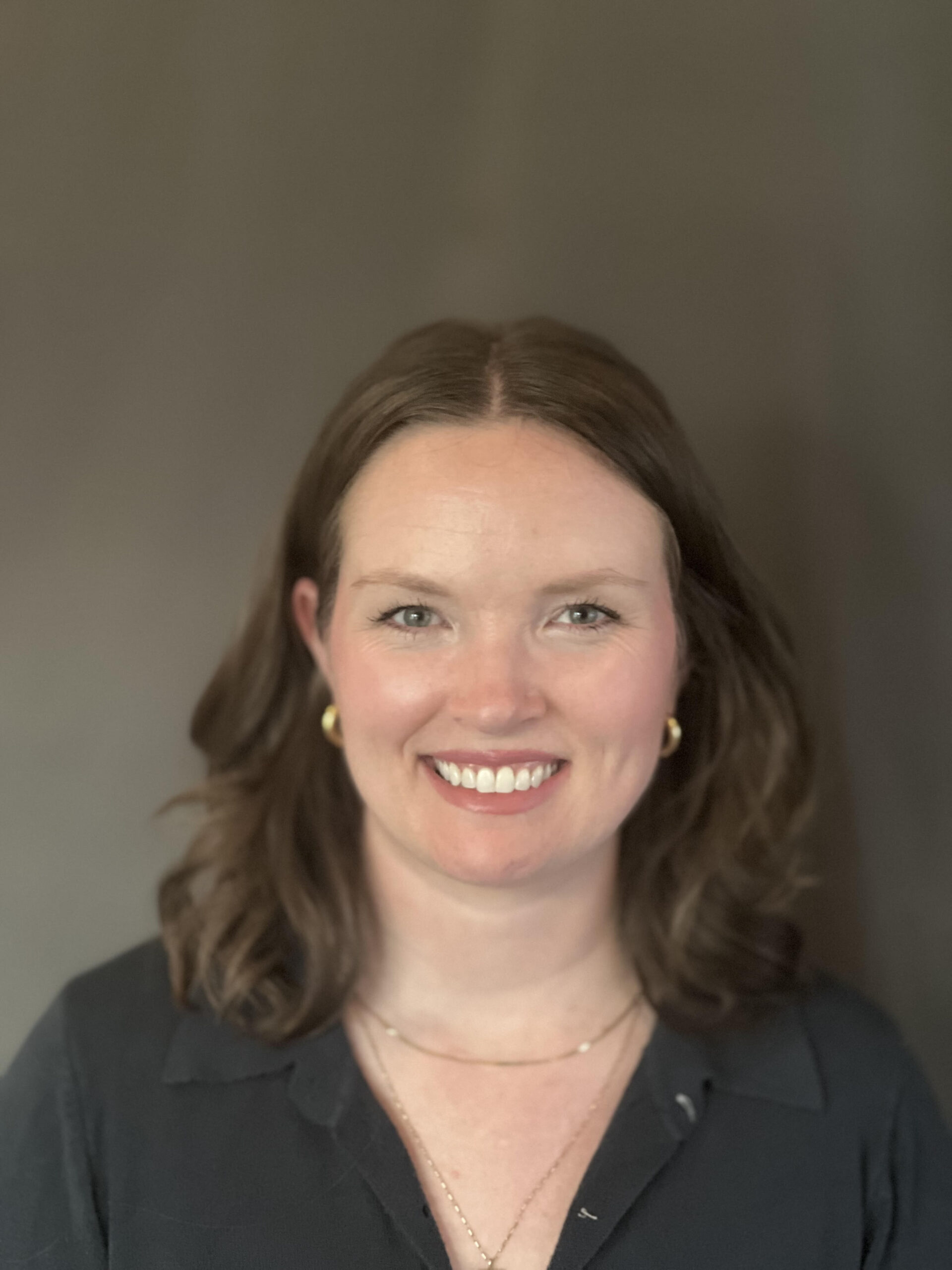
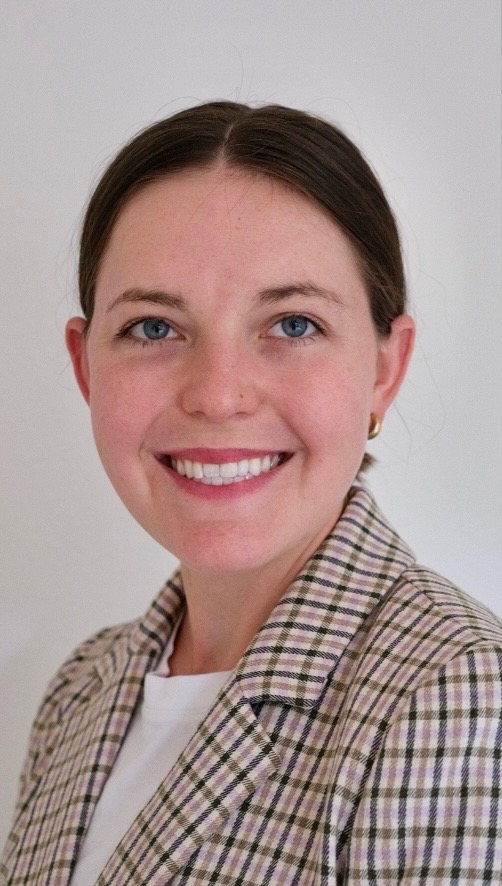
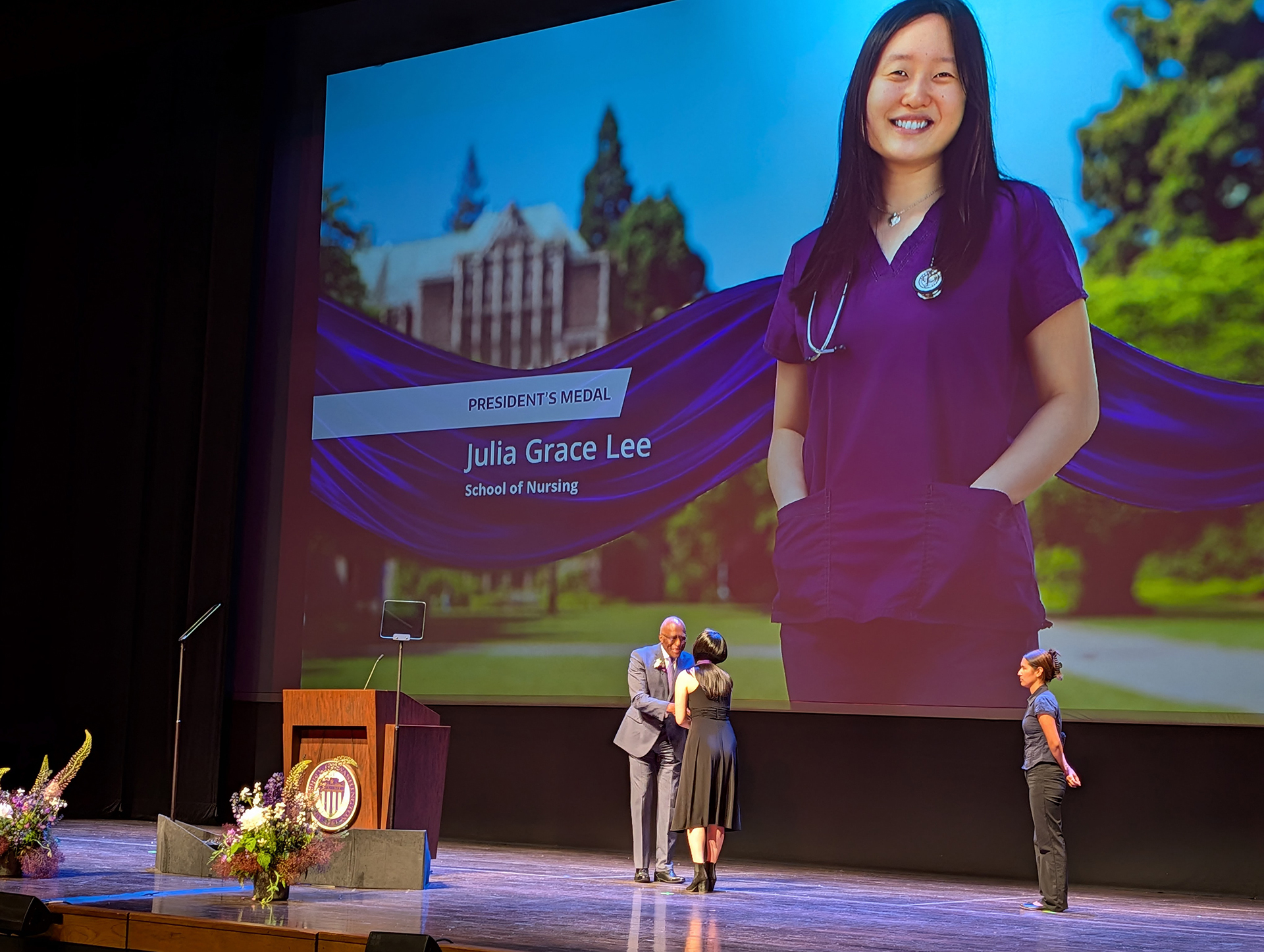
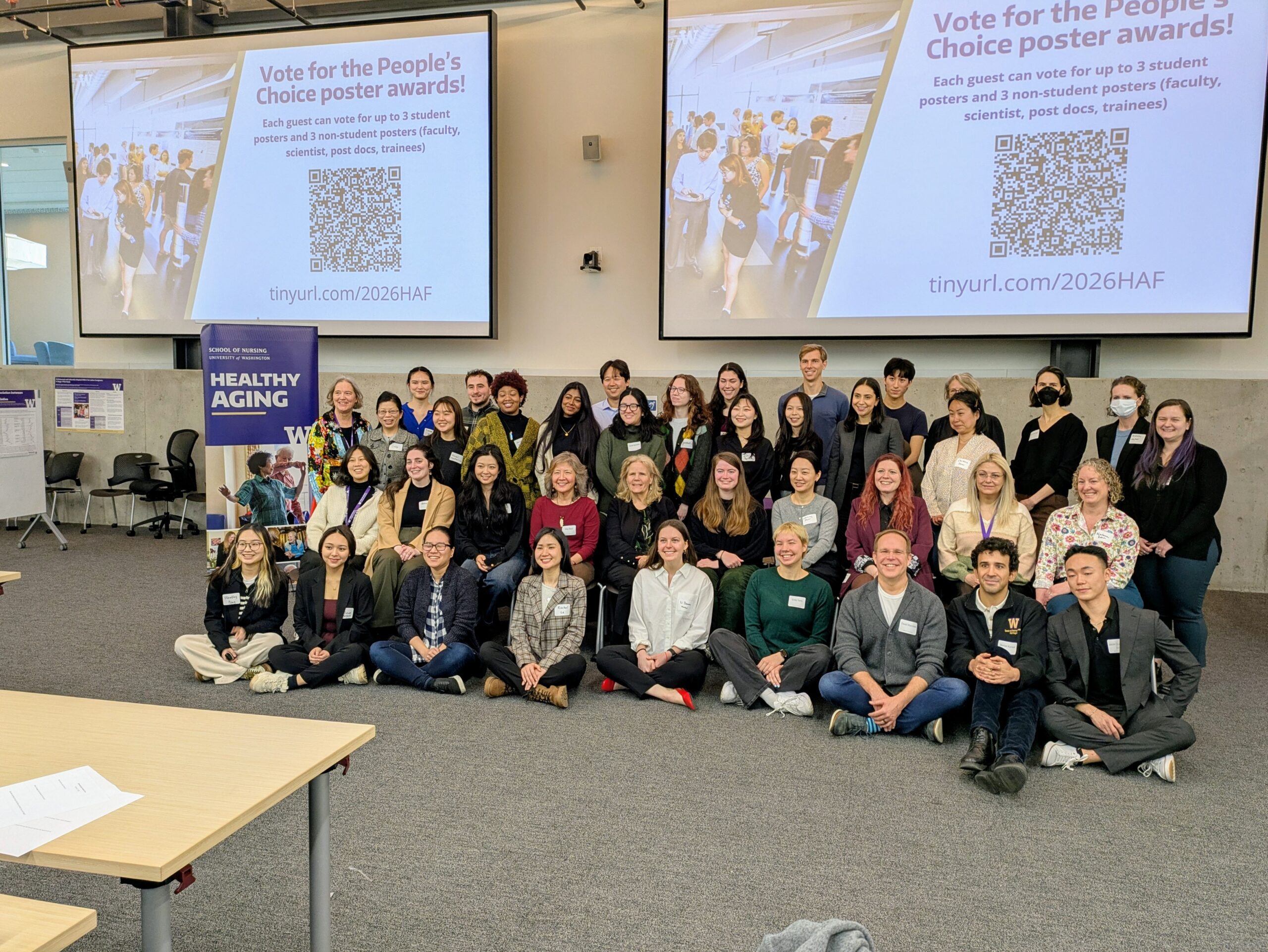
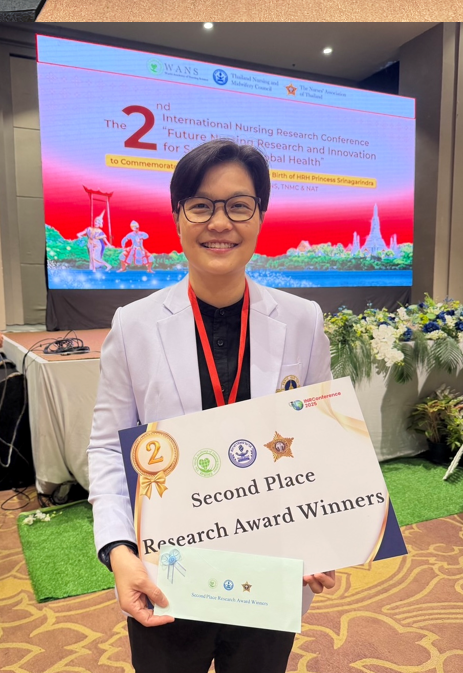



 About
About






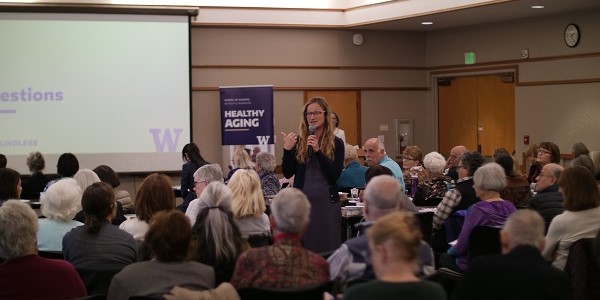
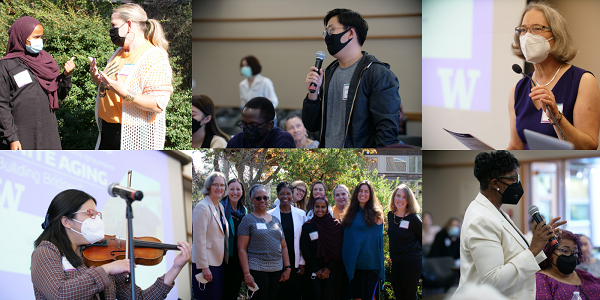

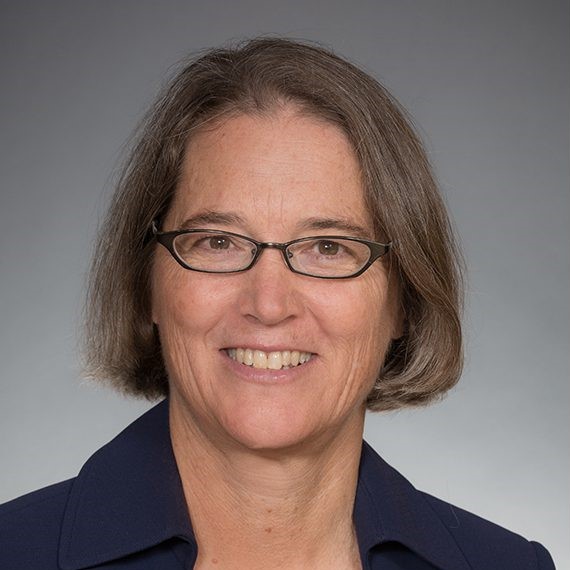
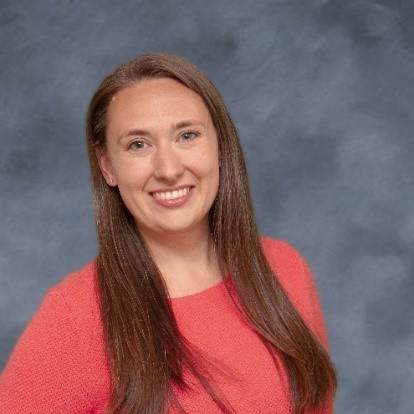

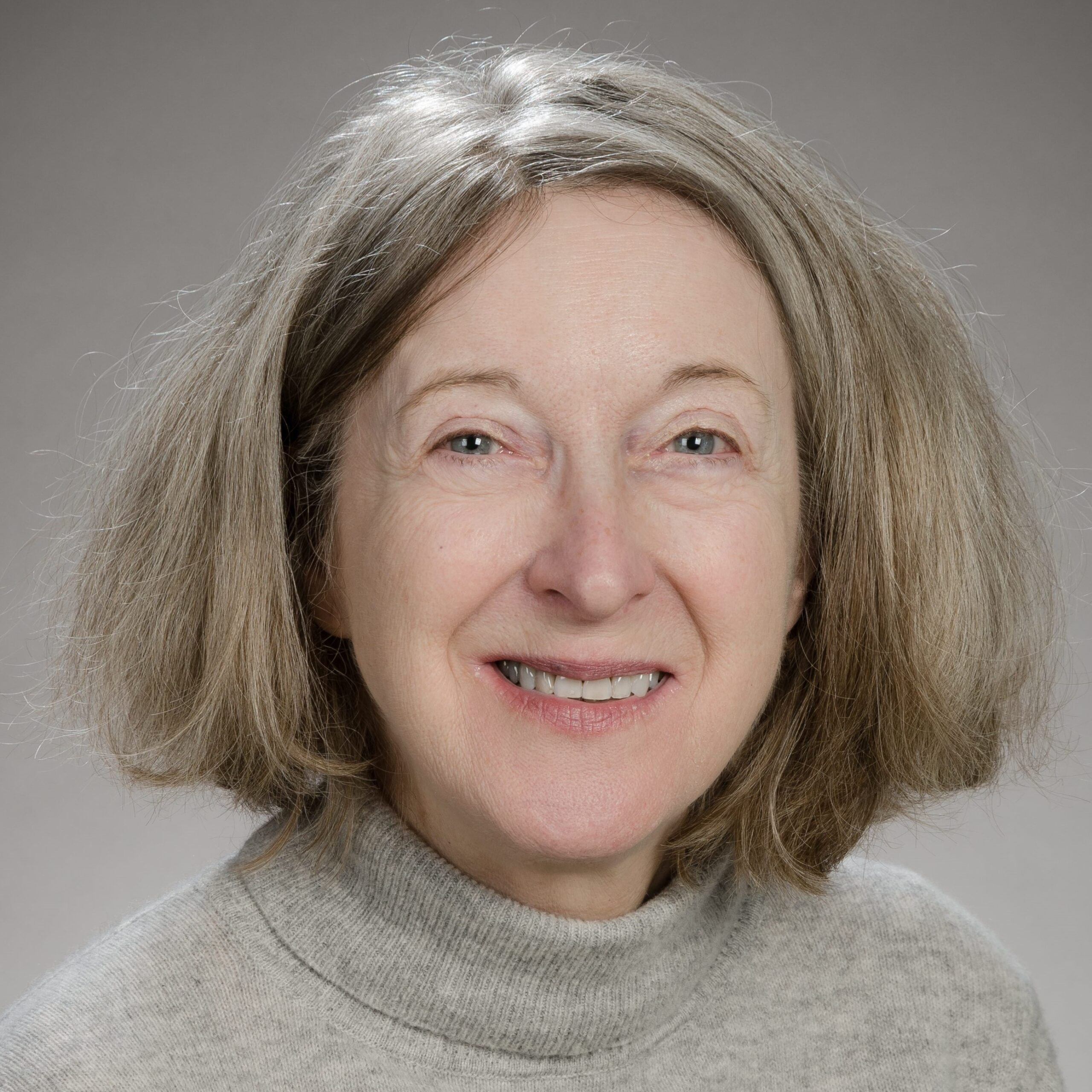
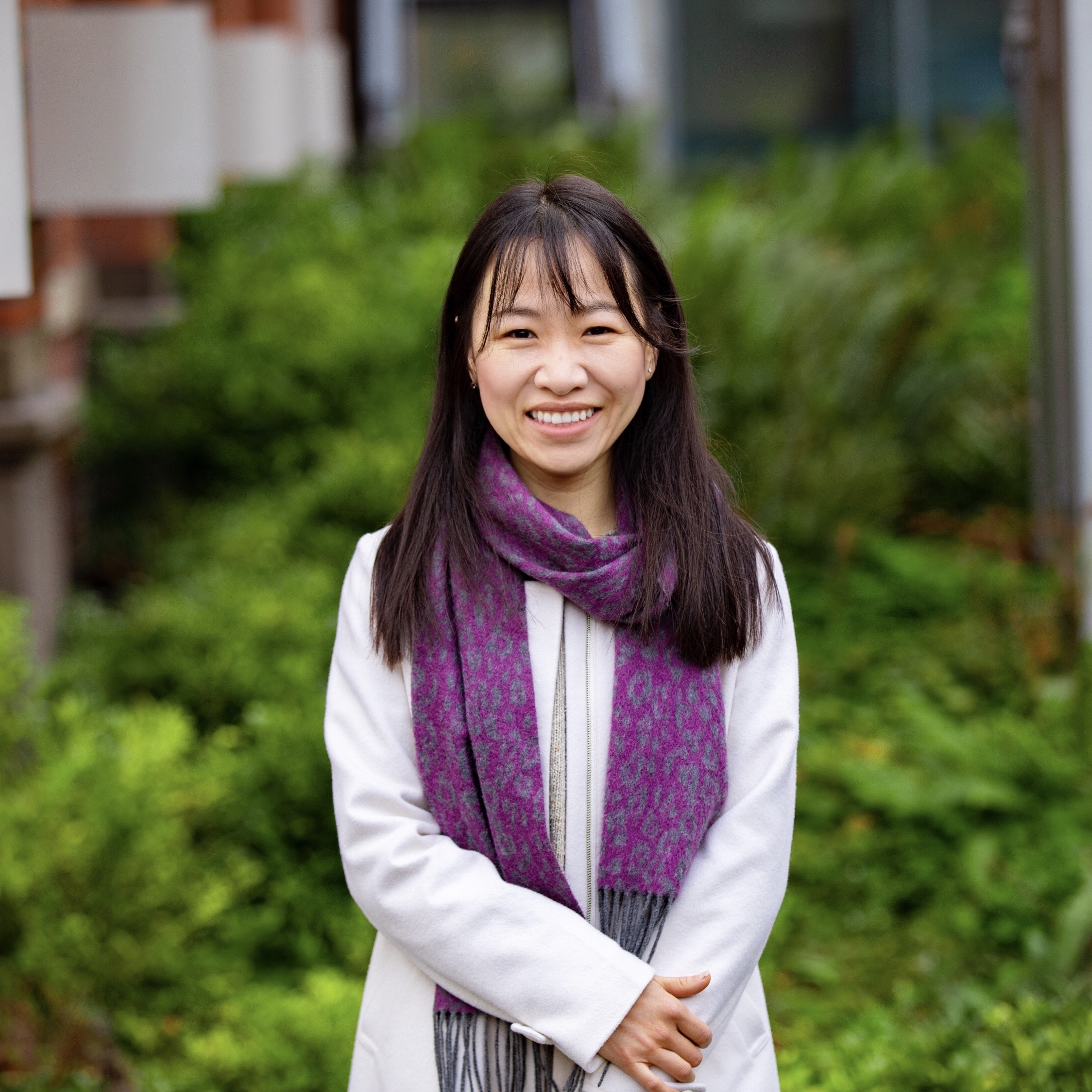
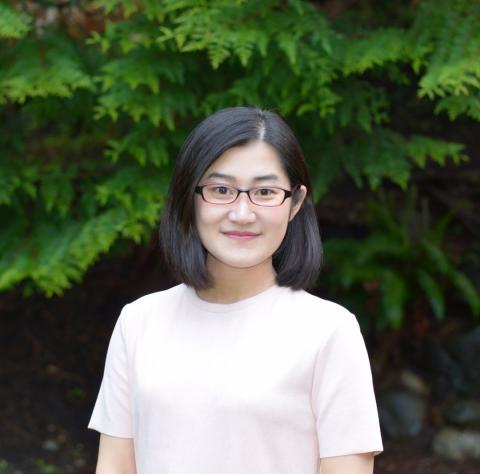
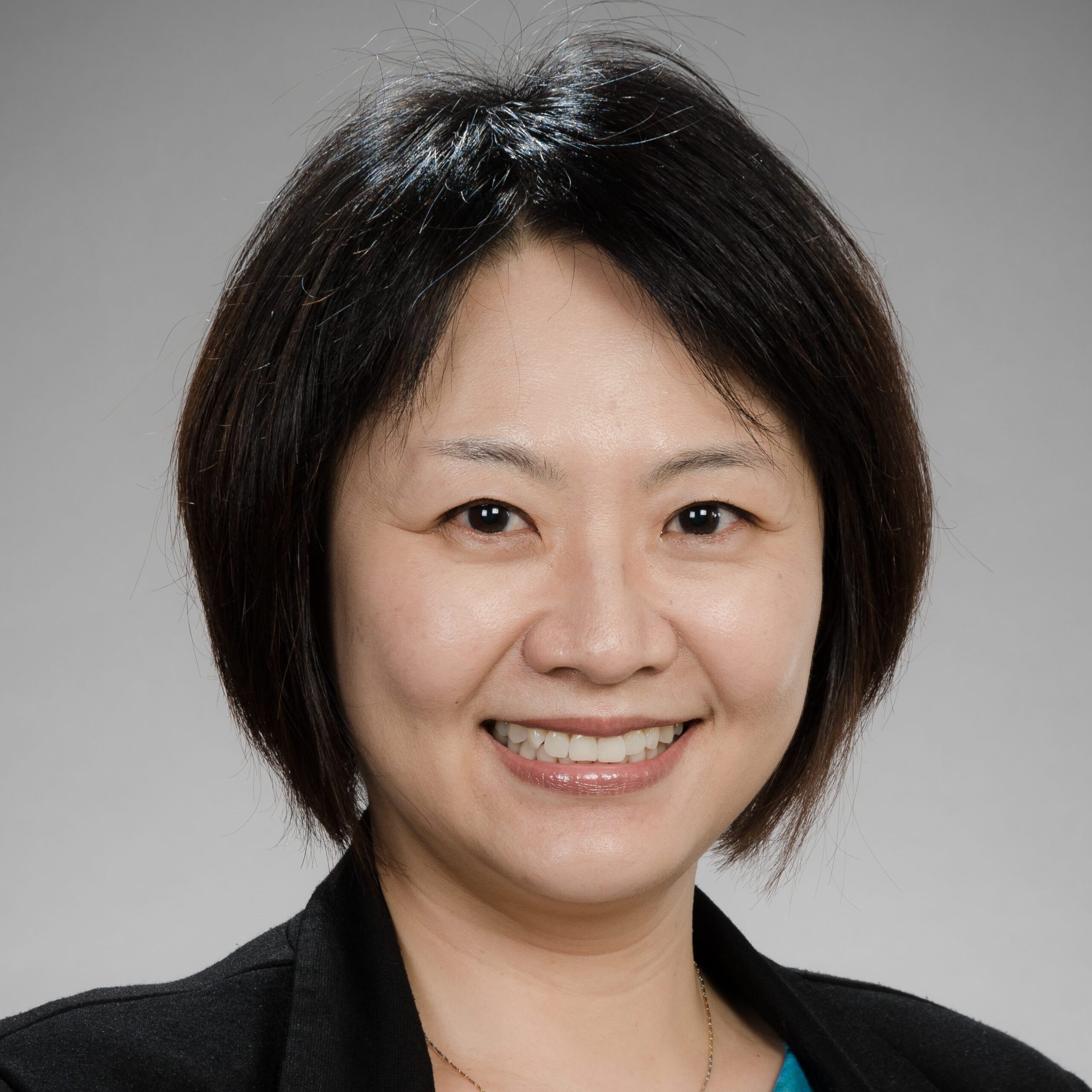


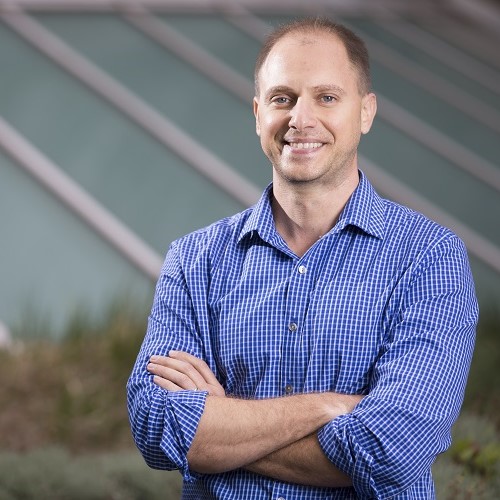
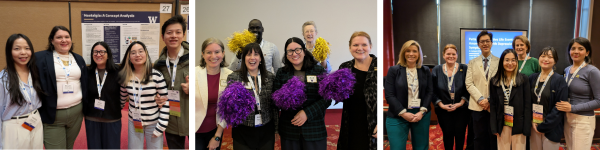
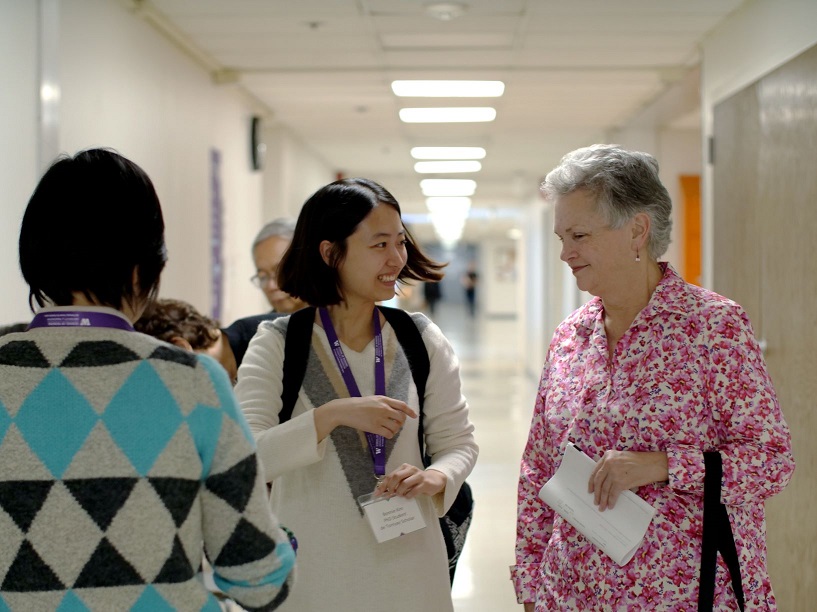 The de Tornyay Center for Healthy Aging is dedicated to supporting nursing students interested in healthy aging research. We are proud to offer scholarships to support undergraduate and graduate students completing healthy aging research and travel scholarships for graduate students to present their work at conferences. We also recognize completed aging projects and research by graduate students with our Pathways to Healthy Aging awards.