Skip to content

Research, Connection, and Reconnection at the Western Institute of Nursing (WIN) Annual Conference

Research, Connection, and Reconnection at the Western Institute of Nursing (WIN). Natalie Rejto, Postdoctoral Scholar – Fellow (UAW Postdoc).

I recently had the opportunity, as a second-year postdoctoral fellow at the University of Washington School of Nursing, to attend the Western Institute of Nursing (WIN) annual conference and present a poster on one of my research projects. My poster focused on applying a One Health lens to infection prevention and control among Washington state dairy workers. The project highlights how partnerships, collaboration and an integrated approach that considers human, animal and environmental health can strengthen infection prevention efforts in animal agricultural settings.

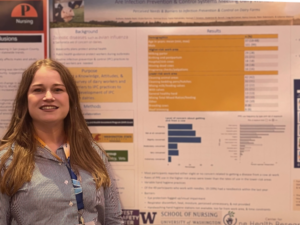
Natalie Rejto presenting a research poster at the Western Institute of Nursing conferenceMy primary goal in attending WIN was to share research grounded in community partnerships and a framework that recognizes the interconnectedness of human, animal and environmental health. I also looked forward to learning about others’ research, networking and innovations in nursing education. However, the most meaningful takeaway for me was the sense of connection, reconnection and community with nurses and nurse scientists from across the country.

WIN provided the opportunity to reconnect with colleagues I have worked with as a nurse, doctoral student and postdoctoral fellow, and to engage in rich scholarly conversations. These interactions strengthened existing relationships and led to new connections that expanded my professional network.

As I approach the end of my postdoctoral training, I am grateful for this enriching experience and already looking forward to attending the WIN conference in Bellevue, Washington, in 2027.

Feeling to Heal: Mindful Awareness Training Shows Outcomes for Addiction, Pain, Trauma Recovery

Video credit: Duke Clinical Research Institute Communications

In a healthcare system that often separates mind from body, a recent research study from the University of Washington School of Nursing illuminates evidence of what many have known intuitively for thousands of years—that reconnecting the mind-body divide is crucial for those struggling with addiction and chronic pain. More promising still, training practitioners and patients in this life-altering therapy is not only possible in a clinical setting but scalable and complementary to the care that nurses already provide in a complex system where new interventions often face barriers to implementation.

University of Washington School of Nursing researchers have completed a multisite study demonstrating significant benefits of Mindful Awareness in Body-oriented Therapy (MABT) for individuals with substance use disorders, chronic pain and trauma histories. The research, led by Dr. Cynthia Price, shows how a simple but powerful approach of teaching people to tune into their bodies can have transformative effects on well-being.

“The research is asking whether providing people with more skills to pay attention to how they’re feeling inside is helpful for overall well-being,” explained Dr. Price, the study’s principal investigator. “We’re giving people more capacity for what is called interoceptive awareness—or awareness of internal physical and related emotional sensations through this training by teaching people how to bring mindful attention inside their bodies to know how they’re feeling.”

The multi-year study, which included sites in Seattle, Port Angeles and Bellingham, worked with diverse participants receiving medication for opioid use disorder (MOUD) treatment. The research revealed significant improvements in pain management, reduction in PTSD symptoms and enhanced emotional regulation. Notably, 57% of participants reported chronic pain issues, and data showed participants continued using the learned skills nine months after completing the intervention.

“This type of work helps people engage with understanding their own personal emotional relationship to their addiction and recovery needs,” Dr. Price noted. “The MABT approach addresses a gap in services, as somatic awareness is not typically included in psychotherapy, and standard mindfulness approaches don’t teach these specific skills.”

One study participant from the mental health clinic at Harborview shared their experience from the training: “I learned how to turn my awareness inward and to be open to noticing what my body wants to tell and/or show me. I learned not only how to do this, but also the importance of implementing it in my daily life. I learned that I, my body is worthy of my attention.”

The MABT approach is particularly valuable for individuals with trauma and chronic pain histories, as they often develop coping mechanisms that involve disconnection from bodily sensations. “In the long run, this disconnection is problematic for folks,” Price explained.

With more somatic awareness, including more awareness of the links between physical and emotional sensations, people can better engage in symptom management and feel more agency to promote well-being for themselves and in their relations with others.

Cynthia PriceUW School of Nursing

The research has significant implications for healthcare implementation, particularly for nursing professionals. Dr. Price is currently exploring how this approach can be more broadly integrated into clinical care. “In hospital settings, nurses can bill for these kinds of services in a way that they can’t when they’re not [provided by] a nurse,” she explained, highlighting practical pathways for bringing MABT into mainstream healthcare.

The study was part of the National Institutes of Health HEAL (Helping to End Addiction Long-term) Initiative, which is working to address the opioid epidemic. The NIH HEAL Initiative supports HEAL Connections, which created accessible resources to translate this research into practical tools for clinicians, patients and other stakeholders. The MABT Study Partner Toolkit is available to the public.

Dr. Price emphasized that the mindful awareness and body-oriented therapy training is firmly grounded in neuroscience. “Interoceptive processing is impaired with people experiencing chronic pain and mental health disorders. We know from neuroscience research that sensory processing is important for regulation—it’s how our [nervous] system knows how to regulate.”

With its proven effectiveness across diverse populations and growing recognition of its scientific validity, MABT represents a promising complement to existing treatments for substance use disorders, chronic pain and trauma recovery. It is also a helpful approach for everyone, regardless of health history, to facilitate awareness and an embodied sense of self: “We all can use more skills to attend to our inner experience.”

Learn more

Want to know how you can support this important work? Contact UW School of Nursing Advancement.

Interested in learning more or using mindful body awareness in your practice or personal life?

Research findings

Read Immediate Effects of Mindful Awareness in Body-Oriented Therapy as an Adjunct to Medication for Opioid Use Disorder.

Recommended reading

Training and other resources

For healthcare professionals interested in MABT, explore training programs from the Center for Mindful Body Awareness.

Explore events and classes from the UW Center for Child and Family Well-Being.

Adventures in Science: Winter 2025 Edition

Allison Webel, PhD, RN, FAAN, Associate Dean for Research and Innovation

“Science knows no country, because knowledge belongs to humanity, and is the torch which illuminates the world.” — Louis Pasteur

All around the country, and indeed the world, universities are stopping research-related travel that is charged to their operating budgets. Maslow’s hierarchy, history and common sense indicate that this is both wise and fitting. Yet, the scientific process—observation, experimentation, analysis, reason and dissemination—is the only method by which humankind can learn truth; universal truths that help propel progress forward. As we have previously shared, the ability of UW School of Nursing scientists to disseminate and deliberate their research broadly is critical for sharing, improving and reaping the benefits of the knowledge created by our community. We are fortunate and grateful to have philanthropically supported gifts to support our community in this quest for scientific progress. This week, two of our community members who received ONR&I travel funding to exchange their research with the global community share the impact of their awards.

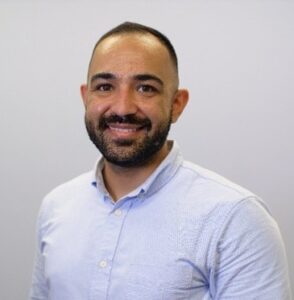
Omeid Heidari
Omeid Heidari, PhD, MPH, ANP-C

Substance use and addiction continue to be leading concerns for Washingtonians, but Assistant Professor Omeid Heidari is determined to develop compassionate, effective and pragmatic nurse-led interventions to reduce overdoses in our community. In October 2024, he utilized ONR&I travel funds to attend the Addiction Health Services Research Conference, a pivotal event that helped advance his scientific endeavors. At the conference, Dr. Heidari presented groundbreaking findings on overdose risk environments, fostering invaluable connections with colleagues and collaborators nationwide. Additionally, he had the opportunity to meet in person with the CHERISH Mentee group, a national cohort of addiction health services researchers to which he belongs. This experience underscored the importance of health services and policy researchers engaging with policymakers at all levels—local, state and federal. In a video reflection on his conference experience, Omeid encourages all members of the UW School of Nursing community to persist in advocating with robust evidence and compelling patient-centered narratives to highlight the critical work they perform.

International Conference on Frailty and Sarcopenia Research 2025

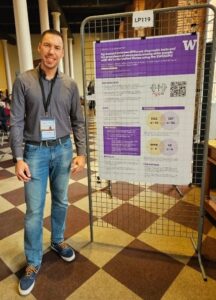
Healthy aging is crucial for maintaining quality of life as we grow older. Assistant Professor Vitor Oliveira was able to leverage ONR&I travel funds to attend the 15th International Conference on Frailty and Sarcopenia Research in Toulouse, France, from March 12–14, 2025. This event was a fantastic chance for Dr. Oliveira to meet leading researchers from around the world who study muscle loss, frailty and healthy aging. He learned about exciting new studies that track thousands of people over decades to better understand how we age.

Vitor Oliveira standing next to his research poster
Vitor Oliveira, PhD, standing next to his poster presentation

Dr. Oliveira wants the UW School of Nursing community to know we are currently in the United Nations Decade of Healthy Ageing (2021–2030). This catalytic global initiative aims to improve the lives of older adults, their families and their communities. Everyone—from governments to private companies and even the media—is encouraged to work together to achieve these goals. He highlights that while researchers are still studying medications for muscle loss and frailty, staying active and eating well are the best ways to prevent and treat these conditions. For more details on Dr. Oliveira’s research, read his recent editorial, “The Importance of a Healthy Lifestyle in the Prevention and Treatment of Sarcopenia and Frailty,” in the Journal of Gerontological Nursing.

Universities, and their research enterprises, are at a crossroads right now, and to many the future of that enterprise feels uncertain. But what is certain is that our shared curiosity, and our drive to improve the world around us using the tools and discipline of science, have outlasted economic downturns, political upheaval, plagues and pandemics and wide-scale institutional change. For millennia, our noble and natural desire to learn and understand ourselves and the world around us—and to share that knowledge across geopolitical borders—has withstood forces unimaginable to most of us today. That quest, and the knowledge we have gained along the way, has helped us to become among the longest-living and healthiest people in human history. Whether their scientific journey takes them to Whatcom, Walla Walla, Wenatchee, Baltimore or Toulouse, we in the Office for Nursing Research & Innovation will continue to support our investigators in their inquiry into improving human health.

— Allison R. Webel, PhD, RN, FAAN

Understanding Service Agreements

Understanding Service Agreements by Jessie Rehms

Many of you have been asking about ways to diversify your research and innovation portfolios. Service agreements can be wonderful mechanisms for supporting much of the scholarly work at the UW School of Nursing. A service agreement at the University of Washington is a formal contract where faculty or university resources provide specific, well-defined services to an outside entity. Unlike traditional sponsored programs, such as grants, which aim to generate new knowledge and contribute to academic scholarship and/or create intellectual property, service agreements are focused on delivering practical outcomes, typically in response to the needs and specifications of the requesting party. Learn more about the distinction between sponsored programs and services.

In the context of service agreements, the faculty member’s role is often to perform tasks such as data analysis, report generation, technical consulting or other specialized services. These services are provided without the expectation of creating generalizable knowledge or publishing findings. Instead, the deliverable might be a final report containing factual data, testing results or professional assessments tailored specifically for the external entity’s use.

Faculty should note that when external partners request reports or services requiring faculty expertise, it is essential to distinguish whether the activity constitutes a service agreement or falls under the scope of a sponsored program. Understanding this distinction ensures that projects are categorized correctly, enabling UW to meet compliance requirements and deliver impactful services to external partners.

Within the School of Nursing, service agreements are generally routed through the Impact Office, while sponsored programs are routed through the Office of Sponsored Programs (OSP). If you are unsure how to categorize an incoming project, please contact the Impact Office at son-impact@uw.edu.

Healthy Aging Jeopardy with PhD Students

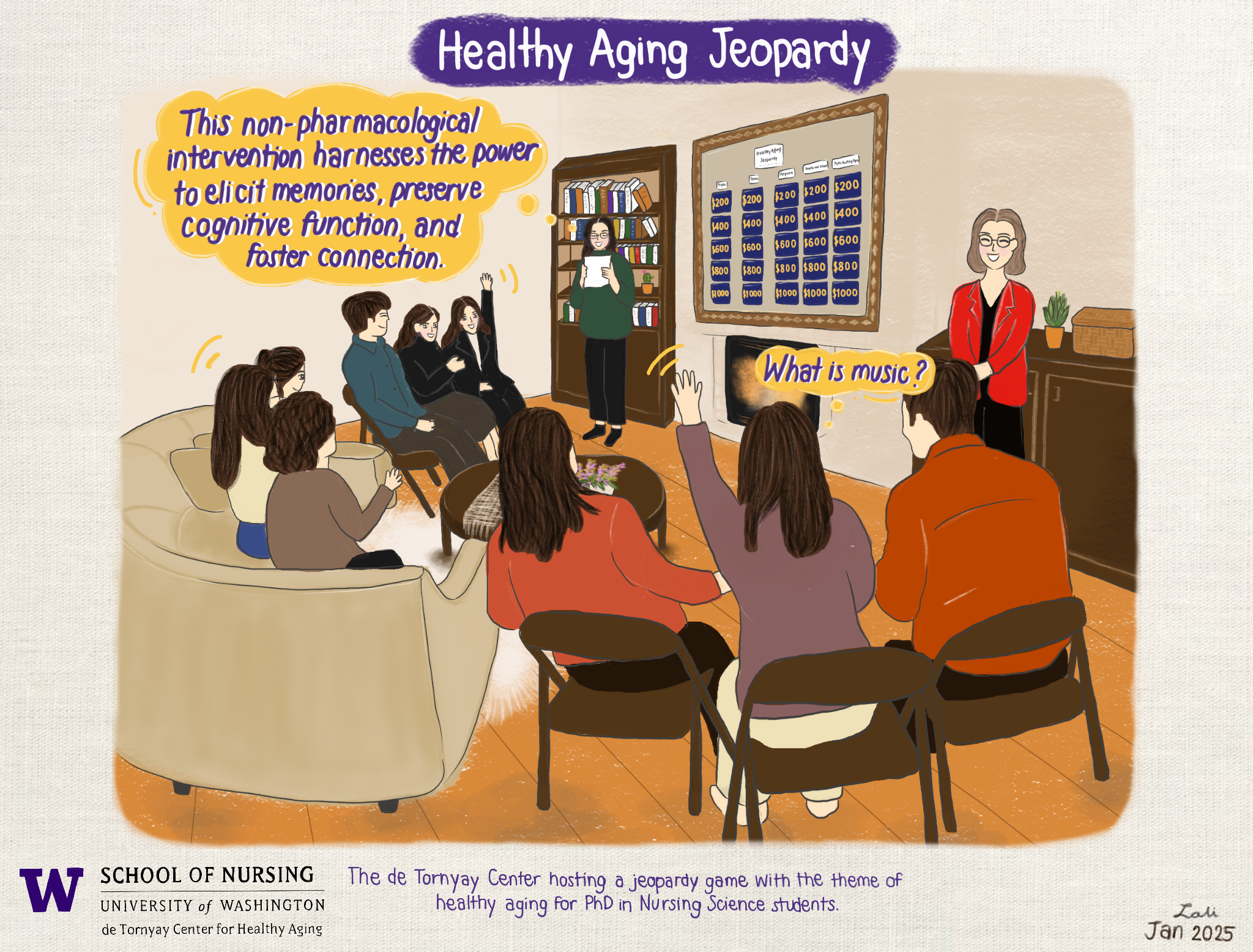
The de Tornyay Center for Healthy Aging was happy to host PhD in Nursing Science students for a gathering to discuss healthy aging and play Healthy Aging Jeopardy! de Tornyay Center illustrator and PhD student Lalipat Phianhasin captured the event in the illustration below.

Illustration of PhD in Nursing Science students playing Healthy Aging Jeopardy at the de Tornyay Center

Governor Inslee appoints Keondra Rustan to UW Board of Regents

Adapted from an Aug. 8, 2024, press release from the Office of Washington State Governor. Links added by UW School of Nursing staff.

Gov. Jay Inslee announced the appointment of Keondra Rustan as student regent on the University of Washington Board of Regents.

Keondra Rustan is a second-year doctoral candidate in the psychiatric mental health nurse practitioner program at the University of Washington School of Nursing. Her work focuses on how healthcare systems can be made more accessible to underserved populations, including those with trauma and substance use disorders.

Prior to enrolling in the DNP program at UW, Rustan had already obtained her PhD in nursing education and research and a master’s in nursing education. She was previously a practicing registered nurse with various hospitals in Virginia, California and the Pacific Northwest. With a specialty in cardiac medicine, critical care, trauma medicine and emergency medicine, Rustan has also worked as an adjunct and visiting professor of nursing.

From 2020 to 2022, she served as the assistant director of the simulation center at UW’s nursing school. As a member of the faculty, she was awarded the Excellence in Clinical Teaching Award and the Dr. C. June Strickland Distinguished Diversity & Transcultural Nursing Advocate Award.

In 2022, Keondra also won the Lois Spratlen Price Foundation Scholarship and was the keynote speaker for the 2023 Scholarship celebration. She helped transition simulation and skills training into an online environment and helped run COVID-19 vaccination training so that students and staff could vaccinate those who needed it.

“Keondra is a dedicated healthcare practitioner and an incredibly talented educator,” said Inslee. “I’m confident she’ll be an excellent nurse practitioner when she’s finished her studies. In the meantime, her integrity and commitment to excellence in both teaching and public service will be an asset to the Board of Regents.”

“It’s an honor to take on this role,” said Rustan. “The University of Washington has a powerful role to play in shaping the future of healthcare and public health across this state. I’m grateful for the opportunity to help ensure that future is one where more people have access to the care they need.”

Beyond campus, Keondra was actively involved in the community, serving as president of the Mary Mahoney Professional Nurses Organization and as a member of the National Council of Negro Women. She was also a member and presenter for the Society for Simulation in Healthcare, International Nursing Association for Clinical Simulation and Learning and the National League for Nursing.

The appointment was effective July 1, 2024.

de Tornyay Center at WIN

UW School of Nursing students supported by the de Tornyay Center presented their work at the 2024 Western Institute of Nursing (WIN) annual conference, held April 17–20:

  • Megumi Azekawa, PhD in Nursing Science student and travel scholar, was a co-presenter of the poster “Music as a Social Determinant of Health: Visual Mapping and Exploration.”
  • Priscilla Carmiol-Rodriguez, PhD in Nursing Science student and de Tornyay Center predoctoral scholar, presented the poster “Unhealthy Coping in Sleep-Deprived Individuals: A Concept Analysis” and was a co-author on the posters “Tracing the Footsteps of the de Tornyay Center Scholars” and “Empowering Equity: Building Anti-Racist Brave Spaces.”
  • Yanjing Liang, PhD in Nursing Science student and de Tornyay Center predoctoral scholar, presented the poster “Tracing the Footsteps of the de Tornyay Center Scholars.”
  • Zih-Ling Wang, PhD in Nursing Science student and travel scholar, was a co-presenter of the poster “Eating Experiences in People Living with Dementia: A Concept Analysis.”
  • Hongyu Yu, PhD in Nursing Science student and travel scholar, presented “Development and Validation of a Mobile Health Application Usability Scale for Older Adults with Chronic Diseases.”

PhD Pathways to Healthy Aging Award

Congratulations to this year’s two de Tornyay Center for Healthy Aging PhD Pathways to Healthy Aging awardees:

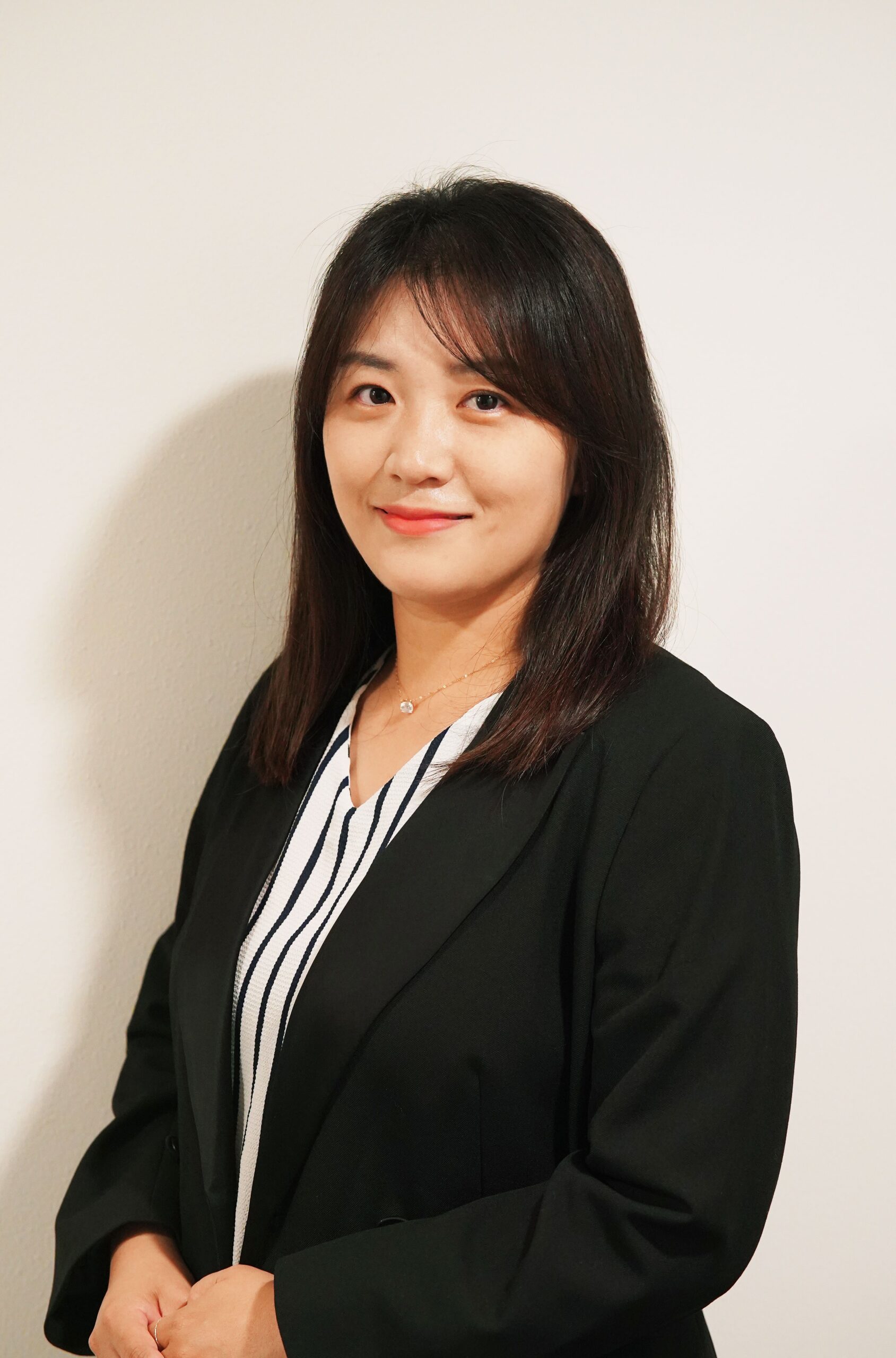
Wonkyung Jung

Wonkyung Jung

Project: Social Integration and Cognitive Function Following Geriatric Traumatic Brain Injury

Faculty mentor: Professor Hilaire Thompson

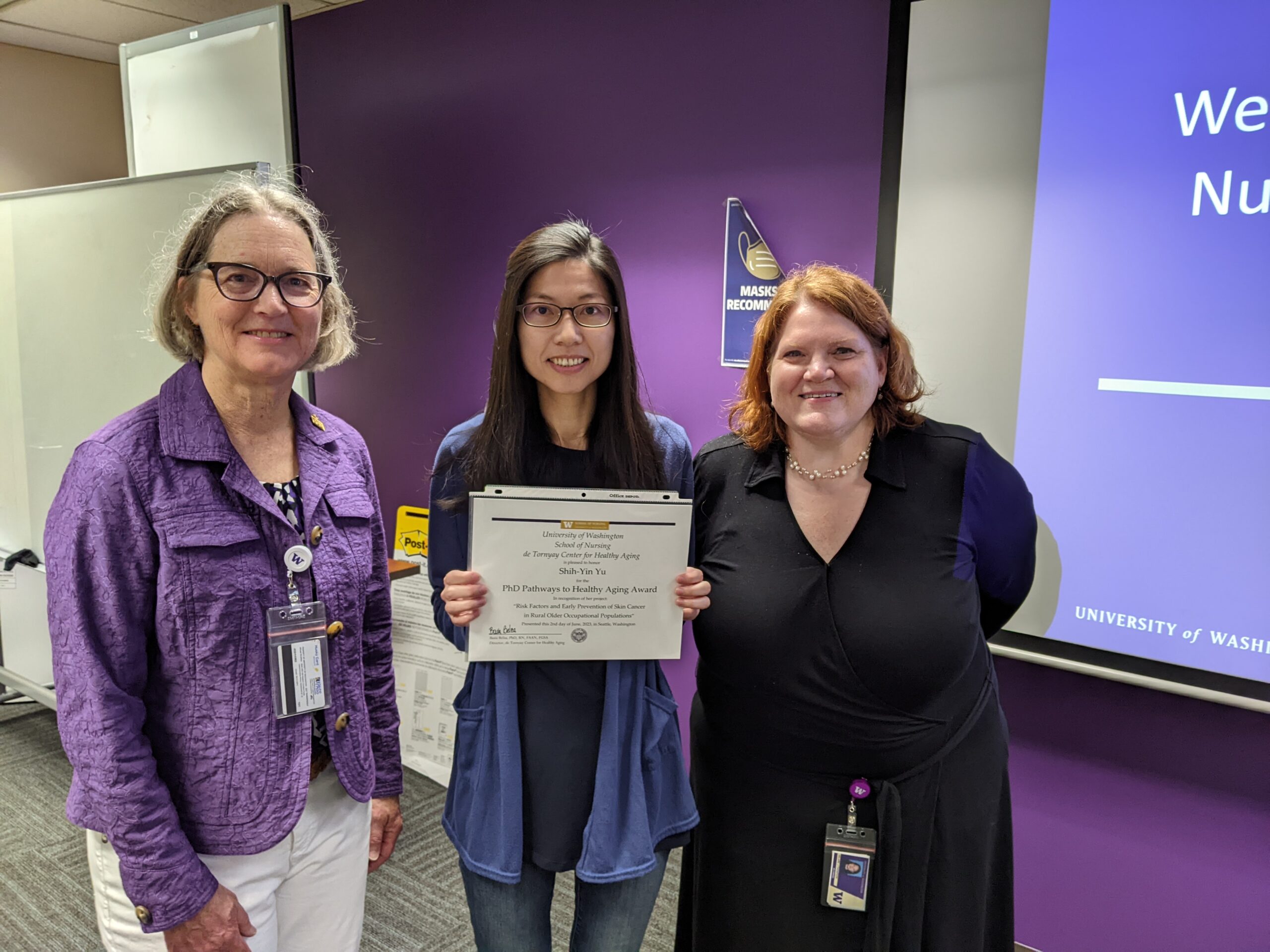
Basia Belza, Shih-Yin Yu and Hilaire Thompson
Shih-Yin Yu (center), with Drs. Basia Belza (left) and Hilaire Thompson (right)

Shih-Yin Yu

Project: Risk Factors and Early Prevention of Skin Cancer in Rural Older Occupational Populations

Faculty mentor: Professor Emeritus Barbara Cochrane

View Student Posters

Check out a few of the great posters created by students who received de Tornyay scholarships in 2022–2023 and presented their work at the de Tornyay Center for Healthy Aging’s 25th anniversary celebration. You can also explore a three-part timeline highlighting the life and legacy of Dr. Rheba de Tornyay.

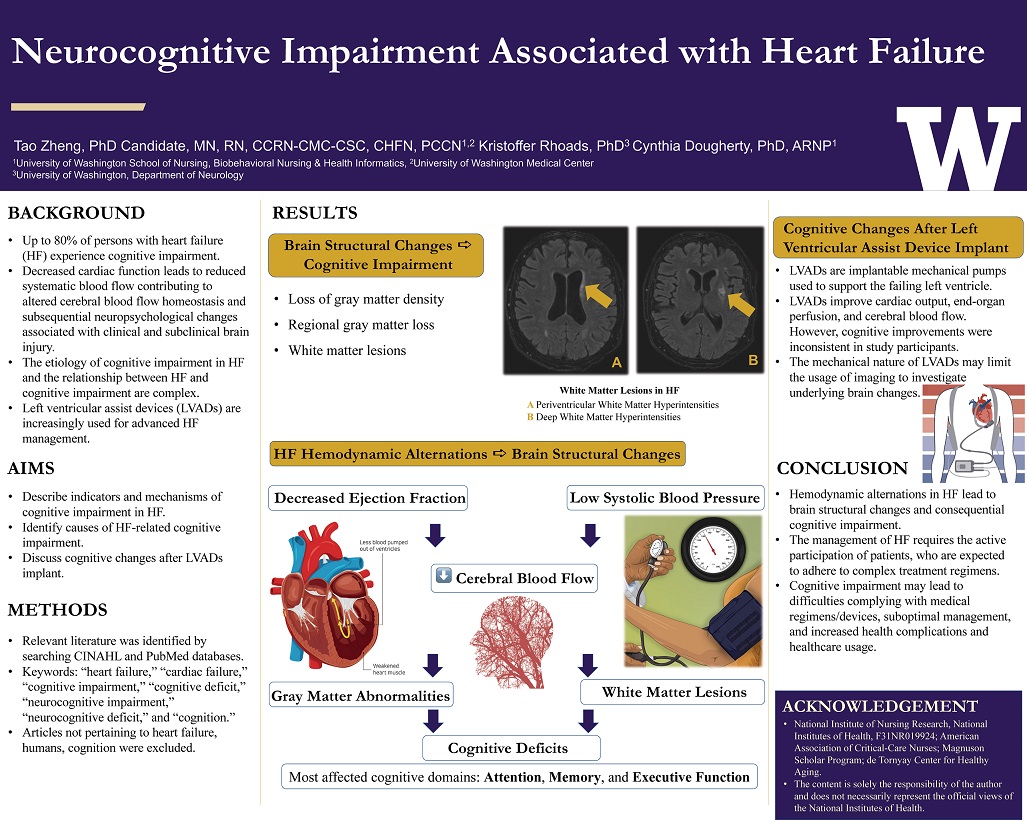
Tao Zheng research poster, Neurocognitive Impairment Associated with Heart Failure

View Zheng’s poster as a PDF.

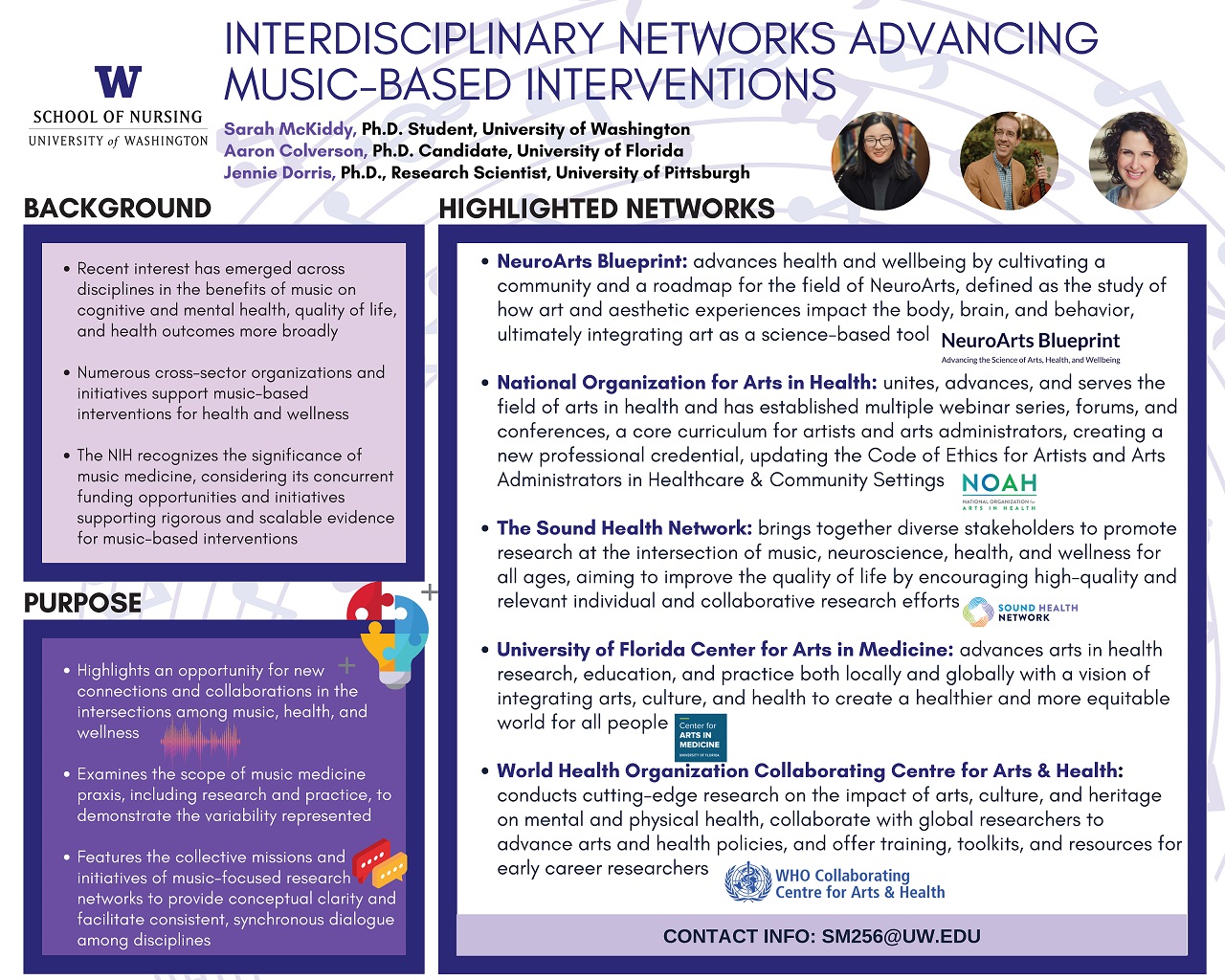
Sarah McKiddy research poster, Interdisciplinary Networks Advancing Music-Based Interventions

View McKiddy’s poster as a PDF.

Karl Cristie Figuracion research poster, Is Environmental Enrichment Neuroprotective?

View Figuracion’s poster as a PDF.

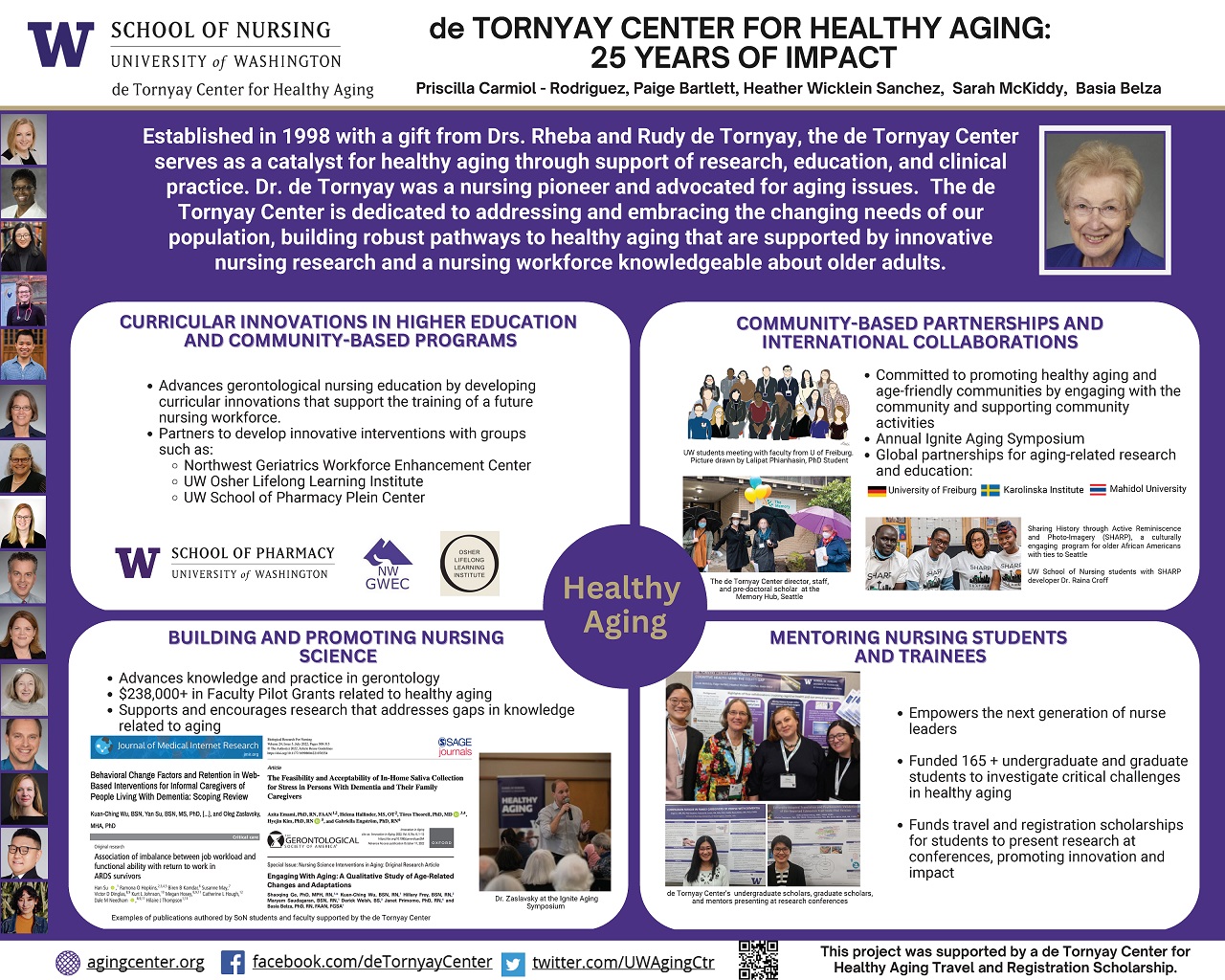
Priscilla Carmiol-Rodriguez research poster, de Tornyay Center for Healthy Aging: 25 Years of Impact

View Carmiol-Rodriguez’s poster as a PDF.

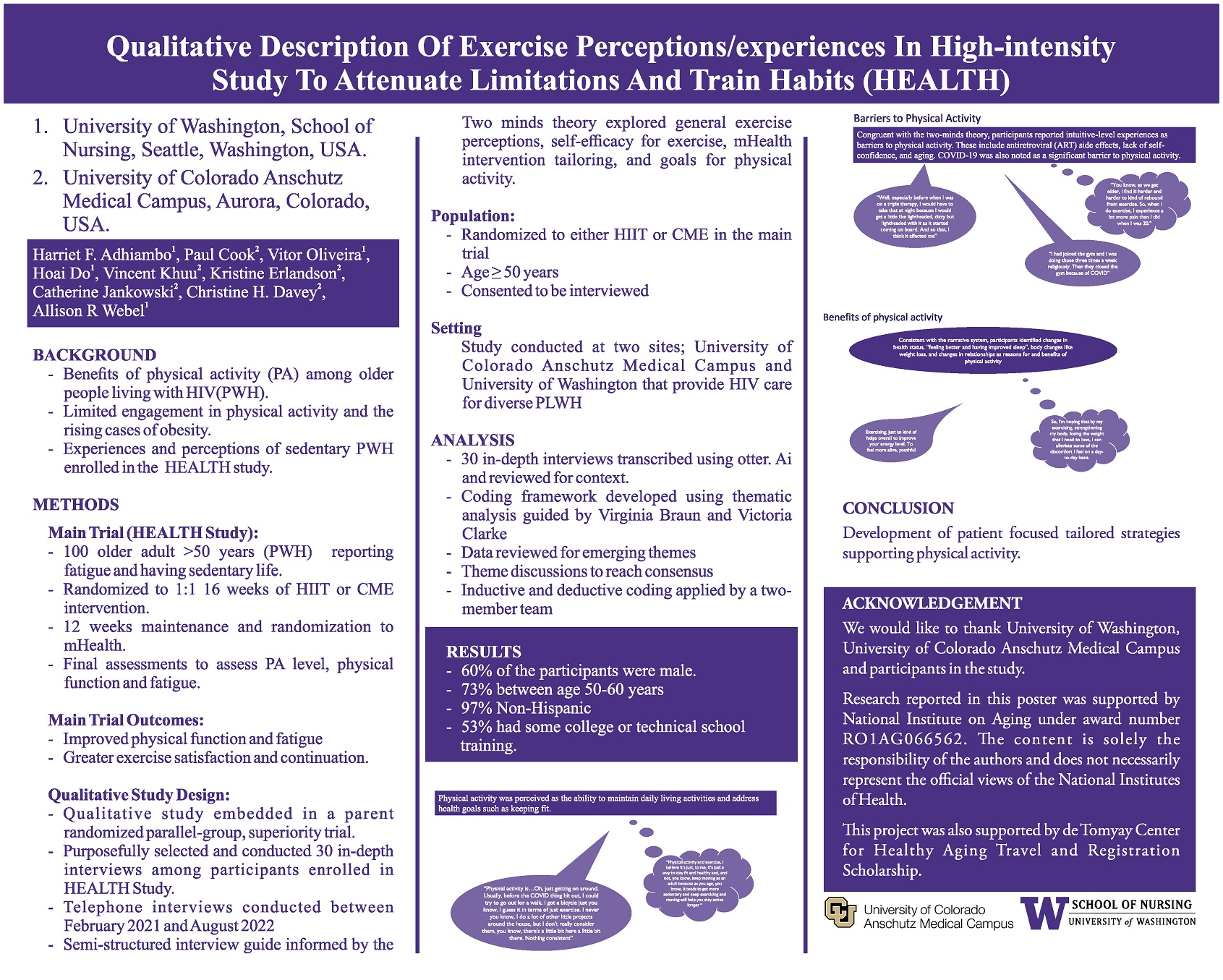
Harriet Adhiambo research poster on exercise perceptions and experiences in the HEALTH study

View Adhiambo’s poster as a PDF.

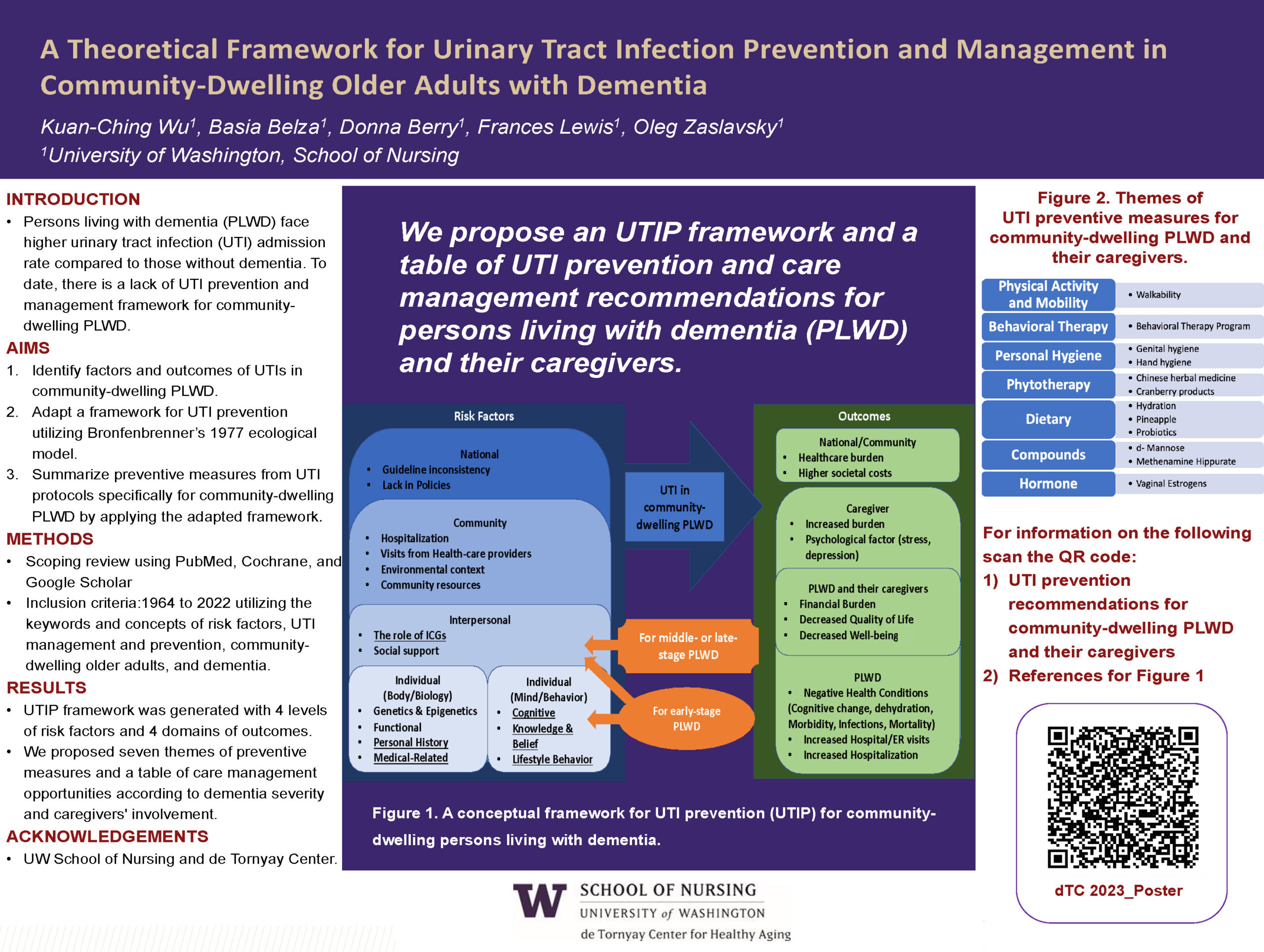
Kuan-Ching Wu research poster on urinary tract infection prevention and management in community-dwelling older adults with dementia

View Wu’s poster as a PDF.

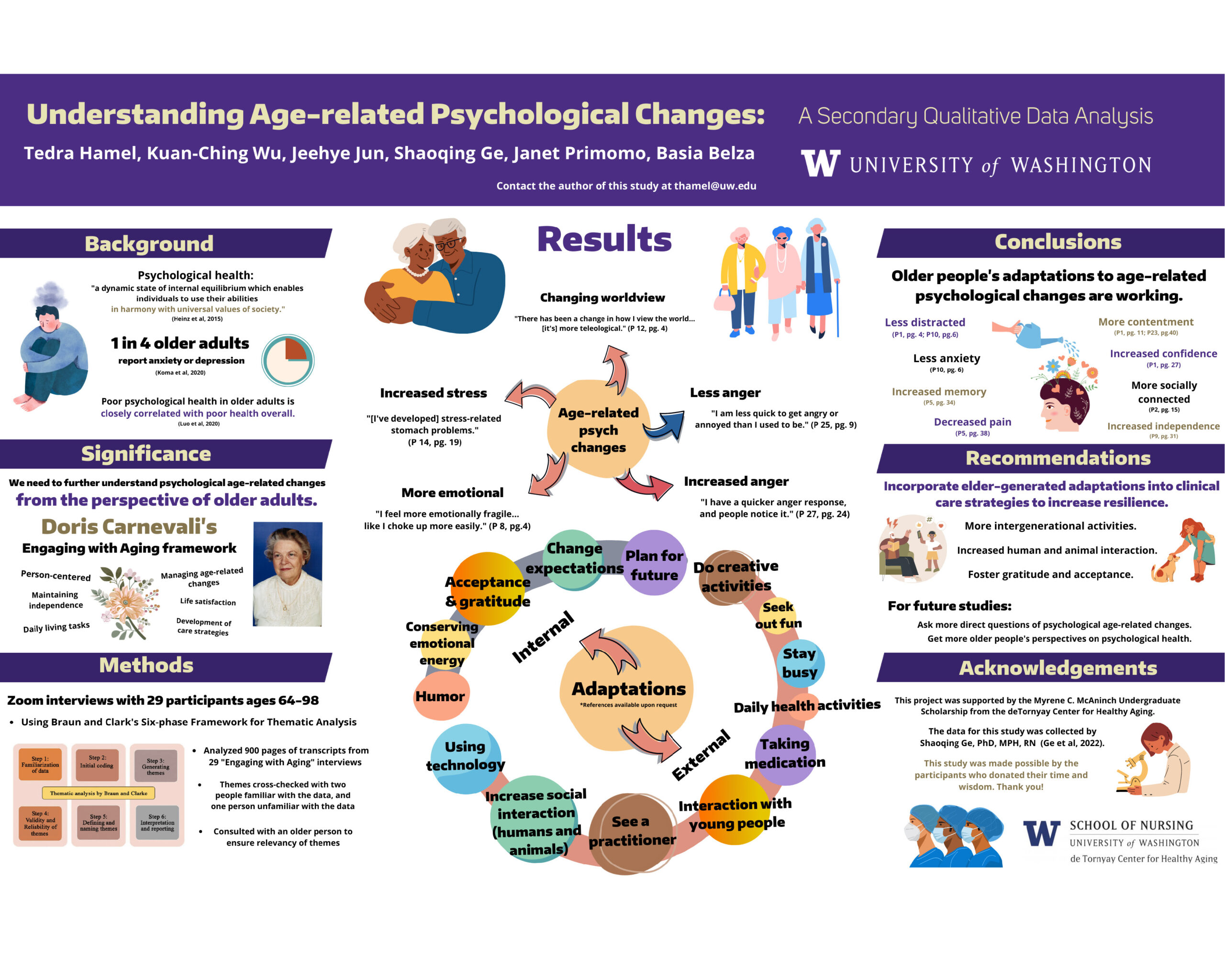
Tedra Hamel research poster, Understanding Age-Related Psychological Changes: A Secondary Qualitative Data Analysis

View Hamel’s poster as a PDF.

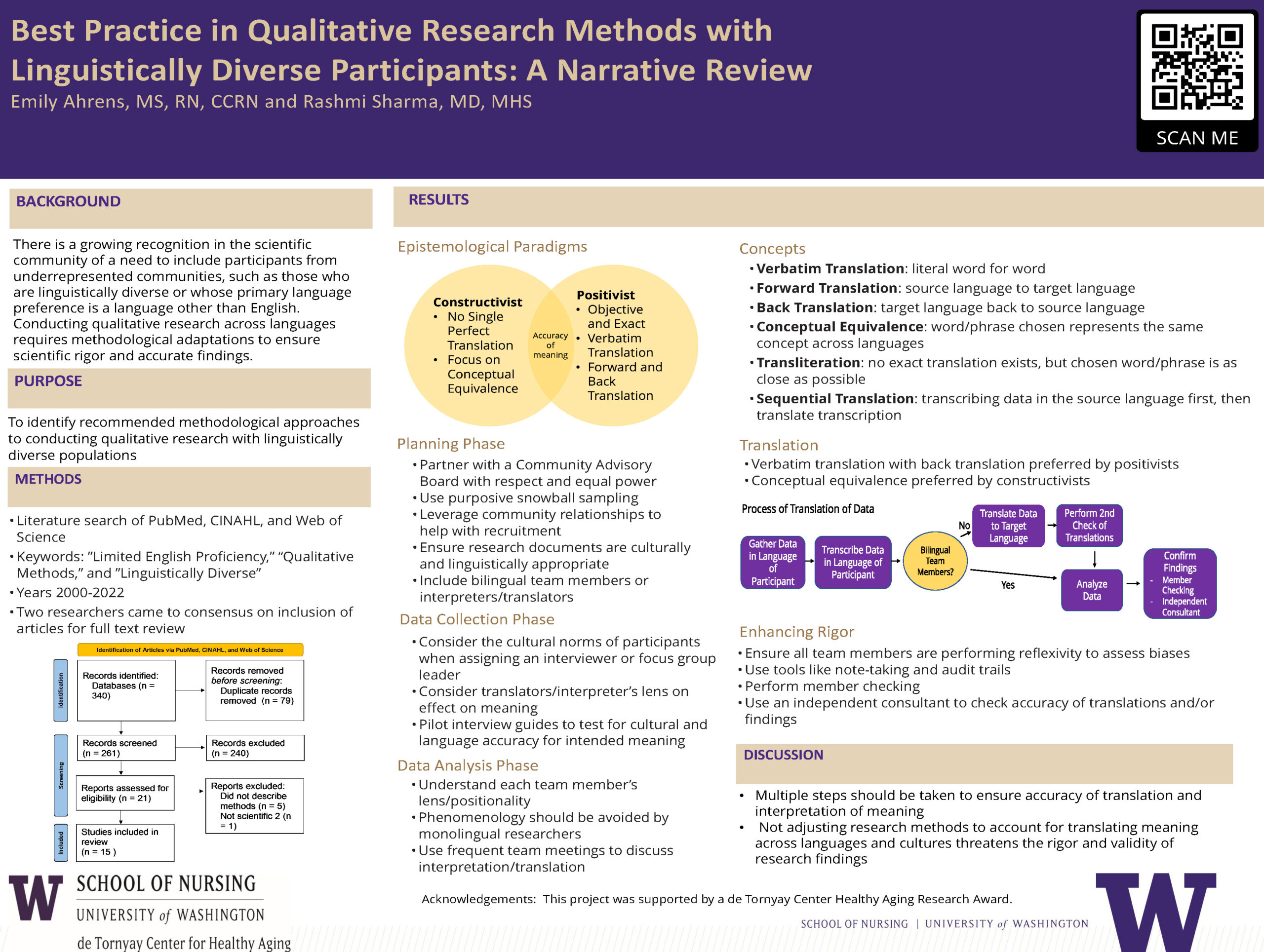
Emily Ahrens research poster, Best Practice in Qualitative Research Methods with Linguistically Diverse Participants: A Narrative Review

View Ahrens’ poster as a PDF.

25th Anniversary Celebration

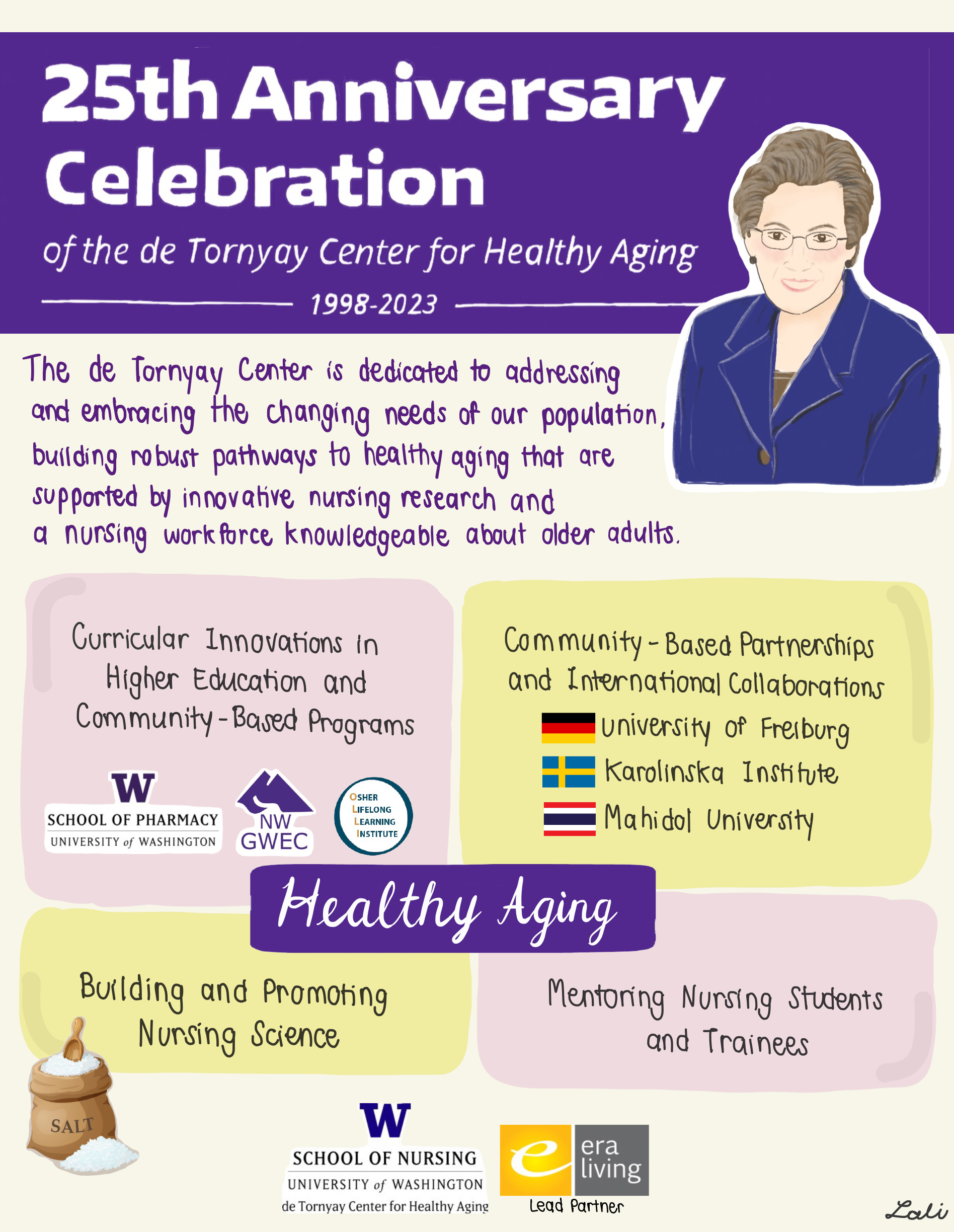
We celebrated the 25th anniversary of the de Tornyay Center for Healthy Aging.

On April 30, a leadership discussion with Dr. Sarah Shannon was held for first- and second-year PhD students, followed by dinner.

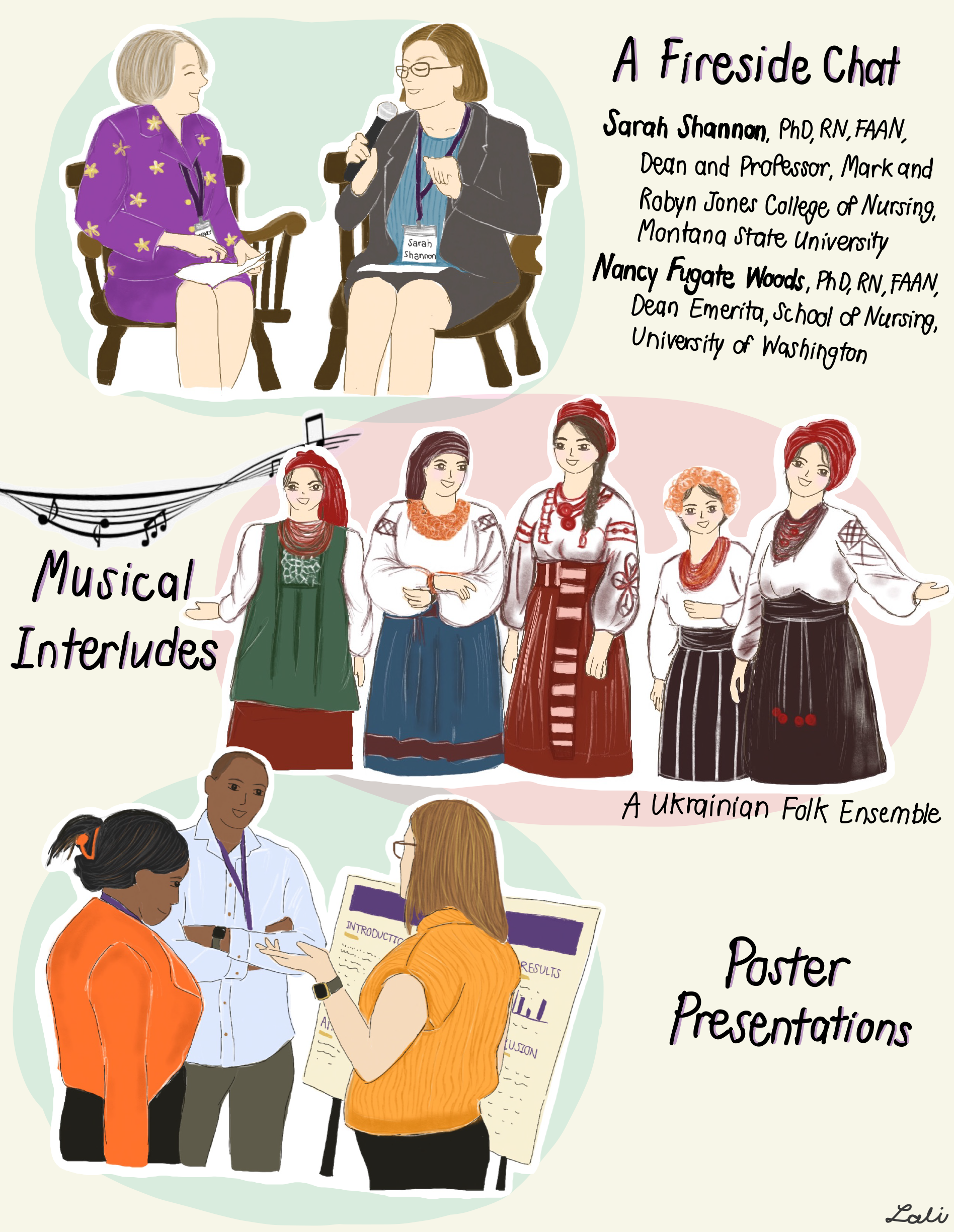
A festive event was held on May 1 at the Burke Museum with students, current faculty, faculty emeriti, alumni and community partners who enjoyed a fireside chat about Rheba’s legacy, musical interludes and scholarly posters.

View highlights from the 25th anniversary celebration.

Scholar Spotlight: Karl Cristie Figuracion

Karl Cristie Figuracion

Karl Cristie Figuracion is a PhD in Nursing Science candidate and one of the de Tornyay Center’s 2022–2023 Healthy Aging Doctoral Scholars. Her project is “Environmental enrichment and cortical changes among brain tumor survivors.” Her faculty mentor is Dr. Hilaire Thompson.

Why did you choose nursing?

I chose the nursing profession, as I was really moved by the care that my grandmother received when she was sick, and seeing the nurses be involved by her bedside throughout the sickness, even toward the end of life.

What interested you about research?

It was all related to my clinical practice. I was seeing patients with brain tumors, and after treatment, I started noticing cognitive issues. I saw people who were physically engaged or socially engaged and able to return to work. They tend to do better. When I looked at the literature, there wasn’t really much research in terms of this patient population or this question. I went back to school with this premise of learning the methodology to ask these questions and to do this research to help patients with brain tumors.

What is your project with the de Tornyay Center?

Looking at environmental factors, specifically environmental enrichment, being physically active, social engagement or social network, and return to work, and how that influences healthy aging among cancer survivors after radiation.

Why is this project important to do?

I think about my patients after cancer diagnosis, and having to already undergo that treatment and having fought so hard and then they continue to experience cognitive issues, functional decline. Yet we still are lacking research as to what helps them after their treatment.

What sort of functional decline do you see after brain tumor treatment?

So after brain tumor diagnosis, they go through surgery. After surgery, sometimes they have neurological issues, whether that’s weakness on one side over the other, or whether it’s word-finding difficulty, whether it’s balance issues related to where the tumor was in the brain.

After treatment, some of our patients continue to have these, even if it’s mild. That’s the other thing that I wanted to see, how can we prevent this progressive neurological decline? They continue to have this, despite not having the disease itself.

Has there been anything that has surprised you while working on research projects during your PhD program?

One of the things that I probably enjoyed the most, and was surprised about, was how much enthusiasm my patients have in this type of research. We probably asked 39 patients and 37 agreed. As soon as I said, we’re working on this, it was just like, yes. I hadn’t even told them about the reimbursement.

What interests you about healthy aging?

It’s the fact that it’s so broad, and it truly applies to all populations, because we all age. So whether that is going through a chronic disease, whether that’s after treatment, whether that’s after a brain injury or a traumatic event. We go on and live our life. This research is about continuing to live your life, despite all of those challenges and all of those issues.

You mentioned your work with cancer patients. What’s your clinical background?

I have been a registered nurse since 2011, and I went back to school for my master’s, to be a nurse practitioner in 2013, because I wanted to expand my role so that I could better advocate for my patients. As I was completing my master’s program, I was an outpatient oncology nurse.

I still work as a practitioner at the University of Washington Alvord Brain Tumor Center. I have two days of clinic and am very involved in the quality improvement projects.

What’s it been like balancing being a practicing nurse and a PhD student?

I see both of them together, honestly. I’m currently leading the neuro-oncology survivorship program at the Alvord Brain Tumor Center. One of the core and foundational things about our program is research, and here I am learning the methodology of this research to better help our patients. So I see it hand in hand. There are a lot of overlaps.

I think last quarter was probably one of the challenging quarters that I had, because I was working as a 50% nurse practitioner, and I also had the opportunity to teach NCLIN 501 and 500. So that’s 50% and 50%, and then a full-time student, trying to enroll my patients. It definitely put into perspective what our faculty go through trying to switch hats between being a clinician, being an instructor and then being a researcher.
Spotlight Interview: Jeehye Jun

Jeehye Jun

Jeehye Jun is a postdoctoral fellow in gerontological nursing at the University of Washington School of Nursing, starting in autumn 2022. She will be working with Dean Azita Emami and her research team on the project “Biomarker Method for Assessing the Impact of Music on Persons with Dementia and Their Caregivers.” She comes to the University of Washington after completing her PhD in Nursing Science at the University of Illinois Chicago College of Nursing.

Why did you choose nursing?

When I was a high school student, I was interested in health and human services. Nursing science was exactly what I wanted to learn about because nursing is a caring science. I love studying nursing and conducting health-related research in order to achieve goals aimed at maintaining and/or improving quality of life and healthy living.

How did you get involved in research?

In South Korea, I worked as a bedside nurse in a medical intensive care unit (MICU) for eight years. While working in the hospital, I observed that many patients who were discharged from the MICU had difficulties recovering from their illness due to the lack of educational resources or medical assistance. I thought post-intensive care services were needed but there was a lack of evidence to support them. Consequently, I conducted research on post-intensive care syndrome in the hope that my findings would contribute to the development of facilities and services that would benefit patients after their discharge from the ICU. I believe that research is a strong tool to change policies and guidelines, so I’m excited to conduct research to identify untapped knowledge that will be very helpful for nursing practice.

What interests you about healthy aging?

As life expectancy has been increasing over time, there has been growing interest in healthy aging. South Korea has the fastest-growing aging population, so I have a natural interest in the aging population and healthy aging. During my master’s program at Seoul National University, I took courses on care for the elderly and obtained my degree in adult-gerontology nursing. I observed that older adults encountered many physical and psychological barriers to recovery from their illness. I want to develop effective interventions to relieve their symptom burden using innovative technologies.

What are your main areas of research?

My current research focuses on the symptom cluster in people with chronic obstructive pulmonary disease (COPD). A symptom cluster refers to a group of symptoms that are related and that occur simultaneously, exerting a stronger effect on health outcomes than one symptom alone. Specifically, people with COPD have breathing problems that lead to insomnia, fatigue and anxiety. These multiple symptoms have a negative effect on health-related outcomes, such as quality of life and cognitive function.

What interested you about that area?

I want to identify symptom clusters in people with dementia and examine associated factors and health outcomes.

What are you looking forward to with this postdoctoral position and the research that you’re going to be starting this coming year?

The University of Washington has one of the top nursing schools that exemplifies both diversity and partnerships with other organizations and communities. I believe that the training and resources of the de Tornyay Center will provide an excellent opportunity to advance my knowledge and skills in assisting people with dementia and their family caregivers.

I am very excited to be involved in the home music intervention project, as I will be studying symptom management for people with dementia and their family caregivers and learning about the use of innovative technologies such as virtual reality.

What was your PhD dissertation?

For my doctoral dissertation, I evaluated the effects of two behavioral interventions on a symptom cluster in groups of people with COPD. The symptom cluster included the five most frequently reported symptoms in people with COPD—that is, anxiety, depression, insomnia, fatigue and dyspnea. The main finding of my study was that cognitive behavioral therapy for insomnia (CBT-I) was effective in reducing the symptom cluster’s severity in COPD patients who are at high risk of symptom burdens. My study is the first to identify longitudinal patterns of a symptom cluster in people with COPD and insomnia. This study has many implications in that its findings can facilitate future identification of underlying mechanisms of a symptom cluster as well as mediators and moderators of the effects of the symptom cluster.

Was there anything that surprised you in your dissertation research?

In studying people with COPD and insomnia, I was surprised that sleep-related cognition was the factor most strongly associated with the severity of multiple symptoms within a cluster. In a future study, I want to further investigate the association between cognition and healthy behaviors in people with dementia.

Is there anything else that you want to share?

This will be my first time living in Seattle. I have always heard that Seattle is a beautiful place, and I’m excited to experience the mountains and hills that I never saw in Chicago. I’m also looking forward to meeting and working with students, faculty and fellow researchers at the University of Washington.

The Age of Ageism

By Sarah McKiddy, UW School of Nursing de Tornyay Center for Healthy Aging Predoctoral Scholar

This article is part of a series on ageism completed by de Tornyay Center predoctoral scholar Sarah McKiddy. Find accompanying interviews on ageism.

According to the World Health Organization, ageism is associated with earlier death by 7.5 years. Ageism involves stereotypes, prejudices or discrimination based on age. Ageism can occur at different levels: self-directed (internalized), interpersonal (between individuals) and institutional (policies, laws and protocols). From an early age, we pick up cues from those around us about stereotypes, which are reaffirmed through our culture’s norms.

Negative expectations of aging can cause individuals to not participate in exercise classes or do social activities because they think they are too old and might hurt themselves, or because they do not see examples of other older adults doing those activities. This can lead to worsened physical and mental health.

Ageism also happens between people, in comments, conversation or actions. Telling a 70-year-old, “You look young for your age,” suggests that you should look a certain way at 70. “Let me help you with that, dear,” employs elderspeak, a patronizing form of speaking that can involve talking louder or slower, using pet names or speaking to adults like they are a child. It might seem nice or helpful, but it is based on stereotypes. It assumes the older adult needs help or is not capable. Other times ageism is blunt: “Boomers are out of touch with my generation” or “They are just like every other millennial: entitled and coddled.” This mentality is also seen in narratives of increased healthcare use and associated burden.

Workplace ageism is one of many other forms of ageism. It is assuming someone is too old or young to fulfill their job duties and is very common. A 2022 AARP study revealed that approximately one-third of older adults in the labor force reported hearing negative comments in the workplace related to a coworker’s age in the previous two years. In a 2022 AARP article, Jennifer Schramm, senior policy advisor at the AARP Public Policy Institute, said that age discrimination continues to be one of the leading drivers of long-term unemployment for individuals age 50 and older.

Ageism can also affect the health of individuals because it determines age as the leading factor in someone’s choices. When clinicians neglect to ask about an older adult’s sexual life or substance use due to ageist notions, it can result in delayed care, missed treatment opportunities and missed diagnoses. Focusing only on age can also cause people to overlook other crucial factors like stress and one’s environment that might better explain health issues.

Age discrimination can compound other barriers related to things like race/ethnicity, income, health status, sexual orientation, gender and disability. An individual’s ability to age and maintain a high quality of life relies on access to healthcare, social support, housing and financial security. A 2021 study published in The Lancet pointed to evidence that older adults from racial/ethnic minority groups frequently had a worse quality of life due to chronic conditions and stress from adapting to a new culture.

Ageism is complex, and it can be overwhelming to think about how to solve it. Here are three practical ways to address ageism: First, self-reflect on what words you choose. Are you selecting terms that feed into stereotypes? Next, when someone uses a word like “elderly” or a phrase like “past one’s prime,” ask why they chose to describe someone this way and discuss what the implications are. Lastly, seek opportunities to socialize and interact with people of different ages from your own. Aging is a collective and shared journey that can connect us all. We all have a stake in how we contribute to the messaging surrounding aging. It is time to outgrow ageism.

Scholar Spotlight: Tao Zheng

Tao Zheng

Tao Zheng is a PhD in Nursing Science student studying sleep and cognition in individuals with advanced heart failure after receiving a left ventricular assist device. In 2020, he published an editorial in the Journal of Gerontological Nursing, titled “Who Cares? An Existential Perspective of Caregiving for Individuals with a Left Ventricular Assist Device.” His faculty mentor is Cynthia Dougherty.

How did you first get involved in nursing?

I started my nursing education by becoming a nursing assistant. At the time, I wanted to try it out to see if I enjoyed health care because I was making the transition from a business major to nursing. I fell in love with being with people. I enjoy that aspect of nursing. I started with an associate degree in nursing program at North Seattle College: I became a licensed practical nurse then a registered nurse. I progressed to a bachelor’s degree while working as a registered nurse, then got my master’s degree in nursing education, and now I’m doing my PhD.

What made you decide you wanted to move from clinical work into research?

I did not know at the beginning that I wanted to move out of clinical work because my passion has always been at the bedside, and with teaching and education. I appreciate learning about the most updated evidence and incorporating that into my teaching. I wanted to be able to generate that knowledge. I consider myself a lifelong learner, and I’m always trying to figure out what my next step will be. For me, research would keep me on the path where I can always ask new research questions.

What research projects are you currently working on?

I’m working on multiple different projects. I participate in a biweekly cardiovascular nursing research group led by my dissertation chair Dr. Cynthia Dougherty. I’m involved with writing papers and publishing a secondary data analysis based on her data set. In addition to that, I’m working with Dr. Jonathan Auld. We’re looking at using a new technology to enable better symptom reporting in people with cardiovascular disease. I am also working as a research assistant for Dr. Elizabeth Bridges in her pressure injury prevention project. Lastly, I am preparing my dissertation research, which will be looking at sleep and cognition in individuals with advanced heart failure after they receive a left ventricular assist device.

What are you looking at for cognition?

Cognitive performance in terms of their memory, executive functions and verbal fluency. Cognitive decline may be related to aging. However, there are multiple different components that contribute to cognitive changes.

What interested you about that topic for your dissertation?

My clinical background is in cardiology and cardiothoracic surgery, so I have been taking care of critically ill patients for over a decade now. Most of my time was in critical care, particularly in people with heart failure. I have seen people with heart failure coming in and out of the hospital due to their chronic conditions. I’m really interested in promoting better patient outcomes. I’m focusing on people who receive mechanical circulatory support devices because this is a high-risk procedure that has a huge impact on both patients and their family. It’s important to look into the factors that help an individual have a better outcome.

I did quite a bit of literature review when I started the program here because I knew the patient population that I wanted to focus on, but I did not know what areas I wanted to focus on. I recognized that there’s quite a knowledge gap in this patient population in terms of sleep. I feel like sleep is an understudied area and it’s very understudied in people with heart failure, particularly in people living with a left ventricular assist device.

Why is this work important to do?

Receiving a left ventricular assist device is a high-risk procedure, and it is really important to understand the underlying mechanisms for why some patients do well and some do not. While innovative technology can prolong individuals’ lives, we also need to understand how a device implant might influence other aspects of the patients’ lives. We need to assess if a device implant is the right thing for patients and whether there are other strategies that we can implement to improve patient outcomes.

You wrote an editorial for the Journal of Gerontological Nursing. Can you talk a little bit about that?

During my first year, I wrote the editorial to talk about the caregiver aspect of this patient population (Zheng, 2020). I can see my future research program including caregivers. Patients that receive a left ventricular assist device often require long-term unofficial family caregivers, particularly in immediate recovery. However, caregivers are an understudied area. In the United States, we have family caregivers caring for individuals with dementia and other conditions, but we are not really looking at those caregiver outcomes—the literature is quite limited. Those caregivers often are not paying attention to their own health because they’re focusing on caregiving.

My editorial tried to shed some light on what we’re really asking of the caregiver, particularly when the individuals are significantly ill. Sometimes we ask caregivers and/or family members to make critical decisions at the bedside. We need to think about when we ask them to make decisions and perhaps we need some advance care planning for this patient population.

How did you get involved in cardiology?

The heart is a fascinating organ, and I was interested in how the heart may impact the rest of the body. In nursing school, I always had a special interest in cardiovascular disease and since then, my clinical practice has been focused on cardiology. So, it’s a very natural transition from practice to my research, I was interested in the patients’ stories and experiences, and I want to know what motivated them and what made them have better outcomes. And that’s why I wanted to get involved, I want to see more of my patients do well.

Is there anything else that you want to share?

I published another paper during my second year of the PhD program (Zheng, 2021). My second paper was a concept analysis paper that focused on sleep in individuals with heart failure. It dipped into that area that I’m interested in and looked into that knowledge gap. I’m hoping to fill that gap with my dissertation.

Engaging with Aging Blog Reaches 200 Posts

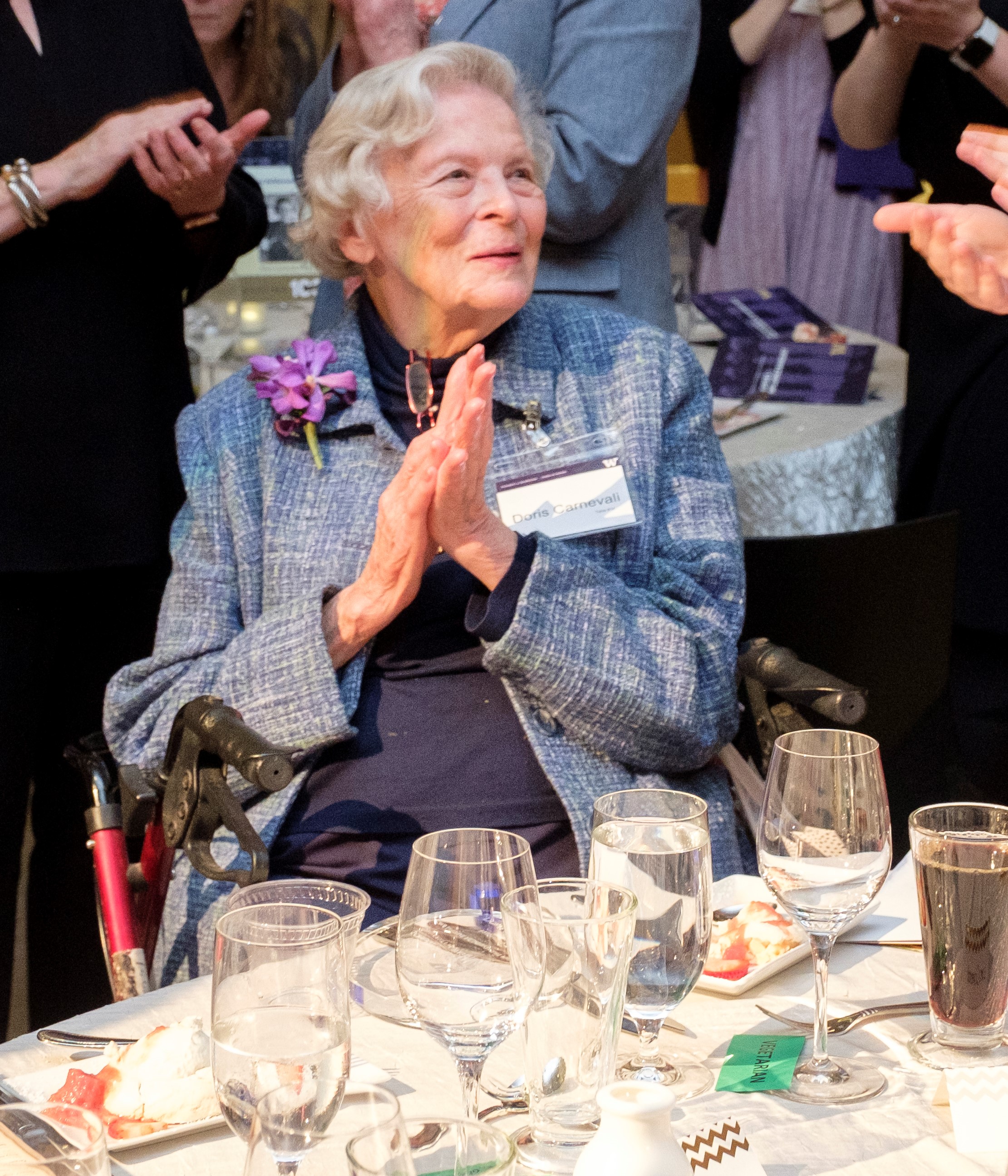
Doris Carnevali

Doris Carnevali, UW School of Nursing faculty emerita, recently reached 200 posts on her blog, Engaging with Aging, where she writes about her experience of aging as a nurse and elder. Carnevali has been featured for her work on KING 5 News, and her ideas have provided the basis for research on an Engaging with Aging framework. The framework has been featured in the Journal of Gerontological Nursing, including a special issue devoted to Engaging with Aging. UW School of Nursing researchers are currently studying the framework.

Want to learn more about Engaging with Aging? Read the Engaging with Aging blog.

World Alzheimer’s Day

In honor of World Alzheimer’s Day, the de Tornyay Center would like to share a selection of the innovative Alzheimer’s research spearheaded by faculty at the UW School of Nursing:

  • Drs. Azita Emami, Gabriella Engstrom and Hyejin Kim are working on a multidisciplinary music intervention project to develop an innovative, reliable method to assess stress by collecting salivary cortisol and DHEA-S among persons with dementia and their family caregivers living at home in Sweden.
  • Dr. Sue McCurry is collaborating with colleagues at Kaiser Permanente Washington Health Research Institute and the University of California, San Diego examining relationships between brain aging, dementia and device-measured physical activity and sleep over the 24-hour day. The study is part of the newly funded Adult Changes in Thought (ACT) longitudinal study, which has been collecting data continuously since 1994.
  • Drs. Linda Teri and Sue McCurry are collaborating with colleagues at Kaiser Permanente Washington Health Research Institute on a pragmatic trial testing the impact of a virtual training program for care partners of persons living with Alzheimer’s disease and related dementias (STAR-VTF).
  • Dr. Tatiana Sadak is leading local, national and international initiatives in developing a dementia-capable health care workforce.
  • Drs. Oleg Zaslavsky and Annie Chen from Biomedical Informatics are working on evaluating a web-based intervention to support caregivers of people with Lewy body dementia. Oleg Zaslavsky is also working on developing a mobile intervention to support healthy eating among people with early dementia.
  • Dr. Basia Belza and Boeun Kim, PhD and MPH student, are collaborating with the Alzheimer’s Association on evaluating the feasibility of a coaching model to implement Dementia Care Practice Recommendations in assisted living communities in Washington and Montana.

de Tornyay Healthy Aging Scholars’ Virtual Symposium

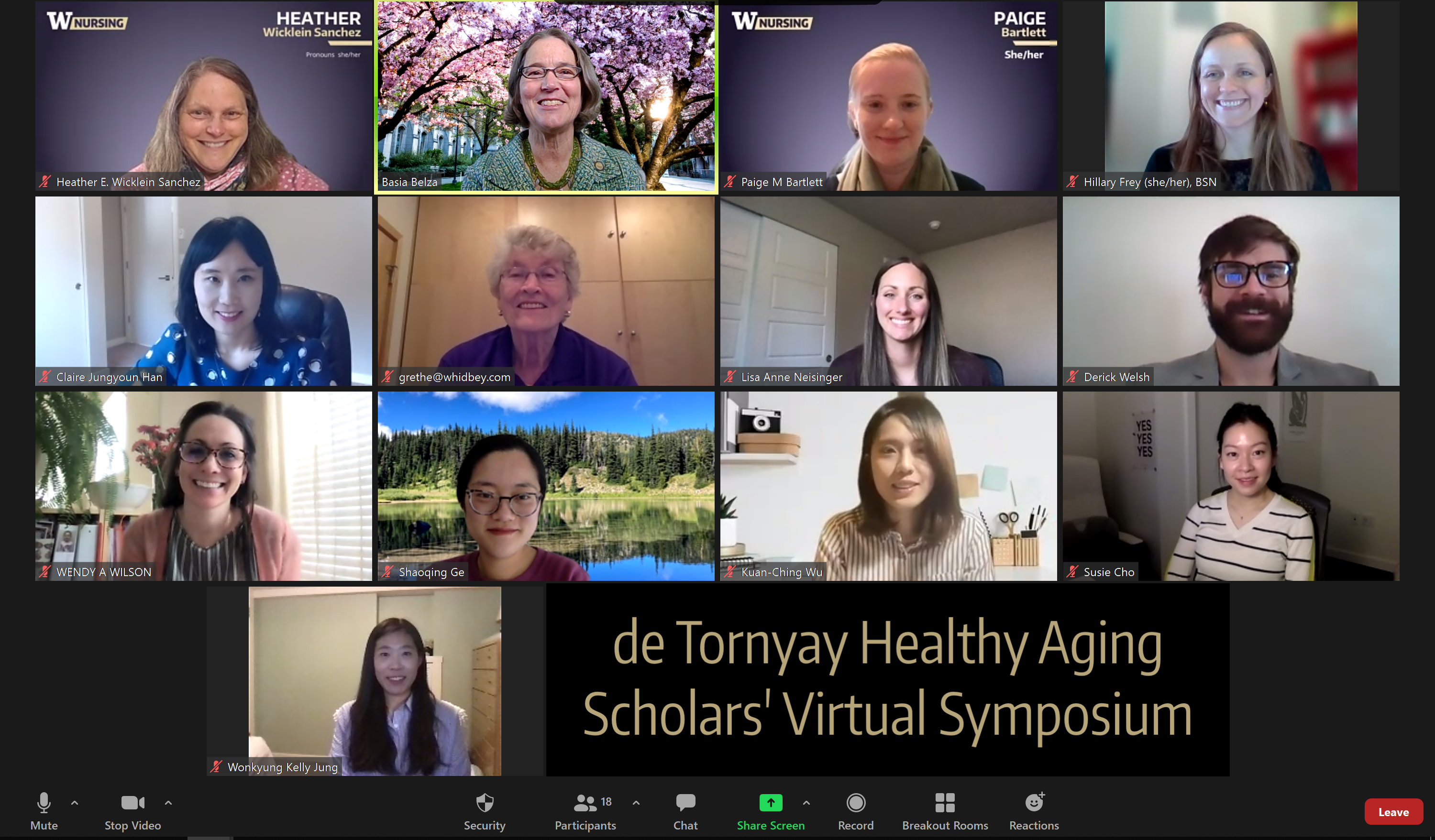
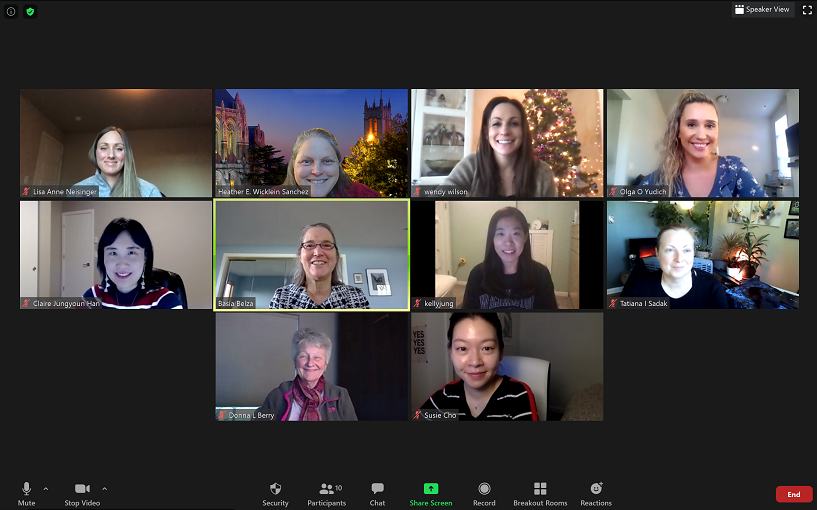
de Tornyay Healthy Aging Scholars and faculty mentors at the 2021 Virtual Symposium

On Thursday, May 20, our 2020–2021 de Tornyay Healthy Aging Scholars presented their projects at the center’s Virtual Symposium. Thank you to everyone who joined us! Topics ranged from dementia caregivers’ self-care to social integration after injury and preparing for age-related changes. Dr. Grethe Cammermeyer provided a musical interlude, performing a song she wrote, “Know Me,” inspired by Doris Carnevali.

PhD scholars

  • Susie Cho, Myrene C. McAninch Doctoral Scholar
  • Wonkyung Jung, Healthy Aging Doctoral Scholar
  • Wendy Wilson, Healthy Aging Doctoral Scholar
  • Kuan-Ching Wu, Healthy Aging Predoctoral Scholar

DNP scholars

  • Claire Han, Germaine Krysan Doctoral Scholar
  • Lisa Neisinger, Healthy Aging Doctoral Scholar
  • Olga Yudich, Healthy Aging Doctoral Scholar

Undergraduate scholars

  • Hillary Frey, Myrene C. McAninch Undergraduate Scholar
  • Derick Welsh, Germaine Krysan Undergraduate Scholar

2021 Pathways to Healthy Aging Awardees

Olga Yudich

Olga Yudich (DNP)

Project: Improving Coordination of Care of Highly Complex Geriatric Patients in Primary Care

How does your DNP project advance healthy aging?

Healthy aging is the ability to age well and to age in place within one’s community. To do so, older adults will often require social services. My research has found that older adults with unmet social needs have a higher risk of morbidity and mortality. My project focuses on integrating social services into health care delivery, as primary care is well situated to be the hub of care coordination.

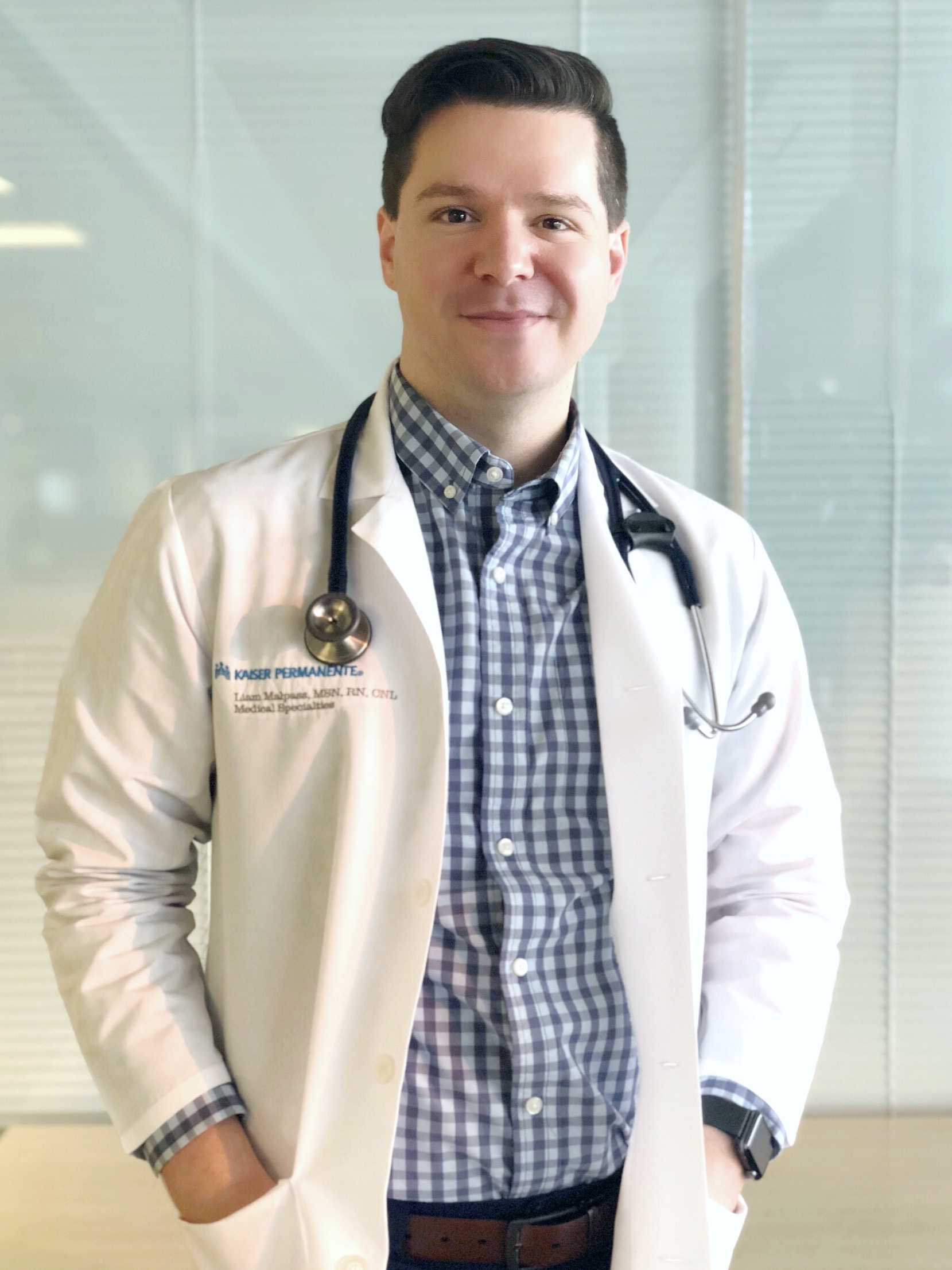
Liam Malpass

Liam Malpass (DNP)

Project: Improving Utilization of Telehealth among Clinicians Caring for Older Adults

How does your DNP project advance healthy aging?

This project supports healthy aging by facilitating increased care access for older adults by improving clinician use of telehealth. It examines experiences of geriatric care providers and harnesses evidence-based practice to develop guidance to overcome barriers. This project provides a foundation for strategic development of telehealth to enhance geriatric care.

Boeun Kim

Boeun Kim (PhD)

How does your PhD project or dissertation advance healthy aging?

As of 2021, 6.2 million older adults are estimated to have Alzheimer’s disease and Alzheimer’s disease-related dementias (AD/ADRD) in the United States. In the absence of available pharmacologic treatments for stopping the progression of AD/ADRD, it is important to identify factors that prevent and delay cognitive decline. My dissertation evaluated if neighborhood attributes can provide a favorable environment for cognitive health among older adults. The study findings would provide foundational evidence for developing strategies to improve cognitive function through modifying neighborhood environments in older adults.

Congratulations to the 2020-2021 dTC Scholars

The de Tornyay Center for Healthy Aging is pleased to announce the 2020–2021 Healthy Aging Scholarship recipients.

We extend our thanks and high regard to all who applied. Scholarship recipients receive funds and support for research projects related to healthy aging and older adults.

Please join us in congratulating these exceptional scholars and their faculty mentors!

2020–2021 doctoral scholars and faculty mentors in a virtual meeting
The 2020–2021 doctoral scholars and their mentors.

PhD Research Scholarships

Susie Cho, Myrene C. McAninch Doctoral Scholar

Topic: A Qualitative Thematic Analysis of the Facilitators and Barriers to Self-care Practices in Care Partners of People Living with Dementia

Faculty mentor: Tatiana Sadak, PhD, PMHNP, RN, FAAN

Wonkyung Jung, Healthy Aging Doctoral Scholar

Topic: Social Integration after Traumatic Brain Injury in Older Adults

Faculty mentor: Hilaire Thompson, PhD, RN, CNRN, ACNP-BC, FAAN

Wendy Wilson, Healthy Aging Doctoral Scholar

Topic: Significance of Dignity in End-of-Life

Faculty mentor: Donna Berry, PhD, RN, AOCN, FAAN-DF/HCC

DNP Research Scholarships

Claire Han, Germaine Krysan Doctoral Scholar

Topic: Tailoring Chronic Disease Management Care Pathways to Older Adults and their Caregivers in Adult Family Homes

Faculty mentor: Hilaire Thompson, PhD, RN, CNRN, ACNP-BC, FAAN

Lisa Neisinger, Healthy Aging Doctoral Scholar

Topic: Home ZIP Code Outcomes in Older Burn and Trauma Patients

Faculty mentor: Hilaire Thompson, PhD, RN, CNRN, ACNP-BC, FAAN

Olga Yudich, Healthy Aging Doctoral Scholar

Topic: Improving Coordination of Care of Highly Complex Geriatric Patients

Faculty mentor: Hilaire Thompson, PhD, RN, CNRN, ACNP-BC, FAAN

Undergraduate Research Scholarships

Hillary Frey, Myrene C. McAninch Undergraduate Scholar

Topic: Identification of Triggers that Alert Older Adults to Prepare for Age-related Changes

Faculty mentor: Shaoqing Ge, PhD, MPH

Derick Welsh, Germaine Krysan Undergraduate Scholar

Topic: Learning about the Engaging with Aging (EWA) Experience among Older Adults

Faculty mentor: Basia Belza, PhD, RN, FAAN, FGSA

Apply to our Healthy Aging Scholarships Today!

The de Tornyay Center for Healthy Aging is pleased to provide scholarships to both undergraduate and graduate nursing students to pursue research or investigative projects related to healthy aging or gerontology. Funds are unrestricted and are intended to support students while doing their research. Faculty mentors offer individual guidance and serve as valuable resources for beginning researchers. Learn more about de Tornyay Center scholarships.

de Tornyay Center for Healthy Aging Student Open House

When: Monday, October 5, 2:30 – 3:30 p.m.

UW School of Nursing students are invited to learn about the de Tornyay Center’s Healthy Aging Research Scholarships for undergraduate and graduate students, travel awards for graduate students and other UW resources. Hear from other School of Nursing students engaged in healthy aging research and clinical work.

Join us for Ignite Aging 2020

Ignite Aging 2020 symposium

Join us for a symposium featuring UW School of Nursing students, faculty and alumni on healthy aging research. The program will include talks on music and memory, accelerated aging in cancer, health care for released inmates and more.