
During Black History Month, the University of Washington School of Nursing recognizes Black nurses whose contributions helped shape the profession and strengthen the UW community. Their work reflects a long history of leadership, advocacy, mentorship, and commitment to equitable care that continues to inform nursing education and practice today.
Long before Black nurses gained equitable access to nursing education, licensure, and leadership roles, they played essential roles in advancing health care and public health in the United States. Across generations, Black nurses provided care during public health crises and within communities facing limited access to medical services, often while working within segregated health and education systems that denied their access to formal training, professional recognition, and advancement. Highlighting these histories helps place today’s achievements within a larger story of leadership, service, and perseverance.
At the UW School of Nursing, their impact is part of the School’s history and its ongoing mission to prepare nurses who serve diverse communities.
First Black graduate of the University of Washington School of Nursing
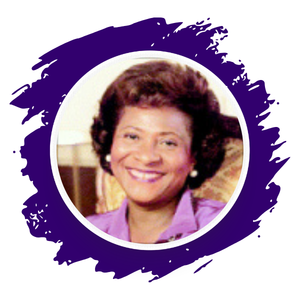 Lela Duffel Morris, BSN ’48, was the first Black graduate of the University of Washington School of Nursing, completing her Bachelor of Science in Nursing in 1948. Her graduation represented a powerful breakthrough during an era when Black students were largely barred from access to nursing education through segregated systems and discriminatory policies nationwide.
Morris pursued a career in public health nursing, focusing on community health and improving access to care. Her presence at the School of Nursing helped expand opportunities for future students of diverse backgrounds and contributed to the School’s broader efforts to become more inclusive.
Founding member of the Mary Mahoney Professional Nurses Organization
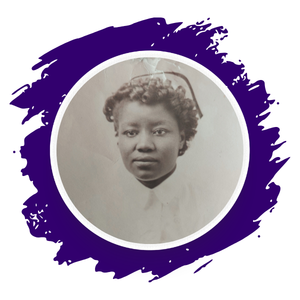 Rachel Suggs Pitts, BSN ’56, was one of Seattle’s few Black nurses in the 1940s. She completed her nursing training at Brewster Hospital in Jacksonville, Florida, before relocating to Seattle, where she worked at Harborview Hospital, one of the first in the region to hire Black nurses. She later earned her Bachelor of Science in Nursing from the UW School of Nursing in 1956.
Pitts was a founding member of the Mary Mahoney Professional Nurses Organization (MMPNO), established in 1949, which continues to nurture generations of nurses, expand professional opportunities, and advance public health services locally and regionally. Organizations such as MMPNO strengthened the profession by creating spaces for mentorship, leadership development, and collective advocacy, supporting Black nurses as they advanced clinical practice, education, and community health.
Deepened the UW School of Nursing’s engagement with anti-racism in nursing
 Lois Price Spratlen, BSN ’76, served on the faculty of the University of Washington School of Nursing and held leadership roles focused on diversity, equity, and conflict resolution. She was appointed as UW Ombudsman for Sexual Harassment in 1982 and later served as University Ombudsman, becoming the first woman, first professional nurse, and first African American to hold that role.
Spratlen’s work extended across teaching, mediation, scholarship, and advocacy. She authored African American Registered Nurses in Seattle: The Struggle for Opportunity and Success, which documents the experiences of Black nurses in the region who provided skilled, compassionate care to Black patients and communities who were often dismissed, undertreated, or denied care within segregated health systems. As a leader within the Mary Mahoney Professional Nurses Organization, she helped to establish an endowment that supports student scholarships to this day.
Her commitment to mentorship, equity, and institutional change helped deepen the UW School of Nursing’s engagement with diversity and inclusion, leading to the development of the Manning Price Spratlen Center for Anti-Racism & Equity in Nursing (MPS CARE in Nursing), the nation’s first and only center dedicated to anti-racism in nursing. We are deeply grateful for her leadership and legacy.
Celebrate Black History Month in the Community
Upcoming Opportunities
Northwest African American Museum – ongoing exhibits and events, plus Black History Month programs, Coloring Outside the Lines
UW Tacoma – 100th Year Anniversary Event – BUILD Black History Month – A celebration of 100 years of Black History Month featuring keynote speaker Professor Luther Adams and Tacoma Poet Laureate Mari Griffin. Feb. 20, 1–4 p.m. at Washington State History Museum, Tacoma, WA (nearby UWT).
City of Bellevue and the Bellevue Arts Museum are partnering to host Melodies of the Diaspora: Celebrating 100 Years of Black History Month a special art exhibition honoring the 100th anniversary of Black History Month to the public. Visit both locations (check dates and times) to view an extensive collection of paintings, photography, sculptures, textiles and fashion. You can also register to attend a family-friendly opening or closing reception. All Feburary.
Organization Spotlight
National Black Nurses Association (NBNA)
Founded in 1971, the NBNA represents over 150,000 Black nurses across the United States. The organization is dedicated to advancing health equity, advocating for quality healthcare in underserved communities, and supporting the professional development of Black nurses. NBNA provides scholarships, leadership opportunities, and resources that empower the next generation of Black nursing professionals.
The HistoryMakers – Black Nurses Collection
The nation’s largest African American video oral history archive includes extensive interviews with pioneering Black nurses. These first-person narratives provide invaluable insight into the lived experiences of nurses who integrated hospitals, challenged discrimination, and advanced the profession.