
The leadership demonstrated by UW-affiliated nurses is rooted in a much longer national history shaped by Black women who practiced nursing long before the profession was formally accessible to them.
Civil War-era nurses such as Sojourner Truth, Susie King Taylor, Harriet Tubman and Lucy Higgs Nichols provided skilled care to soldiers and civilians alike, laying early foundations for nursing practice in the United States. Later generations of community-based caregivers continued this work through public health nursing, midwifery and clinical practice, often in the absence of legal recognition, professional credentials or institutional support.
During public health emergencies, including the tuberculosis epidemic, Black nurses, referred to as the “Black Angels,” stepped into caregiving roles when others would not. They provided critical care within a health system that marginalized their labor and excluded their contributions from the historical record, underscoring the essential yet frequently unacknowledged role Black nurses played in advancing public health and health equity. We appreciate the opportunity to share their names and excerpts of their stories with our community.
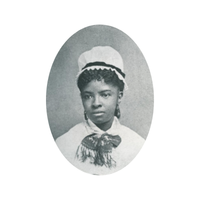
Mary Eliza Mahoney
Mary Eliza Mahoney was the first African American to graduate from an American nursing program in 1879. She worked to improve access and professional standards for African American nurses and was a co-founder of the National Association of Colored Graduate Nurses.
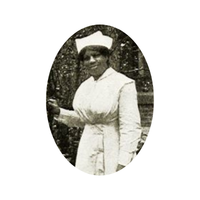
Adah Belle Thoms
Adah Belle Thoms was a nurse, educator and national leader whose advocacy challenged racial discrimination in nursing education and professional practice in the early 20th century. She served as acting director of nursing at Lincoln Hospital in New York and later became president of the National Association of Colored Graduate Nurses (NACGN). Through her leadership and policy advocacy, Thoms worked to expand access to professional training and improve conditions for Black nurses nationwide.
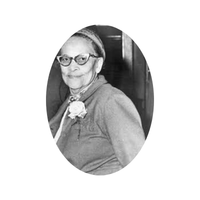
Mabel Keaton Staupers
Mabel Keaton Staupers was a nurse, organizer and civil rights advocate whose leadership transformed opportunities for Black nurses in both civilian and military service. As executive secretary of the National Association of Colored Graduate Nurses, she led successful campaigns to end racial discrimination in the U.S. Army Nurse Corps and the Navy Nurse Corps during World War II. Her efforts opened pathways for Black nurses to serve, lead and gain professional recognition within national health systems.
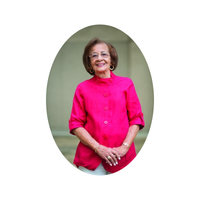
Betty Smith Williams
Betty Smith Williams was a public health nurse and educator who co-founded the National Black Nurses Association (NBNA) in 1971 to address the exclusion of Black nurses from professional leadership and decision-making spaces. Through NBNA, Williams helped build a national network focused on mentorship, advocacy and health equity, creating lasting opportunities for Black nurses to lead across clinical practice, education, research and policy.
Together, these leaders laid the groundwork for greater inclusion in education, practice and leadership that continues to influence nursing today.
Organization Spotlight
Black Nurses Rock
Black Nurses Rock is a dynamic community and movement celebrating Black excellence in nursing. Through social media campaigns, mentorship programs and professional networking, they amplify the voices and achievements of Black nurses while inspiring students to enter the profession. The platform highlights contemporary Black nurse leaders, innovators and advocates who are shaping the future of healthcare.
American Association for the History of Nursing — Black Nurse Pioneers
The American Association for the History of Nursing preserves and shares the rich history of nursing, including dedicated resources on Black nurse pioneers who broke barriers and transformed healthcare. Their archives and educational materials document the contributions of trailblazers like Mary Eliza Mahoney, the first Black professional nurse, Estelle Massey Osborne, the first Black nursing faculty member at a major university, and many others whose courage and excellence paved the way for today’s diverse nursing workforce.