Skip to content

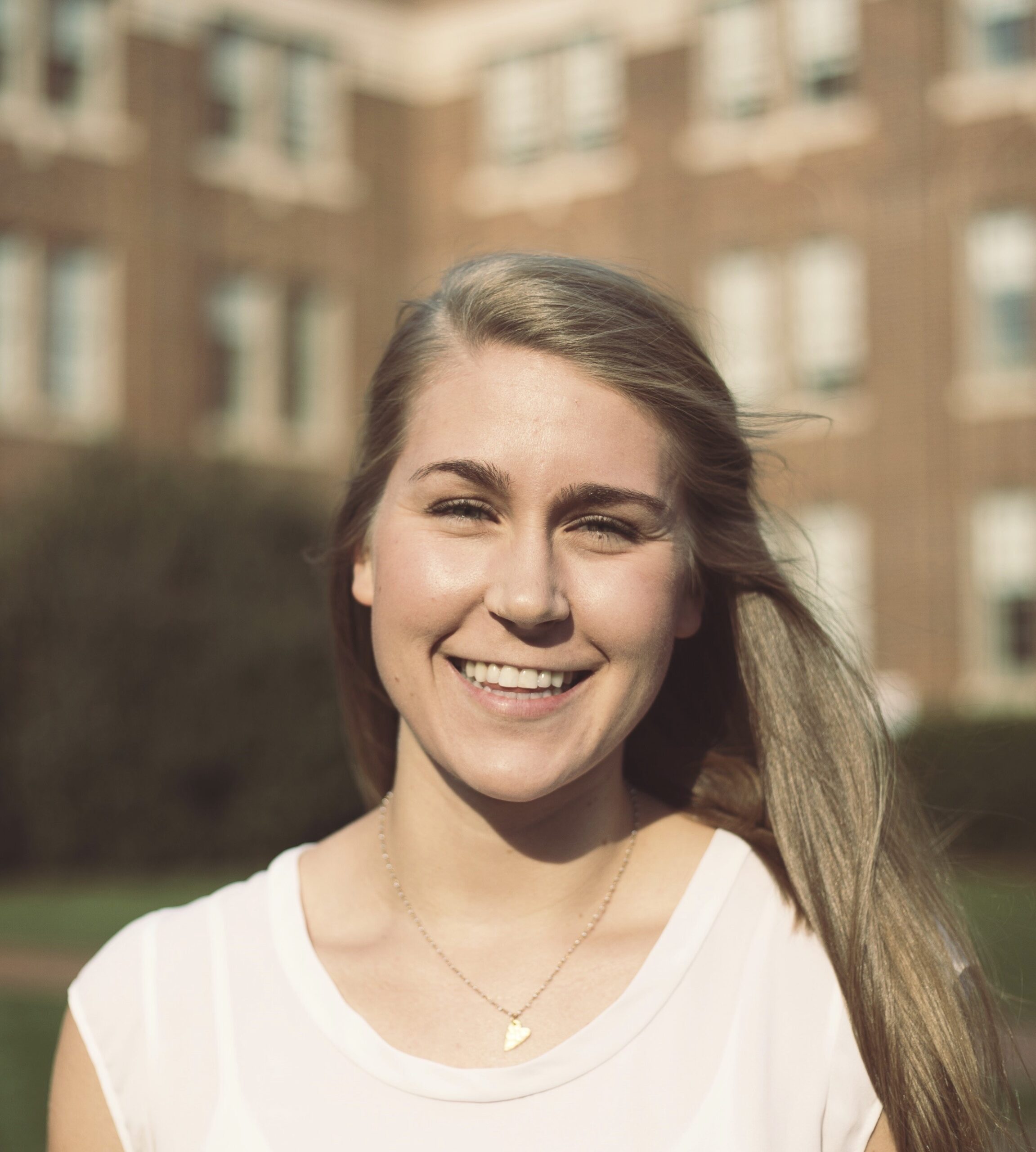
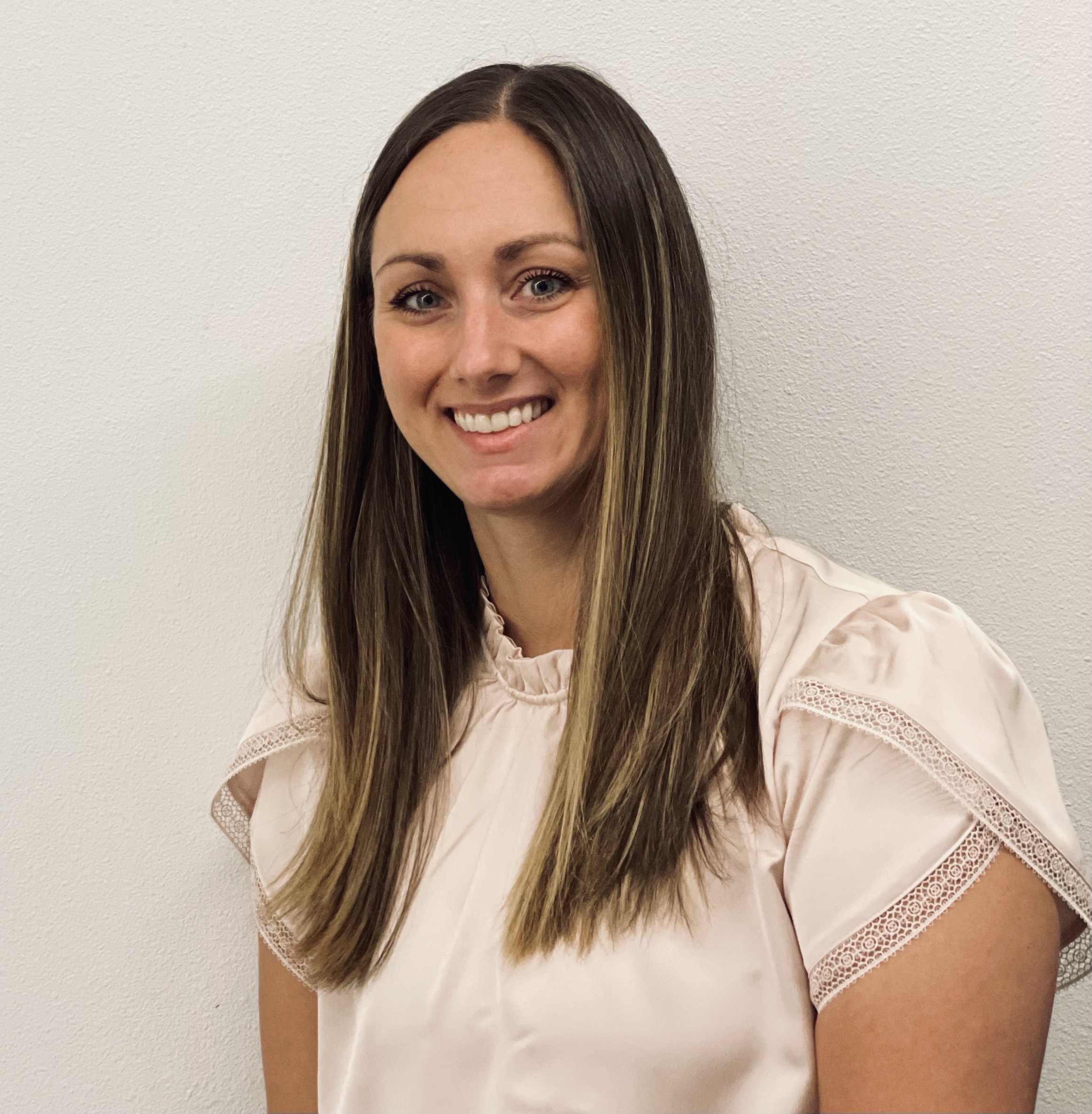
Scholar Spotlight: Sarah McKiddy

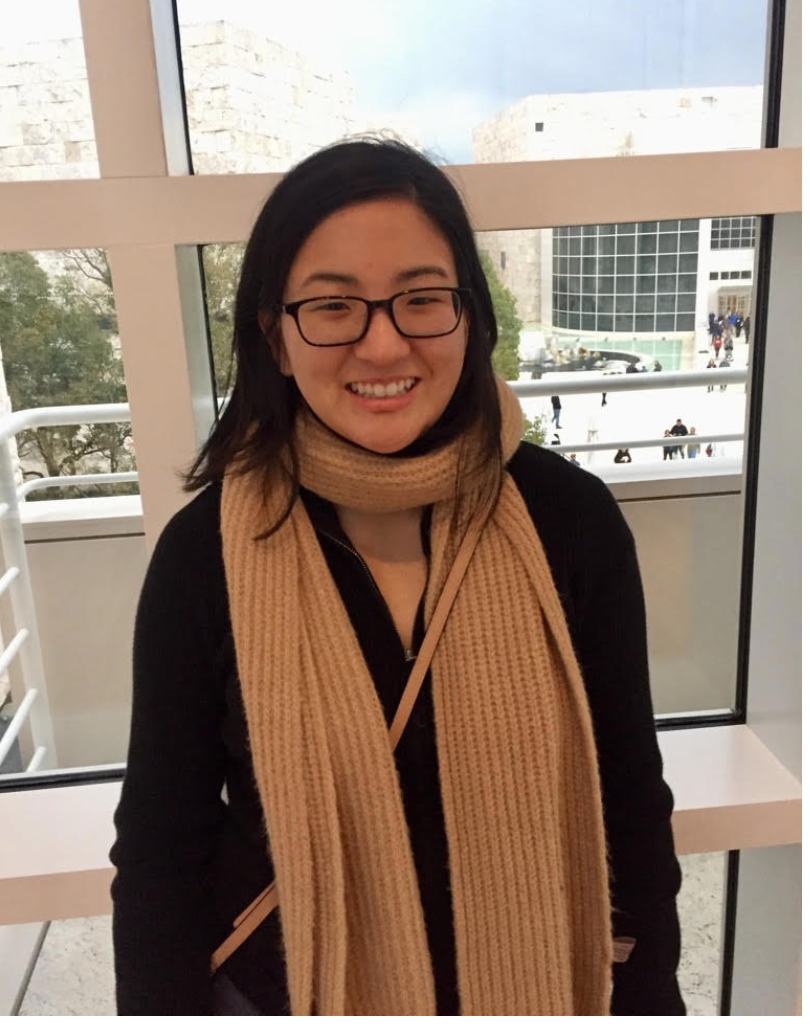
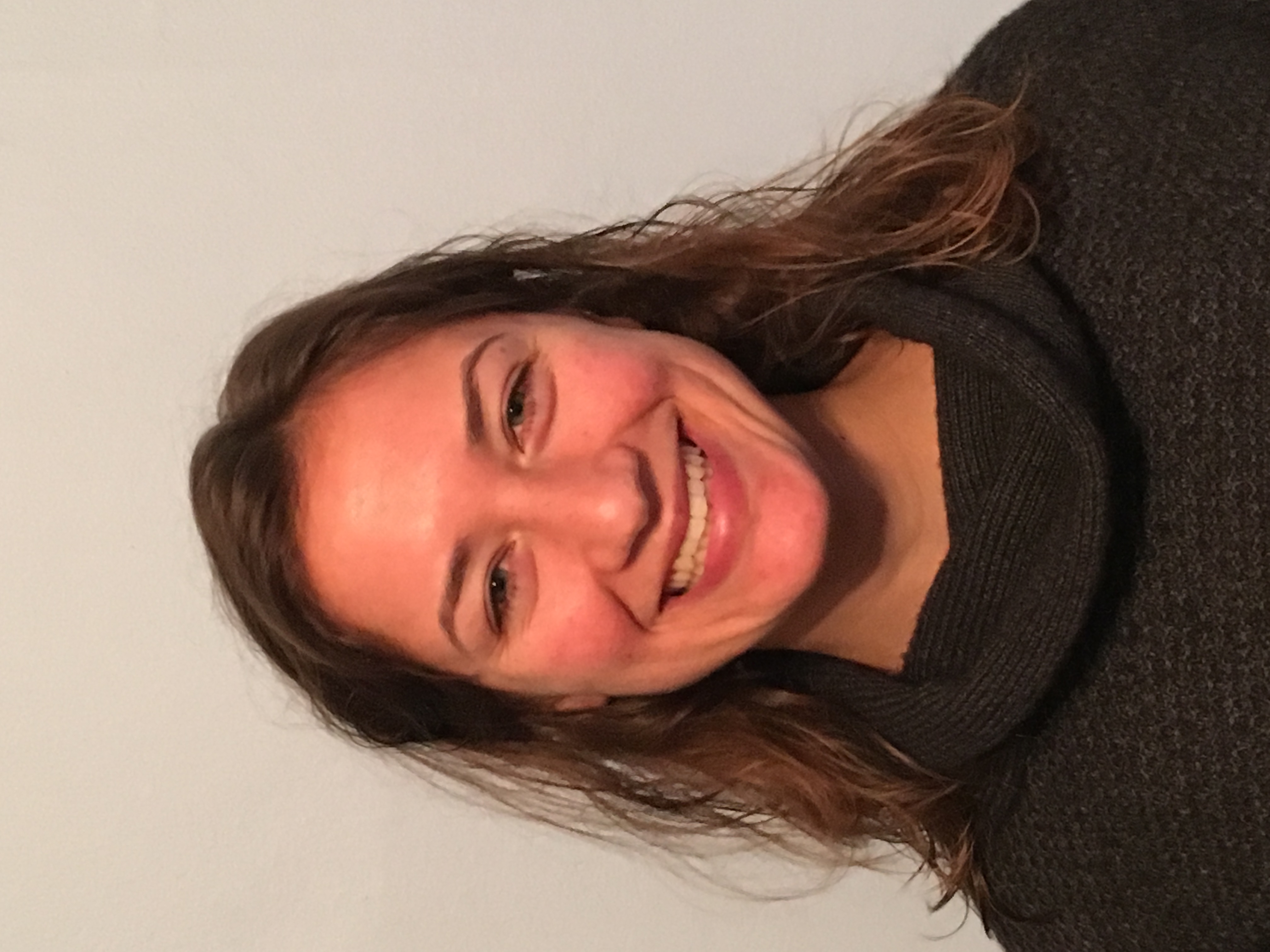
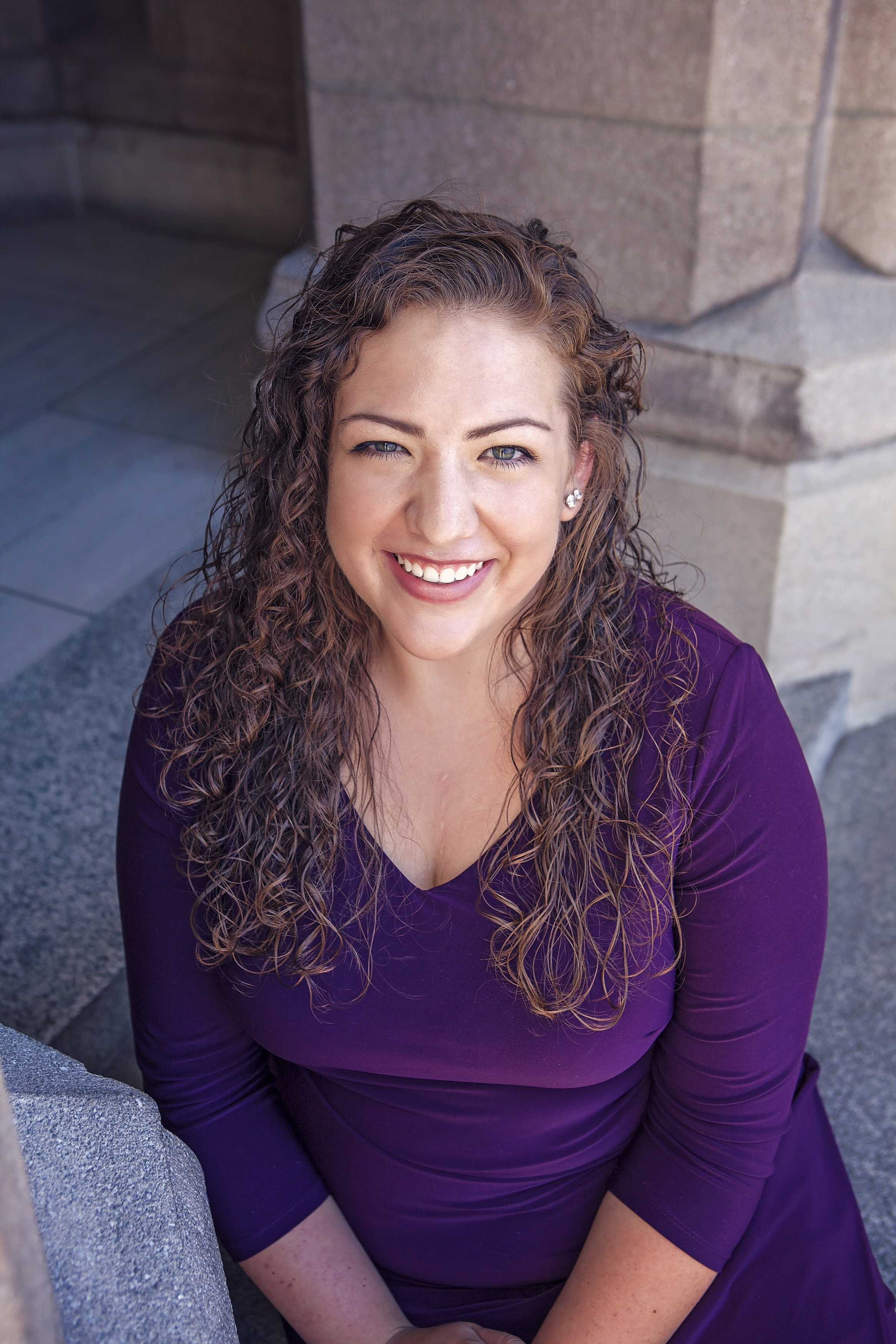
Sarah McKiddy is a first year PhD in Nursing Science student and the de Tornyay Center’s 2021 pre-doctoral scholar. Her faculty mentor is Basia Belza. Her research interests include neurocognitive disorders, healthy equity, and building the evidence to support music as a therapeutic intervention.

Why did you choose nursing?

Through a culmination of my mom’s cancer treatment years ago and the quest for more engagement with my community, I viewed nursing as a field with opportunities to continually self-reflect and evolve from patients, colleagues, and daily experiences. Nursing has an increasingly diverse role and scope. I also considered it to be quite daunting, especially coming from a musical background, but equally fulfilling.

Through my mom’s experiences, I know the profound impact nurses can have on a person’s basic comfort, needs, and outlook. I held this sentiment close to my heart in my decision to pursue nursing.

Was there anything that made you decide to make the transition to nursing?

I taught violin lessons in a variety of settings, from private lessons to youth orchestras to public school programs. I often noted disproportionate access to music education, like students not having a functional musical instrument or discontinuing music lessons due to transportation issues. I began to see a myriad of disparities and it was one of the reasons I reevaluated how I could help more as a teacher. I wanted to do more on an internal level with the people I met, which led to a field that would teach me the knowledge and skills to care for those in vulnerable settings or conditions.

How do you feel like your musical background connects with nursing?

Listening to and performing music was a retreat for me throughout my life, but I also found it to be a way to connect to others; it has cathartic, introspective, and healing qualities. Nursing also has these intimate and communicative elements.  I also did outreach as a violinist. I played my violin at hospitals, nursing homes, and assisted living facilities. Often, residents shared the extent to which the music transported them and, in doing so, comforted them.

How did you become interested in healthy aging specifically?

During my nursing studies, I was introduced to healthy aging and how it pertains to quality of life and preserving one’s dignity at all life stages. Healthy aging invites inclusive and positive dialogue on our shared aging experience.

Have you done any past work in healthy aging?

I started a chapter of the Youth Movement Against Alzheimer’s at my nursing program in Boise. I learned about the organization through attending the de Tornyay Center’s Ignite Aging Symposium last year. The movement’s mission is spreading awareness about Alzheimer’s and other dementias while engaging the youth in sharing information for this population.

Other nursing students joined, and we had the opportunity to work with the Alzheimer’s Association Greater Idaho Chapter, which was a remarkable glimpse into an organization committed to a community-driven vision and practice.

I learned more about dementia’s impact on care partners and family members, along with the scarcity of resources. It can be an overwhelming and complex experience for the entire family unit. I recognized there was a potential gap in support, but I did not realize the magnitude.

What made you realize you wanted to get involved in research?

The nursing process requires you to constantly inquire, assess, and examine the holistic picture of any patient. My desire to get involved in research strengthened throughout my courses and clinical experiences. I recognized a theme of patient advocacy and engagement with diverse and underrepresented populations in the nursing research literature and I wanted to distill my experiences into applied research.

I am grateful for the wonderful mentors who inspired and encouraged me to improve the outcomes of patient populations through critical thinking and self-led projects rooted in research methodologies. I saw nursing research as a pathway to rigorously examine and sift through what I was learning about, what I was seeing in the hospitals and community, and then try to identify ways to address gaps in care. Nursing research can serve as the antidote to apathy, stigmas, and inequalities in society through evidence, clinical implementation, and community involvement.

What were the projects you worked on in your undergraduate nursing program?

One of the first evidence-based projects I worked on was on music therapy and its effects on people living with dementia. Based on a literature review, my research group provided basic recommendations for implementing music therapy techniques into nursing practice.

I also worked on focus group questions for gathering student nurse feedback on incorporating telehealth into a curricular clinical setting. It was timely and significant to gain perspectives on telehealth from current students soon to enter the workforce. The project contributed to a telehealth program proposal for psychiatric mental health training in Idaho.

Alongside Dr. Renee Walters, I conducted a study on self-compassion, resilience, and professional quality of life with nursing students and faculty. Through collecting baseline data, we wanted to better understand the coping strategies for promoting longevity and optimal wellbeing in an ever-evolving work environment.

Do you have plans after graduation?

I hope to stay involved with community-based projects and contribute in a meaningful way to healthy aging initiatives.

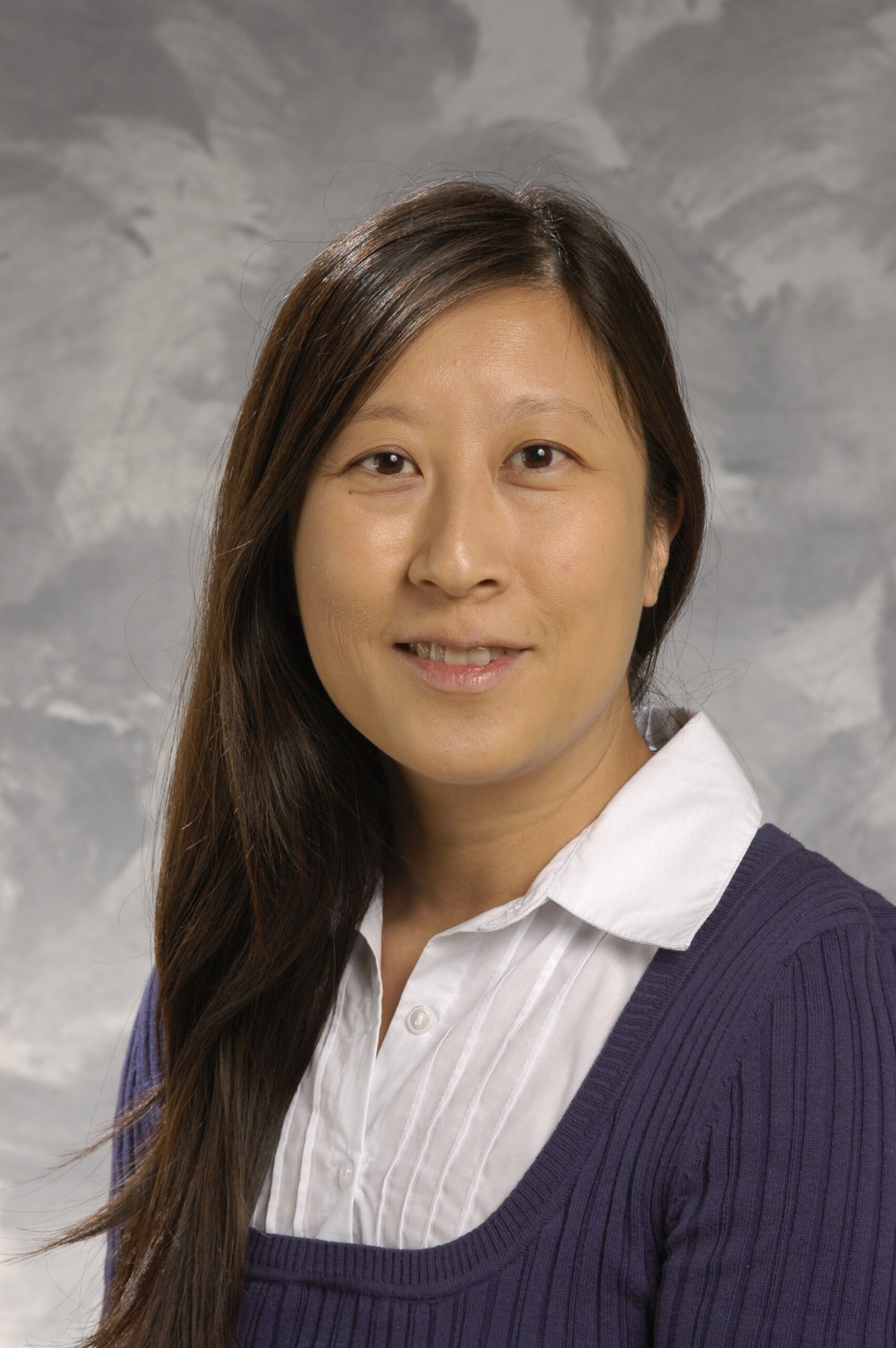
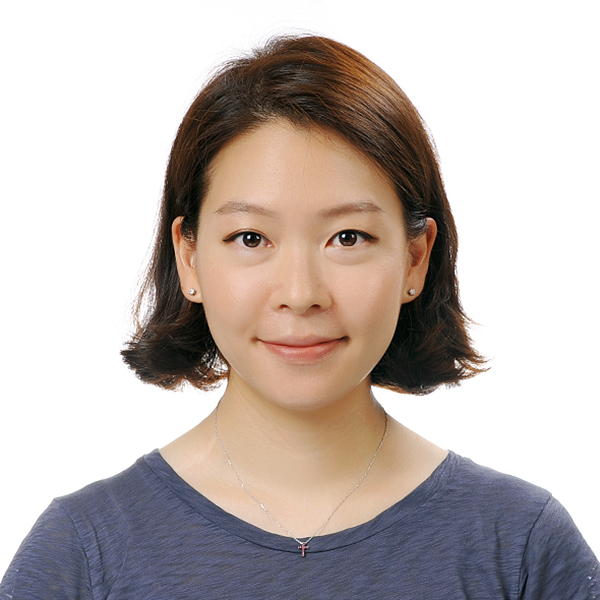
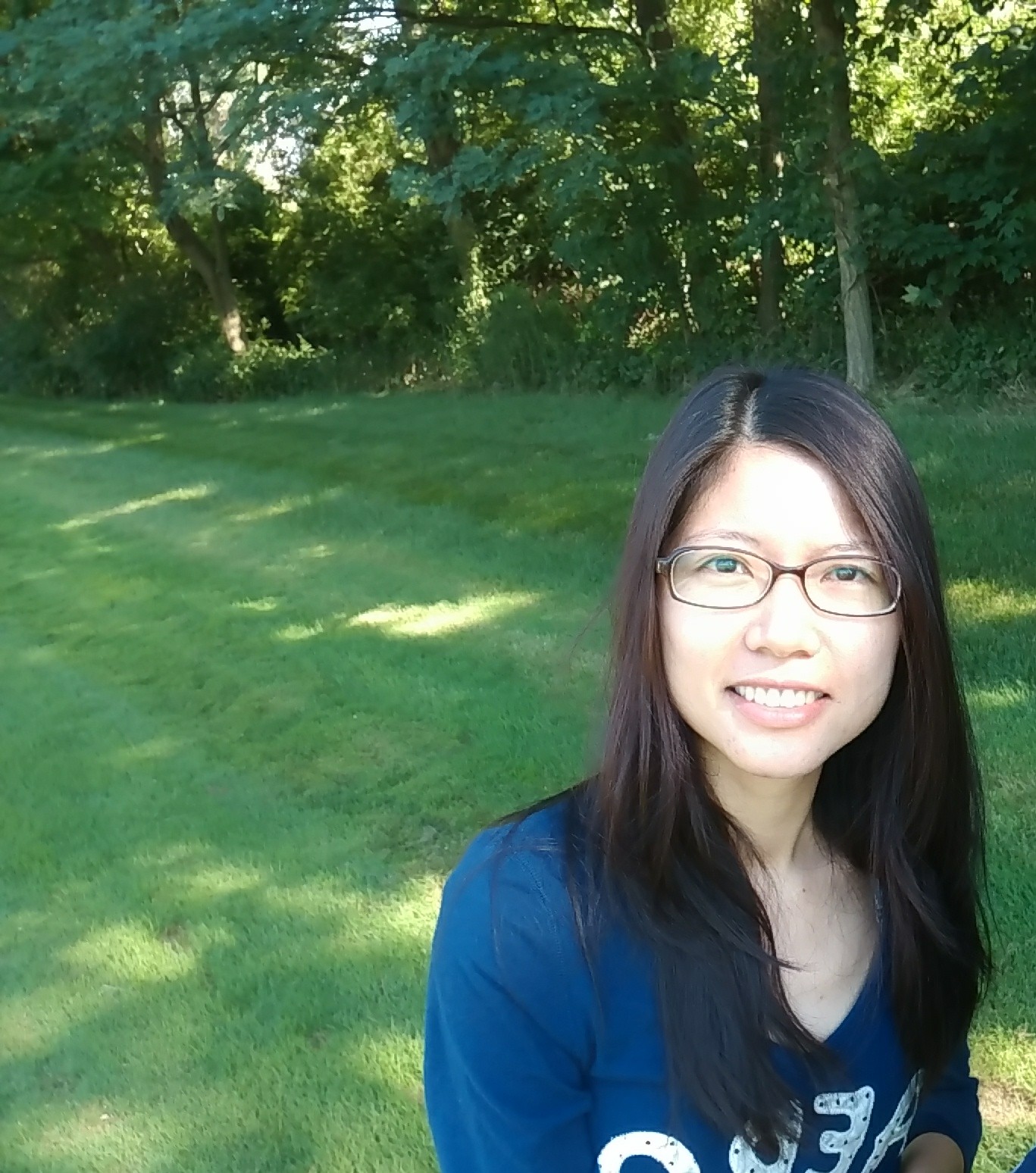
Scholar Spotlight: Shumenghui Zhai

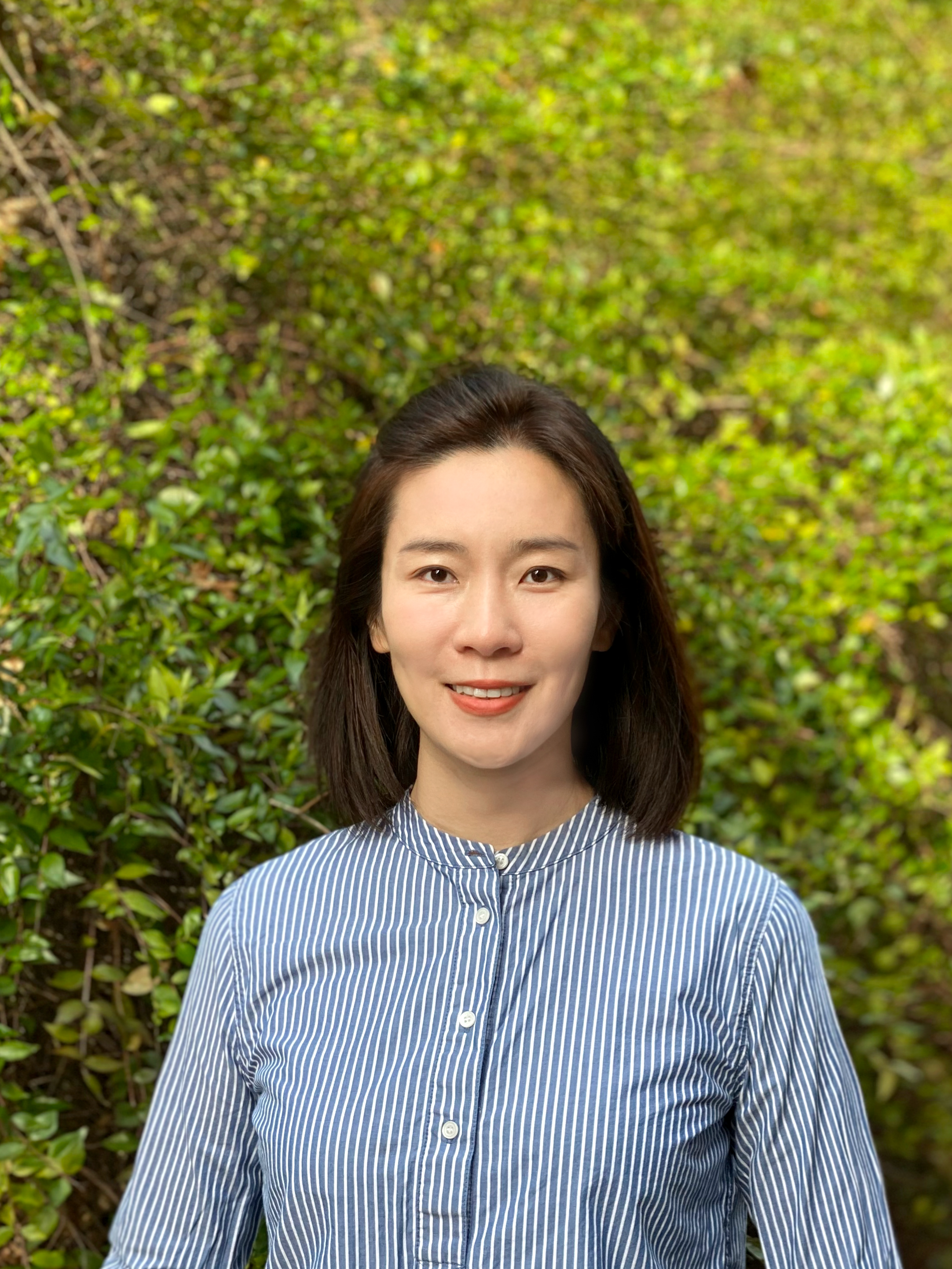
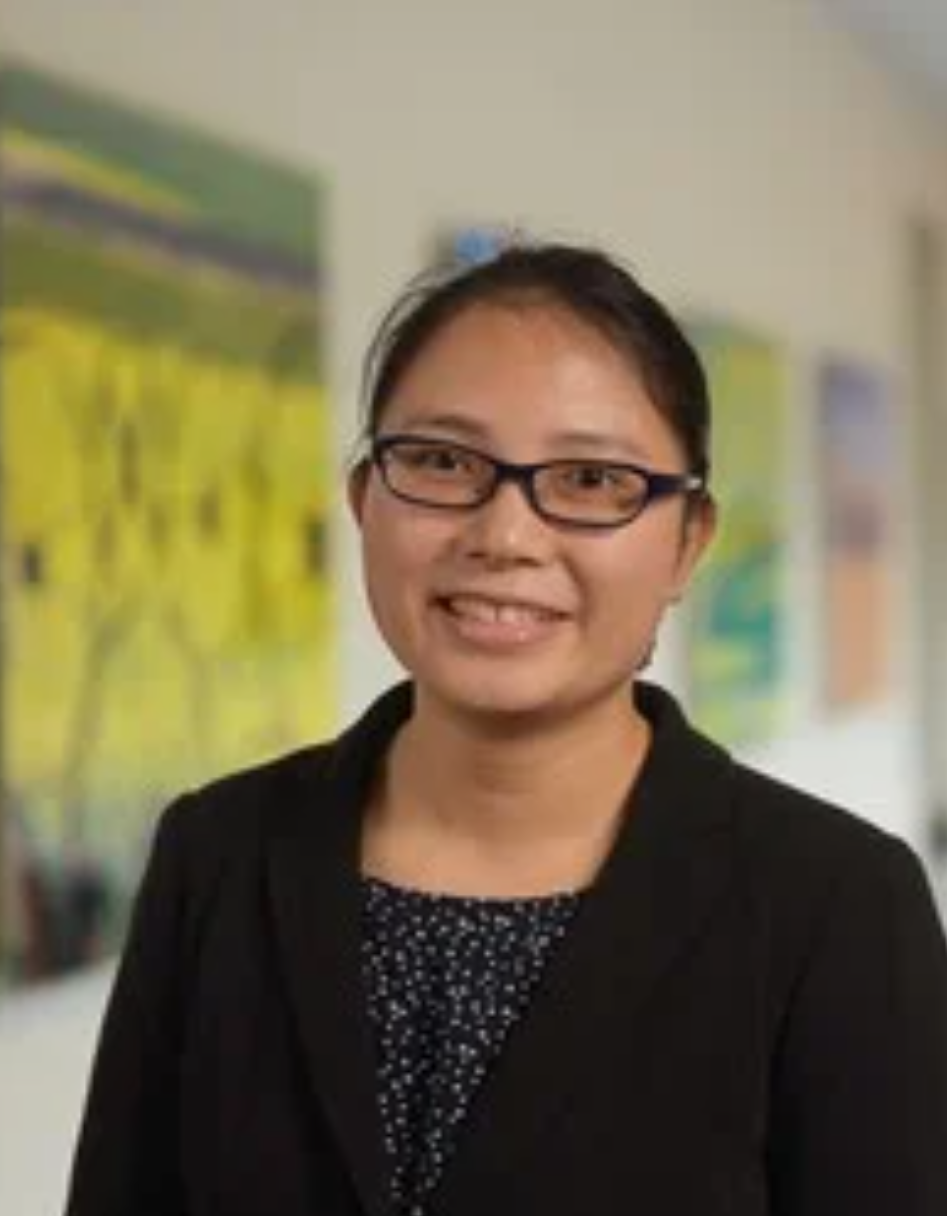
Shumenghui Zhai is a third-year PhD in Nursing Science Student. She was awarded the 2021 Western Institute of Nursing Carol A. Lindeman Award for a New Researcher for her work, the first UW student or faculty to win the award since 2008. Her dissertation is about tech-enabled solutions for sleep research in children with chronic conditions and their caregivers. Hui’s dissertation faculty mentor is Teresa Ward.

What made you choose nursing?

Most of my family members are healthcare professionals. My grandma was one of the first female professors dedicated in the nursing education in China. I have sincere respect for nurses and other health care professionals. Listening to my family members’ stories, watching them practice, and feeling their passion for helping patients deeply influenced my career choice. For me, nursing is above and beyond a job, but also a belief and lifestyle. I want to contribute my knowledge and skill to help patients and their family caregivers, especially those underserved and underrepresented.

How has your experience with the school of nursing helped you with your career trajectory?

First of all, the faculty members and staff are incredibly resourceful, passionate, humble, and creative. They inspired and motivated me with their wonderful research mindset, solid and compressive knowledge and skills. Learning and working with them unlocked my passion and desire to be a good researcher in the future.

In addition, the school of nursing always provides us the platform for interdisciplinary researchers to share and talk their work and thoughts, stimulating more innovative ideas and possibilities to be boundless. I am lucky to be part of this inspiring community!

What’s been an unforgettable experience during your time here?

During my past three years studying here, I truly appreciate the student-centered environment in the school of nursing. I can feel students’ needs are the first priority here. Faculty members and staff are super supportive, positive, encouraging, and connecting with students. Whenever I need help or guidance, the faculty members or staff are always there to support, and work together with me to explore potential options and strategies. I felt fully respected and empowered.

I also appreciate how flexible the system is. It allows us to have sufficient time and space to explore what we really want to do for our research, and gives us incredible freedom to decide which topic, what skills we want to build for our career.

Could you briefly describe your project with Asian Counseling and Referral Services?

Asian American and Pacific Island (AAPI) older adults age 65 and older represent one of the fastest-growing populations in the U.S. and face a public health crisis: dementia. AAPIs are at high risk for under-detection of cognitive impairment and delayed diagnosis and suboptimal management of dementia. Yet, data on dementia and AAPIs are limited. Cultural appropriate intervention programs for AAPIs, especially its sub-groups, are missing. To better understand AAPI older adults and to develop future interventions, we explored the knowledge, perceptions, and beliefs of memory loss and dementia among older Korean, Samoan, Cambodian and Chinese ethnic groups using focus groups. We also examined culturally relevant facilitators and barriers to their participation in a brain health program. It has been a truly fantastic journey to collaborate with Asian Counseling and Referral Services. Every person there is amazing,and I am so grateful for receiving tremendous support from the de Tornyay Center.

Was there anything that surprised you while doing this project?

People often oversimplified AAPI as one group with the same characteristics. However, when we were doing this project, we realized how diverse the AAPI community is. AAPIs face unique challenges and struggle in silence. We were surprised to learn that most of our participants believed memory loss and dementia were a normal part of the aging process. We were also surprised by the overwhelmingly negative perception and the cultural stigma associated with memory loss and dementia among them.

Why is this work important?

The number of AAPI older adults is fast-growing and expecting to grow more than 350% (from 1.6 million to 7.6 million) in the next 50 years. Most older AAPIs do not report symptoms of dementia to a health care provider due to many barriers, like the limited English proficiency, inadequate knowledge about the risk factors of ADRD, and misconception and cultural stigma associated with dementia. We need to help: know their culture, raise their awareness, get them connected, support them with recourses and intervention, and improve their quality of life and reduce the burden of their caregivers.

How would you like to see this research and your findings used?

I hope this project can help or inspire other researchers in studying cross-culture population. Another hope is that the findings can help AAPI older adults get more attention and support. One of our ACRS collaborators, Dr. Gail Li, plans to develop and test a multidomain brain health intervention tailored to the AAPI population. Our findings can inform her team in creating a more culturally appropriate intervention for AAPI sub-groups. In addition, since our research population was multi-culture and multi-language (four ethnicities with four languages), we developed several standard operation protocols to keep each operation step consistent and ensure the data quality. These protocols could be adapted for many other studies.

What interests you about healthy aging?

During my first year PhD study, I had a fantastic opportunity to join a multidisciplinary team of senior students and faculty, where I engaged with a 90 plus -year-old nurse blogger, learned to conduct qualitative research, and co-authored a thematic analysis publication. Based on this experience, I became more interested in healthy aging, especially in the AAPI population. While reading the literature and conducting focus group discussions with older AAPIs, I realized how much they are struggling and how lonely they are. They are a group that has long been ignored. They need to be seen, and supported.

What are your plans after graduation?

I want to be a researcher and a teacher. I want to transfer what I’ve learned about research to the next generation of nursing scholars: start with love for people; be curious and boundless, ask more good questions, enjoy the research process, provide evidence from data, disseminate data to stimulate better work, and help more people.

Scholar Spotlight: Olga Yudich

Olga Yudich was one of the recipients of the de Tornyay Center’s 2021 Pathways to Healthy Aging Award and one of the de Tornyay Center’s Healthy Aging Scholars. A recent DNP graduate, her project was ‘ Improving Coordination of Care of Highly Complex Geriatric Patients in Primary Care’. Her faculty mentor was Hilaire Thompson.

Why did you choose nursing?

My mom was a nurse in Ukraine. Back in high school, I was going between business and the medical field, and she suggested I try nursing. I started working at a nursing home and fell in love with my residents. That job reassured me that nursing was for me.

What about that experience at the nursing home made you realize this was what you wanted to do?

Their stories. It was probably the hardest job I’ve ever had, but coming into work with my cup of tea and being able to sit down, have breakfast with them, and get to know them — they really did become my family. I learned so much.

Aside from taking care of them and helping them with their basic needs, I wanted to help them with social services and help them live a long healthy life by managing their health care as well.

What has been an unforgettable experience during your time at the school of nursing?

My clinical experiences have been amazing. I have met some incredible people. Despite COVID, it’s been amazing to watch everyone adapt and work together to help us get through school and support us.

How has your experience at the school of nursing helped with your career trajectory?

The faculty have done a good job helping us figure out what we’re most passionate about and giving us the freedom to pick and choose what we want to focus our research and papers on.

What interests you about healthy aging?

I enjoy the population. I think the complexity of their care is challenging but the most rewarding. The happiness you feel when you connect someone to social services they need or make a difference in their care, it’s the greatest thing. Helping them age at home should be a goal, especially with them living longer. I don’t think this can be done if we just focus on health needs and managing co-morbidities without assessing whether they can afford their food, whether they’re safe at home, whether they can get around and get physical activity. It goes back to independence and quality of life and ensuring they are able to age with dignity and independence.

Could you talk a little bit more about your project with the de Tornyay Center?

I partnered with County Doctor Community Health Centers in Seattle. They have two primary care clinics. I worked with them on creating a navigation tool, because there we found that there’s a knowledge deficit among the staff when it comes to connecting older adults to local social services. The tool that I created was aimed at mapping local care resources and partnering with these organizations.

Our healthcare system and our social care, they’re so fragmented and our healthcare system is complex in itself. We don’t really have a common platform, and it creates a problem when trying to take care of a person holistically. This tool helps the staff become more familiar with the resources in order to help older adults navigate social resources.

What does the navigation tool look like?

I decided to use SharePoint because I felt like it could be accessed easily throughout the normal workflow. I also liked how after I would be done with my project staff members could continue to edit and update the page. A binder would limit who could access it and could go out of date quickly. I thought the most important part of this tool was that it could be sustained and staff can keep it up to date long term.

How did you first get involved with the project?

We chose our top five topics for our DNP project, and this one seemed like the perfect fit. It had the population that I’m the most passionate about and I’ve learned how much the social determinants of health impact health outcomes. I’m very passionate about including that when I’m when I’m serving patients and making sure I’m aware of their needs. Assessing for those needs is so important, so it was the combination of the topics that stuck out to me when I was picking my project out.

Was there anything that surprised you while doing the project?

When I first started, I was a little overwhelmed because of how complex this is. The root of the problem is that we don’t have a common platform for social care and health care. But when I did the assessment and sent out the initial survey, I learned that there’s small things that can be done to improve system navigation. That included increasing awareness of social services and creating a tool like this for the staff.

Why is this project and work important?

We have a growing aging population. Older adults are living longer, and living longer with multiple co-morbidities. Often these co-morbidities require social services for adults that become weak at home and more frail. They may need help with nutrition or assistive devices or help with chores. Things to help them age in place, to be able to remain in their community and not have to have their independence taken away. Anything to keep them in their own space, I think, is important for quality of life.

Are there other similar collection of local resources?

The local organizations do a good job of having resources on their websites easily accessible. They have links and PDFs of things like food banks, places older adults can get meals, or senior centers. It’s a matter of connecting primary care, which was what my focus was on. I pulled from what’s already out there to create a more accessible tool so the staff wouldn’t have to go and look for things on the Internet.

What are your plans for after graduation?

I’m currently studying for the DNP certification exams and applying for jobs. Nothing set in stone, I’m just exploring what’s out there right now.

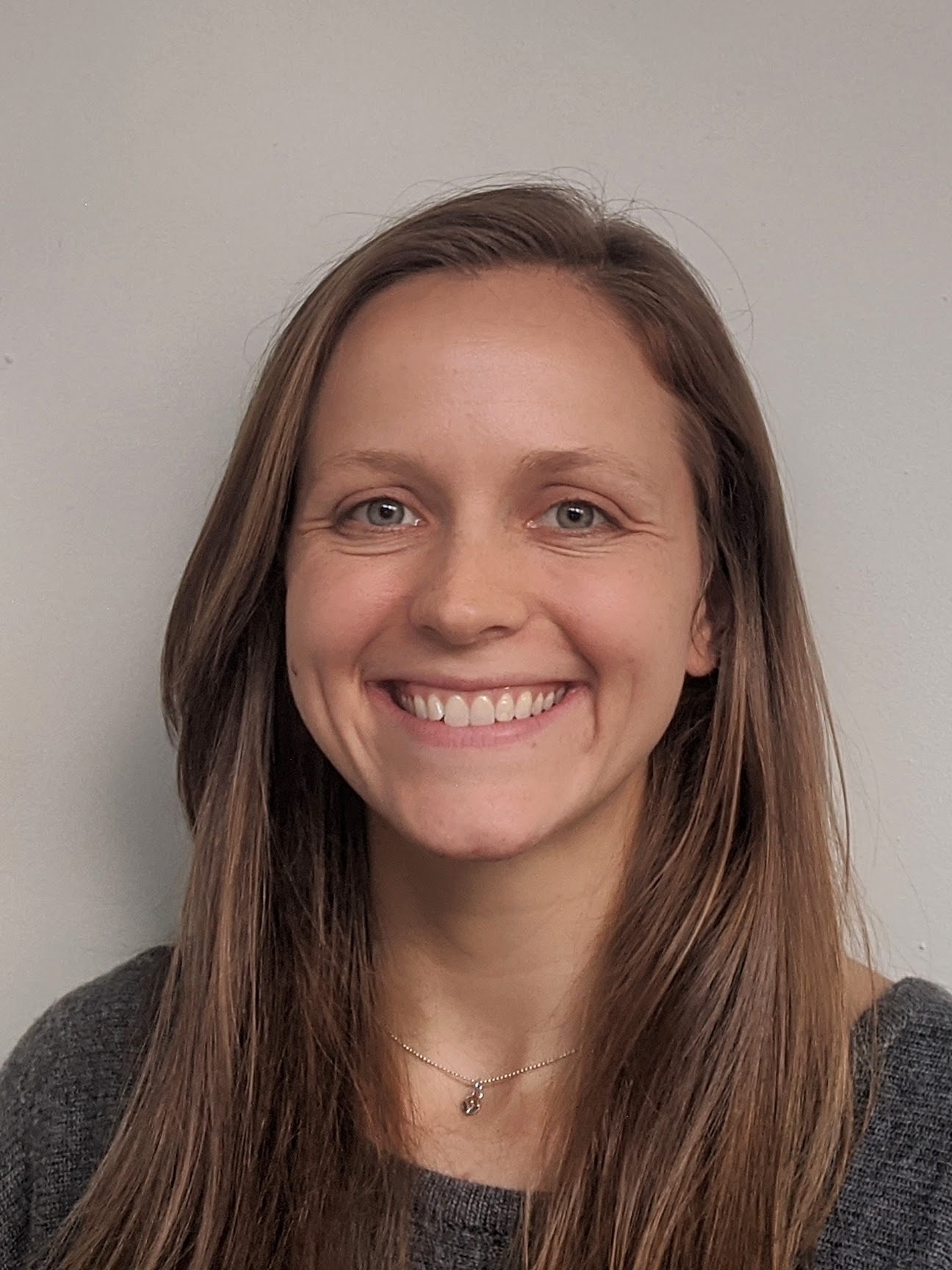
Scholar Spotlight: Claire Han

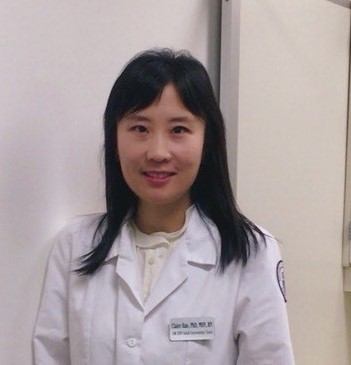
Claire Han was the de Tornyay Center’s 2020-2021 Germaine Krysan Doctoral Scholar. A recent DNP graduate, Han’s project was ‘Tailoring Chronic Disease Management Care Pathways to Older Adults and their Caregivers in Adults Family Homes’ and faculty mentors were Hilaire Thompson and Kristen Childress.

Why did you choose nursing?

When I was between five and eight years old, my mom had severe anemia, and went to the hospital multiples times in a year. Most of the time I followed her to her appointments. When I visited hospitals, the nurses and physicians were always kind to my mom and me. After three years of treatments, my mom fully recovered, and I thought that being a nurse or physician would be a good career where I could help sick people.

What has been an unforgettable experience during your time at the School of Nursing (can be general or specific)?

The School of Nursing provided great opportunities for interdisciplinary training. Interprofessional education sessions and guest speakers from different disciplines during the DNP courses were great experiences. Taking courses outside of the School of Nursing gave me an opportunity to work with students in different disciplines. I learned a lot from them by expanding my perspectives on how to do nursing research and provide patient care. Dr. Hilaire Thompson, the chair of my DNP project and mentor, always challenged me to think about the connection between nursing research and clinical application, by considering the feasibility, value and benefits of nursing research.

How has your experience at the School of Nursing helped you with your career trajectory?

The School of Nursing trained me well by providing experience in both clinical-based practice and clinical research during the DNP program, as well as intensive research trainings during my PhD program at UW.

The School of Nursing also provided great mentorship. I met great faculty mentors who are my role models in my career development. They provided insight into my future career as a primary care provider, nursing researcher and educator. They taught me professionalism, and trained me to be good scholar, a good person, a good team member as well as a patient advocate. Several nursing faculty at the UW have worked as a nurse clinicians, researchers and educators. Their roles gave me the motivation to pursue a DNP degree after completing my PhD degree.

What made you realize you wanted to do research?

When I started my job as an ICU nurse, I was not aware how closely research is associated with clinical practice. Later, when I joined an evidence-based practice nursing task force team, I realized that every clinician should know and utilize research for our clinical practice. That moment gave me a strong passion to pursue evidence-based practice in my career.

I have been working as a nurse for 8 years in ICU and in geriatric areas. Given my clinical background, I am interested in research to improve self-management of older adults with chronic diseases and their symptoms.

What interests you about healthy aging?

I am interested in maintaining dignity, self-care ability, and quality of life as we get older.

What is your healthy aging related project?

My project is to develop chronic management care pathways for home health aides and older adults in adult family homes. This care pathway is a simple step-by-step guide to managing heart failure, diabetes, and hypertension in adult family homes.

Has there been anything that’s surprised you while doing this project?

There are growing numbers of adult family homes, which are home-like environments for older adults. Eighty percent of older adults have at least one chronic disease in adult family homes. More than 80% of older adults in adult family homes rely on home health aides as unlicensed formal caregivers. Despite the demands of quality of care in older adults, I found that there was lack of education, guidelines, and resources for home health aides on managing chronic diseases in adult family homes. It is significant finding, and I am glad that I can bring up this issue through my DNP project and in-depth literature review.

What interested you about this project?

I was interested in developing practical tools, or care pathways, to guide caregivers, tailored to adult family home settings. In adult family homes, there are no nurses or nurse aides. The caregivers are not medically licensed. So, they need education and guidance in managing older adults’ chronic diseases, specifically in hypertension, diabetes and heart failure, the most common diseases among older adult residents in adult family homes.

Why is this work important?

With my project, my ultimate goal is to improve the quality of caregivers’ skills and knowledge in managing the chronic diseases of their older adult residents and improve their confidence in caring for residents by providing evidence-based practice. This project will contribute to community and public health in the geriatric population.

What are your plans after graduation?

With my DNP degree and as a primary care provider, I would like to work with older adults in long term care, skilled nursing facilities, home, and hospice care areas. Also, I would like to continue my DNP project to improve symptom management and self-care of their chronic diseases in older adults in adult family homes.

Scholar Spotlight: Susie Cho

Susie Cho was the de Tornyay Center’s 2020 Myrene C. McAninch Doctoral Scholar. A PhD student, Cho’s project was ‘A Qualitative Thematic Analysis of the Facilitators and Barriers to Self-care Practices in Care Partners of People Living with Dementia’ and faculty mentor was Tatiana Sadak.

Why did you choose nursing?

I was fond of what my grandfather did as a physician and so I would always go into his clinic whenever I had a chance. I think my admiration for what my grandfather did as a healthcare provider led me to go into health care and more specifically, nursing.

What has been an unforgettable experience during your time at the school of nursing?

The most unforgettable experience would be my first year of the Ph.D. Program. It was exciting to meet students from different fields studying different things and even from different countries. We would often talk about our goals and the passion that led us to enter this program. One of the most outstanding commonalities we had was that we were all on the same boat going through a drastic change from being a clinician to becoming a researcher. It was encouraging to have those colleagues. The memories that I have from my first year of the program are especially unforgettable because we don’t get to see each other as often as we want these days.

What made you want to transition into research?

I was heavily trained as a clinician before I entered the Ph.D. program. I noticed that I was asking myself more theoretical questions, which required me to think more philosophically. I wasn’t able to answer those questions because I didn’t have the right tools or know how to approach scientific questions. For these reasons, I transitioned into research that allowed me to expand my knowledge to a broader field of nursing as well as in psychology, sociology, and other relevant areas.

What kinds of questions?

I’m interested in palliative care and integrating that into the patients’ care trajectory, especially in patients with advanced cancer. Some questions are around when does one realize one’s terminality, especially when making decisions related to palliative and end-of-life care? And what accounts for such differences between individuals and within the same person at different times of life?

Could you describe your project with the de Tornyay Center?

It is a secondary data analysis study developed as a part of a larger study on a tool called “Managing Your Own Wellness (MYOW).” MYOW is a comprehensive measurement tool that intends to capture care partners’ self-care behaviors of people living with dementia (PLWD). Some of the questions that they asked during the interview were: How is your self-care practice? How are you doing it? Is there anything that’s preventing you from doing it? Is there anything that facilitates it? I’m taking that part of the interview data and analyzing the themes that emerge from the data.

Has there been anything that’s surprised you while working on the project?

The most prominent thing that arose while immersing myself in the interview data was how the care partners perceived their own self-care practices. Interestingly, the caregiver’s self-care practices’ main focus was heavily dependent on the caregiving they provided. Contextualizing the caregiving situation was critical in understanding the caregiver’s self-care behavior. Some found themselves too accustomed to taking care of the care recipient to the point where it was confusing to talk about their self-care practices without separating themselves from caregiver responsibilities.

What interested you in this topic?

I think it was the focus on the care partners. I, as a clinician, had encountered multiple situations where I had to counsel the care partners who take care of a PLWD. As soon as I heard that it was a study that focuses on the care partners and how they take care of themselves, that interested me.

Why is this work important?

While being involved in this study, I realized how much the healthcare system relies on the care provided by nonprofessional caregivers, such as spouses and children of the PLWDs. Existing data also confirm that nonprofessional caregivers play a vital part in the well-being of the dementia population. I think that’s why shedding light on their responsibilities and what that entails is important for the community’s overall health.

What interests you about healthy aging?

I’ve been taking care of older adults throughout my professional nursing career. I have always enjoyed learning from their life experiences. Also, I have always wanted to interpret their stories to help them create an environment where they can enhance their well-being.

How has your experience at the school of nursing helped your career trajectory?

There are several opportunities to do hands-on research. One is doing independent studies and being involved in research studies conducted by faculty in the School of Nursing. We learn a lot by taking courses, but they’re less practical unless we apply them in an actual research environment. The opportunities have helped me learn more about: How do we collect data? How can I analyze this? What are the processes of publication? How do we work as a team? And a lot more.
What are your plans after graduation?

I envision myself in a position where I can do research and teach nursing students and assist them in becoming nursing scholars.

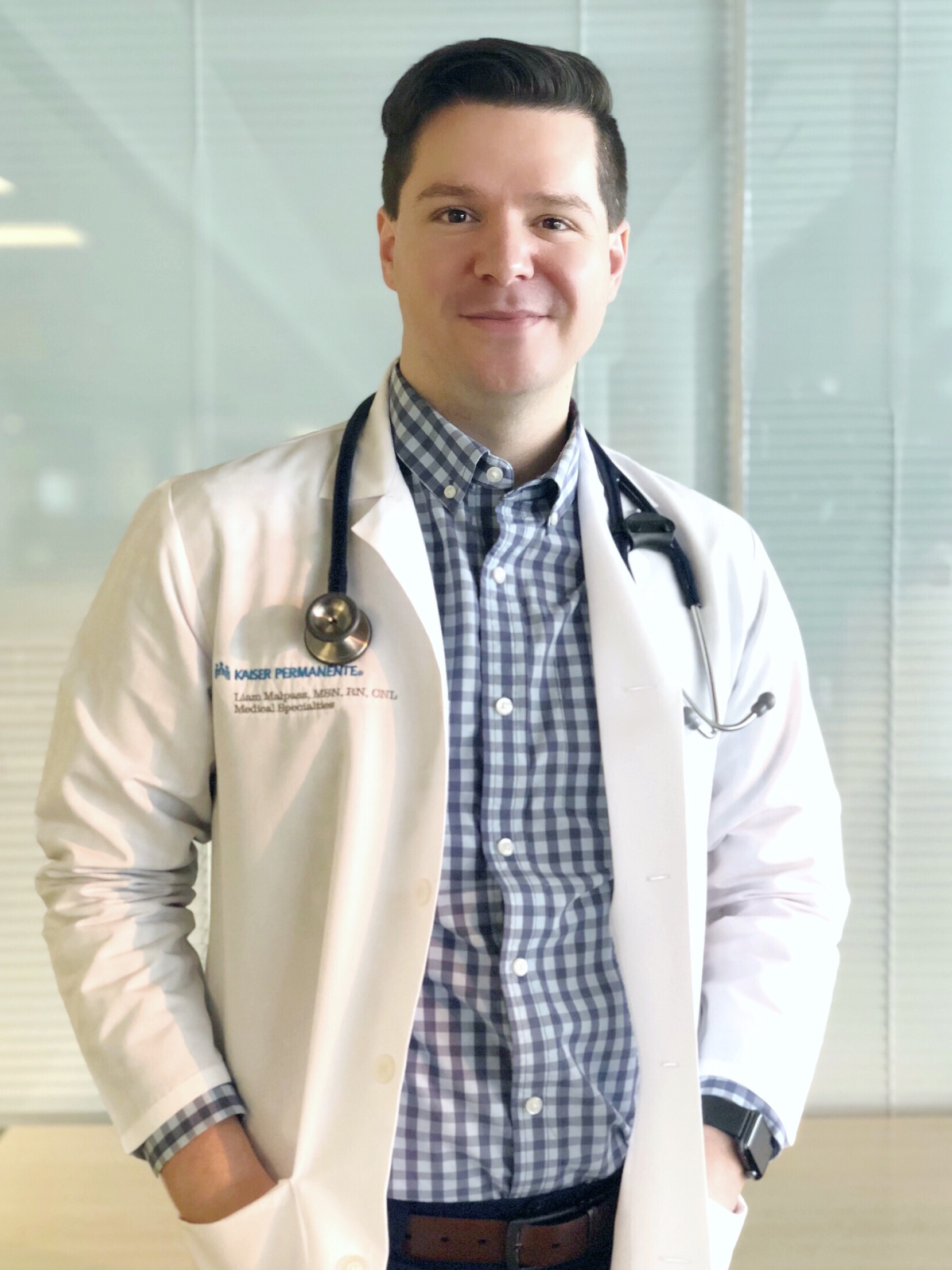
Scholar Spotlight: Liam Malpass

Liam Malpass was one of the recipients of the de Tornyay Center’s 2021 Pathways to Healthy Aging Award. A recent DNP graduate, his project was ‘ Improving Utilization of Telehealth among Clinicians Caring for Older Adults’. His faculty mentor was Gail Johnson.

Why did you choose nursing?

Nursing was a natural career path for me. I’ve always loved helping people and have been interested in science and health. My mother works in a hospital as an educator and so I grew up in the clinical environment. Ironically, when I was younger, I thought ‘I’m never going to go into health care’. Then I found my way here and I couldn’t imagine doing anything else.

Before I got into nursing, I worked in healthcare administration supporting marketing and public policy teams. The experiences I enjoyed the most were those in which I worked closely with clinicians. There were a couple of nurses in my life who, somewhat insistently, encouraged me to become a nurse. So, I took that training and I have never looked back. I love nursing. There are endless opportunities within the profession, and you can find a job doing almost anything, whether that’s patient care or not. That provides a lot of variety and a lot of excitement.

What’s been an unforgettable experience during your time here at the school of nursing?

Going to school during a pandemic. That in and of itself is something I probably will not forget for the rest of my career. We had to become flexible and adapt, whether that was with instruction, or how we operated within the clinical environment. This experience has helped me to become resilient and more comfortable operating within a constantly changing environment. Future healthcare systems will require people who drive innovation, moving fast and implementing ideas to meet constantly evolving needs.

How has your time here at the school of nursing helped you with your career trajectory?

I already have a master’s degree in nursing with a focus on clinical leadership. I was a clinical manager when I started the DNP program, and while I truly enjoyed supporting teams, I felt a continuous draw to return to direct patient care. The DNP program trained me as an advanced practice provider and leader and prepared to meet the increasingly complex demands of our healthcare system. It’s exponentially grown my clinical and leadership knowledge and capabilities. Perhaps most beneficial has been the DNP program’s focus on understanding systemic issues that contribute to disparities in the health of our communities. The ability to apply a lens of social justice in health will continue to influence my practice for the rest of my career.

What’s interested you about healthy aging and geriatrics?

I’ve always enjoyed working with a broad range of ages in family practice. Through my clinical rotations I discovered an interest in geriatrics. I had the privilege to be paired with a nurse practitioner who cares for patients at skilled nursing facilities and who also makes medical house calls for patients who are homebound. The home visits were a truly unique experience. I was invited into people’s homes, which added an entirely new layer of understanding to the environmental factors and the social factors that contribute to older adults’ health and wellbeing. There’s a huge need and opportunity to be an expert in this area, helping people who are living longer enjoy a better quality of life.

Could you briefly describe your DNP project?

I worked with a team of providers who care for older adults across a variety of settings including nursing homes, long term care, and private residences. At the beginning of the pandemic, many of these facilities were locked down, limiting access in an effort to avoid COVID-19 outbreaks. This team had to rapidly figure out how to adapt their care using telehealth. There were a lot of issues that popped up. The team needed help to understand what could be done to improve telehealth with geriatric clients. I had the opportunity to conduct a needs assessment to understand providers’ experiences, identifying both barriers and facilitators to using telehealth.

Then, I conducted a literature review to establish how telehealth is already being used with older adults, identify best practices, and consider how to adapt to the specific needs of this team. I presented my findings to the group and made a point of care tool to help them to improve their experience using telehealth to care for their patients.

What does the point of care tool look like?

The tool is an easy-to-use, concise checklist that providers can pull up when they’re about to engage in a telehealth visit with older adults. It incorporates evidence-based best practices to use before, during, and after visits. My goal was to make the tool as easy and useful as possible. It focuses on actions, resources, and behaviors providers can use to accommodate the unique needs of older adults.

What were some of the telehealth strengths and weaknesses that you found?

Technical glitches were a big problem. It’s surprising, you know, we often say we can put a rover on Mars, but we can’t get a good signal for a video call in a nursing facility. While that’s not something we as clinicians can directly control, we can be partners in guiding improvements. Another concern was determining how to adapt telehealth to accommodate common communication impairments in older adults. Most standard equipment is not well suited to patients who might have a hearing deficit, decreased vision, or a cognitive impairment. Among our providers, there was a gap in knowledge and experience in virtually assessing patients, which contributed to discomfort in using telehealth.

A strength was the effort to include families and caregivers in telehealth visits to provide support for patients. Another great thing was working with the nurses in the nursing facilities to assist with patient assessment. The providers really relied on and got help from those nurses who were able to engage at the top of their scope of practice. Finally, providers’ ability to access health information remotely was a real asset, emphasizing the importance of electronic health record interoperability.

Why is this work important and why might it continue to be important, even after the pandemic?

The reality is that the number of people living to an older age continues to grow at a rapid rate. We’re not going to be able to meet everyone’s needs in the traditional system that we have set up now. Telehealth will be an important tool in helping us to care for the aging population, making sure that we have better care that enables people to age in place, which is something that’s important to many, many people.

What are your plans now that you’ve graduated?

I’m studying for my board exams right now, and I am excited to take on opportunities to grow the skills and experiences that I’ve developed through this project and through my studies at the University of Washington. I would love to work in a position that allowed me to further develop and refine telehealth and understand how technology can help us to promote healthy aging.

Undergraduate Research Symposium 2021

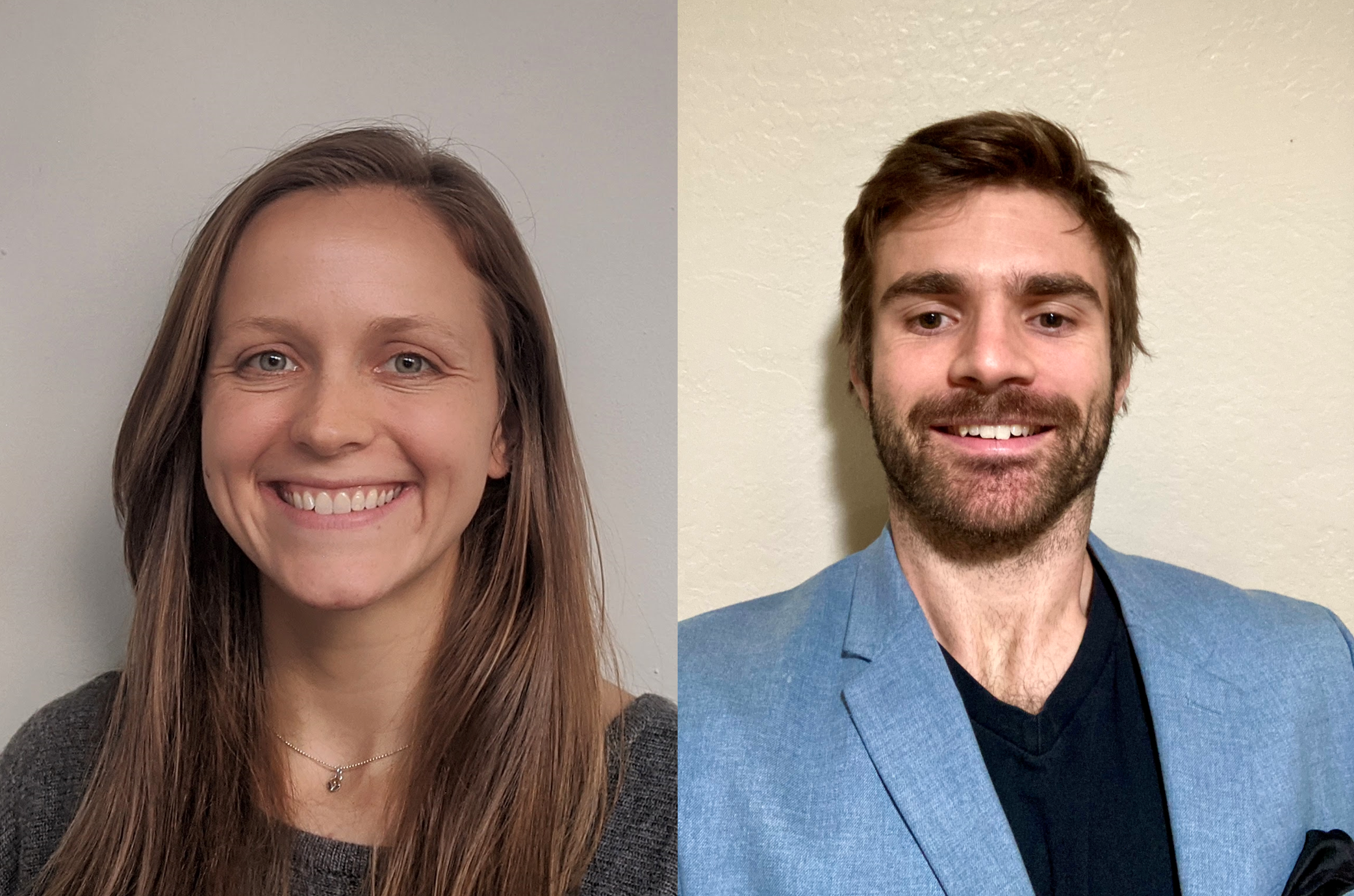
Our de Tornyay Center Undergraduate Scholars, Hillary Frey and Derick Welsh are presenting at the 2021 Undergraduate Research Symposium on Friday, May 21st, during 10:00AM to 10:55 AM and 4:05 PM to 4:55 PM sessions.

Hillary Frey (left) and Derick Welsh (right), the center’s 2020-2021 undergraduate scholars will present at the Undergraduate Research Symposium this Friday.

Hillary Frey will present on “Exploring Triggers for Older Adults to Recognize Age-Related Changes: Preliminary Findings From a Qualitative Analysis”, during in the T-2E session. View Frey’s abstract and the details of session T-2E here.

Derick Welsh will present on “Understanding the Impacts of COVID-19 on Engaging with Aging (EWA): A Mixed Method Study of Older Adults During The Pandemic”, during the T-8G session. View Welsh’s abstract and the details of T-8G here.

Scholar Spotlight: Wendy Wilson

Wendy Wilson is one of the 2020-2021 de Tornyay Center Healthy Aging Doctoral Scholars. A PhD in Nursing Science student, Wilson’s mentor is Donna Berry, and research areas of interest include personalized end of life care focused on patient dignity and health disparities in access to specialized end of life care.

Why did you choose nursing?

My mom is a cancer survivor. She had a bone marrow transplant when I was very young, and I adored her nurses, so I went to nursing school. I have been an oncology nurse for 18 years. My oncology nursing experience led me to my interest with end-of-life care and terminal illness.

Why did you decide to go into nursing research?

I was a research nurse at Fred Hutch for almost 10 years, and it is by far my favorite nursing experience. To become a content expert and feel like you’re on that cutting edge creating something that helps people is really fulfilling.

What interests you about healthy aging?

My work in oncology has mostly been all adults. I feel like I’ve become a better person from my experiences at the bedside and from the relationships that I’ve had with patients I treated. I really value the life lessons I’ve learned from my patients when talking with them during their treatment. I have a high respect for elderly people and the lives that they’ve lived. I always want people to feel like what they did in their time was worthwhile and that people appreciate what they’ve contributed. I feel like I’m wiser than my years because of those shared stories and what I’ve learned through their life lessons.

What’s your research project for the de Tornyay Center?

I’m looking at patient dignity and how that affects patient experience at the end of life. The first part is defining the concept of dignity for a patient at the end of life. Then I’ll go into a meta-analysis to further support the importance of acknowledging patient dignity at end of life.

I think it’s important to recognize that end of life is part of healthy aging. Allowing a person to reflect on themselves, to share their pride in their joys and sorrows, and honoring what is important to them as they transition, I think that’s the finishing touch of healthy aging.

How did you first get involved in the work?

In Oregon, we were the first state to approve death with dignity and offer that to patients. That happened early in my nursing career, and I’ve followed it along the years. I feel like it’s an option that everyone should have access to. That program of helping a patient end their life on their terms is what got me interested in the bigger picture and the concept of dignity in dying, and how we ensure that every individual gets what they need and not a generalized approach.

Why is this research important?

Healthcare has been this pendulum that has swung between individualized patient care and this revolving door where everybody goes through the system. I think we need to come back more to individualized patient care and recognize what makes that individual who they are. What their fears and their accomplishments are, what their life has been about, and honor that at the end of life. I am interested in how we get that access to everybody to ensure they get the type of specialized care they deserve.

What has been an unforgettable experience during your time at the school of nursing?

The two most significant would be acceptance to the PhD Program and getting the de Tornyay scholarship. Both accomplishments are really an honor.

How has your experience at the school of nursing helped you with your career trajectory?

It’s helped a lot, in addition to having wonderful experiences with my professors, I have an outstanding advisor, Donna Barry. She’s an extremely motivated and accomplished person. I really respect and look up to her. She sets a precedent for what I hope to achieve.

What are your plans after graduation?

I want to come back to academia as a faculty member to continue my research and help other nurses understand the concepts that I’m researching.

Scholar Spotlight: Wonkyung Jung

Wonkyung Jung is one of the 2020-2021 de Tornyay Center Healthy Aging Doctoral Scholars. A PhD in Nursing Science student, Jung’s research is in social integration and traumatic brain injury in older adults. Jung’s faculty mentor is Hilaire Thompson.

Why did you choose nursing?

My grandfather was a medical student, but because of the Korean war he couldn’t complete his dream. He always told me that the medical profession could be valuable, and I wanted to follow his dream. I thought being a nurse and taking care of patients could benefit my life.

What’s been an unforgettable experience during your time at the School of Nursing?

After COVID-19, I’ve appreciated the technology that allows us to take virtual classes and continue our education. I’m also working as a TA in the simulation center and I enjoy sharing my experience with nursing students.

What do you like about teaching?

I really enjoy interacting with the students, learning the different ways they think, and the discussions we have afterwards.

How has your experience with the School of Nursing helped your career trajectory?

Initially, working as a nurse in Seoul for 10 years, all that I knew was the practice of nursing. After coming to the School of Nursing, my eyes have been opened to new experiences and opportunities. Working with Dr. Hilaire Thompson and other professors, they have helped lay my groundwork for how to conduct research which will be very helpful for my future career.

What’s your project for the de Tornyay Center?

A traumatic brain injury (TBI) is an unexpected event. No one expects to have an accident on any given day. Even though a TBI can happen at a moment’s notice, it can take a long time to recover and integrate socially, depending on the severity. Older adults are more vulnerable to the difficulties of returning to everyday life because of slower recovery trajectories, and worse functional and cognitive outcomes compared to younger adults. This project is aimed at identifying the factors that influence social integration after TBI in older adults at 1, 5, and 10 years post-injury. I’m considering social integration factors as productive work, community involvement, social relationships, and leisure activities.

Why is this research important?

Traumatic brain injury is one of the leading causes of disability and death. It has been defined as a “silent epidemic”.  The incidence of TBI in older adults has been increasing and outcomes in this population are worse compared to younger groups. Because of the developments in medicine, they may live longer than they would have a long time ago. The ultimate goal for this project is to improve the quality of life for those individuals after suffering from TBI.

How did you first find this project and get involved?

During my tenure as a nurse in Korea, I cared for patients with brain injuries. Almost half of them were over 65 years old. I wondered how the older patients live after being discharged, and that led me to want to do this research.

What are your plans after graduation?

I want to be a valuable asset to the nursing community by devoting myself to researching and educating present and future nurses.

Scholar Spotlight: Lisa Neisinger

Lisa Neisinger is one of the 2020-2021 de Tornyay Center Healthy Aging Doctoral Scholars. An Adult Gerontology Acute Care DNP student, Neisinger’s areas of interest are adult acute and intensive care. Neisinger’s faculty mentor is Hilarie Thompson.

Why did you choose nursing?

I had a long road to becoming a nurse. Initially, I thought that I wanted to pursue business. I finished three years towards my business degree and then decided it wasn’t for me. I ended up managing a gym for maybe seven or eight years. It was focused on helping people be healthier, but I didn’t like the sales aspect and pushing people to buy supplements. I wanted to pursue something that would still help take care of people, help them lead healthier lifestyles, but without a focus on sales.

How did you transition from managing a gym to working in a hospital?

I had been managing the gym for maybe six years at that point, and I was burned out, dealing with staffing problems and sales goals. I wanted a similar job where I could still impact people to lead healthier lifestyles. So I decided to pursue nursing and completed my prerequisites while working full time. I took a class to become a certified nursing assistant (CNA), and moved over to Port Angeles to attend nursing school. After nursing school, I got a job working in the ICU. Even though I have since moved closer to Seattle, I still commute back to work there a few days out of the month.

Why did you choose the adult gerontology acute care DNP specialty?

I’ve always worked in a hospital setting in an ICU or telemetry step-down unit, and the majority of the patients I care for are older adults. I feel like I can learn as much from them about life as they can learn from me about how to manage their illness. I enjoy taking care of people when they’re in the hospital, facing some of the worst times of their life, when they’re feeling the sickest that they’ve felt.

That ties into my project. My DNP project is working with Harborview, and I’m looking at post-discharge outcomes for older adults hospitalized for a burn or a trauma and who live in rural areas. Having taken care of a lot of similar patients in the hospital and having lived in a more rural area, I was really interested in the barriers or challenges that they had accessing healthcare after they were discharged from a big urban hospital. I want to see, are there gaps where things are missing in their care, or they’re not able to access care? How can we keep them out of the hospital and healthy?

How did you find your study participants?

I was given the 2019 registry of all the patients admitted to Harborview for a burn or trauma and sorted it to only include adults 65 and up, and then further sorted it to only include patients living in a rural zip code. I called through the list and was able to complete 18 patient interviews.

Has there been anything that surprised you while working on the project?

It’s not really surprising, but COVID came up quite a bit. Many patients were concerned about going to their physical therapy or follow-up appointments once COVID started. I think that will be an area that could be improved upon for connecting people with care, such as with telemedicine.

What interests you about healthy aging?

The older adult population is growing, and all of my nursing experience has been in the ICU, so I take care of a lot of hospitalized older adults. A lot of the hospitalizations are due to complications from a chronic disease or illness. It’s important to try to shift the thinking toward quality of life and focus more on living a healthy lifestyle and preventative care. The population of older adults is increasing. We have all these medical advances to keep people alive. But I think it’s important to not just keep people alive. Age is not just a number, it’s about quality of life and we can help these people to have healthier lives, so they can enjoy their time.

What has been an unforgettable experience during your time at the school of nursing?

I feel so fortunate to be going to UW. We have amazing instructors with amazing careers and experiences. My track has been very close-knit, and I feel so fortunate for all the experiences that we had together in the skills lab pre-COVID. It’s been hard transitioning to a Zoom learning environment and not seeing my classmates every week.

How has your experience at the school of nursing help with your career trajectory?

I value all of the connections that I’ve made from professors to my faculty clinical advisor. All these people are willing to put in the time if you need a letter of recommendation or a reference. I think that will help me as I search for a job.

What are your plans after graduation?

I am starting my job hunt. I’m hoping to find a job as a hospitalist, get a broad sense of caring for everything for a couple years, and then narrow it down to something that really interests me.

Nursing Students Help Vaccinate Healthcare Workers

Reposted from UW School of Nursing.

Since December 17, 2020, more than 40 UW nursing students have been on the frontlines vaccinating hundreds of healthcare workers across the Puget Sound. From Tukwila to Seattle, students have volunteered to help with COVID-19 vaccination efforts during what would normally be their winter break.

“Being part of the vaccine rollout has been incredible!” said Liam Malpass, a third year DNP (Doctor of Nursing Practice) student. “It’s like nothing else I’ve ever experienced. It has re-emphasized my belief in the power of public health and made me feel hopeful again that we, as a global community, can make it through this pandemic if we work together.”

UW School of Nursing students have joined with students from pharmacy, medicine and dentistry to help with the UW Medicine vaccination program and the vaccination of emergency responders. Others, like Malpass, have been volunteering with Public Health—Seattle & King County for COVID-19 vaccination events. The students are participants in the medical school’s Service Learning Program.

Karmin Taylor, ABSN, gets ready to administer a COVID-19 vaccine

DNP Nursing Students Liam Malpass, Luann Majeed, and Ashley-Skluzacek at a Public Health – Seattle King County vaccination site

Students from nursing, pharmacy and medicine at a vaccination site

COVID-19 vaccine

2020 ABSN Projects with Older Adults

Promoting Resilience in Senior Public Housing

ABSN students Terri Tran, Nadia Krishnan, and Gelsomina Chioino worked with Full Life Care to promote mental health and resilience by delivering houseplants and wellness tips to residents. Read about their work in the ‘Planting seeds of wellness’ Full Life Care blog post or find the Promoting Resilience in Senior Public Housing poster pdf here.

South Park Senior Citizens Community Connection Programs

ABSN students Rachel Buchmeier, Sydney Coffey, Zoe Iida, Kristin Swenson, Sarah Tivoli connected seniors at South Park Senior Center to help fight isolation during the COVID-19 pandemic. The students set up Pen Pal and Phone-a-Friend programs, matching participants up by language and gender who could exchange letters or talk over the phone. Read more about their work in their ‘South Park Senior Citizens Community Connection Programs’ poster.

Promoting Peer Learning on Nutrition through Cognitive and Social Interaction via
Telehealth

ABSN students Rié Nakasato, Nina Zhang, Kevin Fitzpatrick, and Lisa Banks worked with the Full Life Care Adult Day Health program to teach the programs’ clients about nutrition, using trivia and an interactive “Build-A-Plate” game, based on the USDA Center for Nutrition Policy & Promotion’s My Plate nutrition framework. Read more about their project in their Promoting Peer Learning on Nutrition through Cognitive and Social Interaction via Telehealth poster.

Increasing Food Availability and Technology Access at St. Martin’s on Westlake

ABSN students Alex Hill, Christine Lee, and Andre Mattus worked with St. Martin’s on Westlake to develop partnerships in the community to improve residents food security and access to technology to connect with friends and family. They were able to establish weekly food donations for residents, and secure a donation for St. Martin’s that will go towards a number of the residents’ needs including technology, kitchen and exercise equipment, and winter clothing. Read more about their project in their Increasing Food Availability and Technology Access at St. Martin’s on Westlake poster.

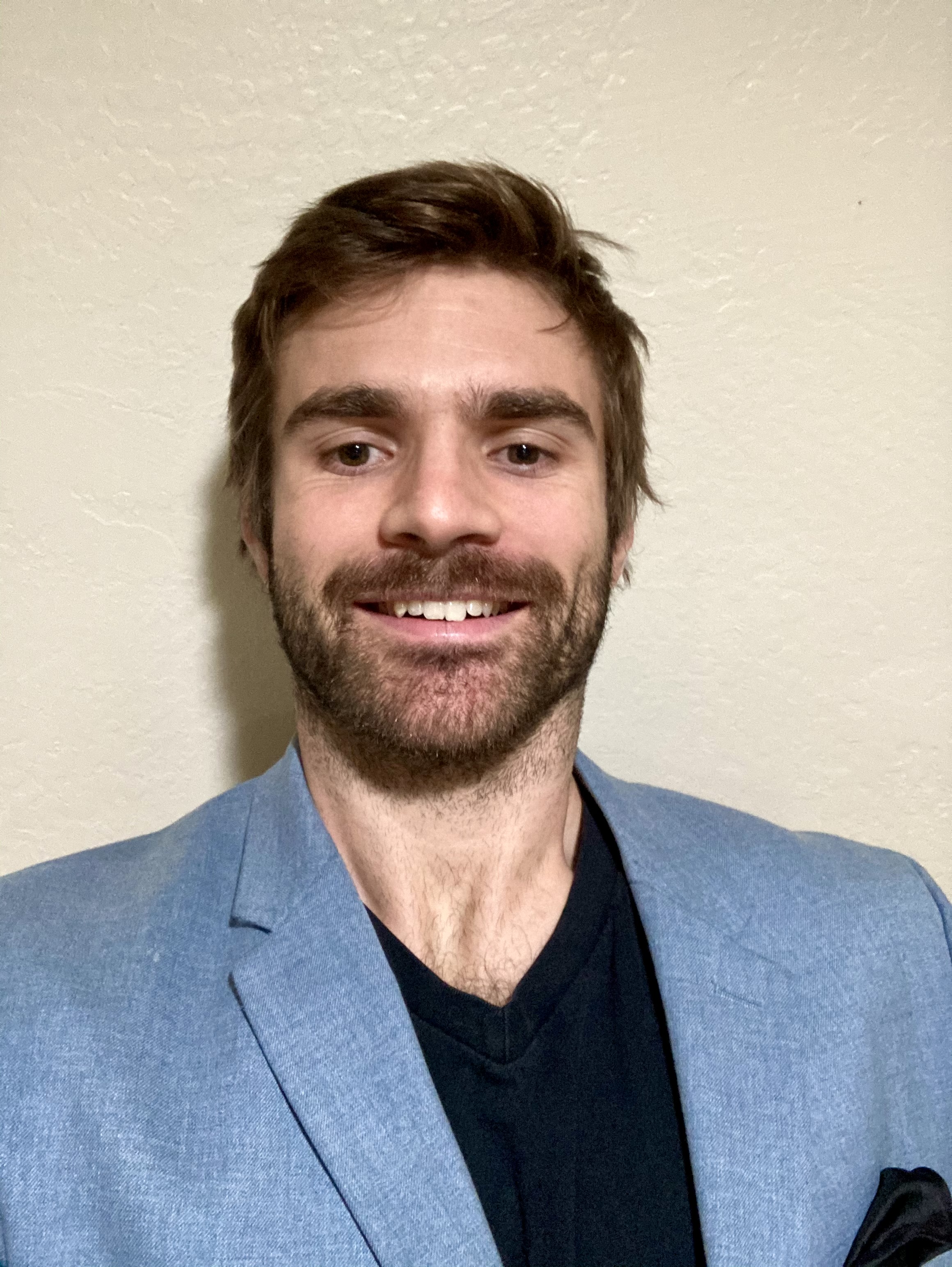
Scholar Spotlight: Derick Welsh

Derick Welsh is the de Tornyay Center’s Germaine Krysan Undergraduate Scholar. An ABSN student, his project is ‘Learning about the Engaging with Aging (EWA) Experience among Older Adults’. His faculty mentor is Basia Belza.

All interviews have been edited for length and clarity. 

Find more scholar spotlight interviews here


Why did you choose nursing?

My first interest has always been health and wellness. I received my first undergraduate degree in sports medicine. I worked in a hospital with a Tier II trauma center for a few years, first as a medical scribe, and then as a cardiovascular technician. I thought that I wanted to be a doctor, took more classes, then decided that I did not want to spend another four years plus in school. But I still wanted to be in medicine. I started delving into nursing and realized this is flexible and I’m making a huge impact on the well-being of people.

I will mention what got me into health. Growing up in middle school, I was not really interested in sports or activity in general. I started playing football and the importance of health started to become apparent to me. Then during my high school years, my dad had cancer, and he passed away when I was in high school. I learned there are certain things he could have done differently with environmental and nutritional habits. Knowing I could help other people lower the risk of this happening in their own lives, that was the start of it. Also, helping my grandparents with healthy habits and lifestyle choices inspired me to do more for the aging population.

What has been an unforgettable experience during your time at the School of Nursing?

I think the biggest thing that UW has that I haven’t seen in my previous education is a lot of anti-racist views, making sure that nurses are coming out with perspectives on social justice and equity. I think that’s very important. It’s the first step to being able to come with a perspective of non-judgment to any person.

How has your experience at the School of Nursing helped you with your career trajectory?

Being able to work in the de Tornyay Center for Healthy Aging, which aligns with what I believe. I found the opportunity to work with the center through emailing them and it progressed from there. That turned into a specific project where I’m working with aging over the lifespan. I only have one year in the ABSN program, so I want to gain as much experience as I can within the UW community.

Could you briefly describe the Engaging with Aging (EWA) project you’re working on and your role in it?

I will be helping interview those who are 65 and older and asking them about challenges that they’ve experienced, how they’ve navigated through the process of aging and what are their concerns. We will be analyzing data, compiling everything together, then looking for opportunities for further research. It’s all virtual. We’re not doing this in person because of the COVID risks involved.

What interests you about healthy aging?

When I started working as a personal trainer, a lot of the people I saw were over 65. After someone would go through physical therapy, if they wanted to do more, that’s when I would work with them. I would help them get moving and continue their progress. I enjoyed troubleshooting problems that they had with mobility.

I think it’s important to acknowledge that we have a large population of adults over the age of 65. There’s a need for information on how to better care for that group. We don’t want to just extend life. We want to increase quality of life. I know that sometimes, people who are younger may not be as empathetic because they’re not that age yet, so they don’t understand.

What made you realize that you wanted to get involved in research?

My freshman year of college, there was an opportunity to work with younger kids. We developed physical education programming and compared it to physical education programs set up by the school or the state. We tested baseline data: mile run time, how many push or pull ups, how well they can control and catch a ball. The programming actually turned out to be very beneficial and was implemented in certain schools.

The most recent research I assisted with was at my previous job at Cedars Sinai, a hospital in Los Angeles. I had the opportunity to do research directly with the Smidt Heart Institute alongside my mentor and research supervisor, who is one of the cardiologists in the clinic. I was the main data collector, I even contributed in writing the research paper. I had more responsibility in this research which allowed me to learn a lot more. To be brief, the research was on testing a single lead ECG device that measured the heart’s electrical activity and was interpreted by a secondary device such as iPad. If effective, this device would be used by the patient instead of the healthcare worker, limiting the number of times the healthcare worker would have to enter the room, reducing potential exposure to COVID-19. The experience working at this hospital was invaluable and I was grateful for the opportunity.

Research is not the only thing I want to do, but I like doing it when I can. I, like many other healthcare workers, enjoy problem solving.

What are your after graduation?

I want to start in the ER, where I can get a myriad of everything and gain more knowledge on emergency preparedness, then I would work my way into specializing after that. I would like to continue advocating and working with older adults in my practice and continue implementing my background in exercise science.

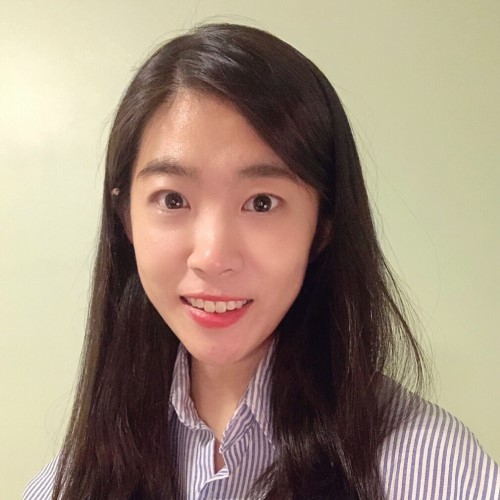
Scholar Spotlight: Shih-Yin Yu

Shih-Yin Yu is a PhD in Nursing Science student, with research interests in gerontology and rural health care. She recently published an editorial in the Journal of Gerontological nursing, ‘Let’s Build a New Normal: Transitioning in Hope‘.

All interviews have been edited for length and clarity. 

Find more scholar spotlight interviews here


Why did you choose to go into nursing?

When I was little, my parents worked out of town, so I was raised by my grandmother. She is one of the reasons why I’m interested in older adult populations. She passed away when I was 16 years old. I learned to treat patients with dignity from the nurse who cared for my grandmother. For me, nursing is not only a career, but a pathway to cultivate being a person who can help others in need. Nursing completes my life.

Why are you interested in healthy aging?

When I was an oncology nurse in the hospital, one in 10 patients were older adults. I still remember one of them was 100 years old. She lost her hearing; however, we had good conversations through sign language. She patiently showed me her creative sign language when I didn’t know what she meant. We both laughed when we tried to understand each others’ sign language. Although she couldn’t hear anything, she shared her experiences with me. Sometimes older adults teach me more than what I learn from books. They help me discover new perspectives about life.

Have you had other experience working with older adults?

I had a volunteer experience in Taiwan doing home visits with older adults. I got research ideas from that experience.

What’s your current research topic?

My current research is working on reducing health disparities to improve health care access equity in older adults. There’s an urgent need for health care access in rural settings. I hope the gap between rural and urban healthcare can be minimized, and I hope my research can bridge that gap.

What interested you about that topic?

When I see barriers to health care in rural settings, I ask myself: what can I do differently to overcome those barriers? I want to make changes and be part of the solution for these issues.

I found insufficient information in the current scientific literature for rural older adults. After a conversation with one of the older adults who live in rural areas in the United States, I realize many of them wanted to stay on their land after they retired from their work. The country’s population is aging and that comes with increased healthcare needs in rural areas. Healthcare professionals should be well prepared for these urgent needs across countries and different languages.

What has been an unforgettable experience during your time at the School of Nursing?

I won’t forget the warm environment that faculty create for students at School of Nursing. Many encouragements keep me hanging in there and moving forward. I will never forget the School of Nursing support system, which provides me with practical and emotional support.

How was your experience at the School of Nursing helps with your career trajectory?

In the School of Nursing, I’ve learned how to conduct research thoroughly as a student. I’ve also considered joining a medical team in Taiwan to serve as a volunteer in rural or underserved communities during summer in Taiwan, Nepal, Cambodia, or other countries. I think social service will be part of my career, and those experiences will help me be able to serve others.

Could you briefly summarize the editorial you wrote for the Journal of Gerontological Nursing?

This editorial’s main point is to draw attention back to older adults in nursing homes, who may not be able to speak up for themselves. Many people want to go back to their new normal; what about those older adults, if they have no choice but to stay in nursing homes, waiting for their children or grandchild to come to visit? Health care professionals and health care systems need to find new ways to keep older adults connected and minimize the negative outcomes of mental health.

What inspired you to write on this particular topic?

I got the idea at midnight. When COVID-19 hit, I felt a little bit of social isolation. I was thinking of some older adults I knew in nursing homes in the United States. One question came to my mind: Is the new vaccine our way back to normality?  I don’t have an answer for this question at this moment, but I know their lives aren’t waiting for this resolution forever. Instead of waiting for this uncertain answer, we must think of solutions to continue providing quality care for them.

What are your plans after graduation?

I plan to do a post-doc after I graduate. Then I would like to return to Taiwan to teach and do research.

Scholar Spotlight: Hillary Frey

Hillary Frey is the de Tornyay Center’s Myrene C. McAninch Undergraduate Scholar. A BSN student, her project is ‘Identification of Triggers that Alert Older Adults to Prepare for Age-related Changes’. Her faculty mentor is Shaoqing Ge.

All interviews have been edited for length and clarity. 

Find more scholar spotlight interviews here


Why did you choose nursing?

I landed on nursing mostly from bits and pieces that I liked from previous jobs. It’s a good fit for my skills and interests. I like the hands-on care, the focus on disease management from a social and a scientific perspective. I like to have a role in community and public health. Especially with advanced degrees, there’s opportunities and training to participate in leadership and systems change.

What were those things in other jobs that you found that you liked?

I worked as an anesthesia technician in a hospital which was hands on and fast paced, and I liked that. After that I worked as a research coordinator in a neurology clinic with patients with multiple sclerosis and Alzheimer’s, so I was mostly working with an older population. I saw how chronic conditions can make it difficult for people to age with health and dignity. I became interested in the systems that were preventing them from aging how they wanted to or weren’t supporting them in aging how they wanted to. I realized that there’s a lot more to helping people achieve health than hands on care. Nursing seemed it would incorporate both of those things.

What has been an unforgettable experience during your time at the School of Nursing?

My ambulatory care clinicals this year have been really memorable. I’ve seen a lot of nurse-led visits for managing chronic conditions. The visits are pretty long and interesting because the patients open up to the nurses about their medical conditions and a lot of other social, economic, and lifestyle concerns.  I used to think that the nursing role in outpatient care was simple and straightforward, but my clinical showed me that nurses get involved in so many different aspects of a patient’s life. These visits incorporated all the aspects of nursing care that I’m interested in.

How has your experience at the School of Nursing helped you with your career trajectory?

A big reason that I picked the School of Nursing at UW was because they had an honors research program and the healthy aging center. Those are two things that I knew that I wanted mentored experience in. I am participating in the honors program and I’m doing a project on healthy aging. I’m happy that the honors program worked out because that was something that I had to apply to. Having a research mentor in that field, I can see that it’s going to help guide my career path.

What interested you about the healthy aging field?

I’ve always preferred communicating with older and aging populations. I think they have a lot of wisdom to share and not necessarily the support that they need to age in a healthy way. That’s where healthy aging research comes in!

What made you realize you wanted to get involved in research?

I was transitioning from working as an anesthesia technician where I had a very clinical role, and I was searching for a role that was distinctly different. I wasn’t ready to commit to a certain career path yet and I was just looking for a job that would help inform my future career choices. I landed in research and I enjoyed it. Once I started doing research, I realized that there was so much knowledge and conversation happening behind the scenes of clinical care. We need people doing this research to change and inform how care is provided. I like thinking of the big picture and that’s the biggest driving factor for why I like to engage in research. The day to day work also taps into my detail-oriented side that likes to make lists and keep things organized.

What is your research project and your role in the project?

My project will look at what prompts people to prepare for age related changes, which are the normal developments and changes associated with aging. It’s in the really early stages right now, but it’s a satellite project of my research mentor’s larger study that explores a concept called Engaging with Aging. The concept comes from an interesting blog written by a woman who is 97, was previously a nurse, and currently publishes a lot of thought pieces on her own aging process.

I think there are six people working on the main project and my mentor is involving all of us each step of the way. We are all currently conducting interviews with study participants. I’m learning a lot. I’ll be able to use data from the interviews for my own satellite project as well.

Why is this work important?

I think the studies that work within the Engaging with Aging framework are promoting a proactive involvement in the aging process. Hopefully, a proactive approach will help older adults remain more independent even when age-related changes happen.

There’s a lack of research to define the aging process and therefore have some evidence-based interventions that promote healthy aging. There’s a lot of work to be done in the field of healthy aging.  If there’s one thing that I personally learned from working in research, it’s that it takes a really long time to conduct research and then translate that research into evidence-based practice.

What are your plans after graduation?

I want to apply to work on an intensive care unit that has a population that is generally older. Hopefully working with patients with neurological conditions. I want to do that for a couple of years, and then apply to a doctorate program for acute care gerontology. I see research coming into my career more after I pursue the doctorate, where I can participate in studies as a doctorate level nurse.

Congratulations to the 2020-2021 dTC Scholars

The de Tornyay Center for Healthy Aging is pleased to announce the 2020-2021 Healthy Aging Scholarship recipients.

We extend our thanks and high regard to all who applied. Scholarship recipients receive funds and support for research projects related to healthy aging and older adults.

Please join us in congratulating these exceptional scholars and their faculty mentors!

The 2020-2021 doctoral scholars and their mentors

PhD RESEARCH SCHOLARSHIPS:

Susie Cho, Myrene C. McAninch Doctoral Scholar

Topic:  A Qualitative Thematic Analysis of the Facilitators and Barriers to Self-care Practices in Care Partners of People Living with Dementia

Faculty Mentor:  Tatiana Sadak PhD, PMHNP, RN, FAAN


Wonkyung Jung, Healthy Aging Doctoral Scholar

Topic:  Social Integration after Traumatic Brain Injury in Older Adults

Faculty Mentor:  Hilaire Thompson, PhD, RN, CNRN, ACNP-BC, FAAN


Wendy Wilson, Healthy Aging Doctoral Scholar

Topic:  Significance of Dignity in End-of-Life

Faculty Mentor:  Donna Berry, PhD, RN, AOCN, FAAN-DF/HCC


DNP RESEARCH SCHOLARSHIPS:

Claire Han, Germaine Krysan Doctoral Scholar

Topic:  Tailoring Chronic Disease Management Care Pathways to Older Adults and their Caregivers in Adults Family Homes

Faculty Mentor:  Hilaire Thompson, PhD, RN, CNRN, ACNP-BC, FAAN


Lisa Neisinger, Healthy Aging Doctoral Scholar

Topic:  Home ZIP Code Outcomes in Older Burn and Trauma Patients

Faculty Mentor:  Hilaire Thompson, PhD, RN, CNRN, ACNP-BC, FAAN


Olga Yudich, Healthy Aging Doctoral Scholarship

Topic:  Improving Coordination of Care of Highly Complex Geriatric Patients

Faculty Mentor:  Hilaire Thompson, PhD, RN, CNRN, ACNP-BC, FAAN


UNDERGRADUATE RESEARCH SCHOLARSHIP:

Hillary Frey, Myrene C. McAninch Undergraduate Scholar

Topic:  Identification of Triggers that Alert Older Adults to Prepare for Age-related Changes

Faculty Mentor:  Shaoqing Ge PhD, MPH


Derick Welsh, Germaine Krysan Undergraduate Scholar

Topic:  Learning about the Engaging with Aging (EWA) Experience among Older Adults

Faculty Mentor:  Basia Belza PhD, RN, FAAN, FGSA

Scholar Spotlight: Alisa Strayer

Alisa Strayer, MSW, MPH, is a recent alumni of the UW Master’s of Social Work and Master’s of Public Health programs. She worked with the Dementia Action Collaborative on implementing and assessing the Dementia Friends program in Washington State.

All interviews have been edited for length and clarity. 

Find more scholar spotlight interviews here

What got you interested in healthy aging?

After graduating from college, I worked at an organization, called Fountain House, which is a community center for people with mental illnesses. I worked at one of their independent living buildings that was specifically for older adults, and many of them had dementia. That was the first time I had worked with older adults. I fell in love with the people I was working with. They were kind and tough and hilarious. Even though the job was hard and the things they were facing were even harder, talking and laughing with them made each day fun.

After about a week on the job, I knew that working with older adults was where I wanted to spend my time and my energy. I wanted to be an advocate with them. The world turned away from each of them as they grew older. They felt like they didn’t have a right to be upset when their benefits were cut for no reason or when their prescription wasn’t ready on time, causing huge medical consequences. They thought that they didn’t deserve any attention or rights because that’s what society had shown them – that after a certain age, especially if you have a disability or are not White, you don’t deserve more than the most basic necessities. That was what made me want to be an advocate around aging.

What was your project?

The Dementia Friends program is a 90-minute talk that discusses what is dementia and what can we do as individuals to support people with dementia. It teaches participants skills on how to interact with people with dementia. It follows a train the trainer model where presenters reach out to their networks and give these talks. The people the presenters give the talks to are called dementia friends.

In August 2018, Marigrace Becker, from the UW Memory and Brain Wellness Center, and I, in partnership with the Dementia Action Collaborative, began implementing the Dementia Friends program here in Washington. We started the program in King County, Jefferson County and Yakima County. We implemented and evaluated the Dementia Friends program to see: is this program effective? Is it changing people’s attitudes towards people with dementia? And how can the program be improved?

How did you get involved in this work?

I was looking for a project where I could work on destigmatizing aging. I was introduced to Marigrace Becker, who knows just about everything about mobilizing people to destigmatize dementia. She was looking for somebody to implement Dementia Friends and to evaluate it. It was a perfect overlap.

What interests you about destigmatizing dementia?

From those early experiences working at Fountain House, I had seen the lack of respect for people with dementia. My grandmother also had Alzheimer’s disease. My own family and I responded to her differently as her symptoms progressed, often infantilizing her or dismissing her while she remained very conscious of every slight. I am grateful that she was an incredibly strong woman and told us in no uncertain terms that she was still the same person she had always been and refused to be infantilized, fighting back on the stigma and the disrespect that so many people face through their dementia diagnosis. She helped us understand how to support her and learn how to advocate for her. That is probably what first taught me about destigmatizing dementia.

Alzheimer’s Disease and other dementias are devastating, but the fear that surrounds the diagnosis makes the experience much worse than it needs to be. Our society responds to people with dementia with fear, with stigma, isolation, treating them as having no humanity. I’ve talked to people, even in the aging field who say, ‘Oh, this person has dementia. They’re basically just a vegetable’. Things that are horrific. It made me want to see how we can change that script and change people’s minds. People with dementia shouldn’t be left with that as the only reaction people give them. It makes their lives a living hell. It doesn’t need to be that way. People with dementia remain the people they have always been, people with awareness of how they are treated, people with feelings, and sensitive emotions – but the ways they need to communicate does change. We need to learn how to change how we communicate with and support them, not abandon them. We also need to support the care-partners taking on the tremendous emotional and physical challenge of supporting their loved ones with little monetary or logistical support available.

What did you find in your evaluation?

For the Dementia Friends, the people who attended the Dementia Friends presentations, their attitudes towards dementia did improve. After this one 90-minute talk, there was a change both in their knowledge about dementia and their comfort with people with dementia. They also said they appreciated a chance to talk about dementia and share their personal experience with it. There are just not a lot of opportunities to talk about it.

The feedback that we got from the presenters of the program was that they enjoyed the experience of leading the Dementia Friends presentation, engaging with people and connecting with them about dementia. But they also said that there wasn’t as much support as they could have needed, especially for presenters who had less experience organizing presentations. They suggested a few areas to improve support, such as by enhancing their training and providing logistical support to organize presentations.

How do you plan on using that feedback?

Since both the participants and the presenters were quite positive about the program and there were measurable improvements in people’s attitudes towards people with dementia, the Dementia Action Collaborative decided they wanted to continue implementing Dementia Friends across Washington State. Each region in Washington will be implementing Dementia Friends and managing the implementation of it. As they roll out their program, they will need to provide additional support based on the feedback from the evaluation, such as enhancing training and providing logistical support to organize presentations. Many of these regions will continue evaluating their programs so we hope to see if these adjustments are addressing the feedback we received from our presenters.

Why is this work important?

There’s not a lot of space for conversations around dementia and there are limited opportunities to learn about it unless you’re actively a care-partner. Most of the people who attended the sessions were not care-partners. It gives them a chance to think about dementia and confront the ways that we treat people with dementia, or fear dementia as this abstract thing of the future. I think the Dementia Friends program provides hope and skills if they or a loved one develops a type of dementia. I think it’s important to shed some light and understanding and gentleness on this issue that is surrounded by a lot of fear and darkness and isolation.

What are your plans now that you’re graduating?

I’m on the job hunt, and I am still tangentially involved in the Dementia Friends program. I care a lot about continuing to spread dementia awareness. In Seattle and Washington in general, there’s a lot of energy around aging and dementia. It’s something that I’ve been honored to be able to be a part of and learn from the tremendous wealth of knowledge here. I want to add whatever limited perspective I can to the ways we think about not just aging, but how aging intersects with so many other issues that need to be addressed urgently, like racism. For example, when someone grows older, all the discrimination they have faced will continue to impact them, whether that is daily racist actions or whether it is the long-term health impacts of pollution that they were exposed to from not having access to safe housing due to redlining. This will impact how someone ages, how they develop an illness or disability as they age, the services they have access to, the support system they have, etc.

Dementia and aging advocates need to have these other needs and identities at the front of their minds when they talk about dementia, otherwise we will only ever be advocating for the wealthy and White. These are not profound statements, but I hope to be someone in the field who can keep the conversation coming back to how we can see people with dementia as full complete people, not just struggling with dementia, but with all that came before dementia and all that will come with the diagnosis.

Scholar Spotlight: Qian Tu

Qian Tu, PhD, DNP, ARNP, is a recent alumni of the UW School of Nursing’s DNP-Adult Gerontology Primary Care Nurse Practitioner program.  She received the de Tornyay Center’s 2020 DNP Pathways to Healthy Aging Award. 

All interviews have been edited for length and clarity. 

Find more scholar spotlight interviews here

What is your Doctor of Nursing Practice (DNP) project?

I developed a depression toolkit for an adult family home, with screening tools and prevention and treatment activities. Adult family homes function similarly to nursing homes, but they use houses in the neighborhood to provide care to up to six residents. They provide 24-hour care service, but while nursing homes at least have LPNs or RNs on board, this type of adult family home only has what are called home aides.

I looked at the literature to see what interventions have been shown to help depression, especially focusing on what has been done on the community level. Most of the literature is focused on patients 65 or above, but there are a few studies that are 60 or above. Studies use all kinds of activities, including video conferencing, laughter yoga, and animal assistive programs. The interventions I suggested in my project all proved to be effective in at least one study, although they do not compare to the standard of care for depression, cognitive behavioral therapy.

One intervention stood out — physical activity. It doesn’t necessarily have to be cardio physical activity, it can be more focused on helping them to improve their stability, flexibility and ability to get around. Physical activity is the only one of the interventions in the scientific literature with a randomized control study showing that they have similar effects to the standard treatment of depression with cognitive behavioral therapy.

Why is this project important? 

In the literature, researchers found that depression is very significant among older populations, but at the same time it’s generally underdiagnosed and undertreated. The symptoms for depression are different in older adults compared to younger people. They may have some memory issues. They don’t feel well. That’s why it’s kind of hard to detect if you don’t have effective tools.

How did you suggest detecting depression in older adults as a part of your project? 

The first screening tool I use is very simple, it only asks two questions: During the last month, have you been bothered by feeling down, or depressed or hopeless? Have you often been bothered by having little interest or pleasure in doing things? It’s very straightforward.

If they answer yes to any of those questions, then we will do a more detailed geriatric depression scale. That will differentiate them from mild to moderate to severe depression. All the interventions I proposed are non-pharmacological, no medication involved. This project is more focused on reducing mild and moderate depression or preventing depression in someone who hasn’t developed it. If the patient has severe depression, we will refer them to the mental health professionals, because that’s above and beyond the scope of what we can do using non-pharmacological methods.

Why it important to have non-pharmacological interventions?

Older adults often have other health conditions and already may be on other medications. The more medications you take, the more adverse side affects you may have, and there are more chances of drug to drug interactions. That’s why we, if possible, want some non-pharmacological methods to help older adults. Depression particularly, it can sometimes be treatable with non-pharmacological methods if it’s in the early stage.

Was there anything that surprised you while you were working on this project?

One thing that surprised me is that simply improving social interaction with another person can help decrease depression. Small steps, like making handmade crafting projects as a group will work too, including for patients with dementia. The interaction doesn’t even have to be face to face. There’s a program where the participant used video conferences with family or friends, once a week for ten weeks, and there’s a big improvement in their depression.

What interested you about this project?

I really love geriatrics, my first nursing job in this country was working in a nursing home. I feel like this population sometimes gets neglected by society, and they don’t get the care they deserve. I want to do more to help them have a better quality of life.

I also have a personal preference for older adults because I was brought up by my grandmother. When I was born, both of my parents were working full time, and my grandma was retired so she took care of me until I went to elementary school. Then when I was in third grade my grandma had a stroke and she moved in with us until she passed away at the age of 87.  In her last couple of years, she got dementia, she couldn’t recognize any people around, and they were just strangers to her. She would eat a meal and then forget once you took the plate away. That stuck in my mind a lot, when choosing nursing as a career. I felt very satisfied by taking care of her at home.

It’s fun to work with the older population, they are filled with so much wisdom from their lives, so you learn so much by talking with them.

Why did you choose nursing?

I feel so satisfied and fulfilled in nursing. My mom worked in a hospital, so I grew up with the hospital as my playground. Back then you could bring your kid to work. So, we — a bunch of doctor’s kids, nurse’s kids, administrator’s kids — just played in the hospital during the summer or winter vacation. I was immersed in the medical field at a very young age. When I went to high school, we had a general college entrance exam, and before the exam you have to fill out what school you want to go to. All my desired schools were medical schools. We have medical universities in China within which there are all specialties under the health sciences, such as medicine, nursing, pharmacy, dentistry, nutrition, etc. My teacher asked if I wanted to consider something else, and I said no. I cannot imagine choosing a career out of the medical field. It’s not an option in my eyes.

Anything else about your work or background that you’d like to share?

I originally came to the US from China to get my PhD in Nursing Science. My DNP is my second doctoral degree. I choose primary care because after I worked in long term care and the hospital, I saw a lot of patients come in because they lacked primary care. They delayed treatment for too long and ended up in the hospital. There’s a huge need for primary care.

What made you come back for your DNP?

With a research degree, you basically have two routes to go, one, you can go teach in a four year college or community college, and the second route is you continue research in a research focused school like UW. The first route you have to have extensive clinical experience, but I came from another county, so I had zero clinical experience in the U.S.. The second route, if I want to do research and go to a research- intensive school, I have to go through post doc training, and for my field of PhD research, I would have to move across the country. At the time I had a baby to raise, so I wanted to stay and go get my clinical experience first. But while doing my clinical work, I found my true love. I still enjoy research, but I feel like direct interaction with patients, that makes me feel more fulfilled.

Scholar Spotlight: Alexa Meins

Alexa Meins, PhD, BS, is a recent alumni of the UW School of Nursing PhD program. She received the de Tornyay Center’s 2020 PhD Pathways to Healthy Aging Award. 

All interviews have been edited for length and clarity. 

Find more scholar spotlight interviews here

What is your dissertation on?

My dissertation explored green exercise, or physical activity while in natural spaces, for older adults. I partnered with Seattle Parks and Recreation’s Sound Steps programs to gain insight into how we can make urban park walking programs appealing for older adults and what kinds of health benefits are received from participating in this type of programming. Findings from this study can inform future program development and expansion. They also show us that physical, mental, social, and spiritual health can all benefit from green exercise.

How did you get involved in this research?

I work in the outdoor industry as I’m going to school. I’ve had a lot of conversations in my work life about how people have had to modify how they engage in the outdoors as they age. I knew Basia Belza, who became my chair, did a lot with the walking groups in the mall. And I thought, what if we took that walking group outside.

I was at a coffee shop and I saw the Seattle Parks and Recreation catalog for that season. They had the full catalog and then they also had this lifelong recreation catalog sitting next to it. It’s this whole set of programming that the city offers for adults age 50 and above. They have walking programs and hiking programs. Basia said she knew the people that are doing this and it went from there. It was really a couple of things all happening a t once that just clicked together.

Why is this research important?

More and more we have things that keep us inside. Also some of the research says that as we age, our exercise decreases a lot. Exercise is really important for mobility and independence, for managing different health diseases and for preventing them.

The green exercise literature says that being outside can not only have multiple health benefits, but also increase people’s willingness to continue exercising. This is a great opportunity because we aren’t really looking at older adults right now within green exercise literature. It’s not only really great for everyone’s health, but it also might help solve this this problem of motivation to keep exercising. And the more that we can understand why people are choosing these programs, what is important for them, what are the needs of older adults in an outdoor space, then we can also look to expand programs or make more programs appealing to this age group.

What are some of the ways that you found that more could be done to cater to their specific needs?

There’s some logistics that are very easy to build into programs. One of them being, how did they get to the program? They drove, so parking was important. Having an onsite bathroom was important. Another thing that came through was a need for socialization. There’s a large amount of people in my study who are retired. They don’t necessarily have all the same ways of meeting people that they used to. Having programs that happen consistently at the same time every week not only gives them structure to their day and their week, but also makes it so that they’re able to develop these deep social connections and friendships with other people they are walking with. Also a lot of them say that the social group makes it so they can feel safe. They’re around other people that could get help if something happened, like a fall.

What interests you about the healthy aging field and aging research?

When I was trying to figure out what my topic for my dissertation was going to be, this idea of green exercise was really important. I saw in my dad, who’s a big skier, how my wintertime dad is very different than my summertime dad. I see how much better his health and his happiness is when he’s able to get outside. We’re seeing a lot of really great benefits of green exercise in research, but mostly for children and young adults. There’s this big opportunity for studying outdoor exercise for older adults.

How did you first realize that you wanted to do research?

Back when I was doing my anthropology degree, I had to do a research project. At that time, I was a rower and recognized that high level athletics created a unique health culture around exercise. So I went on to do my thesis on the pain experience of Division I athletes. That was the first time that I really had the opportunity to dive in and do some research. It opened up this whole world.

What was it about research that appealed to you?

The type of research that I do is qualitative, so for me, it’s being able to give a voice to people. I love the interview process. Everyone has their own life experience, but it’s amazing to see how many people have shared experiences. The more that we know in health care about what people are going through in their life then the better we are able to address their needs and take care of their health.

Anthropology has a very rich tradition in qualitative methods. I’m excited to bring my background in qualitative methods to this project and incorporate quantitative methods as well. By using both we can get the numbers and we also learn from getting their experience. Sometimes it surprises you with what you can find.

What have you found when putting them together?

We were doing walking interviews through urban parks and some of our public indoor spaces with these older adults, while they were doing the activities. I realized that there’s some misunderstandings happening with this survey. The theory that I’m using says essentially when you are exposed to nature you can get these extra health benefits around mental health and stress, and there are factors that identifies it as a restorative environment. I had included a survey that asked about these factors.

One of the questions is, rate on a scale of zero to six “to stop thinking about things that I must get done, I like to go to places like this.” Some were saying, going to the park helps me disengage and really enjoy this moment. Then others say, I sought out going outside because this is when I have the time to think. They’re looking at these at these spaces completely different, even when I give them the same prompt. Combining the survey questions and interview uncovered this potential problem. Maybe before we go into larger studies we need to look at if this survey translates well for this population.

Is there anything else that you would like to share?

One thing that I think drew me to Nursing was that there is a willingness to embrace holistic approaches to healthcare and to be focused on prevention as well as disease management. There’s so much potential here for enabling people to continue enjoying the activities that they love through aging, making some of these considerations, so that our public spaces are still accessible to all.

Post-Doctoral Fellowship in Gerontological Nursing

This position is now closed.

The University of Washington School of Nursing has a history of developing nursing scientists in the care of older adults. With funding from a private donor, we are pleased to announce a Post-Doctoral Fellowship in Gerontological Nursing to start in either Fall 2020 or Winter 2021.  The purpose of the post-doctoral position is to prepare individuals for research careers in universities. The post-doctoral fellow will be supported for one year of training with a second year of funding available based on satisfactory progress in the first year.

Dementia impacts more than 47 million people and this number is expected to double every 20 years.  Family members provide the majority of the care for individuals with dementia. The levels of stress and depression in family caregivers and the challenges they face are well-documented. People with dementia respond favorably to music and yet the reasons are not clear. The post-doctoral fellow will join a multidisciplinary and multisite team who is testing an innovative method using cortisol and DHEA-S to measure stress in people with dementia and family caregivers. As a member of the research team, the post-doctoral fellow will assist with data collection and analysis, write and publish scientific papers, and develop grant proposals. The post-doctoral fellow will also be supported in the development of other academic skills and the publishing of their dissertation.

The post-doctoral fellow will:

  • Learn theories, methods, and skills necessary to conduct gerontological research
  • Develop research expertise through experiences with interdisciplinary teams, exposure to and immersion in ongoing research activities, and structured feedback and critique
  • Receive mentoring in the ethical conduct of research, inclusive of diverse vulnerable populations
  • Anticipated start of Fall 2020 or Winter 2021

Learn more and apply here.

Scholar Spotlights: Najma Mohamed

Najma Mohamed is a first year BSN student. During winter quarter in 2020, she traveled to Japan as part of the Keio University Short-Term Nursing and Medical Care Studies Program to learn about challenges of an aging society. UW students attending the program were supported by the Center for Global Health Nursing and the de Tornyay Center for Healthy Aging.

All interviews have been edited for length and clarity.

Find all scholar spotlight interviews here.

What interested you about the Keio University program?

I was interested in pediatrics, but the program centered on aging populations and elderly care. That was very different from what I was hoping to get into in the future. I thought if I had more experience and more knowledge about that particular area it could also be something I want to explore.

What interested you about healthy aging?

My family’s originally from Somalia so for us, when it comes to aging, it’s the women who take care of the aging and their elderly parents. When you have an aging population there is a burden on the caregivers. In Japan a lot of what I learned was different ways that they mitigate that. I thought I could come back and apply it to my own community and figure out how we can take care of our elderly people without placing undue burden on the woman who are caring for them.

How do they mitigate that burden on caregivers in Japan?

If you’re over 75, you’re entitled to two visits a week from a nurse in your own home to care for you. People tend to be healthier and get better when it’s their own personal space and they have control over it. We also did a visit to this community where you have the elderly living there and the nurses taking care of them living there as well. It removes stigma and creates a healthy and open environment.

What was the most interesting experience of your trip?

We rode bikes to go visit the homes of the people we were doing nurse visits with, and I haven’t ridden a bike in forever. Over there, they don’t have bike lanes and I spent much of the trip swerving through people and cars. Bikes over there are used as a huge means of transport for nurses, but here, going to clinicals I either drive or take a bus. It was an eye-opening experience to see how different the transportation that they rely on is.

What were the nurse visits like?

We did two. In one of them, the family was very much involved. Seeing how the nurse separately communicates with the family and the patient, and then brings them back together, I thought was really interesting.

The nurse put so much care and effort in. We watched the nurse make food for their patient, feed them, and give them their medication, they had to get that all done within two hours. They did extra stuff to make the patients smile, they really knew their patients very well. Having eight patients as a nurse is tough, but they handled it really well.

Was there anything that surprised you while you were there?

Their shifts were really different, we have the night shift and day shift here, but they have 8 hour shifts. In Japan, you don’t really get to pick your own schedule, you just tell them when you’re available and they schedule you for one of their three shifts. In Japan and Korea, nurses don’t have as much power. I was telling them that we just had a strike with nurses feeling unsupported and how when something’s not going well you can voice your opinion and make a change. But over there it’s a lot more difficult. There’s more hierarchies for nurses.

What did you learn about aging while you were there?

One thing that was reemphasized for me is aging with dignity. That was one of the biggest aspects of our program, understanding that people are more than their symptoms. People want to live and die with dignity. So to hear it being emphasized everywhere we went, I thought that showed the commitment and dedication the Japanese have to healthy aging.

Why did you choose nursing?

No one in my family is in healthcare. I wanted a major where I could make a difference in my community and still be able to support my family. People come to us on their worst days and being able to make a difference no matter how small means the world to me. The other thing that drew me to nursing was how flexible it was. There are so many roles a nurse can take on and every day brings something new.

What’s been an unforgettable experience during your time at the school of nursing?

This quarter, I am doing a clinical in community health and it’s been amazing. I spend majority of my time working with elementary school students and every day I learn something new from them. I always leave at the end of the day smiling, reminded of why I wanted to pursue nursing. The nurse there serves as a cornerstone for the entire school and witnessing that has taught me a lot about the role of a nurse in community health.

How has your experience at nursing helped you with your career trajectory?

After being at the school of nursing, I know for a fact that I want to go back to school after graduating. I hope to get my DNP at UW and expand my scope into working with communities. I can say without a doubt that all of the faculty, staff and peers at the school of nursing have helped me grow.  Just being able to say I’m a Husky Nurse, I love it.

What are your plans after graduation?

I wanted to work as a travel nurse for a few years, but I heard it’s difficult to do that your first year without experience. So first year, I’m hoping to be able to work at UW and focus on community work. My plans for the future are likely to change because I feel like I discover something new about myself everyday.

Anything else?

I really loved the program, I honestly didn’t know that I would like it as much as I did. With the other students that were with me, every morning we’d wake up and say I can’t believe we have this opportunity, we’re so grateful. They allowed us to participate in so many things that we weren’t expecting, like being able to go to people’s homes. They were constantly having to translate for us — it slowed things down — but they were so accommodating. It was one of the best experiences of my life.

Scholar Spotlight: Mariyam Arifova

Mariyam Arifova is a first year BSN student. During winter quarter in 2020, she traveled to Japan as part of the Keio University Short-Term Nursing and Medical Care Studies Program to learn about challenges of an aging society. UW students attending the program were supported by the Center for Global Health Nursing and the de Tornyay Center for Healthy Aging.

All interviews have been edited for length and clarity.

Find all scholar spotlight interviews here.

Why did you choose nursing?

When I was in middle school, my mom was very sick. Home visit nurses used to come every day. I saw exactly what the nurses did and watched them with curiosity. That was when I first became interested in this profession. At that time, I was a kid and wanted to be a nurse just for my mom. Growing up, I learned more about my religion’s morality and realized that since all people are creatures of God, I have to love and help everybody.

In high school, I was deciding between nursing and being an interpreter, as I was passionate about learning new languages and using the three languages that I spoke. I went to Kazakhstan to visit my aunt and four cousins, who were also nurses, and they told me a lot about nursing. They inspired me to fulfill my childhood dream.

I’m also passionate about biology — human anatomy is my favorite class — and I like to work with people, so nursing is the best fit for me.

How has your experience at nursing helped with your career trajectory?

I am learning all the essential knowledge and skills that a nurse needs to work in the world. I’m very excited about my future clinicals, and the BSN rural immersion program in Montesano that I am participating in this summer. I am sure these new experiences will open up new nursing paths that I may get interested in.

What’s been an unforgettable experience during your time at the school of nursing?

The school of nursing provides a lot of opportunities for the students to find their path in nursing. I was very fortunate to go to Tokyo, Japan, for Keio University’s 2020 Short Term Nursing and Medical Care Program to learn about and discuss challenges for an aging society. I studied Japan’s aging population, went to the robocare center, did home nursing visits, shadowed nurses in Keio Hospital, and learned about nursing home models present in Japan. The experience gave me a lot of new ideas, skills, and knowledge that I will apply in my future nursing career and increased my interest in aging.

What interested you about this program?

I am a CNA in a nursing home, and I enjoy working with older adults. My goal is to run my own nursing home. Japan has a growing elderly population and high life expectancy, so I thought I could learn something from them to implement in my nursing home model.

Why are you interested in healthy aging?

As a CNA, I really it enjoy when I see the grateful faces of my residents and see how they appreciate me for being their caregiver. I also love building meaningful relationships with my residents. They share a lot of personal stories, and I learn from their life experience. Each shift, I make a difference in their daily lives. That inspires me to serve older adults as a future nurse.

Why do you want to start your own nursing home?

I feel like there are some changes that I can make to the nursing home models in the United States to improve them. First of all, I want to emphasize post-stroke patients because I personally know the challenges that stroke patients and their families face. My father had a stroke two years ago, and my grandmother passed away after her third stroke a couple of months ago. I also believe by incorporating elements from care models in other countries with an aging population, like Japan, I can provide better preventive care. I would also like to import technology and equipment that makes caring for the elderly safer and more effective.

What was the most interesting experience of your trip?

I went to Japan hoping to see how they use robots in healthcare. And I was very lucky to actually go to a robocare center and see patients using the technology for rehabilitation and communication. There are robots that can help people who lost function in their legs after strokes or other diseases move their legs so they can learn to walk again. They also have an assist suit to help caregivers, like CNAs, lift patients without hurting their back, or to help patients who are unable to stand up or sit down by themselves. I was fortunate to actually try it. I lifted different weights while wearing the assist suit and without it – it definitely helped me lift heavy weights easily.

Did anything surprise you while you were there?

We had nursing students from Japan, the UK, and South Korea. One difference that surprised me is that physical restraint, limiting the freedom of movement of patients, is illegal in the UK, but allowed in Japan, South Korea, and US. In the UK only sedatives are allowed to control movement or behavior of a patient. After discussing ethical concerns and fundamental human rights with the mental health nurses from the UK, I realized that physical restraint alternatives might be a better way to provide safe and quality care.

What was the most interesting thing you learned?

A new model of nursing home. They have nursing homes where residents live together with caregivers and the caregiver’s families. It was interesting because I had never seen a nursing home like that. They showed us videos of older adult residents cooking traditional food together with small kids and teaching them. I think it can be an ideal approach to aging for some older adults because it has a home environment and the assistance that a typical nursing home provides.

What are your plans after graduation?

I plan to spend a few years of my nursing career as a travel nurse. My main goal is to work and volunteer in rural areas of both the USA and third world countries, caring for underserved populations and improving nursing care. After that, I want to work with older adults and eventually run my own nursing home. I want to get a graduate degree from UW, but I have not decided yet if I want to go straight to grad school or work for a few years and come back.

Highlights from Dr. Kate Lorig’s Talk

Lorig talks to a graduate student and post-doctoral fellow after her talk.

Over half of adults in the U.S. have a chronic disease, according to the CDC. Symptom self-management can be a key part of helping people with chronic diseases live a healthy and longer life.

“I don’t look at self-management so much as a theory, rather as something someone does,” said Dr. Kate Lorig, partner at the Self-Management Resource Center and professor emerita at Stanford University, in her February 6 talk at the UW School of Nursing.

Lorig walked the audience through her career developing self-management programs, from her dissertation to the current day, highlighting the groundbreaking work she has done and sharing her insights on navigating the world of research and academia.

Lorig prefers the Institute of Medicine’s 2014 definition of self-management, which defines it as “Tasks that individuals must undertake to live with one or more chronic conditions. Tasks include having confidence to deal with medical management, role management, and emotional management of their conditions.”

The management programs she developed involve groups of people meeting regularly with a facilitator and creating their own action plans for how they want to manage their chronic diseases.

“We never tell anyone what to do,” Lorig said. “Every class someone is doing something different.”

For her dissertation, Lorig developed an arthritis self-management program, hypothesizing that improving knowledge and behaviors would improve participants’ health. However, while there were improvements, the statistics didn’t show a strong benefit of the program – the improvements didn’t seem connected and may have been due to chance. But, encouraged by her mentors, she stuck with the work and eventually it paid off.

Since then, the programs she’s developed have shown success across numerous chronic diseases, improving participants’ energy levels, depression levels, self-rated health, and reducing the days they spent in the hospital. That last one is key, Lorig said, as showing lower health care usage can help get research translated into policy.

Lorig emphasized the importance of “thinking outside the box, but not too far outside the box” for researchers. Stick with novel research, but work within the system. Make studies that can be replicated and pick outcomes that policymakers care about. Know what major funders and organizations in the field are looking for and collaborate with people who know the field well.
When she and her team ventured into diabetes management, they knew early on it would be controversial. So they worked with a respected person in the field, the former president of the American Diabetes Association, who contributed her extensive knowledge and wisdom about diabetes research to help them develop and gain support for the program in the diabetes health community.

“If you’re going to leap into the firestorm, have a friend,” Lorig said.

During her talk, Lorig also shared advice that the de Tornyay Center for Healthy Aging’s namesake and benefactor, Dr. Rheba de Tornyay, once gave her about the secret to success: ask people what their problems are, reflect back to them what you heard, and carry a briefcase.

NINR Director’s Lecture Recording

On November 19th the de Tornyay Center held a screening of the National Institute of Nursing Research Director’s Lecture ‘Informing Health Policy Through Science to Improve Healthcare for Older Adults’ by Patricia Stone, PhD, RN, FAAN.

Stone’s research aims to enhance the quality of care for older adults including preventing healthcare-associated infection and improving infection management and end-of-life care. Her program of research has contributed to policy changes, such as state and federal legislative mandates that hospitals report infections.

Couldn’t make it? Find the lecture recording here.

2019 – 2020 Healthy Aging Scholars Announced

The de Tornyay Center for Healthy Aging is pleased to announce the 2019-2020 Healthy Aging Scholarship recipients.

There were a limited number of scholarships available.  We extend our thanks and high regard to all who applied.  Scholarship recipients receive funds and support for research projects related to healthy aging and older adults.  We look forward to hearing the results of their work at the Nurses of Influence Banquet on April 30, 2020.

Please join us in congratulating these exceptional scholars and their faculty mentors!


PhD RESEARCH SCHOLARSHIP:

Boeun Kim, Healthy Aging Doctoral Scholar

Topic:  Walkable Neighborhoods and Cognitive Health in Older Adults

Faculty Mentor:  Basia Belza, PhD, RN, FAAN


DNP RESEARCH SCHOLARSHIPS:

Catherine Munene, Myrene C. McAninch Doctoral Scholar

Topic:  Fall Prevention and Harm Reduction in Ambulatory Settings at a Local Health Care Organization

Faculty Mentor:  Hilaire Thompson, PhD, RN, CNRN, ACNP-BC, FAAN


Isadora Yi, Healthy Aging Doctoral Scholar

Topic:  Developing a Dementia Care Toolkit for Caregiving Staff in Memory Care Units at a Local Retirement Community Company

Faculty Mentor:  Hilaire Thompson, PhD, RN, CNRN, ACNP-BC, FAAN


UNDERGRADUATE RESEARCH SCHOLARSHIP:

Kristi Louthan, Germaine Krysan Undergraduate Scholar

Topic:  Aging Counseling and Referral Service (ACRS) Dementia Project

Faculty Mentor:  Basia Belza, PhD, RN, FAAN

Highlights From Ignite Aging 2019

The Ignite Aging Symposium is an annual event hosted by the de Tornyay Center for Healthy Aging, featuring a sampler of outstanding healthy aging research by University of Washington School of Nursing faculty, students and alumni. Each speaker gets five minutes to present their work, followed by a question and answer session.

Presenter Azita Emami with guest Ethlyn McQueen-Gibson from Hampton University, Virginia.

Below are highlights of the Ignite Aging symposium from September 27, 2019. Or, view 2020 Ignite Aging here.

Kicking off with Executive Dean Azita Emami on the potential of music to help individuals with dementia and their caregivers, the program was interspersed with music performed by several student musicians. Music has proven to have great potential in reducing agitation and improving communication in people with dementia. Emami is investigating music’s potential in reducing caregiver stress.

PhD in Nursing Science student, Yan Su, presented her analysis of the blog, Engaging with Aging, written by 97 year old retired nursing faculty. Her analysis of the blog identified major themes including discussion of age-related changes and how the blogger responded to those changes. Over 18 months of writing the blog, the author seemed to gain insight into her experiences and derive pleasure in sharing them.

Audience members speak during a break

Our brain waves are sometimes fast or slow, depending on what we’re doing. The fast waves are conducive to hard tasks, like solving a puzzle, but slow waves are important for resting and sleep. Chronic insomnia can come from having too much of the fast waves and not enough of the slow, said Associate Professor Jean Tang. She’s developing a device to help fight insomnia, which uses light and sound to coax the brain’s activity into slow waves. The device has shown promise in pilot studies.

Poor diet is one of the leading causes of death, Assistant Professor Oleg Zaslavsky shared. Low consumption of healthy foods like whole grains, nuts and vegetables can be dangerous to your health. Previous research has identified the Mediterranean diet as having numerous health benefits. Zaslavsky and his colleagues are developing an app to help older adults follow the diet. The app will include, among other things, food and ingredient recommendations, information about the diet, and a way to talk with health care professionals.

High School student Marina Sanchez performs.

Chemotherapy physically changes the body in ways that can correspond to a decade or more of aging and can lead to earlier development of chronic conditions, such as heart failure, in cancer patients. Associate Professor Kerryn Reding spoke on her team’s work, which found that the amount of fat around the organs could predict heart failure in cancer survivors, but not overall weight. Next she wants to investigate if the fat around the organs could be causing accelerated heart aging from chemotherapy.

As we age, we grow more likely to have chronic illnesses, but our detection system is getting worse. Our perception of chronic disease symptoms, like pain, fatigue and shortness of breath, decreases as we age, Post-Doctoral Fellow Jonathan Auld told the audience. Sometimes these symptoms can also be misattributed to age. Tracking symptoms and getting in tune with our bodies can help us understand what is a natural part of aging and what is worth reporting to your health care provider.

Presenter Oleg Zaslavsky speaks on nutrition.

Alumna and Clinical Faculty at Pacific Lutheran University, Kelsey Pascoe, presented her dissertation research on the barriers homeless individuals recently released from jail face in accessing health care. Inmates in jails have higher rates of many health conditions. Many individuals leave jails with unmet health needs. Pascoe found that one of the problems was these individuals have higher priorities: needs like food, housing, and clothing. There were also cost barriers, including access to the internet and a phone, and transportation to and from health care appointments, in addition to emotional concerns, such as distrust of the health care system.

Join us for our third annual Ignite Aging on Friday, October 2, 2020, over Zoom. Learn more at events.uw.edu/IgniteAging2020.

Photos by SON LIT Media Group.