For patients navigating severe mental health needs, physical health often suffers quietly alongside. MaryAnne Murray built a practice around refusing to let that happen.
For patients with severe mental health needs, physical health often suffers quietly alongside. Not because care does not exist, but because the system that is supposed to provide it was not designed with them in mind. For some, the fear of not being fully seen or treated with respect is the reason they stop seeking care altogether.
MaryAnne Murray, a psychiatric nurse practitioner based in Long Beach, Washington, believes that the intertwined nature of physical and mental health is an invitation to innovate. Her work in community health spans decades, beginning in 1991 as a chemical dependency counselor and continuing across mental health, addiction treatment, and rural care settings. Today, she cares for patients experiencing severe or persistent mental health crises, many of whom have gone years without consistent medical care. Her approach to co-occurring disorders, and to the physical health consequences of prolonged medical disconnection, is grounded in one conviction: patients deserve to feel safe, dignified, and better.
A Community Responsive Design
For many of MaryAnne’s patients, medication management appointments happen quarterly, creating a regular opportunity to connect with a practitioner. Though her specialty is psychiatric care, working alongside primary care providers in the same setting, including her husband, Dr. Dave Cundiff, made it possible to respond to needs that didn’t fit neatly into a single appointment type.
“Zelda,” one of MaryAnne’s patients, came in for a quarterly visit. During the appointment, MaryAnne noticed she was limping from a fall the day before. Rather than asking her to schedule a separate visit elsewhere, MaryAnne walked “Zelda” down the hall to Dr. Cundiff. That one visit, in a well-equipped building, created one less barrier to comprehensive care.
“Allen” was already in an appointment with Dr. Cundiff when he began experiencing emotional distress. The doctor came down the hall to find MaryAnne. Together, they listened as “Allen” described nightmares so severe that he was afraid to fall asleep, guided him through what he was experiencing, and stayed with him until he was calm. With added medication management through subsequent visits, “Allen” reported that the nightmares had stopped. He was sleeping well for the first time in his life.
Both “Zelda” and “Allen” had access to what they needed because psychiatric and primary care shared the same space and the same team.
What the research says, and what Washington needs
Washington ranks 32nd nationally for overall access to behavioral health care, and one in four residents lives with a behavioral health disorder. The gap between need and available care is not abstract. It appears in chaotic emergency department visits, in missed diagnoses, and in patients who go years without seeing a provider. Research compiled by SAMHSA on co-located psychiatric and primary care models shows that integration increases primary care visits among people with serious mental illness, improves health outcomes, and reduces emergency department use. The model works. Washington needs more of it.
“We treat the whole person — addressing physical, mental, and spiritual health without creating divisions between them,” MaryAnne said. “We’re also very aware of how social and environmental factors shape a person’s wellbeing.” – MaryAnne Murray
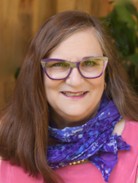

MaryAnne and her husband, Dr. Cundiff, are both driven by a belief in integrated services. Not as a philosophy, but as a practice, they are willing to build from the ground up. Together, they are preparing to open Smart Moves Health, a clinic that will integrate primary care, psychiatry, and medication-assisted treatment for substance use disorders, with plans to expand services over time. To make it possible, they purchased a former clinic building and have spent years renovating it, investing their own resources to bring the space back into use. It is, in the most literal sense, an investment in the health of a community they believe in.
The structure of care shapes who it can reach
MaryAnne’s story points to something larger than a single practice model. Across Washington and beyond, psychiatric nurse practitioners are stepping into persistent gaps in behavioral health access, bringing clinical expertise alongside a nuanced understanding of the social and cultural realities that shape mental health. They are essential to closing this divide, recognizing needs that might otherwise go unseen, and building pathways to care where barriers once stood.
“Zelda” and “Allen’s” stories are examples of what becomes possible when care is designed around the whole person and delivered by clinicians equipped to meet them there.
MaryAnne Murray is an alumna of the University of Washington School of Nursing’s Psychiatric Mental Health Nurse Practitioner program, where she earned her Master of Nursing in 2011 and completed her Doctor of Nursing Practice in 2012.
Considering the impact you could make?
If this story connected with you, know that there is a place for you in it. Learn more about psychiatric and mental health nursing programs on our website, or sign up for an information session.
Patient names in this story are pseudonyms. Personal health information is protected in accordance with HIPAA regulations.