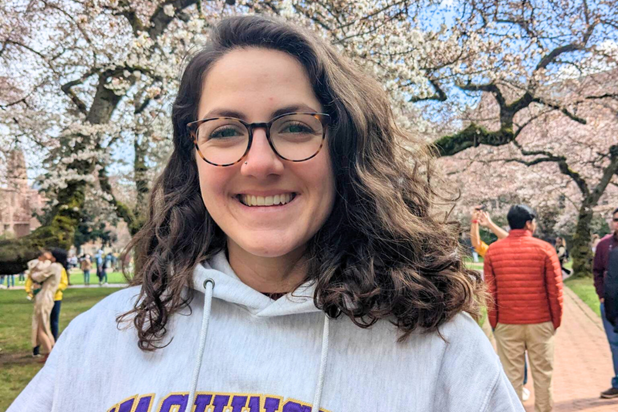
Marin Strong, a PhD in Nursing Science student at the UW School of Nursing, has been selected as a Sigma United Nations (UN) Youth Representative, a prestigious volunteer position that will place her at the forefront of global nursing leadership and advocacy.
Strong is one of three youth representatives chosen to represent Sigma Theta Tau International Honor Society of Nursing to the United Nations and the non-governmental organization community. She joins a team of six UN liaisons who promote nursing leadership on the world stage.
“I was immediately floored and in disbelief that it was all actually happening. This is a position I have aspired to for years, and something a younger version of me could only have dreamed of,” said Strong. “The title feels much, much bigger than me right now, so I am excited to learn the ins and outs and grow into it.”
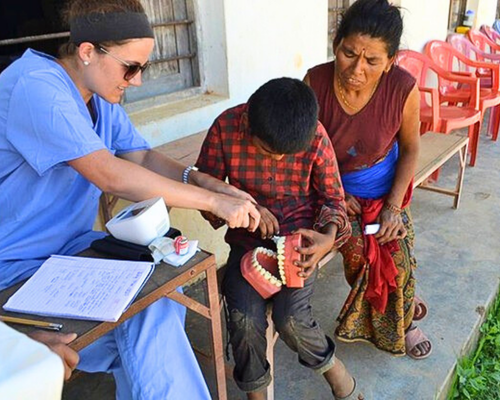
The UN representative positions support Sigma’s engagement at the highest levels of global collaboration by attending and participating in various UN events, programs, and activities. Representatives gather information to inform and advise Sigma’s global initiatives department, helping fulfill the organization’s mission to develop nurses anywhere to improve healthcare everywhere.
“At the heart of it for me is that I hope to amplify the impactful work nurses do every single day,” Strong said. “I also want to help nurses see the role they play in advancing the Sustainable Development Goals. Global is local and local is global. But I don’t think we spend enough time showing nurses how true that is for them.”
Strong’s selection recognizes both her academic achievements and her potential to advocate for nursing on an international platform. As a PhD student, she
brings a deep commitment to critical thinking, cross-disciplinary collaboration, and evidence-based practice that she sees as inseparable from nursing leadership at any level.
“Nurses make up an estimated 59% of all healthcare workers worldwide, totaling about 29 million strong. More than half of the global population is under 30 years old. This is why the voice of nursing and youth are so essential in global decision-making spaces like the UN — we are the majority,” Strong said. “Nurses are uniquely positioned to bridge policy and lived realities, seeing firsthand how these high-level decisions translate into real outcomes for patients and communities. Without nurses at the table, policies can stray and lose touch with the realities they are meant to address.”
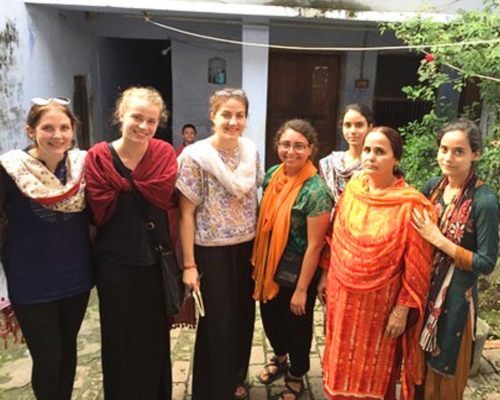
Strong came to her PhD studies at the UW School of Nursing with a wealth of experience across community and global health nursing. Her career has taken her across the United States, from Alaska to Texas to Washington, as well as internationally, including living in Indonesia, researching maternal care-seeking for childhood illness in Nepal, and studying globalization and care in India, South Africa, and Brazil. She has been part of a research team collaborating across the U.S. and Kenya to improve HIV and STI prevention for pregnant women, and currently studies programs implementing mobile vans and street-based medication for opioid use disorder in the Seattle area. This summer, she will serve as a Strengthening Care Opportunities through Partnership in Ethiopia (SCOPE) fellow, supporting projects focused on obstetric fistula and maternal mental health.
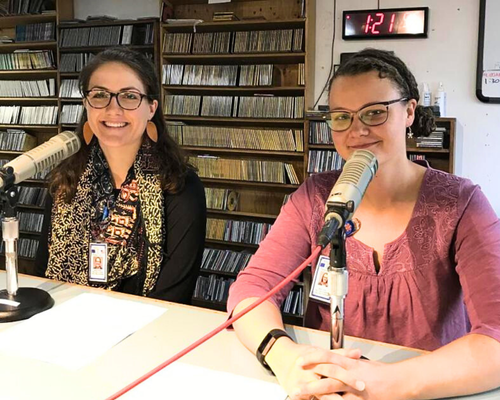
In her new role, Strong will attend and participate in UN events, advocate for the nursing profession on the international stage, promote engagement with the Sustainable Development Goals, and help educate world leaders about Sigma and the value of nursing leadership in addressing global health challenges. She also hopes to increase visibility and understanding of what PhD-trained nurse scientists do.
“I want to accurately represent nurses as the incredibly smart, compassionate, innovative leaders we are,” she said. “My appointment also coincides with a massive retraction of US involvement in these exact types of multilateral and multinational organizations. So it means even more to me to still have access to these spaces and show up with the trust, dignity, and respect that are foundational to the nursing profession.”
According to Sigma, the UN representatives help educate world leaders about the organization and promote the value of nursing leadership in addressing global health challenges.
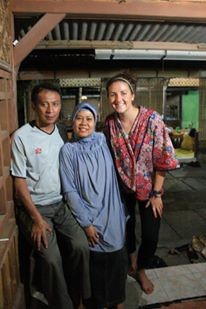
Strong also offered a message to other nursing students and early-career nurses with aspirations toward global health leadership: “Stay true to your values, identify your co-conspirators, and look for the opportunities to help. My journey here was so nonlinear… the truth is, it was often messy, uncertain, and full of unplanned side missions that totally transformed who I was and the way I saw the world. Actively see every opportunity as having something to teach you, especially those that stretch you beyond nursing and force you to step outside of yourself and your immediate world.”
For more information about Sigma’s United Nations representatives, visit the Sigma Global Nursing Excellence website.