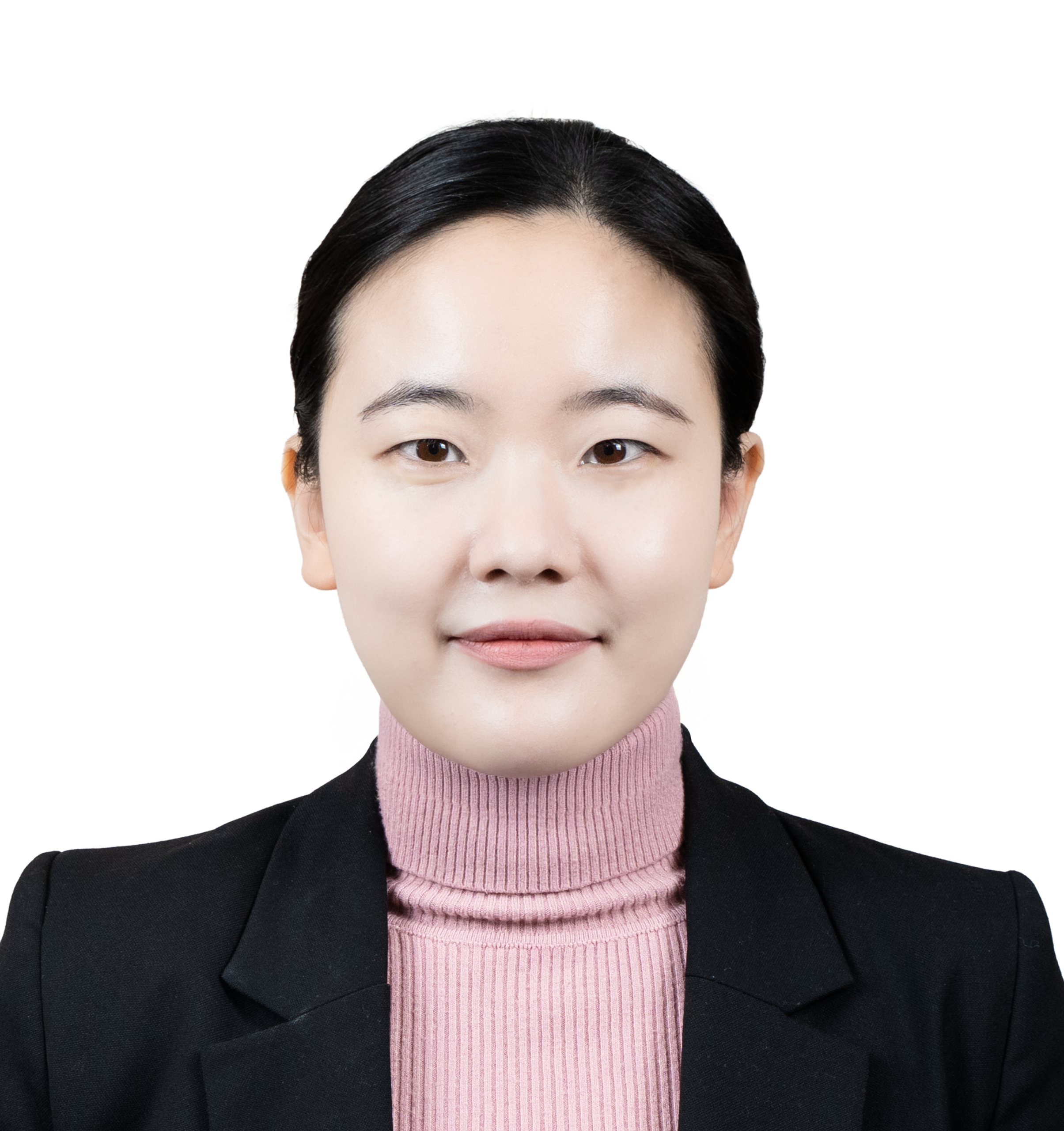
 Suah Park is a PhD in Nursing Science candidate and one of the de Tornyay Center’s 2025-2026 Healthy Aging Scholars. Her faculty mentor is Eeeseung Byun, and her project is titled, “Socio-contextual, Physical, and Psychological Factors Associated with Sleep Disturbances Among Korean Immigrant Older Adults: A Mixed Methods Study”.
What made you want to pursue a PhD in Nursing Science?
Working as a nurse practitioner, I realized that older adults are often prescribed multiple medications. I think there definitely is a need to develop or tailor non-pharmaceutical interventions. Seeing the growing emphasis on non-pharmaceutical approaches for older adults motivated me to pursue research in this area.
So through your research you’re hoping to help create and improve non-pharmaceutical interventions?
Yes, particularly regarding sleep, as sleep medications pose greater risks for older adults due to their significant side effects. These include increased risks of falls, dementia, and confusion. In clinical practice, there are frequent alerts indicating that many sleep medications are not recommended for older adults.
How did you become interested in the area of sleep?
Originally, I’m from South , where I finished my bachelor’s degree and worked in hospitals. After that, I moved to the United States and received my training to become a nurse practitioner at Virginia Commonwealth University. I got my first job as a nurse practitioner in a primary care clinic in South Tacoma seeing mainly Korean American older adults.
I noticed that some of my patients had depression and anxiety. But they didn’t express themselves by saying, “I have anxiety” or “I have depression.” Rather they would say, “I can’t sleep.” Many Asian Americans are reluctant to express their feelings because of stigma.
I tried to prescribe depression or anxiety medications, and they declined to take them due to stigma around mental health medications. But I noticed that once their sleep quality improved, their mood often improved as well. This observation is why I wanted to focus on sleep quality among older adults.
My dissertation is about sleep quality and sleep disturbance in Korean American immigrant older adults. There’s already existing non-pharmacological interventions for sleep, but I would like to improve their implementation by accounting for cultural beliefs and practices regarding sleep.
So you were finding people are sometimes more open to treating the sleep problem, which can help with mental health?
Yes, and then, once I start a conversation about a sleep issue, patients become more open to addressing depression and anxiety. It’s a conversation like, “How do you sleep?” or “Do you sleep well?” And then they say, “I cannot fall asleep, my mind feels busy, I have many concerns.”
And then I suggest, “It seems that your sleep concern is coming from your mood. Can you talk to me about your mood?”
Then they’re more open to addressing their anxiety or depression. Also, they’re more likely to reveal their personal experiences. This approach is helpful when you need to start a conversation related to a mental health issue.
Could you briefly describe the project you’re doing with the de Tornyay Center Scholarship?
It’s a cross-sectional mixed-method study, designed to examine the association between socio- contextual, physical, and psychological factors and sleep disturbance in Korean immigrant older adults.
Through the interviews, I’m going to explore the role of sleep-related beliefs and sleep hygiene practices as potential correlates of sleep disturbance. I will also explore culturally informed beliefs or perceptions and behaviors related to sleep through qualitative content analysis.
What are some of the cultural considerations related to sleep for Korean Americans?
The most common thing is that Koreans often connect sleep and diligence. In Korean culture, short sleepers are often perceived as more diligent, whereas sleeping longer can be viewed as a sign of laziness. They feel guilty about napping because of this. Also, there is a strong cultural preference for traditional and natural remedies for sleep, such as warm teas, foot baths, moxibustion, herbal medicine, and meditation. Many Koreans tend to avoid sleep medications because they worry about potential dependence. Through interviews, I hope to better understand sleep beliefs and identify barriers to healthy sleep practices in this community.