
There are many words can describe the state of research over the past year, but the one that seems most apt is change. No matter how it’s explored, this year the American Research Enterprise—including in our own warm, sunny little corner of the Magnuson Health Science Building— was a year of immense, rapid, and often stunning change. Clearly those of us who support the UW School of Nursing research mission were not the only people feeling this way; as when we reflect back on our most read Notes on Nursing Research & Innovation columns this year the theme of change—anticipating it, preparing for it, acclimating to it, and seizing the opportunity it brings—was evident in our dear readers’ analytics.
When launching our Weekly Research Roundup in early January, we reminded our community that nurses, at our very core, are among the most innovative, creative, caring, and tenacious healthcare professionals. We shared with the UW School of Nursing and our allies that the science incubated in our walls is driven by our dedication to serving our fellow humans in their most vulnerable moments and that the resulting discoveries have transformed the lives of many. We were, are, and (I believe) will continue to be limitless when guided by that north star. Read more about the remarkable work driving nursing innovation in our #5 -read column of the year: Limitless.
The future of nursing science remains strong and full of promise, reflected in the five post-doctoral fellows who joined the UW School of Nursing scientific community this year. Driven by their voracious curiosity, these scholars are tackling critical questions spanning chronic illness, global health, and One Health. Our feature on these incredible individuals ranked as the #4 most-read column of 2025. Take a moment to be inspired by their rigorous and highly relevant research here.
Women’s health has always been a cornerstone 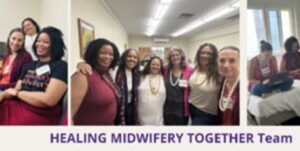 of the UW School of Nursing’s scientific mission. This year, as the importance of that work faced scrutiny, our community didn’t waver—we doubled down. We reaffirmed our commitment to advancing the health of all women through rigorous science, because we know this truth: when we invest in women’s health, everyone benefits. Dive into our #3 most-read story, part one of a powerful two-part series, right here.
One of the changes that we expected this year was an update to the NIH grant review framework. The NIH Center for Scientific Review had been undertaking a monumental, multi-year effort to revise its grant review criteria to reflect an emphasis on fairness, clarity, and scientific impact expected in all reviews and proposals. Good grantsmanship has always necessitated that grant applicants carefully and compellingly explain why their proposals will achieve the priorities of the sponsor. Our community was clearly curious about these new changes to peer review and how they would impact their own proposals. To learn more about these changes, their implications for applicants, and how the Office for Nursing Research & Innovation can help you integrate these changes into your proposal, check out our #2 story this year: Demystifying the NIH’s Simplified Review Framework: What You Need to Know.
Few topics sparked as much conversation this year  as NIH’s unexpected policy shift: a new cap on grant submissions. While the idea had circulated for years, the official announcement came as a surprise to many: starting January 2026, investigators can submit no more than six new, renewal, resubmission, or revision applications per calendar year. This change isn’t just procedural, it’s strategic. Researchers will need to rethink how and when they submit proposals, ensuring every application carries a clear purpose and impact. Adding to the buzz, NIH also signaled heightened scrutiny of artificial intelligence (AI) in grant writing, warning that AI-generated applications may be deemed non-compliant. Our community sees this as more than a limitation, it’s an opportunity to elevate the quality and value of every submission. Explore our most-read article of 2025 to learn what this means for investigators: What the New NIH Grant Submission Cap Means for Researchers.
As we close out 2025, we’d also like to take a moment to thank our many, many guest columnists this year; the entire Office for Nursing Research & Innovation team (particularly Erlene, Candy, & Sarah) who ensure that the Weekly Research Roundup reflects our unit’s commitment to excellence each and every week; and you, our dear, and mostly gentle, readers. Each week when you read our newsletter, you engage with and help to build our strong community of scholars in both small and big ways. Thank you. Thank you for your support, your creativity, your energy, your resilience, and your steadfast belief that science can be a powerful force for good.