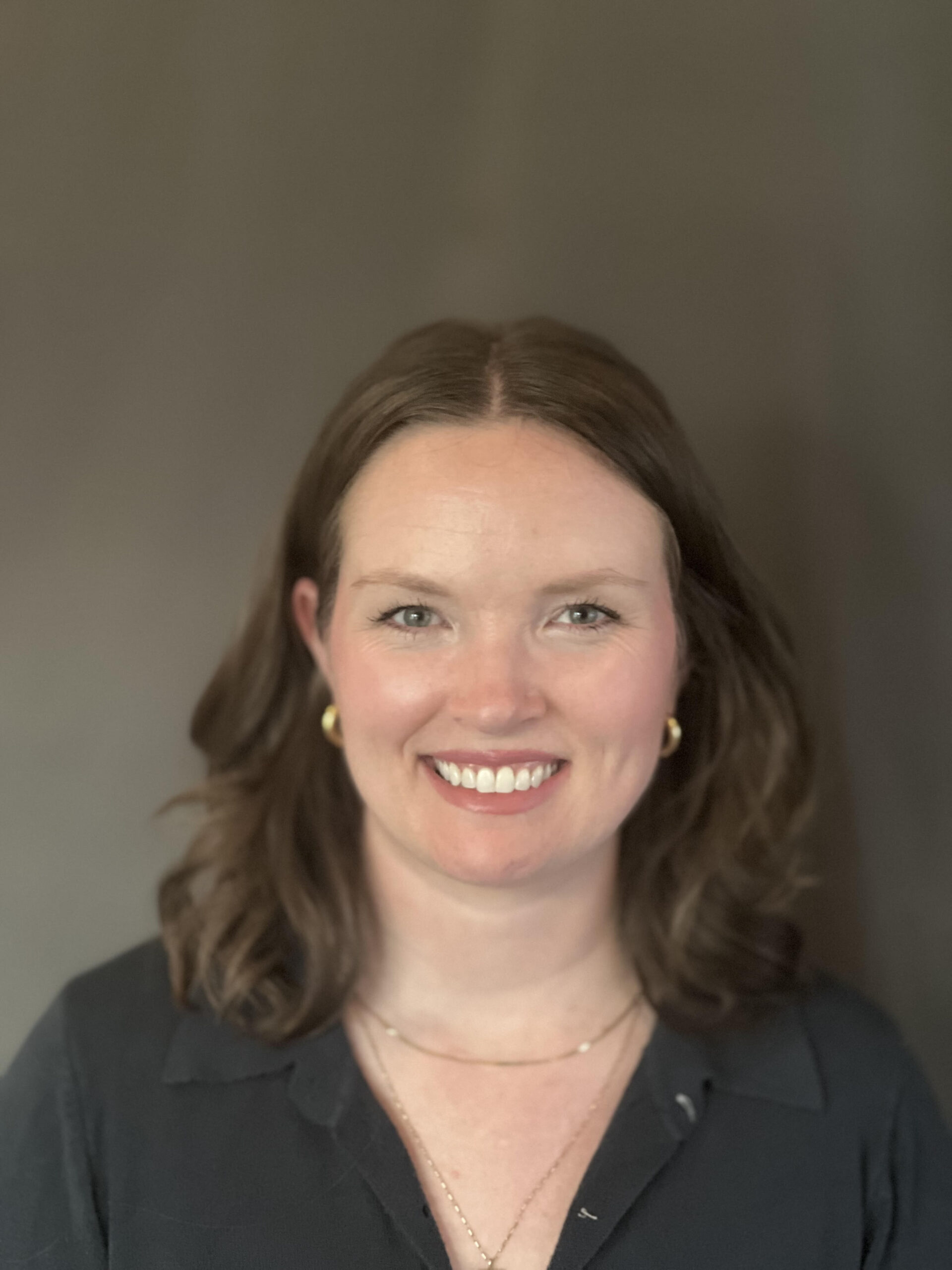
 Michelle Thomas is a DNP student and one of the de Tornyay Center for Healthy Aging’s Healthy Aging Scholars. Her project is on “Improving Timely Colonoscopy Follow-up after Abnormal Fecal Immunochemical Test Results in the Veteran Population.” Her mentors are Katherine Murrow and Brenda Zierler.
Why did you choose to go into nursing?
I have been a nurse for 15 years and I elected nursing when I was in undergrad.
I’d actually been admitted to the business school, and I intended to become an accountant. Then, once I started my undergrad education, I was surrounded by people who were really passionate about the things that they were pursuing, and I found that that was not how I felt about accounting.
I was searching for something where I could spend my life giving back to my community, and I felt like nursing was the way that I was going to be able to do that.
What about nursing made you feel that was the way you wanted to give back?
I liked the challenge of it. I appreciated that there was lifelong learning associated with it, and that I got to engage with people from diverse backgrounds, across ages and lived experience. It aligned with my interest in humanities and the sciences, and interacting with people and supporting people on their own journey.
What interests you about healthy aging?
I’ve been a nurse for quite a while and have seen that, over time, we are caring for people in an older age range that have a higher burden of chronic diseases, who are needing to manage complex medical regimens. I felt like primary care was what was needed to promote vitality, to support their specific goals of aging, and to avoid people getting lost in the world of specialists and ensure that patients’ goals and quality of life and desires are upheld.
What past experience do you have working with older adults?
I have always worked with adults throughout my nursing career. I worked in acute care as an oncology and nephrology nurse. After this, I worked for a long time in endoscopy, which is gastroenterology concerns and liver disease, things like that, which tend to be skewed to an older adult population.
All of those experiences endeared me to people who have lived a lot of life, and have unique perspectives, and have oftentimes a lot of interesting things to share. That really made me want to serve that community.
Can you briefly describe the project you’re working on with the de Tornyay Center scholarship?
My project is working within the VA Puget Sound Health System. The goal of the project is to improve colorectal cancer screening completion rates within the Veteran population in this area. One way we’re looking at doing that is to improve the number of people who get a diagnostic colonoscopy after they have a Fecal Immunochemical Test (FIT)-positive result. A FIT test is a stool-based colorectal cancer screening method.
If you get a positive FIT test, you have to have a colonoscopy. The research suggests that a colonoscopy should be done within 6 months, because the FIT test may indicate that there’s an advanced adenoma that is likely near conversion to cancer. The longer we wait, the higher likelihood that that will convert into a cancer versus a precancerous lesion or a high-grade precancerous lesion. Right now, about 61% of the Veterans in the Puget Sound system with a positive FIT get the screening done within a year.
The VA has gone to a mostly FIT-based screening program, which is unique for a health care system. The VA also considers colorectal cancer a presumptive condition, meaning they presume it to be likely linked to a Veteran’s service.
My project is looking to improve the way that we collect data, to get a good reporting tool in place, so that we can determine who needs follow-up on their FIT positive results. Then, I’m going do a few education pieces with the primary care providers across the Puget Sound system, and we’re also doing a little side piece of trying to integrate some AI tools that some of the providers are working on to improve our chart review.
Could you talk a little more about education part of your project?
I’m doing a multi-level intervention, meaning, we’re trying to address multiple pieces all at the same time. One thing I’m doing is education with the providers to let them where we’re at as far as colonoscopy completion rates; the goal, which is more than 80%; and the major barriers we are seeing from the data review that are interfering with our ability to meet that goal.
Has there been anything that’s surprised you so far while working on the project?
You would think many of the barriers to care would be easy to figure out. Then, once you get into the data, you really uncover how many people need to be involved in those changes. There has to be system-wide changes, there have to be provider-level changes, and then there also has to be patient-level changes, meaning ways that we can provide education and cultural understanding of what screening even means. There’s a lot more complexity to it.