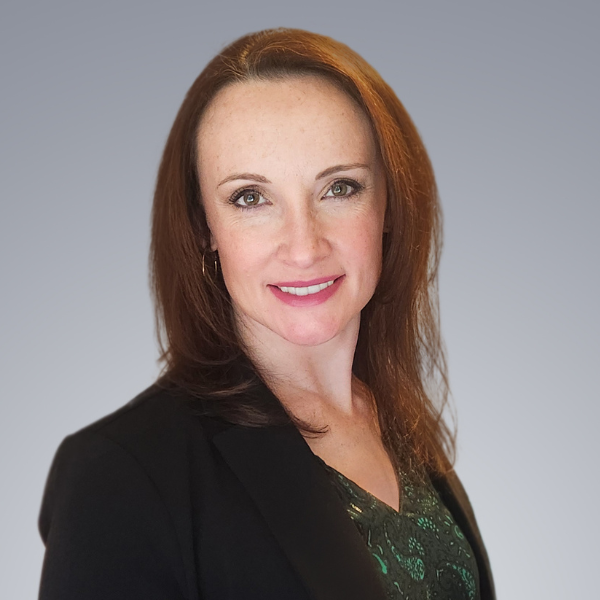
Teaching has been a part of Kristen Childress’ life throughout her career as a nurse. In community college, she taught GED courses and tutored students in the sciences. In nursing school, she took classes she knew would benefit her as a future nursing instructor and talked to her instructors about wanting to teach.
“It’s just always been a core part of who I am and what I love to do,” Childress said about teaching.
Recently, Childress was recognized for her teaching skills with the UW School of Nursing’s 2026 Sandra Eyres Excellence in Graduate Teaching Award. The award “honors faculty who inspire critical thinking, foster professional growth, model ethical leadership, and create inclusive, dynamic learning environments where graduate students thrive.”
“I love helping people find their niche,” said Childress. “If I can help [students] match their passions with their future career and align their learning with that, I’m a happy person.”
Childress, who also serves as a member of the de Tornyay Center for Healthy Aging executive team and co-director of the Palliative Care Training Center, has a lifelong interest in nursing and working with older adults. She grew up around people with dementia, often visiting her grandfather in a memory care facility. By the age of 10, she knew she wanted to be a nurse.
“Some of my earlier memories actually were being in the memory care unit with him and going and playing piano for the residents there,” said Childress. “I’ve said for a long time that I speak the language of dementia.”
Body language can often be more clear than talking when communicating with people with dementia, said Childress. How you talk to people with dementia is more important than what you’re saying. Even if they don’t remember who you are, they can tell if you care about them.
“I always interact with people who are living with dementia as somebody who’s my old friend,” said Childress. “When I greet them, it’s like I’ve known them forever, even if I’m just meeting them.”
Now, Childress works in primary care as a nurse practitioner, with a focus on people with cognitive impairment, in addition to teaching UW classes on the physiology of aging and palliative care. She thinks the balance of those two roles – clinical practice and teaching – helps to make her a stronger teacher. She can help students tie what they’re learning and studying to the realities of bedside nursing and to the daily lives of patients and their families.
Many of the classes she teaches are for the UW Palliative Care Certificate. The interdisciplinary program not only equips students with the skills to provide palliative care, but also helps them manage the emotional weight of their work. They teach students how to navigate conflict with teammates and work with patients, all while honoring and supporting their own emotions. The program also teaches students about navigating grief and gives them a community with other students in the program.
Childress says she’s seen students come into the program who are currently working in healthcare and burnt out, and it’s been rewarding to watch many of those students find a new way forward.
“People are exiting the program going, I have energy and hope now to look forward to the future in my practice. I can go to my work every day and feel like it’s meaningful,” said Childress.
That type of student support feeds back into one of Childress’ values as a teacher. She wants to see students thrive and help them to navigate challenges while in school, whether that comes from school itself or from outside circumstances.
“For me, it’s not just about you being successful in school,” said Childress. “I want your life to be successful.”