Tuberculosis (TB) is still the world’s leading infectious killer. Each year, more than 10 million people get sick with TB and over 1 million people die from it. Even though TB can be prevented and cured, many people struggle to finish the long treatment. Stigma, limited access to patient-centered care, and overburdened health systems make it harder for people to take their medicine every day for the six to nine months needed for treatment.
Mental health challenges, such as depression and anxiety, affect up to 70% of people receiving TB treatment and make staying on treatment even more difficult. Very few tools exist that support both mental health and TB treatment, especially in settings with limited resources.
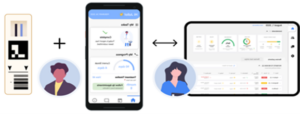
To help address these problems, our team developed the TB Treatment Support Tools (TB-TST). This digital health intervention was built with input from TB survivors and frontline providers and was supported in part by the School of Nursing RIFP (Suzanne E. Van Hooser funds, 2017). TB-TST includes patient-friendly TB education, tools for tracking medications and side effects, a home urine test to check treatment progress, messaging with treatment supporters, and a dashboard for healthcare teams. We tested TB-TST in an NIH-funded clinical trial across four public hospitals in Argentina, where more than 60% of the country’s TB cases are treated. TB-TST improved important outcomes such as treatment completion and cure rates. The study also showed the patients wanted more real-time support, especially after clinic hours, and more help with mental health.
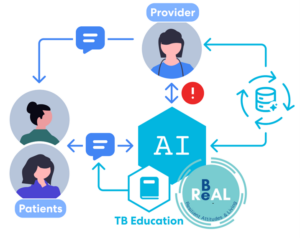
Artificial Intelligence (AI) may help meet these needs by giving patients support anytime, even when clinics are closed, and by helping healthcare teams that are already stretched thin. With support from RIFP (Van Hooser Research Fund, 2024) and the UW Dawg Tank award, and in
collaboration with computer scientists and students from the UW Responsible Health AI Lab, we created Spanish-language large language model (LLM) chatbots to answer patient questions, give quick advice, and provide clear supportive messages. In the first phase of the project, we built and tested several chatbots versions.
TB experts then evaluated the chatbots and found that they were accurate and helpful in answering common patient questions. They also pointed out areas that could be improved, like reducing technical language and making sure the chatbots clearly explain the differences between active TB and latent TB.

*=Doctoral student in Health Administration; Dr. Iribarren serves as a committee member
We are now improving the AI tools. We are strengthening the TB education feature and adding a skills-based program. This program teaches strategies to help patients manage stress, regulate emotions, and communicate better with their healthcare providers. Because many people with TB experience stigma, guilt, or
shame, skills like mindfulness, acceptance, and healthy communication can help reduce anxiety and depression during treatment. Soon, we will invite TB and mental health experts to evaluate the updated tools.
Our hope is that by combining accurate TB information, mental health support, and real-time help, we can make TB treatment easier to complete and more centered on patients’ needs.