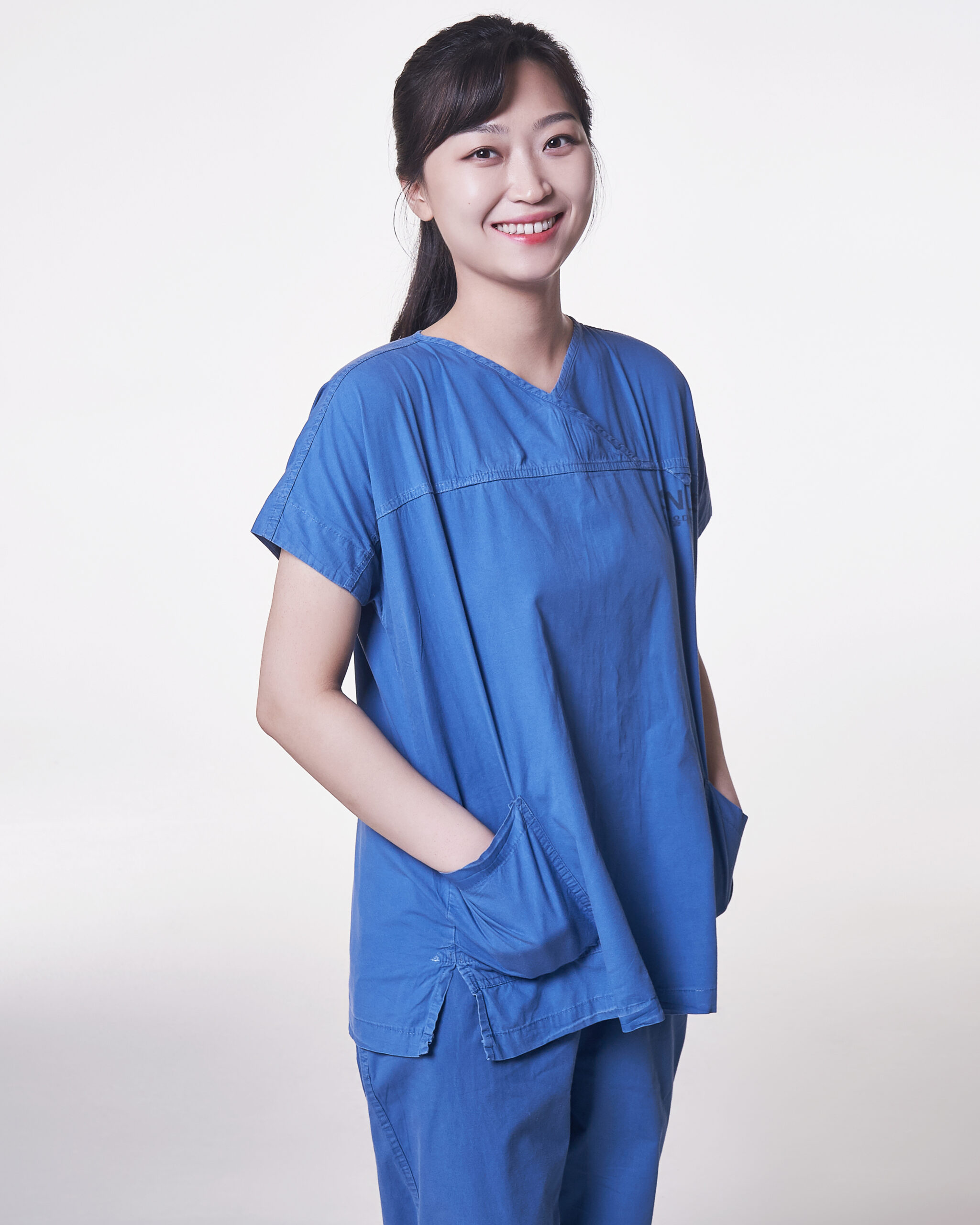
In high school, Jinseon Hwang imagined a future shaped by books and language: a degree in Korean literature, perhaps a life built around words. But when her college entrance exam scores fell short of her hopes, her mother offered a gentle redirect: consider nursing, a field grounded in science, built for stability, and devoted to people.
It was not the path Hwang had pictured. It became, in time, the one she could not imagine leaving. Now a second-year Ph.D. student in nursing science at the University of Washington, Hwang has spent more than a decade moving across units, institutions and countries, driven by the belief that every new setting could teach her something the last one could not.
Learning to Study for Patients, Not for Herself
Hwang’s clinical career began in the surgical intensive care unit at Seoul National University Bundang Hospital, one of Korea’s largest tertiary medical centers. It was a demanding environment, with complex cases, high acuity and an unrelenting pace, and Hwang met it the way she meets most challenges: by studying constantly.
She was a new nurse, diligent and thorough, accumulating knowledge at a rapid clip. On her days off, she studied. Everyone in the unit knew it. But it took a mistake, and a meeting with her head nurse, to reshape how she thought about what that knowledge was for.
During a night shift, a loosely connected drug line caused a dangerous medication leak. Hwang was taken aback by her patient’s response. Instead of anger, the patient thanked her for caring for her through the night. The harder conversation came later, behind closed doors.
Her head nurse told her plainly: the purpose of her studying did not appear to be for her patients. It seemed aimed at building her own knowledge, her own competence. Nurses, she said, should study for the benefit of the people in their care.
The words landed hard, because they were true. As a new graduate, Hwang had been studying largely to avoid criticism from senior nurses, not out of a genuine focus on patient care. “Looking back, I think many new nurses, and even experienced nurses, can fall into the same mindset,” she said.
That correction changed everything. “The ultimate priority should always be learning for the sake of better patient care,” Hwang said. She came to understand that her head nurse was not reproaching her effort, but redirecting it, pointing a hard-working new nurse toward the true purpose of the profession.
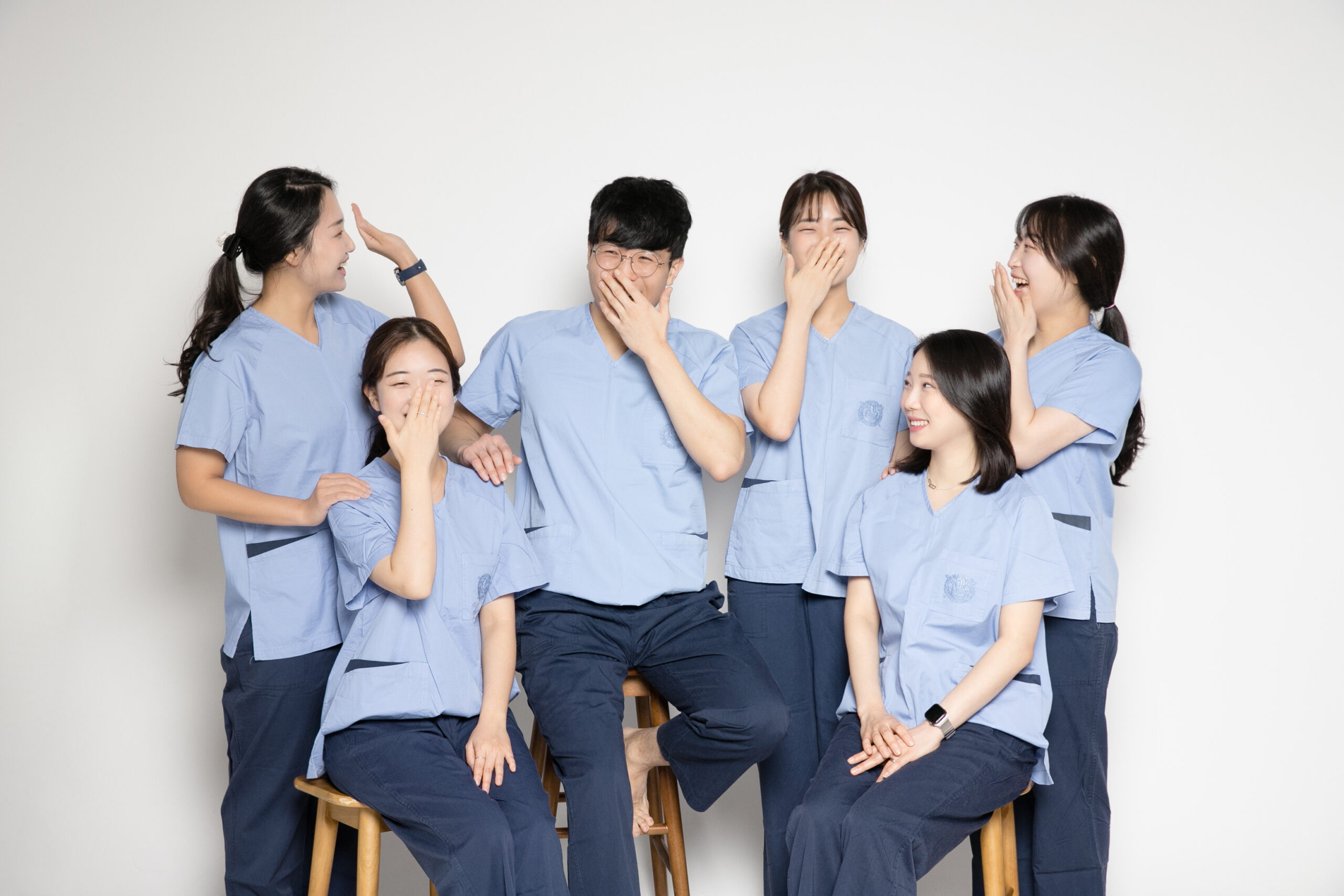
A Cardiovascular Focus, Earned Over Years
Over the next several years, Hwang moved through a range of clinical settings, including the surgical intensive care unit (SICU), the post-anesthesia care unit (PACU) and the cardiology and rheumatology ward, each one adding another layer to what would become a specialty in cardiovascular nursing. After stepping away from bedside work to pursue her master’s degree at Ewha Womans University, she joined a heart clinic focused on arrhythmia, deepening her expertise by analyzing long-term heart rhythm recordings known as Holter monitors.
Her trajectory pointed next toward Saudi Arabia. She had accepted a position in a cardiac care unit there and had begun the licensing process, a path she completed fully, earning a Saudi nursing license on top of her Korean one. But significant visa delays upended the plan.
Rather than wait indefinitely, Hwang withdrew her acceptance and turned her attention to doctoral programs in the United States. She searched faculty research interests across roughly 40 top-ranked nursing programs, looking for someone whose work aligned with her own focus on cardiac arrest survivors and their family caregivers. She found one: Cynthia Dougherty, a professor at the University of Washington School of Nursing and leader of the Cardiovascular Nursing Research Team. Hwang did not hesitate to enroll at UW.
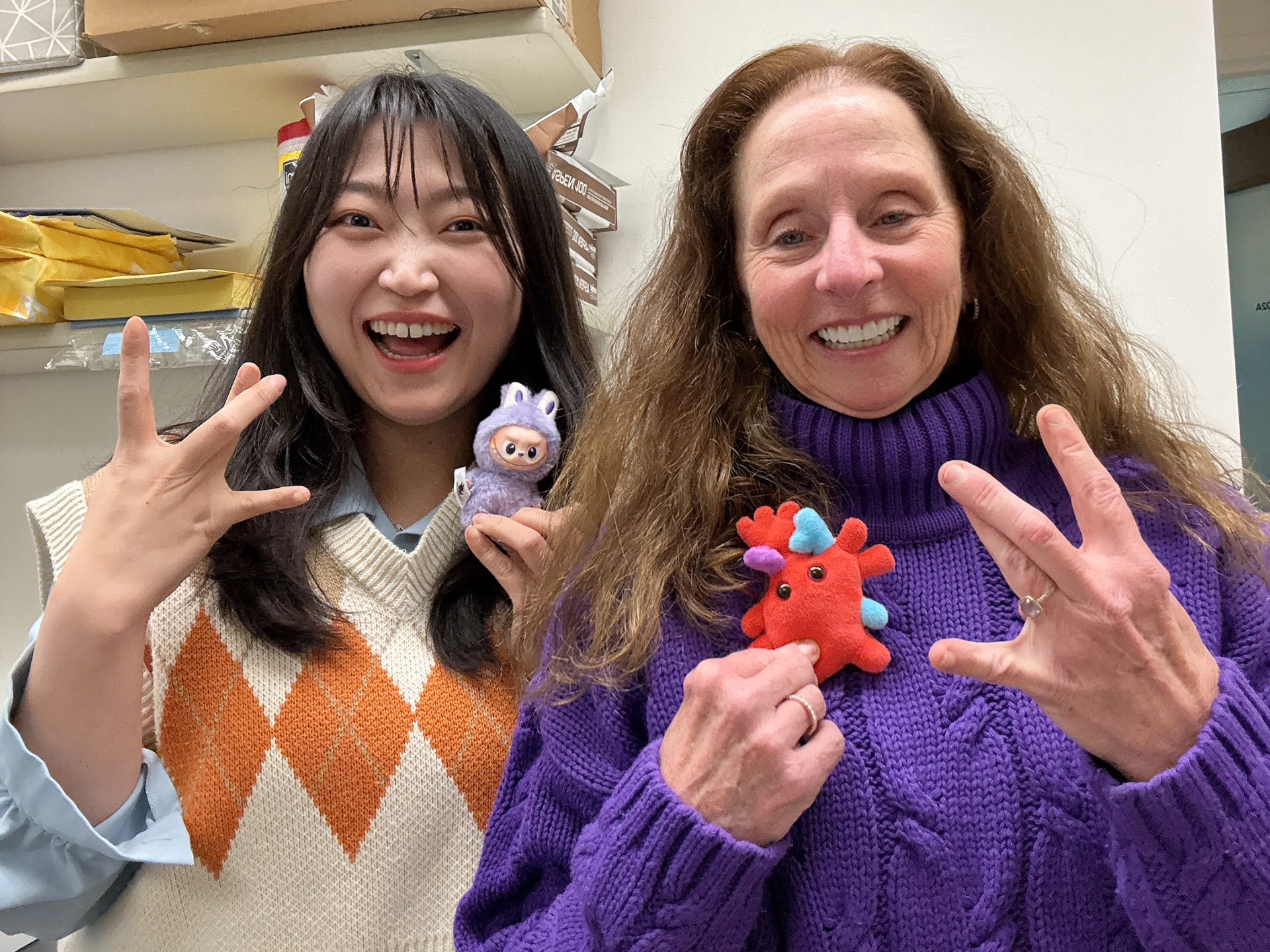
The decision has proven to be about more than research fit. Dougherty, Hwang said, offers exceptional mentorship, not only guiding her scholarship but providing emotional support through the broader challenges of doctoral study. The school itself has been equally generous. With support from the de Tornyay Center, faculty and School of Nursing scholarships, Hwang has presented her research four times at conferences, with two more presentations scheduled later this year.
“I truly love our community,” she said. “Whenever I need help, our school, faculty and senior students never hesitate to help. I try to do the same for others. That teamwork spirit is also one of the essential values in nursing.”
She now holds nursing licenses in three countries (Korea, Saudi Arabia and New York) and is building a research program at UW focused on the well-being of cardiac arrest survivors and their family caregivers in the post-discharge period: the fragile, often underexamined stretch of time after a patient leaves the hospital but before they have fully found their footing.
Two Days That Spanned Two Systems
Even without U.S. clinical practice, as her student visa does not permit it, Hwang found a way to compare the systems firsthand. Through a connection with a fellow student in her doctoral cohort, she arranged a two-day shadow experience in the cardiovascular ICU at UW Medical Center.
What she observed reinforced what her years of practice had already suggested: that the fundamentals of nursing are constant, but the structures around them vary enormously.
Korean ICUs, she noted, are typically multi-bed rooms with sharply limited visiting hours, just two brief periods per day. At UW Medical Center, single-patient rooms are the norm and families are encouraged to remain at the bedside, a model that reflects a stronger emphasis on family-centered care. Korean patients receive standardized hospital meals; U.S. patients select from a menu. And in the U.S., dedicated ECMO and ventilator specialists share the technical burden that Korean bedside nurses carry alone.
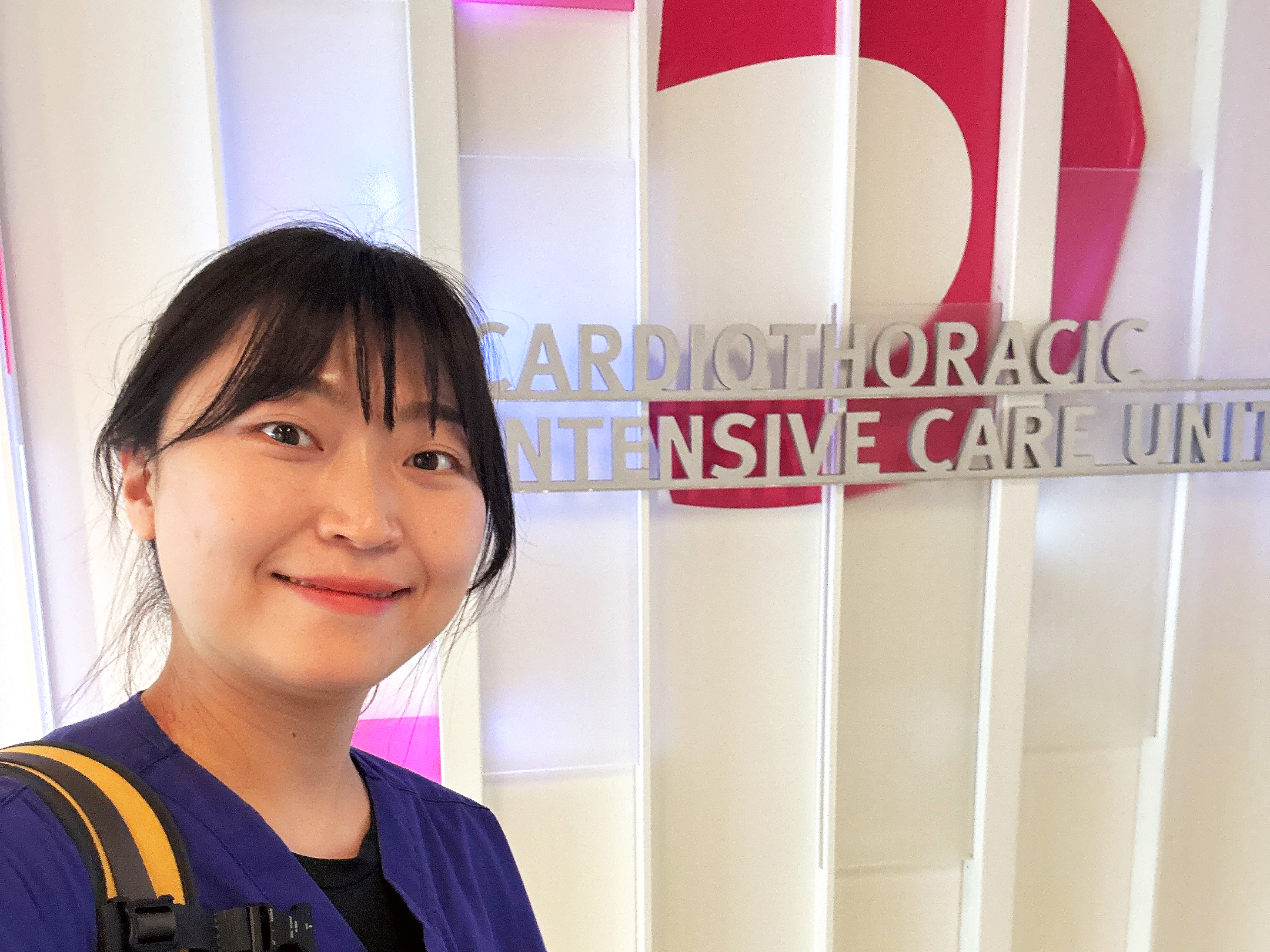
Communication patterns differed, too. U.S. nurses, she observed, narrate their care step by step and frame requests in ways that feel more collaborative, such as “Can you do it for me?” rather than directives. It was, she said, a noticeably more patient-centered register.
“These differences were fascinating,” Hwang said. She hopes to practice in the United States after completing her Ph.D.
Borders Are Not Only Lines on a Map
When Hwang thinks about what she would tell nursing students considering careers beyond their own borders, she starts by redefining the word itself.
“Borders are not limited to countries,” she said. “They can be departments, hospitals, regions or nations.”
Her own experience bears that out. When she worked exclusively in the SICU, she believed ICU nursing was the whole of what nursing could be. Moving to the PACU changed that. Moving to the cardiology ward changed it again. Working in a heart clinic, she encountered something she had rarely seen in acute care: what happens to patients after discharge, how they and their families navigate recovery, what continuity of care actually looks like from the patient’s side of the door.
That insight animates her research today.
“The essence of nursing does not change,” she said. “With a genuine heart for patients and openness to diversity, nurses can thrive anywhere.”
Hwang is clear-eyed about why she left the bedside to pursue a Ph.D., and equally clear about what has not changed. She still thinks about her former patients. The research she is building at UW is, in her view, a continuation of the same work, just by different means.
“The ultimate purpose of my research is to serve patients,” she said. “We study not for ourselves, but for the people whose lives depend on our knowledge and care.”
Jinseon Hwang is a Ph.D. student in the UW School of Nursing. Her research focuses on well-being among cardiac arrest survivors and their family caregivers following hospital discharge.