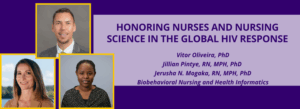
December 1 marked World AIDS Day—a time to honor more than 44 million lives lost to HIV and reflect on the progress that transformed HIV from a fatal diagnosis into a manageable chronic health condition. It is also a day to reaffirm our commitment to ensure no one is left behind in the global HIV response.
The World Health Organization’s 2025 World AIDS Day theme, “Overcoming disruption, transforming the AIDS response,” calls for bold leadership, global collaboration and a steadfast focus on human rights to end AIDS by 2030. Nurses stand at the forefront of making this vision a reality.

From the earliest days of the HIV epidemic, nurses led the way. Nurses provided direct care to individuals experiencing stigma, fear and uncertainty. The powerful documentary film 5B shows how trailblazing nurses and caregivers opened the first AIDS ward in the world in San Francisco, fighting for compassion and better care. They designed nurse-led HIV care models that expand treatment capacity and improve quality of care, especially where physician shortages persist. The Association of Nurses in AIDS Care carries on this legacy by uniting HIV nurses, advancing evidence-based practice and championing the voices of people most affected by HIV.
Nursing scientists continue to drive innovation in HIV prevention and care. They study how to ensure that proven interventions reach every person who needs them. They expand access to HIV testing, pre-exposure prophylaxis (PrEP) and antiretroviral therapy by designing programs rooted in diverse lived experiences. Nurses create solutions in partnership with communities that support real-world needs while strengthening trust and dignity in care. Nursing research also supports healthy aging for people living with HIV by addressing long-term wellness, chronic disease prevention and quality of life across the lifespan.
HIV research has changed more than HIV care. It led to breakthroughs in cancer treatment, helped create mRNA vaccines for COVID-19 and informed tools to fight hepatitis, Ebola and other global health threats. Work at UW, Fred Hutch Cancer Center and partner institutions shows how HIV science strengthens healthcare everywhere.
On World AIDS Day, we honor the communities leading the HIV response, remember those we’ve lost to HIV and thank the scientists, nurses and care teams who work every day to improve the lives of those affected by HIV. Their efforts not only improve HIV outcomes but also spark discoveries that benefit healthcare as a whole.
Despite tremendous progress, HIV remains a major global health challenge. We must keep investing in HIV research and programs that advance health for all. Our collective goal remains clear: deliver compassionate, evidence-based care to every person—with no one left behind.