Skip to content

Nurse Midwifery

Nurse-Midwifery

About the track

Comprehensive reproductive care

Our Nurse-Midwifery (NM) track within the DNP degree program prepares you to provide comprehensive primary, sexual and reproductive care across the lifespan, with special emphasis on pregnancy, childbirth and reproductive health.

Nurse-midwifery practice focuses on:

  • Providing comprehensive sexual and reproductive care, including gynecologic, contraceptive, family planning and preventive care
  • Providing care before, during and after pregnancy and childbirth
  • Caring for well newborns through the first 28 days of life
  • Providing perimenopausal and postmenopausal care

You will learn to care for people from adolescence through older adulthood, and for well newborns during the first 28 days of life.

NM students engage in an extensive and rigorous learning experience rooted in anti-racism and reproductive justice, preparing them to provide trauma-informed care to vulnerable and often underserved communities.

Program format

The NM track follows the standard DNP program format: online coursework combining required live online sessions with asynchronous work, plus up to one on-campus intensive each quarter. Clinical placements begin in spring quarter of year two. All clinical placements are arranged by the UW School of Nursing and are located in Washington state.

Why UW

What makes our DNP-NM track different?

The Nurse-Midwifery track combines comprehensive reproductive care, anti-racist and reproductive justice-centered education, hands-on simulation and coordinated clinical placements. You’ll develop the clinical judgment and leadership skills to care for individuals and families across the reproductive life course.

Ground your practice in anti-racism and reproductive justice

Learn within a program committed to addressing medical racism, advancing reproductive justice and preparing clinicians to provide culturally responsive, trauma-informed care.

Explore anti-racism and equity at UW Nursing

Build clinical competency through hands-on simulation

Strengthen your assessment, diagnostic reasoning and patient communication skills during your on-campus intensives in our INACSL-endorsed Simulation Center, a controlled, psychologically safe environment for developing advanced practice competencies.

Explore our Simulation Center

We coordinate your clinical placements

UW works with UW Medicine and an expansive network of clinical and community partners to integrate midwifery and reproductive health experiences into your program plan.

What you will learn

Provide comprehensive, person-centered midwifery care

Care for people across the reproductive life course

Certified nurse-midwives are prepared to:

  • Perform comprehensive health assessments, including ordering and interpreting diagnostic procedures
  • Partner with patients and families for health promotion and disease prevention
  • Generate differential diagnoses and manage acute and chronic health problems
  • Prescribe and evaluate medication- and non-medication-based therapies
  • Use developmental, patient- and family-centered approaches
  • Act as leaders in healthcare systems
  • Advocate for the role of nurse-midwives and culturally relevant birth workers

Practice across clinical and community settings

Graduates are prepared to practice independently and within larger healthcare teams, caring for people across the reproductive life course in settings including:

  • Birthing centers
  • Hospitals
  • Ambulatory care clinics
  • Private offices
  • Community and public health centers
  • Home settings
  • Medically underserved and rural practice settings
  • Military installations

Curriculum

You’ll build a foundation in population health, health policy, evidence appraisal and translation, leadership and health systems alongside DNP students from every specialty track, while advancing your knowledge of pathophysiology, pharmacotherapeutics and comprehensive health assessment.

Specialty coursework in sexual and reproductive health, childbearing and newborn care leads into a sequence of advanced clinical practica, clinical immersion and your DNP Project.

View the curriculum grid

Credentials

National certification

Graduates of our DNP Nurse-Midwifery program may be eligible to apply for the national certification examination administered by the American Midwifery Certification Board. Graduates who meet the certification requirements and pass the examination earn the Certified Nurse-Midwife (CNM) credential.

Our commitments

Philosophy, mission and objectives

The UW Nurse-Midwifery track undertook a truth and reconciliation process from 2020–2022 to address harms that affected former and current students in our program. You can review the final report describing the process and outcomes.

Nurse-Midwifery philosophy, mission and objectives

The UW Nurse-Midwifery track aims to train and support the education of highly qualified and compassionate healthcare providers caring for individuals and families through the reproductive life course. We acknowledge the unacceptably high mortality rate of Black, Indigenous and other birthing people of color and infants in this country due to medical racism, social determinants of health and chronic stress.

We also acknowledge that systemic racism exists within our school and our programs, and we strive to build an anti-racist culture in academia to create a more equitable and safe future for all families. Our guiding philosophy is grounded in the following values:

  • Autonomy and self-determination: We believe all people have the right to access a full spectrum of sexual and reproductive healthcare, and we trust people to know what is best for their own bodies and make the best decisions for themselves. We provide training sites for our students to learn skills to provide services, including care related to pregnancy, birth, abortion care, gynecology across the lifespan, primary care and gender-affirming care for all people seeking these services.
  • Social and reproductive justice: We believe that it is our responsibility to leverage the privilege and power granted to us by our position within the healthcare field to support and amplify the voices of communities marginalized by racism and discrimination. We recognize the need for all faculty and students to do the work to develop an anti-racist program. We acknowledge the deep history of medical racism and the structures within the healthcare system that perpetuate harm to marginalized communities. We aim for students to emerge from our program with the skills to disrupt and rebuild structures.
  • Collaboration and community engagement: We believe collaboration extends beyond the traditional relationship with physician colleagues and includes those with expertise in other professions within and outside nursing. This includes nurses, other advanced practice nurse specialists, community-based midwives, nursing and midwifery students and the communities we all serve. Our commitment to community engagement is demonstrated by our goal to center community stakeholders, including students and alumni, in how the program is structured and to prioritize our relationships with community partners.
  • Accountability: We hold ourselves accountable for adhering to these values and building systems that maintain integrity in our program. We prioritize student involvement in all aspects of the Nurse-Midwifery track and center their experiences as foundational to our success. We value the expertise of, and are accountable to, our community partners to ensure we uphold the values we describe.

The mission of the UW Nurse-Midwifery track is to advance midwifery practice through the preparation of nurse-midwives who will:

  • Apply scientific evidence and person-centered care principles to promote the health and well-being of individuals and families in Washington communities and beyond.
  • Serve as leaders in advancing healthcare practice by applying, generating and testing innovative models of care in perinatal care, sexual and reproductive healthcare, newborn care and primary care.
  • Disrupt the racist and oppressive systems that affect access to the midwifery profession and midwifery care to improve perinatal outcomes for all communities.
  • Be accountable for professional growth, evaluation of practice and the development and advancement of equitable policies supporting the philosophy and mission described above.

The specific objectives of the Nurse-Midwifery track are to prepare graduates who:

  1. Provide competent, safe, high-quality and culturally sensitive midwifery care to address the health needs of people from diverse backgrounds, experiences, family structures and communities.
  2. Critically evaluate theories, concepts and research findings from nursing, midwifery and related sciences for translation into clinical practice.
  3. Use effective communication and leadership skills in interprofessional teams to promote positive change in the health of individuals and communities.
  4. Use information systems and other technologies to improve the quality and safety of healthcare.
  5. Apply principles of transformative justice and the social determinants of health in evaluating health policies and advocating for the health of people and families in local, national and international contexts.
  6. Evaluate care systems by analyzing the needs of consumers, healthcare policies, service delivery and finance models, political contexts and health indicators to increase access to healthcare for all people and their families in a variety of communities.

Accreditation and graduation outcomes

For the years 2024–2026, the combined graduation rates for the DNP and graduate certificate programs were 91%, 96% and 93%. The graduation rate was 93% over the three years. Graduation rates for the Nurse-Midwifery DNP program were 91%, 83% and 80%, with a graduation rate of 85% over the three years. These figures do not include students on altered progression who are still working on completing their degree.

The University of Washington Nurse-Midwifery DNP and postgraduate certificate programs are fully accredited by the Accreditation Commission for Midwifery Education.

In their own words

Why choose Nurse-Midwifery at UW?

A perspective from the specialty director

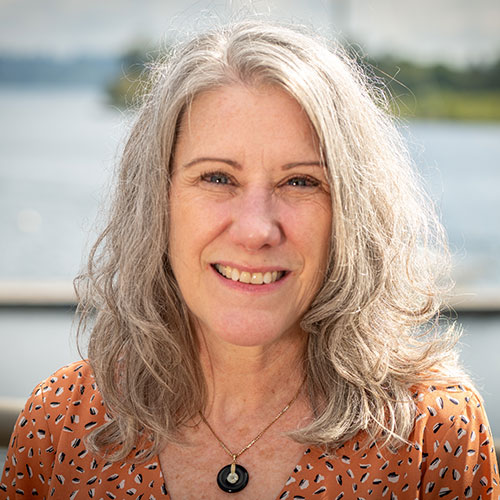
Portrait of Ellen Solis

“UW’s Nurse-Midwifery Program is a place where you can develop exceptional clinical skills while staying grounded in the values of reproductive justice, equity, and respect for every person’s reproductive journey. Because we’re a small program, students build close relationships with faculty and classmates and receive a level of support that’s hard to find elsewhere. Our students leave not only ready to practice midwifery, but ready to help transform the systems in which they work.

We invest heavily in supporting each student as a whole person, not just as a future clinician. I love watching students grow into thoughtful, skilled midwives who are prepared to provide compassionate care and advocate for meaningful change.”

Ellen SolisAssociate professor, Nurse-Midwifery Specialty Director

Experience & impact

The journey to my DNP has been very enlightening, specifically in the experiences of social justice, gender-affirming care and trauma-informed care. These experiences are unforgettable, and [I] will take them with me on this journey to becoming a midwife.

ArleneDNP-NM graduate, '21

Graduate spotlight

Ceci Gilmore, DNP ’23, works with a UW program to improve maternal health outcomes for Black women and other underserved community members.

Read the story

Ready to apply

Application deadlines

Application opens
Early September
Priority deadline (full-time applicants only), all tracks
January 15
Space-available deadline (full-time and part-time applicants), select tracks
May 1
Decisions released
March (priority), June (space-available)

You may apply to each specialty track once per admissions year.

Review application requirements
Apply through the UW Graduate School

Population Health & Systems Leadership

Population Health & Systems Leadership

About the track

Lead change across communities and systems

Our Population Health and Systems Leadership (PHSL) track within the DNP degree program prepares you to advance population health, reduce health inequities, strengthen community well-being and transform health systems locally, nationally and globally.

PHSL graduates are prepared to:

  • Lead community and population health initiatives
  • Design, implement and evaluate programs and policies
  • Manage resources and budgets
  • Engage diverse partners
  • Drive systems-level change that improves health outcomes and advances health equity

Since 2008, the PHSL track has prepared doctoral-level nurse leaders to influence policy, shape organizations and strengthen community health and well-being.

Program format

The PHSL track follows the standard DNP program format: online coursework combining required live online sessions with asynchronous work, plus up to one on-campus intensive each quarter. Clinical placements begin in spring quarter of year two. All clinical placements are arranged by the UW School of Nursing and are located in Washington state.

Why UW

What makes our DNP-PHSL track different?

The PHSL track is designed for nurses who are passionate about improving health beyond the bedside. The PHSL track offers a distinctive doctoral education centered on population health, health equity, policy, community partnership, leadership and systems change. You’ll develop expertise in understanding complex health challenges and addressing the factors that influence health across communities, organizations and systems.

The first program of its kind in the Northwest

Launched in 2008, the PHSL track is still the region’s only postbaccalaureate DNP track built specifically for population health and systems leadership.

Address complex health challenges and transform systems

Students gain expertise in designing innovative solutions, improving population health and driving systems-level change across diverse sectors and populations.

Nationally recognized certifications that expand your impact

Graduates may be eligible to apply for national certifications that recognize advanced expertise in leadership, public health, health systems and culturally responsive practice.

View national certifications

What you will learn

Explore health through a systems lens

Build population health expertise

Develop advanced knowledge of population health, health equity, community and population-level prevention, social justice and collaborative leadership.

Through an interdisciplinary curriculum grounded in systems thinking, implementation science, policy analysis, program evaluation, organizational leadership and community partnership, you’ll examine the social, political, economic and environmental factors that shape health and well-being and learn to design, implement and evaluate interventions that improve outcomes across populations.

Put systems leadership to work

Our PHSL track graduates lead across a range of employment sectors, including:

  • Education: school health program manager
  • Healthcare: division director in hospital and public health institutions, population health program manager, chronic disease program manager, director of community health programs
  • Government: nurse manager and director at urban and rural public health departments, community health director, public health nursing specialist at health department, AACN/CDC Public Health Nurse Fellow, equity & environment program manager
  • Tribal institutions: community health program supervisor
  • Nonprofits: director of a national environmental health nonprofit, program director and assistant director at local and regional nonprofits, mental health project manager, regional director of health equity at a voluntary health agency, chief nursing officer at a nonprofit for global health
  • Business: self-employed public health nurse consultant, employee health program supervisor, occupational health program manager

Curriculum

You’ll build a foundation in population health, health policy, evidence appraisal and translation, leadership and health systems alongside DNP students from every specialty track.

Specialty coursework in systems thinking, implementation science, policy analysis, program evaluation, organizational leadership and community partnership leads into a sequence of advanced clinical practica, clinical immersion and your DNP Project.

View the curriculum grid

Credentials

National certifications

Graduates of our DNP-PHSL program may be eligible to apply for the following national certifications:

In their own words

Why choose the DNP-PHSL track at UW?

A perspective from the specialty co-director

Portrait of Bethany Rolfe Witham

“What I love most about the PHSL track is that students come here because they want to tackle complex challenges and make a broader impact in the communities, organizations, and systems where they live and work. You’ll be surrounded by faculty and classmates who are deeply committed to equity, innovation, and meaningful change, and who bring a rich diversity of perspectives and experiences to every conversation.

What keeps me inspired is watching students build confidence in their leadership, learn to navigate complexity, and discover their ability to bring people together around a shared vision. Seeing that growth and the impact our graduates go on to make is one of the most rewarding parts of my job.”

Bethany Rolfe WithamAssociate teaching professor, PHSL Specialty Co-Director

Experience & impact

“I went to an American Public Health Association’s annual conference after my MSN graduation and met Dr. Betty Bekemeier during one of Public Health Nursing section meetings.

She shared a little bit about the Population Health and Systems Leadership (PHSL) track … and that amount of information was enough for me to know that the PHSL track was what I was looking for as blend of nursing and public health, and applying to the program would be the right next step for my career.”

SammieDNP-PHSL graduate, '23

Graduate spotlight

Two graduates, Mollie Killion and Nhia Yerkes-Vang, were selected for the Centers for Disease Control and Prevention’s Epidemic Intelligence Service (EIS) fellowship.

Read their story

Ready to apply

Application deadlines

Application opens
Early September
Priority deadline (full-time applicants only), all tracks
January 15
Space-available deadline (full-time and part-time applicants), select tracks
May 1
Decisions released
March (priority), June (space-available)

You may apply to each specialty track once per admissions year.

Review application requirements
Apply through the UW Graduate School

Pediatric Nurse Practitioner Acute Care

Pediatric Nurse Practitioner — Acute Care

About the track

Expert acute care for children and adolescents

Our Pediatric Nurse Practitioner Acute Care (PNP-AC) track within the DNP degree program prepares you to care for children and adolescents who are physiologically unstable or at risk for complications, with a focus on the diagnosis and management of acute, critical and complex chronic illnesses or injuries.

PNP-AC practice focuses on:

  • Stabilizing patients with acute and medically unstable conditions
  • Diagnosing and managing acute, critical and complex chronic illnesses or injuries
  • Preventing and managing complications
  • Providing palliative and end-of-life care

You will learn to care for children from late preterm gestation through young adulthood.

The UW School of Nursing is the only nursing school in the WWAMI region (Washington, Wyoming, Alaska, Montana and Idaho) to offer the Pediatric Nurse Practitioner Acute Care track.

Program format

The PNP-AC track follows the standard DNP program format: online coursework combining required live online sessions with asynchronous work, plus up to one on-campus intensive each quarter. Clinical placements begin in spring quarter of year two. All clinical placements are arranged by the UW School of Nursing and are located in Washington state.

Recommended experience

We strongly recommend at least one year of recent direct patient care experience as a registered nurse in an acute, critical, emergency or similar care setting.

Choosing the right track

The PNP-AC track focuses on restorative and complex care for children and adolescents with acute, critical and complex chronic illnesses or injuries. If your interests center on child health promotion, disease prevention and ongoing primary care, explore our Pediatric Nurse Practitioner Primary Care track.

If you want to provide primary care to patients of all ages, including children, explore our Family Nurse Practitioner track.

Why UW

What makes our DNP-PNP-AC track different?

The PNP-AC track combines advanced pediatric clinical preparation, hands-on simulation and coordinated clinical placements. You’ll build the assessment, diagnostic and management skills to care for children and adolescents with acute, critical and complex health conditions.

The only PNP-AC program in the WWAMI region

No other nursing school in Washington, Wyoming, Alaska, Montana or Idaho prepares pediatric acute care nurse practitioners.

View acute care PNP programs by state

Build clinical competency through hands-on simulation

Strengthen your assessment, diagnostic reasoning and patient communication skills during your on-campus intensives in our INACSL-endorsed Simulation Center, a controlled, psychologically safe environment for developing advanced practice competencies.

Explore our Simulation Center

We coordinate your clinical placements

UW works with an expansive network of pediatric clinical and community partners across acute, critical, emergency and subspecialty care settings.

What you will learn

Build the judgment and skills to lead pediatric acute care

Assess, diagnose and manage complex pediatric illness

Acute care pediatric nurse practitioners are prepared to:

  • Perform comprehensive health assessments, including ordering, performing and interpreting diagnostic tests and procedures
  • Generate differential diagnoses and diagnose acute and complex illnesses and complications
  • Partner with patients and families to manage acute, chronic and complex health conditions
  • Prescribe and evaluate medication- and non-medication-based therapies
  • Use developmental, patient- and family-centered approaches
  • Advocate for nursing and the role of the PNP-AC

Practice across high-acuity pediatric settings

Graduates are prepared to practice independently and within larger healthcare teams, caring for children with acute, critical and complex conditions in settings including:

  • Hospital medicine
  • Emergency and urgent care
  • Intensive and critical care
  • Inpatient and outpatient subspecialty services
  • Palliative and complex chronic care

Curriculum

You’ll build a foundation in population health, health policy, evidence appraisal and translation, leadership and health systems alongside DNP students from every specialty track, while advancing your knowledge of pathophysiology, pharmacotherapeutics and comprehensive health assessment.

Specialty coursework in pediatric acute and critical illness, diagnostic reasoning, behavioral and developmental health across childhood and adolescence and pediatric pharmacotherapeutics leads into a sequence of advanced clinical practica, clinical immersion and your DNP Project.

View the curriculum grid

Credentials

National certification

Graduates of our DNP-PNP-AC program may be eligible to apply for the Certified Pediatric Nurse Practitioner – Acute Care (CPNP-AC) examination through the Pediatric Nursing Certification Board.

In their own words

Why choose pediatric acute care at UW?

A perspective from the specialty director

Portrait of Sarah Agtarap

“UW is a place that will challenge you to grow while providing strong support through experienced faculty, rich learning resources and partnerships with community organizations. We value each student by taking the time to know you — understanding your goals, learning style and passions — and are committed to supporting and empowering you throughout your program.

We are intentional with our time in the classroom and in the clinical settings, creating experiences that help to build your confidence and competence while exposing you to a variety of settings that will challenge you and broaden your perspective to the diversity that exists in the communities that you will serve. It is a joy to see our students leave the program confident, capable and responsive in their care of the child and family.”

Sarah AgtarapClinical associate professor, PNP-AC and PNP-PC Specialty Director

Experience & impact

Graduate spotlight

Alyse Whitlock, DNP-PNP-AC ’23, reflects on the relationships she built with her cohort and encourages future nurses to pursue the careers that make them happy.

Read more

Ready to apply

Application deadlines

Application opens
Early September
Priority deadline (full-time applicants only), all tracks
January 15
Space-available deadline (full-time and part-time applicants), select tracks
May 1
Decisions released
March (priority), June (space-available)

You may apply to each specialty track once per admissions year.

Review application requirements
Apply through the UW Graduate School

Adult Gerontology Acute Care Nurse Practitioner

Adult-Gerontology Acute Care Nurse Practitioner

About the track

Expert acute care for adults and older adults

Our Adult-Gerontology Acute Care Nurse Practitioner (AGACNP) track within the DNP degree program prepares you to care for adults and older adults who are physiologically unstable or at risk for complications, with a focus on the diagnosis and management of acute, critical and complex chronic illnesses or injuries.

AGACNP practice focuses on:

  • Stabilizing patients with acute and medically unstable conditions
  • Diagnosing and managing acute, critical and complex chronic illnesses or injuries
  • Preventing and managing complications
  • Providing palliative and end-of-life care

You will learn to care for patients across the adult lifespan, from late adolescence through older adulthood.

Program format

The AGACNP track follows the DNP program’s online model in year one, with required live online sessions and up to one on-campus intensive each quarter. Beginning in year two, you’ll attend regular on-campus coursework and simulation in Seattle alongside your online coursework. Plan for regular travel to campus from year two through completion.

Recommended experience

We strongly recommend at least one year of recent direct patient care experience as a registered nurse in an acute, critical, emergency or similar care setting.

Choosing the right track

The AGACNP track focuses on restorative and complex care for patients with acute and critical illness. If your interests center on health promotion, disease prevention and ongoing primary care, explore our Adult-Gerontology Primary Care Nurse Practitioner track.

The two tracks also differ in format; the primary care track follows the standard DNP model of online coursework with quarterly on-campus intensives.

Why UW

What makes our DNP-AGACNP track different?

The AGACNP track combines nationally recognized acute care preparation, hands-on simulation and coordinated clinical placements. You’ll build the assessment, diagnostic and procedural skills to care for adults with acute, critical and complex chronic conditions while learning from faculty with expertise in acute care and gerontology.

Ranked No. 11 nationally for gerontology acute care

UW’s DNP gerontology acute care specialty is ranked No. 11 nationally by U.S. News & World Report for 2026.

View UW Nursing rankings

Build clinical competency through hands-on simulation

Strengthen point-of-care ultrasound, airway management, vascular access and other advanced procedures in our INACSL-endorsed Simulation Center. Beginning in year two,  you’ll practice on campus regularly in a controlled, psychologically safe environment.

Explore our Simulation Center

We coordinate your clinical placements

UW works with UW Medicine and an extensive network of clinical partners to integrate acute and specialty care experiences into your program plan.

What you will learn

Build the judgment and skills to lead acute care

Assess, diagnose and manage complex illness

Develop expertise in comprehensive assessment, diagnostic testing, differential diagnosis, prescribing, stabilization and management of acute and complex illness. Build procedural skills in point-of-care ultrasound, airway management, vascular access and other advanced interventions.

Practice across high-acuity settings and specialties

Graduates are prepared to practice independently and within larger healthcare teams, caring for adults and older adults with acute, critical and complex conditions in settings including:

  • Hospital medicine
  • Emergency and critical care
  • Cardiology
  • Surgical specialties
  • Inpatient and outpatient specialty services
  • Palliative and complex chronic care

Curriculum

You’ll build a foundation in population health, health policy, evidence appraisal and translation, leadership and health systems alongside DNP students from every specialty track, while advancing your knowledge of pathophysiology, pharmacotherapeutics and comprehensive health assessment.

Specialty coursework in acute and critical illness, diagnostic reasoning and the management of complex conditions leads into a sequence of advanced clinical practica, clinical immersion and your DNP Project. From year two, you’ll come to campus regularly for simulation and selected specialty coursework. The rest of your coursework continues online with required live sessions.

View the curriculum grid

Credentials

National certifications

Graduates of our DNP-AGACNP program may be eligible to apply for the following national certifications:

In their own words

Why choose advanced acute care at UW?

A perspective from the specialty co-director

Portrait of Ben Hoisington

“I graduated from the UW AGAC-DNP program in 2020 and can say that the education I received was excellent. My coursework was high level, the faculty were amazing clinicians and educators, and my clinical training was superb. We run a fast paced, challenging program with an emphasis on clinical skills, clinical reasoning and management of acute and chronic illness. The UW’s standards are high, and the quality of our graduates reflects this. If this type of setting appeals to you, I would highly recommend applying!”

Ben HoisingtonClinical assistant professor, AGNP-AC Specialty Co-Director

Experience & impact

“I decided to get my DNP at UW because I knew I wanted to get an advanced degree, stay in acute/critical care and continue to work with patients! I think nurse practitioners make a huge impact in care delivery by providing excellent evidence-based care with an added holistic and individualized approach.”

CatherineDNP-AGACNP graduate, '20
Ready to apply

Application deadlines

Application opens
Early September
Priority deadline (full-time applicants only), all tracks
January 15
Space-available deadline (full-time and part-time applicants), select tracks
May 1
Decisions released
March (priority), June (space-available)

You may apply to each specialty track once per admissions year.

Review application requirements
Apply through the UW Graduate School

Adult Gerontology Primary Care Nurse Practitioner

Adult-Gerontology Primary Care Nurse Practitioner

About the track

Comprehensive primary care for adults and older adults

Our Adult-Gerontology Primary Care Nurse Practitioner (AGPCNP) track within the DNP degree program prepares you to provide comprehensive, person-centered primary care for adults and older adults, with a focus on health promotion, wellness and the diagnosis and management of stable acute and chronic conditions.

AGPCNP practice focuses on:

  • Promoting physical and psychosocial health
  • Preventing disease and supporting long-term wellness
  • Diagnosing and managing stable acute and chronic conditions
  • Recognizing and referring patients requiring urgent, emergent or specialized care

You will learn to care for patients across the adult lifespan, from late adolescence through older adulthood.

Program format

The AGPCNP track follows the standard DNP program format: online coursework combining required live online sessions with asynchronous work, plus up to one on-campus intensive each quarter. Clinical placements begin in spring quarter of year two. All clinical placements are arranged by the UW School of Nursing and are located in Washington state.

Choosing the right track

The AGPCNP track focuses on health promotion, disease prevention and ongoing care for medically stable patients. If your interests center on stabilizing and treating adults with acute, critical and complex illness, explore our Adult-Gerontology Acute Care Nurse Practitioner track.

The two tracks also differ in format; the acute care track requires regular on-campus coursework and simulation beginning in year two.

Both this track and the Family Nurse Practitioner track prepare you for primary care practice; the difference is population focus. If you want to care for patients of all ages, including children, explore our Family Nurse Practitioner track.

Why UW

What makes our DNP-AGPCNP track different?

The AGPCNP track combines broad primary care preparation, healthy-aging expertise and coordinated clinical placements. You’ll develop the clinical judgment to care for adults and older adults across settings, from community clinics and rural practices to internal medicine and specialty care.

Learn within a nationally recognized healthy-aging community

Connect with faculty expertise, research and professional development opportunities through UW Nursing and the de Tornyay Center for Healthy Aging.

Explore the de Tornyay Center for Healthy Aging

Build clinical competency through hands-on simulation

Strengthen your assessment, diagnostic reasoning and patient communication skills during your on-campus intensives in our INACSL-endorsed Simulation Center, a controlled, psychologically safe environment for developing advanced practice competencies.

Explore our Simulation Center

We coordinate your clinical placements

UW works with an extensive network of clinical and community partners to integrate primary care, specialty and community-based experiences into your program plan.

What you will learn

Build the clinical judgment to lead primary care

Assess, diagnose and manage health across adulthood

Develop expertise in comprehensive health assessment, diagnostic testing, differential diagnosis, prescribing and the management of stable acute and chronic conditions. Learn to partner with patients and families through health promotion, disease prevention and person-centered care.

Practice across primary and ambulatory care settings

Graduates are prepared to practice independently and within larger healthcare teams, caring for medically stable adults and older adults in settings including:

  • Primary care and internal medicine clinics
  • Specialty clinics, including cardiology, oncology, neurology and dermatology
  • Community health centers and public health clinics
  • Rural and medically underserved communities
  • Veterans Affairs clinics and military healthcare settings

Curriculum

You’ll build a foundation in population health, health policy, evidence appraisal and translation, leadership and health systems alongside DNP students from every specialty track, while advancing your knowledge of pathophysiology, pharmacotherapeutics and comprehensive health assessment.

Specialty coursework in health promotion, diagnostic reasoning and the primary care management of adult health conditions leads into a sequence of advanced clinical practica, clinical immersion and your DNP Project.

View the curriculum grid

Credentials

National certifications

Graduates of our DNP-AGPCNP program may be eligible to apply for the following national certifications:

In their own words

Why choose adult primary care at UW?

“This program has given me opportunities to learn about the different sectors of nursing, something I wouldn’t be able to do alone because no one in my family has a healthcare background. I’m a first-generation college grad, so navigating academia has been a little challenging in various ways. The faculty has helped me to spread my wings in a safe space while giving me guidance when I need it.”

IsadoraDNP-AGPCNP graduate, '20

“Practicing in rural areas, you need to have knowledge in multiple specialties … we frequently have to figure it out on our own.”

MelissaDNP-AGPCNP graduate, '22
Ready to apply

Application deadlines

Application opens
Early September
Priority deadline (full-time applicants only), all tracks
January 15
Space-available deadline (full-time and part-time applicants), select tracks
May 1
Decisions released
March (priority), June (space-available)

You may apply to each specialty track once per admissions year.

Review application requirements
Apply through the UW Graduate School

Psychiatric Mental Health Nurse Practitioner

Psychiatric Mental Health Nurse Practitioner

About the track

Where neuroscience meets mental healthcare

Our Psychiatric Mental Health Nurse Practitioner (PMHNP) track within the DNP degree program prepares you to provide comprehensive psychiatric mental healthcare for individuals across the lifespan, with a focus on assessment, diagnosis, psychopharmacological management and psychotherapeutic treatment of psychiatric and substance use disorders.

PMHNP practice focuses on:

  • Assessing and diagnosing psychiatric and substance use disorders
  • Prescribing and managing psychopharmacological treatment
  • Providing psychotherapeutic interventions
  • Integrating neuroscience-based approaches to care

You will learn to care for individuals across the lifespan, from childhood through older adulthood.

Program format

The PMHNP track follows the standard DNP program format: online coursework combining required live online sessions with asynchronous work, plus up to one on-campus intensive each quarter. Clinical placements begin in spring quarter of year two. All clinical placements are arranged by the UW School of Nursing and are located in Washington state.

Why UW

What makes our DNP-PMHNP track different?

The PMHNP track combines neuroscience-based psychiatric preparation, advanced pharmacology, hands-on simulation and coordinated clinical placements. You’ll develop expertise in psychiatric assessment and treatment across the lifespan while learning within UW’s interdisciplinary research and healthcare environment.

Learn in an interdisciplinary research environment

Connect with faculty and research opportunities across the UW School of Nursing in an interdisciplinary environment focused on improving health for individuals and communities.

Build clinical competency through hands-on simulation

Strengthen your assessment, diagnostic reasoning and patient communication skills during your on-campus intensives in our INACSL-endorsed Simulation Center, a controlled, psychologically safe environment for developing advanced practice competencies.

Explore our Simulation Center

We coordinate your clinical placements

UW works with UW Medicine and an expansive network of clinical and community partners to integrate psychiatric and behavioral health experiences into your program plan.

What you will learn

Integrate neuroscience, pharmacology and psychiatric care

Assess, diagnose and treat psychiatric conditions

The Psychiatric Mental Health Nurse Practitioner scope of practice includes:

  • Assessing and diagnosing psychiatric conditions and leading treatment planning
  • Prescribing and managing psychotropic medications across the lifespan
  • Integrating neuroscience-based approaches to treatment
  • Providing psychotherapy in settings where feasible
  • Leading interprofessional teams and advocating for policy change

Practice across mental healthcare settings

Graduates are prepared to practice independently and in collaboration with interdisciplinary teams, caring for individuals across the lifespan with psychiatric and substance use disorders in settings including:

  • Community mental health centers and private practice
  • Inpatient psychiatric units and hospital consultation services
  • Integrated primary care and behavioral health clinics
  • Telehealth platforms for remote medication management
  • Correctional facilities, forensic psychiatry and Veterans Affairs hospitals
  • Substance use treatment centers and addiction services
  • Child and adolescent behavioral health and school-based mental health programs
  • Geriatric and long-term care facilities

Curriculum

You’ll build a foundation in population health, health policy, evidence appraisal and translation, leadership and health systems alongside DNP students from every specialty track, while advancing your knowledge of pathophysiology, pharmacotherapeutics and comprehensive health assessment.

Specialty coursework in psychiatric assessment, differential diagnosis, psychotherapeutic modalities, biological interventions, psychopharmacology and the management of psychiatric disorders across the lifespan leads into a sequence of advanced clinical practica, clinical immersion and your DNP Project.

View the curriculum grid

Credentials

National certifications

Graduates of our DNP-PMHNP program may be eligible to apply for the following national certifications:

In their own words

Why choose the DNP-PMHNP track at UW?

A perspective from the specialty director

Portrait of Jean Tang

“Pursuing a DNP degree is a major commitment, so choosing the right program is important. Beyond accreditation and reputation, I encourage students to think about where they will be supported, challenged and inspired. That’s what I appreciate about the UW School of Nursing. It is a place where students are challenged to grow while knowing they have a community supporting them along the way.

Each of our students brings unique clinical experiences, personal backgrounds and life stories. Together, we create a supportive learning community where we learn from one another while engaging in scientific inquiry, embracing evidence-based practice, exploring human experience and developing each person’s authentic clinical style.

One of the greatest joys of teaching is witnessing students grow into confident, compassionate and socially responsible clinicians who are grounded in their values, find meaning in their work and take pride in the care they provide.”

Jean TangAssociate professor, PMHNP Specialty Director

Experience & impact

Mental health in focus

Psychiatric nurse practitioner Noah Weatherton shares his perspective on the mental health crisis affecting older men.

Read the story

Ready to apply

Application deadlines

Application opens
Early September
Priority deadline (full-time applicants only), all tracks
January 15
Space-available deadline (full-time and part-time applicants), select tracks
May 1
Decisions released
March (priority), June (space-available)

You may apply to each specialty track once per admissions year.

Review application requirements
Apply through the UW Graduate School