The Northwest Summit to Reimagine AI in Nursing and Health Care (RAIN) brings together leaders from healthcare, nursing, academia, industry, policy, and technology to reimagine how AI can responsibly strengthen care delivery and the health workforce. This is a highly interactive, forward-looking forum focused on real-world use cases, workforce readiness, and cross-sector partnerships, not hype. Attendees will leave with practical insights, new connections, and a clearer path for translating AI into meaningful impact.
Save the Date
Friday, May 15, 2026
9 a.m.-3:30 p.m.
University of Washington Center for Urban Horticulture
3501 NE 41st St, Seattle, WA
Reserve your seat.
Register Today
Attend
Join nursing leaders, educators and innovators from across Washington state for a full-day exploration of artificial intelligence in health care.
Who Should Attend?
- Registered nurses and advanced practice nurses
- Nursing educators, researchers, and faculty
- Healthcare executives
- Chief nursing officers and nurse leaders
- Clinical informaticists and digital health specialists
- Nursing students interested in health care innovation
What’s Included?
- Access to all keynote presentations and panel discussions
- Conference materials and resources
- Networking opportunities with industry leaders
- Continental breakfast and lunch
- Continuing education credits (pending approval)
- Certificate of attendance
Topics
Explore the critical conversations shaping the future of AI in nursing and health care.
- Artificial Intelligence & Nursing Practice Across Settings
- Safety, Transparency & Reliability of AI tools in Healthcare
- Upcoming Trends in AI & Healthcare Research
- AI Adoption in Multi-Hospital Systems
- Intersection of National and State AI Healthcare Policies
- Best Practices in Integrating AI in Nursing Education
Agenda
A full day of keynote presentations, expert panels and collaborative discussions designed to advance nursing leadership in the age of AI.
Conference Agenda
9-9:15 a.m.
Opening Session
Welcome, overview of the conference’s purpose and objectives. Framing the day around Washington’s AI Task Force priorities of transparency, safety, fairness and equity.
9:15–10:00 a.m.
KEYNOTE
Dan Weberg, PhD, MHI, RN, FAAN
Executive Director of Nursing Workforce Development and Innovation at Kaiser Permanente
Tom Lawry
Managing Director, Second Century Tech LLC; Global AI Transformation Advisor; Best-Selling Author
Technology Enabled Care: Our Superpower
This keynote will feature two perspectives on the evolving role of AI. Dan Weberg will provide an overview of the AI landscape in healthcare and its relevance to nursing. Tom Lawry will discuss broader advances in AI technologies. The session will conclude with a moderated conversation on implications and future directions for nursing and healthcare.
Opening keynote to establish shared understanding of AI fundamentals, historical context, and emerging opportunities in education and workforce development.
After this session, attendees will be able to:
- Describe how AI has evolved over time and identify major inflection points relevant to nursing education, research, and practice.
- Differentiate between academic education and just-in-time workforce training, articulating how AI can support competency-based learning and digital literacy development.
- Evaluate AI tools using principles of transparency, safety, and reliability, applying NIST-aligned criteria to determine fitness for use in nursing environments.
10-10:15 a.m. | Coffee Break
10:15-10:45 a.m.
KEYNOTE
Ryan J. Shaw, Ph.D., RN, FAAN
Chief Nurse Innovation Officer, Duke University Health System
From Care Delivery to AI Strategy: Nurse-Led Innovation Across the Health System
After this session, attendees will be able to:
- Identify the continuum of AI use cases across a health system — from low-risk administrative workflows to high-risk decision-support tools
- Assess how risk and impact levels inform governance, validation and oversight mechanisms, ensuring alignment with safety and bias-mitigation expectations
- Recognize opportunities for nurses to lead AI innovation efforts that prioritize transparency in training datasets and equity in research and clinical implementation
10:45-11:30 a.m.
PANEL
Panel Discussion
Moderator:
Nancy Wiederhold, DNP, RN, CMSRN, Clinical Nurse Researcher and Magnet Program Director at University of Washington Medical Center
Panelists:
- George Demiris, Ph.D., FACMI, Mary Alice Bennett University Professor and Associate Dean for Research & Innovation at the University of Pennsylvania School of Nursing
- Kenrick Cato, PhD, RN, CPHIMS, FAAN, FACMI, Professor of Informatics and Nurse Scientist at the University of Pennsylvania
- Susan Alexander, DNP, RN, ANP-BC, Professor and Director of the Nursing Informatics Specialty Program at Vanderbilt University School of Nursing
- Stephen A. Ferrara, DNP, FNP, FAANP, FAAN, Professor at Columbia University School of Nursing
11:30-11:45 a.m. | Coffee Break
11:45 a.m.-12:15 p.m.
KEYNOTE
Perry M. Gee, Ph.D., RN, NEA-BC, FAAN
Enterprise Director of Nursing Research & EBP, Intermountain Health
Enterprise AI in Nursing: Implementation Lessons, Ethical Stewardship, and the Workforce Readiness Agenda
After this session, attendees will be able to:
- Describe real-world examples of AI adoption in a multi-hospital health system, with emphasis on improving nursing workflows and patient safety
- Explain strategies for ethical data stewardship, including transparent clinical datasets and approaches for reducing system-level inequities in AI deployment
- Apply lessons learned from enterprise implementation to advance workforce readiness and build AI literacy in their organizations
12:15-1 p.m.
PANEL
Panel Discussion
Moderator:
Alison Bradywood, DNP, MN/MPH, RN, NEA-BC, Executive Director, Washington State Board of Nursing
Panelists:
- Michelle James, RN, BSN, MM, MBA, Senior Vice President for Quality, Patient Safety, Clinical Risk and Chief Nursing Executive for PeaceHealth
- Keri E. Nasenbeny, MHA, BSN, RN, Chief Nursing Officer, Harborview
- Renee Rassilyer-Bomers, DNP, EMBA, CMS-RN, RN-BC, FAAN, Chief Nursing Officer for Providence Swedish North Division
Lunch Break (1–2 p.m.) & Sectional Keynote (1:15–1:55 p.m.)
SECTIONAL KEYNOTE
Introduction by:
Mariana Gherman, MS CIPCT, BSN, RN, Assistant Nurse Manager in Endoscopy at the University of Washington Medical Center–Northwest
Tom Lawry
Managing Director, Second Century Tech, Best-Selling Author of Hacking Healthcare and Health Care Nation
AI in Nursing: The Future Is Not What It Used to Be
After this session, attendees will be able to:
- Describe how AI is being applied in nursing practice and identify use cases likely to impact clinical workflows in the near term.
- Articulate the critical role nursing leadership must play in the planning, deployment, and monitoring of AI in patient care settings.
- Apply strategies for upskilling staff and engaging nurses who may be concerned about or resistant to AI-driven change.
2-2:30 p.m.
PLENARY KEYNOTE
Jennifer Mensik Kennedy, PhD, MBA, RN, NEA-BC, FAAN
President, American Nurses Association
Reimagining AI in Nursing: Policy, Practice, and Protecting Clinical Judgment in a Digital Future
After this session, attendees will be able to:
- Explain national policy trends in health care AI and how they intersect with state-level priorities and nursing advocacy
- Articulate the role of nurse leaders in shaping AI governance frameworks, including ethical, legal and equity considerations
- Contribute to a statewide Nursing Perspective Statement for the WA AI Task Force, ensuring nursing’s voice influences the 2026 final report
2:30-3:15 p.m.
PANEL
Panel Discussion
Moderator:
Darcy Jaffe, MN, ARNP, FACHE, Senior Vice President for Clinical Excellence at Washington State Hospital Association
Panelists:
- Justin Gill, DNP, APRN, RN, FNP-C, President, Washington State Nurses Association
- Merry-Ann Keane, MSN, BSN, RNC, NE-BC, FACHE, CEO, Superintendent and Chief Executive Officer of Ocean Beach Health
- Ken Grubbs, DNP, MBA, RN, Chief Nursing Executive and EVP for Accreditation & Certification Operations, Joint Commission
3:15-3:30 p.m.
Wrap-Up & Evaluation
Final reflections, next steps and review of the draft Nursing Perspective Statement for delivery to the Washington State AI Task Force.
Featured Keynote Speakers, Distinguished Panelists, and Summit Moderators
-
 Susan Alexander, DNP, ANP-BC
Susan Alexander, DNP, ANP-BC
Advancing Nursing's Role in the Age of AI
Speaker
-
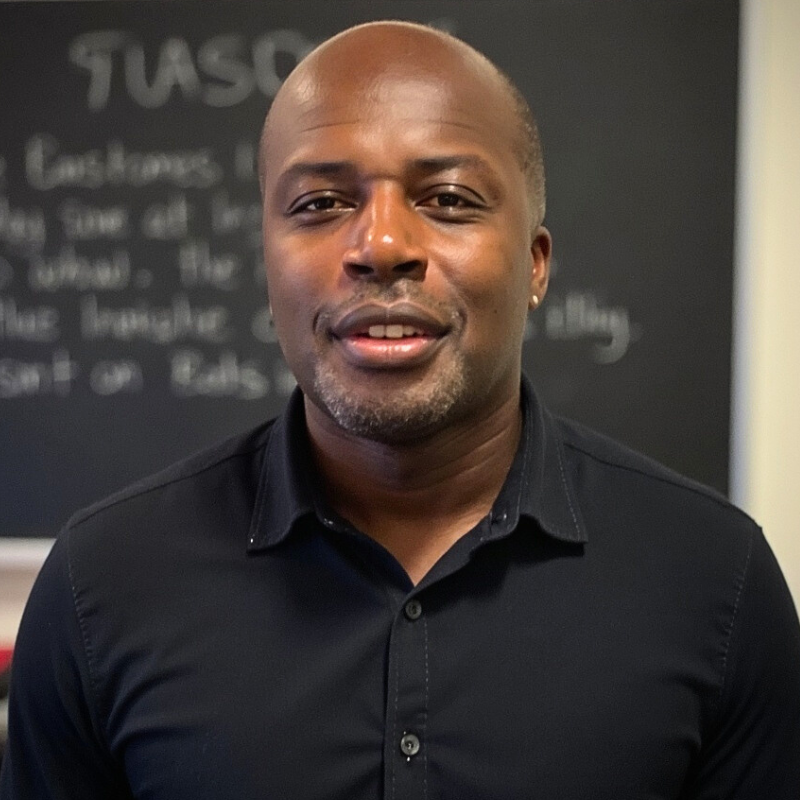 Kenrick Cato, PhD, RN, CPHIMS, FAAN, FACMI
Kenrick Cato, PhD, RN, CPHIMS, FAAN, FACMI
Professor and Nurse Scientist
Panelist
-
 George Demiris, PhD, FACMI
George Demiris, PhD, FACMI
Pioneer in Technology-Driven Aging & Home Health Care
Panelist
-
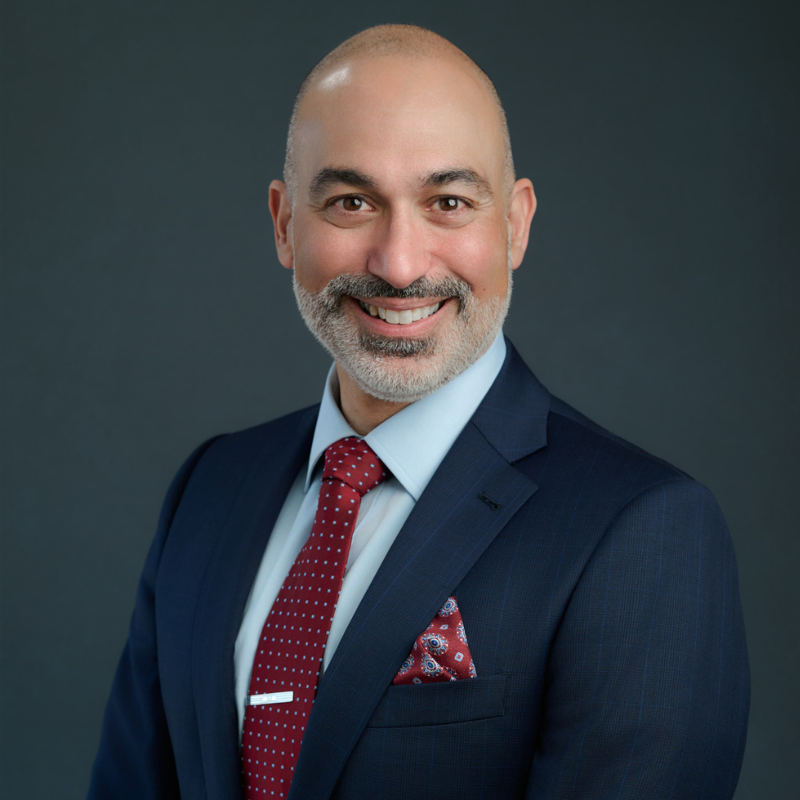 Stephen Ferrara, DNP, FNP, FAANP
Stephen Ferrara, DNP, FNP, FAANP
Professor at Columbia University, Editor-in-Chief of the Journal of Doctoral Nursing Practice
Panelist
-
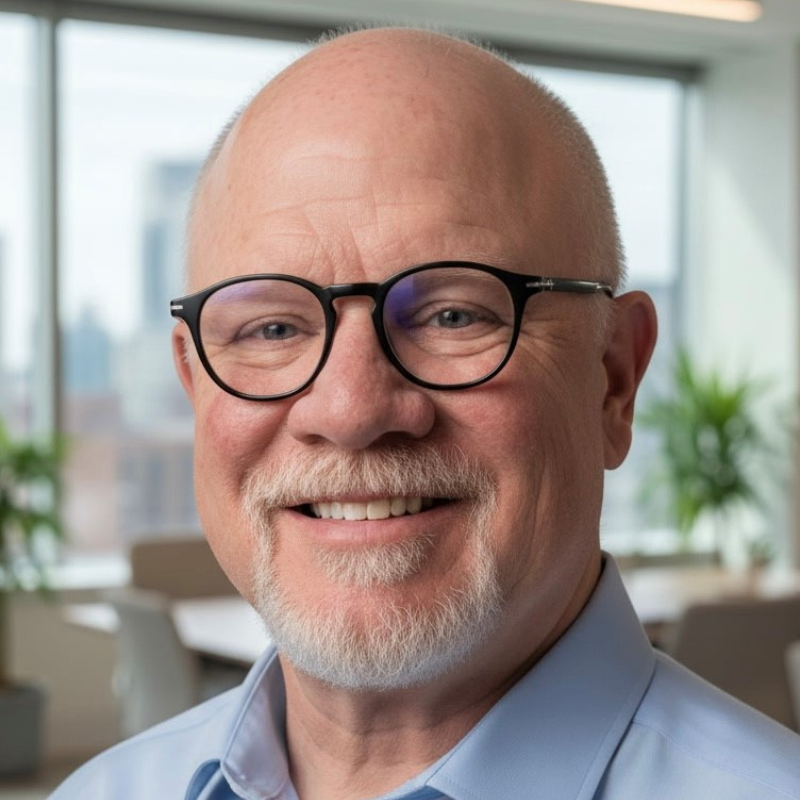 Perry M. Gee, PhD, RN, NEA-BC, FAAN
Perry M. Gee, PhD, RN, NEA-BC, FAAN
Director of Nursing Research & Practice, Intermountain Health
Keynote Speaker
-
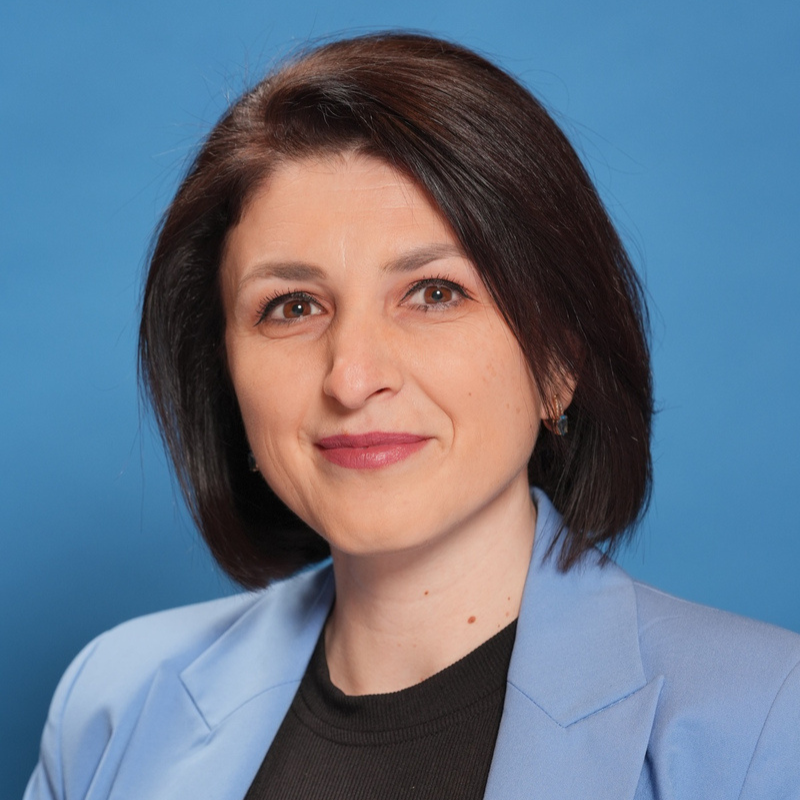 Mariana Gherman, MS CIPCT, BSN, RN
Mariana Gherman, MS CIPCT, BSN, RN
Assistant Nurse Manager in Endoscopy at the University of Washington Medical Center–Northwest
Keynote Introduction
-
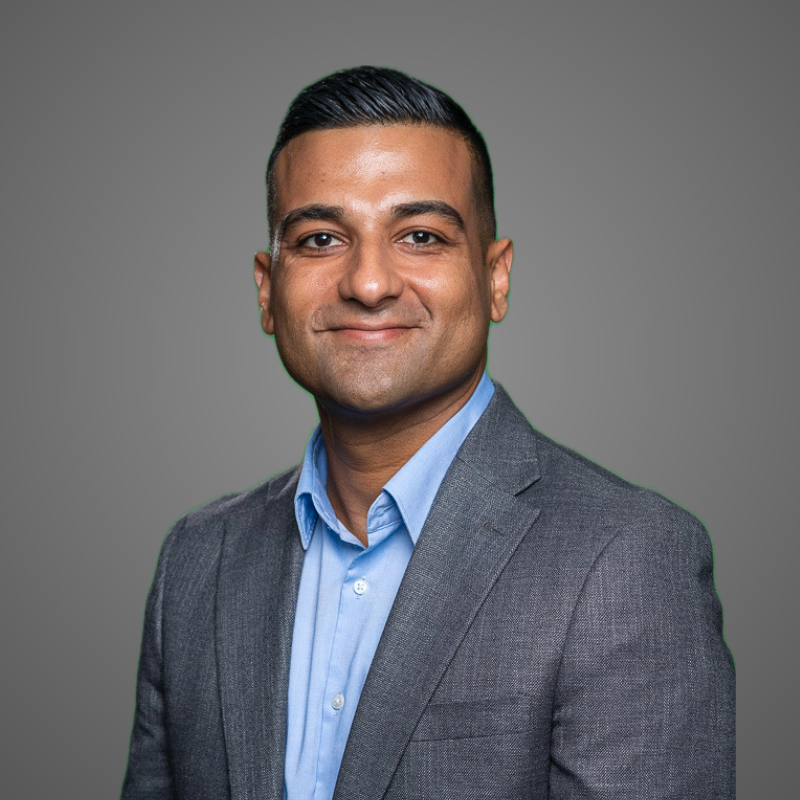 Justin Gill, DNP, APRN, RN, FNP-C
Justin Gill, DNP, APRN, RN, FNP-C
President of the Washington State Nurses Association (WSNA)
Panelist
-
 Ken Grubbs, DNP, MBA, RN
Ken Grubbs, DNP, MBA, RN
Executive Vice President, Accreditation and Certification Operations, and Chief Nursing Officer
Panelist
-
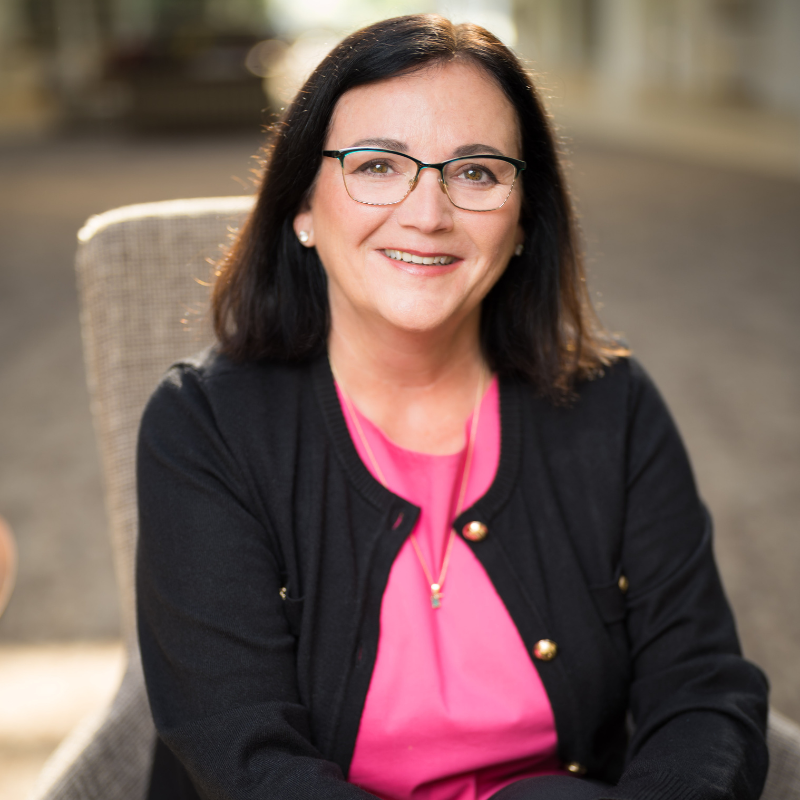 Michelle James, RN, BSN, MM, MBA
Michelle James, RN, BSN, MM, MBA
Senior Vice President for Quality, Patient Safety, Clinical Risk and Chief Nursing Executive for PeaceHealth
Panelist
-
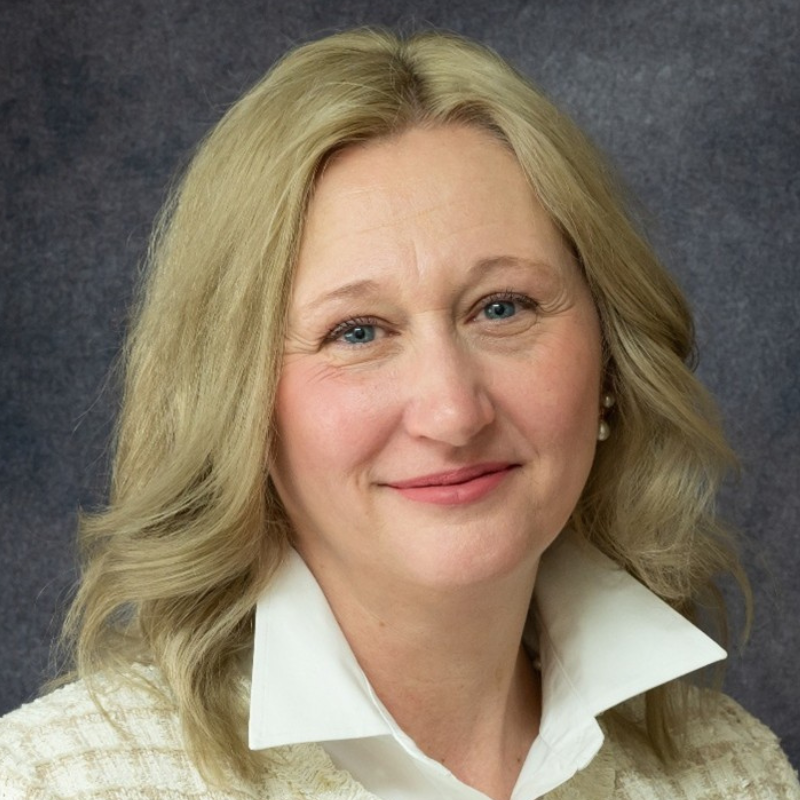 Merry-Ann Keane, MSN, BSN, RNC, NE-BC FACHE, CEO
Merry-Ann Keane, MSN, BSN, RNC, NE-BC FACHE, CEO
Superintendent & Chief Executive Officer, Ocean Beach Hospital & Medical Clinics
Panelist
-
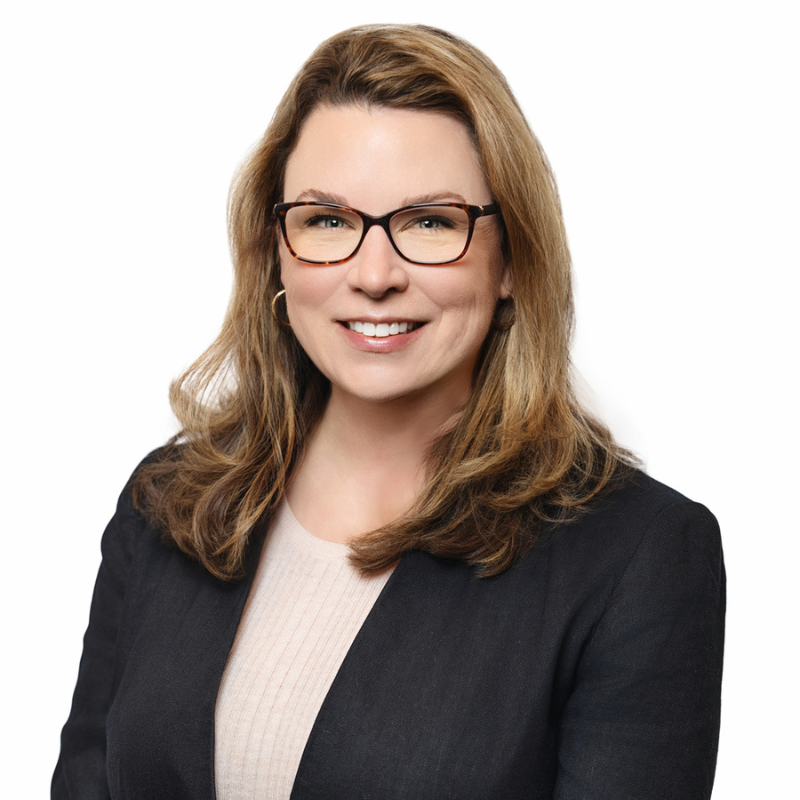 Jennifer S. Mensik Kennedy, PhD, MBA, RN, NEA-BC, FAAN
Jennifer S. Mensik Kennedy, PhD, MBA, RN, NEA-BC, FAAN
President, American Nurses Association
Keynote Speaker
-
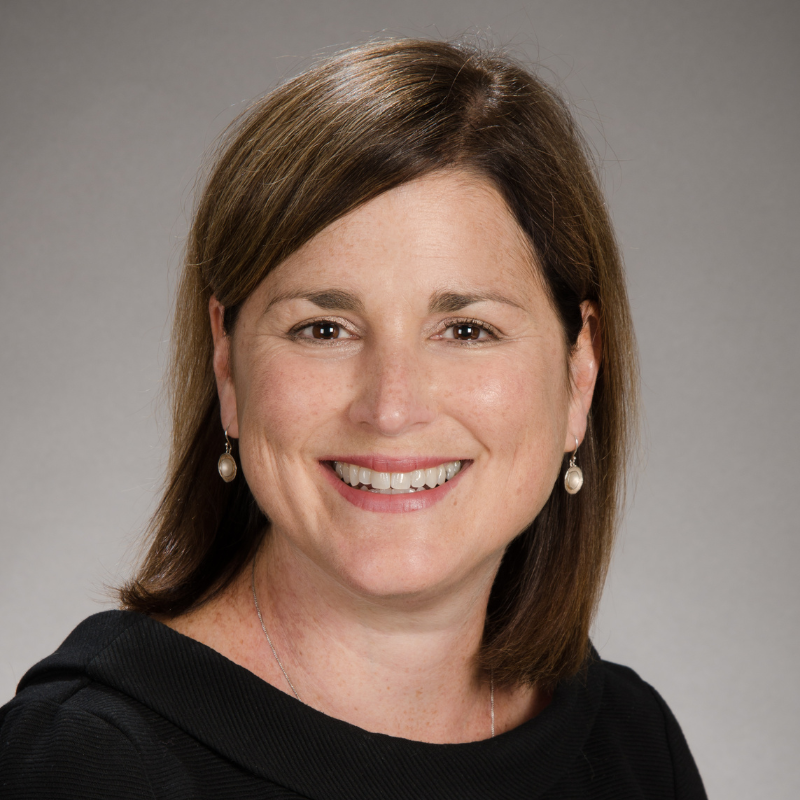 Keri Nasenbeny, MHA, BSN, RN
Keri Nasenbeny, MHA, BSN, RN
Chief Nursing Officer, Harborview Medical Center
Panelist
-
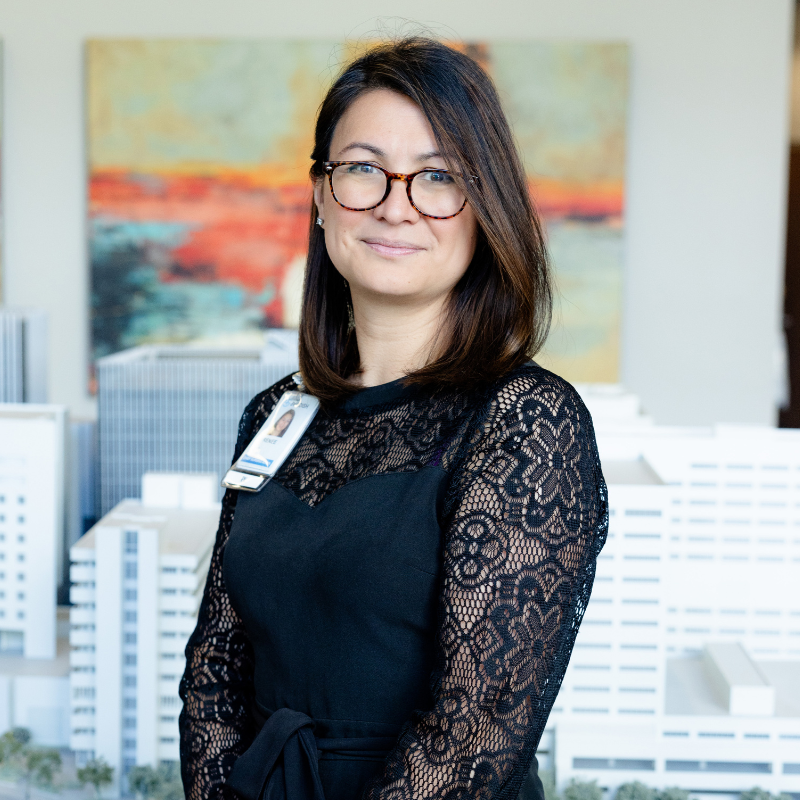 Renee Rassilyer-Bomers, DNP, EMBA, CMSRN, RN-BC, FAAN
Renee Rassilyer-Bomers, DNP, EMBA, CMSRN, RN-BC, FAAN
Chief Nursing Officer for Providence Swedish North Division
Panelist
-
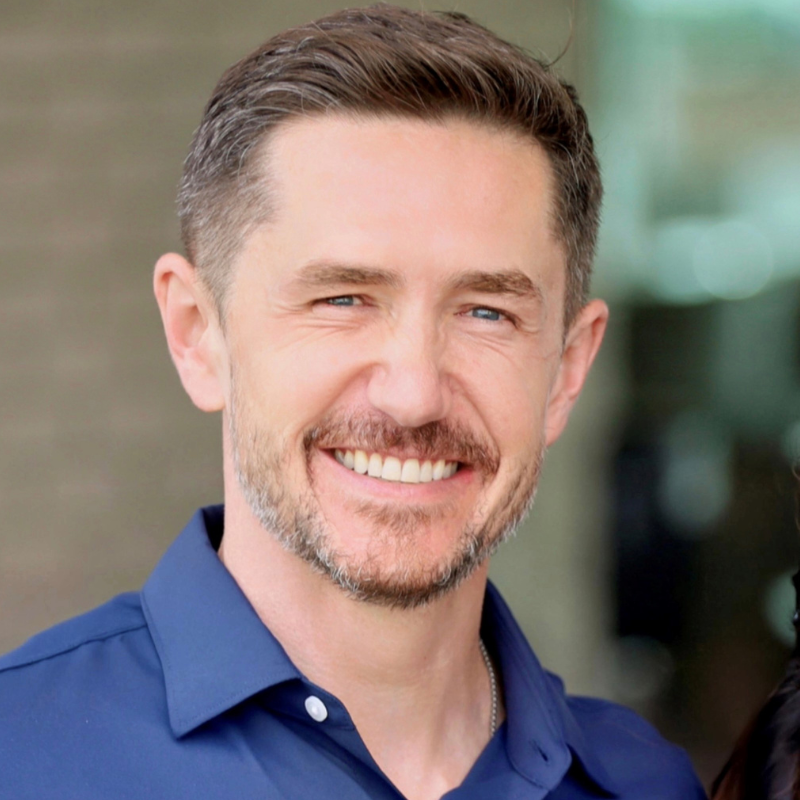 Ryan Shaw, PhD, RN, FAAN
Ryan Shaw, PhD, RN, FAAN
Chief Nurse Innovation Officer, Duke University Health System
Keynote Speaker
-
 Tom Lawry
Tom Lawry
International AI & Health Innovation Speaker
Panelist
-
 Dan Weberg, PhD, MHI, RN, FAAN
Dan Weberg, PhD, MHI, RN, FAAN
Assistant Professor, The Ohio State University College of Nursing
Keynote Speaker
-
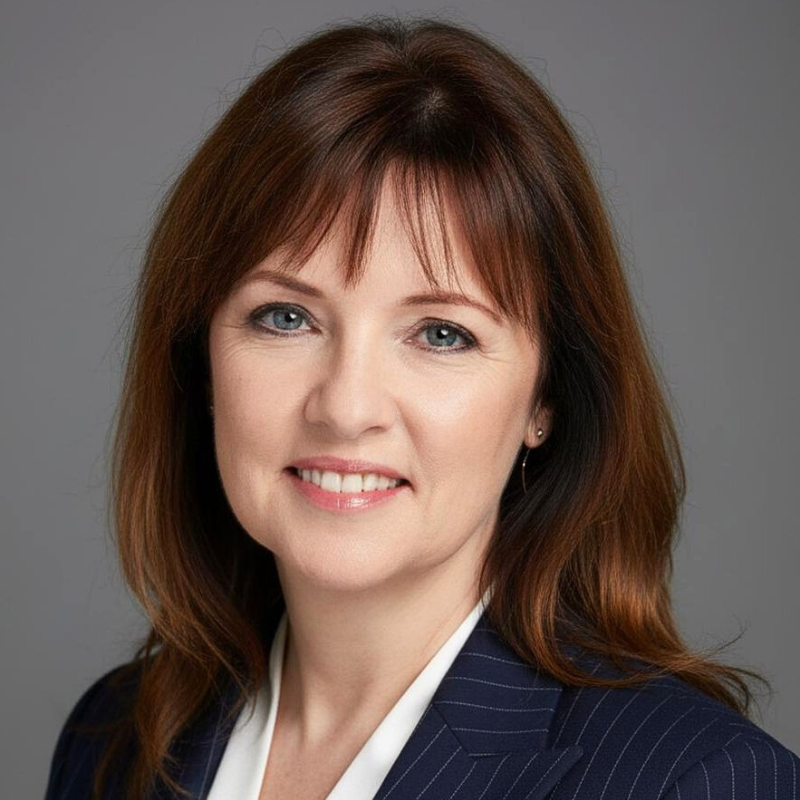 Darcy Jaffe, MN, ARNP, FACHE
Darcy Jaffe, MN, ARNP, FACHE
Senior Vice President for Clinical Excellence, Washington State Hospital Association
Moderator
-
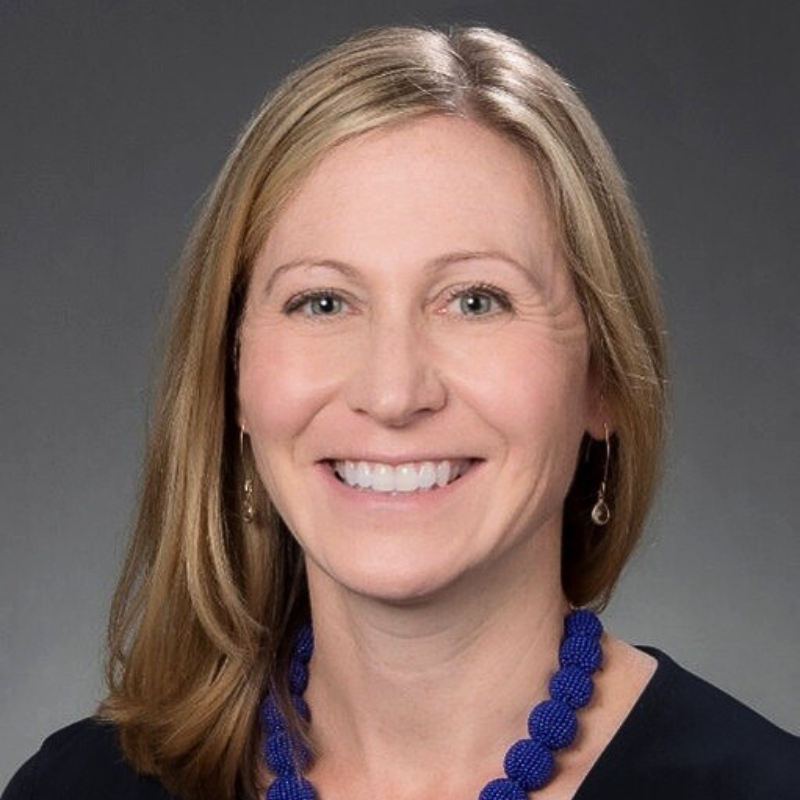 Alison Bradywood, DNP, MN/MPH, RN, NEA-BC
Alison Bradywood, DNP, MN/MPH, RN, NEA-BC
Executive Director, Washington State Board of Nursing
Moderator
-
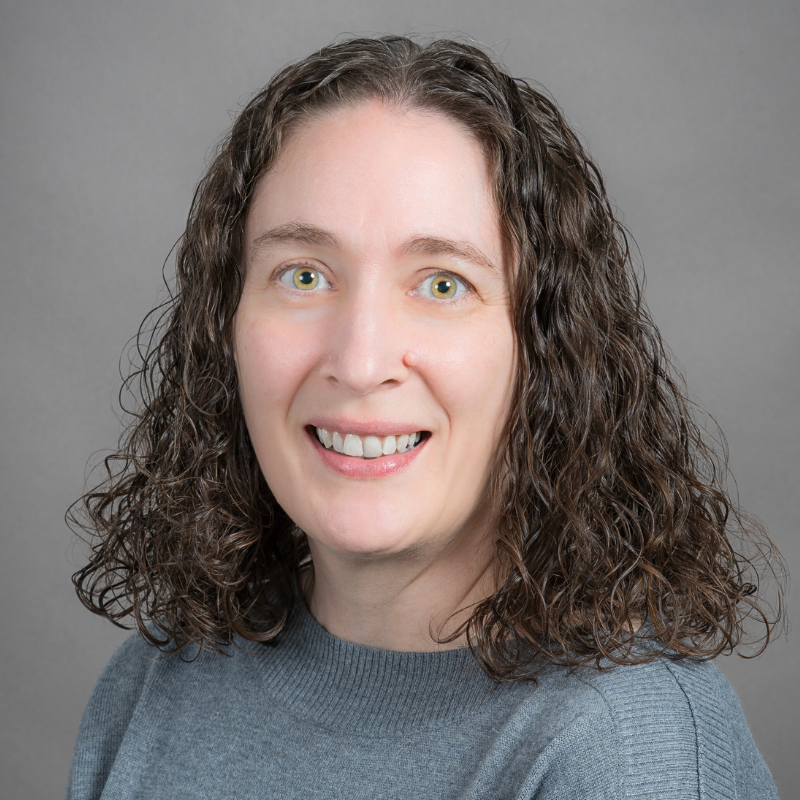 Nancy Wiederhold, DNP, RN, CMSRN
Nancy Wiederhold, DNP, RN, CMSRN
Clinical Nurse Researcher and Magnet Program Director for UW Medical Center’s Montlake and Northwest Campuses
Moderator

Plan Your Visit
A full day of keynote presentations, expert panels and collaborative discussions designed to advance nursing leadership in the age of AI.
Venue Information
University of Washington
Center for Urban Horticulture
3501 NE 41st Street
Seattle, WA 98105
May 15, 2026 | 9 a.m.–3:30 p.m.
Check-in opens at 8:30 a.m. We recommend arriving early to allow time for registration and networking.
Getting There
By Car: Parking is available in nearby campus lots. Daily parking passes are available for purchase. We recommend arriving early as parking can be limited.
By Public Transit: The venue is accessible via several King County Metro bus routes. Route 78 stops directly in front of the Center for Urban Horticulture on NE 41st Street. Routes 25, 65, and 75 stop at NE 45th Street and Mary Gates Memorial Drive NE. Route 67 stops at NE 45th Street and Montlake Boulevard NE. Use Metro’s Trip Planner to find the best route from your location.
By Rideshare: Drop-off and pick-up zones are available near the main entrance.
Nearby Accommodations
- University Inn — 0.3 miles from venue
- Silver Cloud Hotel, University District — 0.5 miles from venue
- Watertown Hotel — 0.6 miles from venue
- Graduate Seattle — 0.4 miles from venue
Local Dining
The University District offers numerous dining options within walking distance, including cafes, restaurants, and food courts. Lunch will be provided during the conference.
What to Bring
- Curiosity, enthusiasm, and questions for our expert panelists
- Business cards for networking
- Notebook or device for taking notes
- A portable power bank or charger, as outlets will be limited
- Attire: Business casual
Explore
Explore insights from our featured speakers and stay updated on the latest developments in AI and nursing.
The materials below provide a starting point for understanding the state of the science, practical applications, and ethical considerations of AI in healthcare.
Recommended Pre-Conference Reading
These accessible resources provide a strong foundation for understanding how AI is shaping healthcare and nursing.
AI Risk Management Framework — National Institute of Standards and Technology (NIST)
A widely used framework for evaluating AI systems based on transparency, safety, fairness, and reliability.
Stanford AI Index Report
An annual global report summarizing the latest trends in artificial intelligence research, adoption, and policy.
Artificial Intelligence in Healthcare — National Academy of Medicine
Expert perspectives on the opportunities, risks, and governance challenges of AI in healthcare systems.
Ethical Use of Artificial Intelligence in Nursing Practice — American Nurses Association
Guidance on ethical considerations, patient safety, and professional accountability when integrating AI into nursing practice.
AI in Healthcare Resource Center — HIMSS
Case studies and implementation insights from health systems deploying AI tools to improve patient care and operational efficiency.
Washington AI Task Force Policy Recommendations
Recommendations from Washington State to promote innovation and protect individual rights in AI development and deployment.
Speaker Insights
Our keynote speakers and panelists are leaders in digital health, nursing innovation, and responsible AI adoption. Their work explores topics including AI leadership and workforce transformation, digital health innovation and clinical decision support, ethical and responsible AI in patient care, and technology-enabled care for aging populations.
Learn more from our speakers:
- Dan Weberg — Innovation leadership in healthcare
- Tom Lawry — AI transformation in healthcare
- Ryan Shaw — Digital health innovation and nursing research
- Jennifer Mensik Kennedy — National policy, workforce futures, and the nursing voice in AI
Talks to Watch Before the Summit
Get a preview of the ideas shaping the RAIN Summit.
- Innovation and the Future of Healthcare — Dan Weberg
- AI Transformation in Healthcare — Tom Lawry
- AI and the Future of Healthcare — Stanford Medicine
Tools Nurses Can Use Today
Artificial intelligence is rapidly becoming part of everyday healthcare practice. These resources help nurses evaluate and use AI tools responsibly.
- NIST AI Risk Management Framework
- American Nurses Association AI Ethics Guidance
- HIMSS Artificial Intelligence Resource Center
Questions Every Nurse Should Ask Before Using an AI Tool
As AI tools enter clinical environments, nurses play a critical role in evaluating their safety and usefulness. Before adopting a system, consider:
- What clinical problem is the AI tool solving?
- What data were used to train the model?
- Does the tool perform well across diverse patient populations?
- Is the system transparent and explainable to clinicians?
- What human oversight is required to ensure safe use?
Thoughtful evaluation helps ensure that AI technologies support safe, equitable, and patient-centered care.
Planning Committee
An interdisciplinary team of leaders shaping the future of AI in nursing and healthcare
David A.C. Beck, PhD
Research Associate Professor, Department of Chemical Engineering, University of Washington
David Beck, PhD, is a Research Associate Professor at the University of Washington’s Department of Chemical Engineering and an adjunct in Environmental and Occupational Health Sciences in Public Health and the Allen School of Computer Science. His research has two threads: 1. Using AI and ML to understand how humans interact with the molecules around them in energy, environment, and health, and 2. Using computing, data science, AI and software engineering to build solutions for a changing world. He holds degrees in computer science and medicinal chemistry. David is Director of the Scientific Software Engineering Center and Director of Research for the eScience Institute. He chairs the Faculty Council on University Libraries and is a tireless advocate for the role of libraries and librarians in teaching, learning, research and scholarship.
Alison Bradywood, DNP, MN/MPH, RN, NEA-BC
Executive Director, Washington State Board of Nursing
Alison Bradywood is the Executive Director for the Washington State Board of Nursing and a community health nurse at heart. She came into nursing by way of working in indigenous public health in the Peace Corps Panama and has carried this commitment to working across communities throughout her professional career. Her experience spans acute care, academia, long-term care, and community health settings. She received her Doctor of Nursing Practice from Vanderbilt University and her master’s in public health and in nursing leadership from the University of Washington. Alison’s areas of expertise include system improvement, quality, leadership development, nursing practice, education, and workforce development. Alison worked at Virginia Mason Medical Center for 19 years, first as a nurse technician and eventually as the Chief Nursing Officer. She has published several peer-reviewed articles on hospital quality, social determinants of health, and COVID-19 interventions.
Darcy Jaffe, MN, ARNP, FACHE
Senior Vice President for Clinical Excellence, Washington State Hospital Association
Darcy is the Senior Vice President for Clinical Excellence at the Washington State Hospital Association where she leads and supports collective hospital leader actions to improve care at the policy and operational level for all who are served in our state’s hospital medical systems. Prior to WSHA, she was the Patient Care Administrator and Chief Nursing Officer at Harborview Medical Center in Seattle and the Co-Director of the UW Medicine Center for Scholarship in Patient Care Safety and Quality. She is a Fellow of the American College of Healthcare Executives, and a Robert Wood Johnson Foundation Executive Nurse Fellow Alumnus. She currently serves, by appointment of the Washington State Governor, on the Robert Bree Collaborative, the Crisis Response Improvement Strategies Committee, the Hospital Staffing Committee Advisory Committee, and the Performance Measures Coordinating Council.
Julie A. Kientz, PhD
Professor and Chair, Human Centered Design & Engineering, University of Washington
Julie A. Kientz is a Professor and Chair of the department of Human Centered Design & Engineering at the University of Washington, where she directs the Computing for Healthy Living and Learning Lab. Dr. Kientz’s primary research areas are in the fields of Human-Computer Interaction, Health Informatics, Ubiquitous Computing, and Interaction Design & Children. Her research focuses on understanding and reducing the user burdens of interactive technologies for health, education, and families through the design of future applications. Dr. Kientz received her Ph.D. in Computer Science from the Georgia Institute of Technology in 2008. She was awarded a National Science Foundation CAREER Award, named an MIT Technology Review Innovator Under 35 award, named an ACM Distinguished Member, inducted to the CHI Academy and Washington State Academy of Sciences, and is the only faculty member in the UW College of Engineering to receive both the Faculty Research Innovator and Teaching Innovator awards.
Daniel Kim, MD, PhD, MPH
Assistant Professor, University of Washington
Daniel Kim, MD, PhD, MPH is presently an Assistant Professor at the University of Washington after finishing his clinical fellowship in Cardiovascular Medicine and serving as Lead Fellow for the Translational Investigator Program at Stanford University. Dr. Kim’s career goal is to become a pioneering academic physician-scientist, leveraging complex health-related data from digital technologies (e.g., smartphones and smart-devices) to optimize artificial-intelligence (AI) interventions specific to the user, aimed at improving physical activity as an avenue to prevent and treat clinical morbidity and mortality. Dr. Kim’s work is presently funded as PI by the Robert A. Winn Excellence in Clinical Trials Career Development Award, the American Heart Association Career Development Award, and the American Diabetes Association Pathway to Stop Diabetes Initiator Award.
Janna Templin, MSN, MBA
Senior Technical Program Manager – Cloud & AI (Epic on Azure), Microsoft
Janna is an accomplished healthcare leader and practicing clinician with over 15 years of experience bridging frontline care with cloud technology innovation. Recognized for clinical work in critical care, telehealth, and medical device development, she has driven AI strategy, cloud solutions, and product engineering at leading organizations including Microsoft Azure Health and Life Sciences and Google Health AI. A published JAMA Oncology clinician, she specializes in translating clinical expertise into transformative product leadership, integrating social determinants of health (SDoH), system operations, revenue cycle optimization, and AI-powered strategies across hospital and cloud environments. Janna’s expertise spans AI integration across clinical practice and hospital operations, responsible and ethical deployment of medical AI solutions, hospital digital transformation and change management, and clinician perspectives on health IT usability and adoption.
Allison Webel, PhD, RN, FAAN
Associate Dean for Research and Innovation, University of Washington School of Nursing
Allison Webel, PhD, RN, FAAN currently serves as the Associate Dean for Research and Innovation and the Endowed Health Promotion Professor at the University of Washington School of Nursing as well as the Editor in Chief of the Journal of the Association of Nurses in AIDS Care. Dr. Webel is a globally recognized leader in clinical research focused on helping people with chronic diseases live and age well, with emphasis on non-pharmacological approaches to healthy aging. She has spoken and published widely in this area with almost 200 manuscripts on HIV and aging, behavioral science, and global health. She has received more than $50M in extramural research funding by the National Institute for Nursing Research, National Heart Lung and Blood Institute, American Heart Association, Gilead Sciences, Andy Hill Foundation, the National Institute on Aging, among others.
Nancy Wiederhold, DNP, RN, CMSRN
Clinical Nurse Researcher & Magnet Program Director, University of Washington Medical Center
Nancy Wiederhold, DNP, RN, CMSRN is the Clinical Nurse Researcher and Magnet Program Director for University of Washington Medical Center’s Montlake and Northwest campuses, where she leads system-wide efforts to advance nursing excellence, evidence-based practice, and nursing research across inpatient and ambulatory settings. With more than 25 years at UW Medical Center, Nancy brings deep institutional knowledge, clinical credibility, and a passion for building cultures of inquiry, innovation, and professional growth. She earned her Doctor of Nursing Practice in Nursing Leadership from Boise State University. In addition to her clinical and research leadership, Nancy serves on the Board of Directors for the Northwest Organization of Nurse Leaders (NWONL), where she is actively engaged in advancing leadership development, mentorship, and professional connection across the region. She has a special interest in nurse perception and readiness for artificial intelligence technologies and their integration into clinical practice.
Weichao Yuwen, PhD, RN
Associate Professor, Nursing & Healthcare Leadership, University of Washington Tacoma
Yuwen’s scholarship focuses on developing technology-enabled solutions to promote health among individuals, families, and communities. Yuwen leads projects in developing, testing, and disseminating culturally sensitive and linguistically tailored technology-enabled health solutions to increase access to personalized symptom self- and family-management support in people with chronic health conditions and their families. She co-founded the Responsible Health AI Lab (RHAIL) with computer scientists at the University of Washington Tacoma, supported by the NIH AIM-AHEAD program.
Oleg Zaslavsky, PhD, MHA, RN, FAAN, FGSA
Associate Professor, Director of the Digital Health Innovation Hub, Biobehavioral Nursing & Health Informatics
Dr. Oleg Zaslavsky is an Associate Professor and Director of the Digital Health Innovation Hub at the University of Washington. His work focuses on leveraging digital health to enhance care, particularly for older adults and those with cognitive challenges. He develops accessible digital solutions aimed at improving the well-being of these populations and their caregivers. His federally and foundation funded research emphasizes the creation of digital interventions that support fulfilling lives amidst age-related challenges, driven by the belief that older adults can lead empowered lives. His commitment is to advance user-friendly, evidence-based digital health tools tailored to the unique needs of aging individuals and their care partners.
Hosted and organized by: